North Carolina Feral Swine Genetics and Origin
North Carolina feral swine genetics and origins explain the destructive spread, rapid reproduction, and disease risks facing landowners.
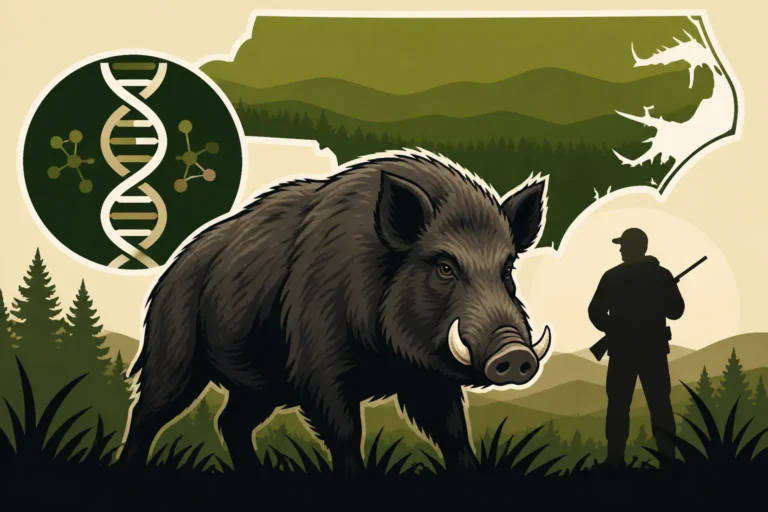
North Carolina feral swine genetics and origins explain the destructive spread, rapid reproduction, and disease risks facing landowners.
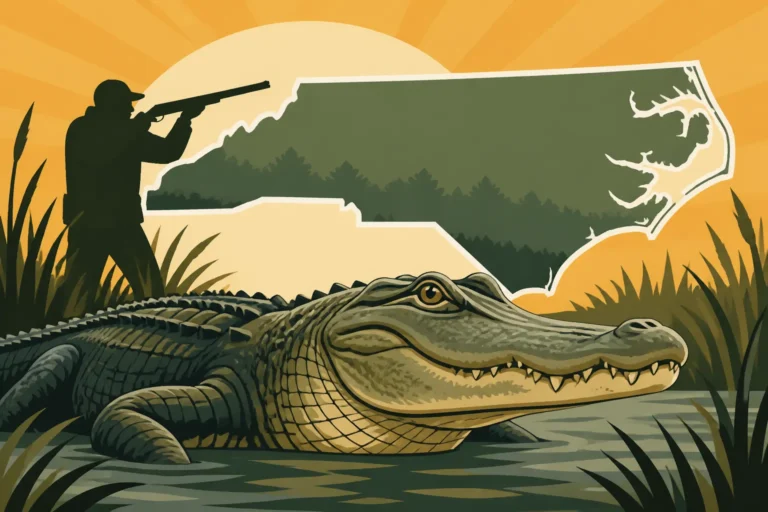
North Carolina alligators inhabit eastern coastal plains, swamps, and river basins, representing the northernmost extent of their range.
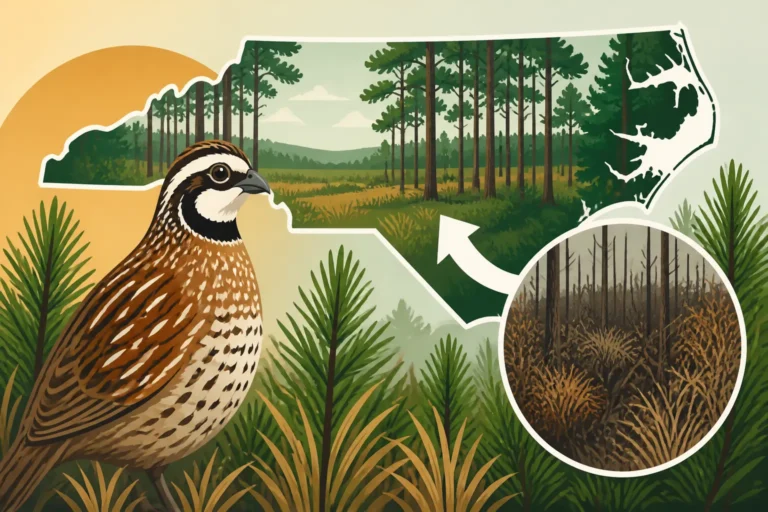
Managed pine ecosystems could restore North Carolina bobwhite quail populations by improving nesting cover and food sources.
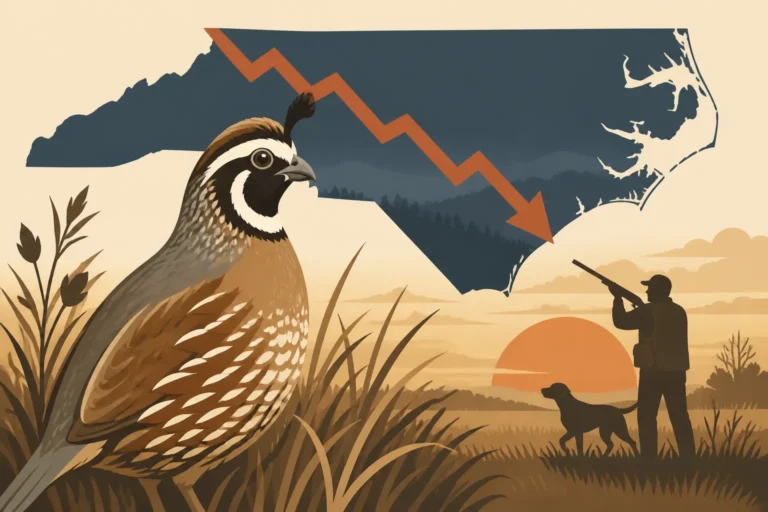
North Carolina bobwhite quail populations face a historic decline driven by habitat loss, large farming equipment, and modern agricultural changes.
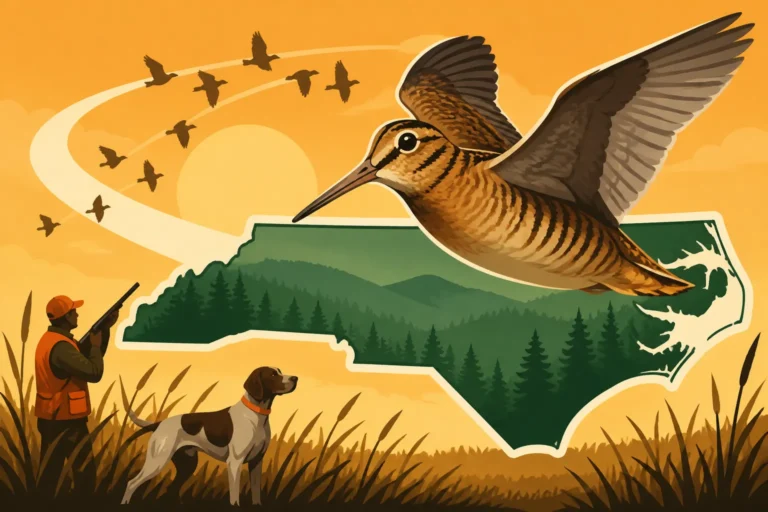
American woodcock migration patterns, weather factors, and Atlantic Flyway stopover habits across North Carolina.
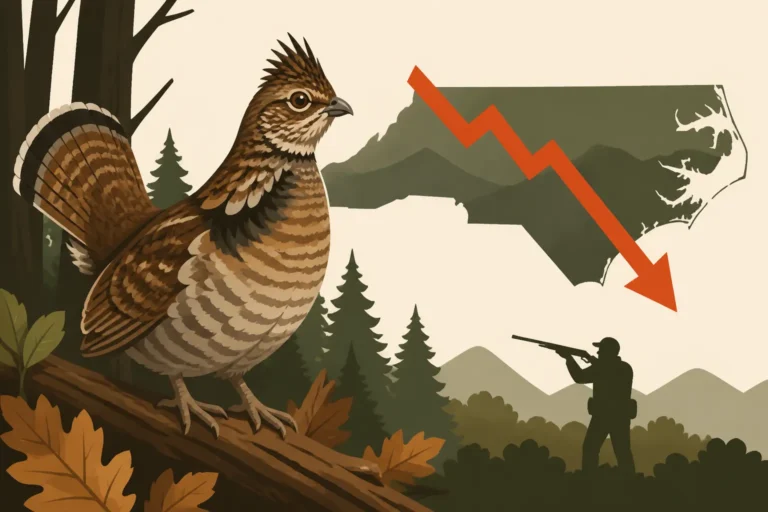
North Carolina ruffed grouse population decline and disappearing mountain habitats are explained for hunters and wildlife enthusiasts.
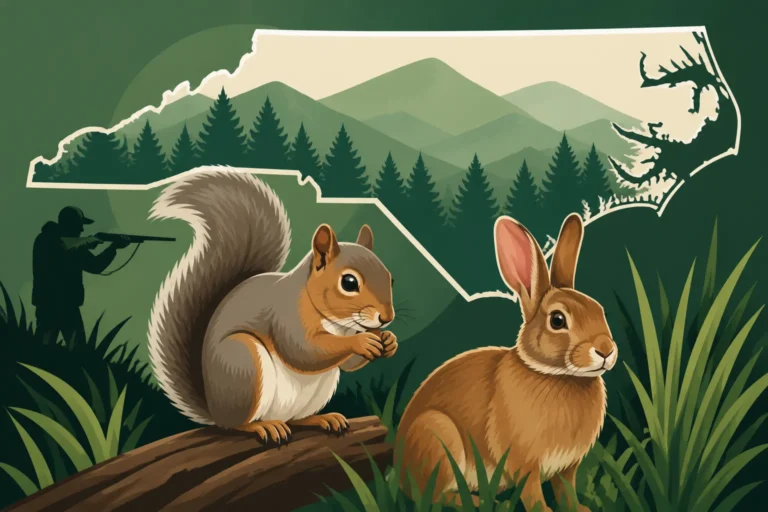
North Carolina squirrel and rabbit populations, forest habitats, and small game hunting strategies explained for outdoor enthusiasts.
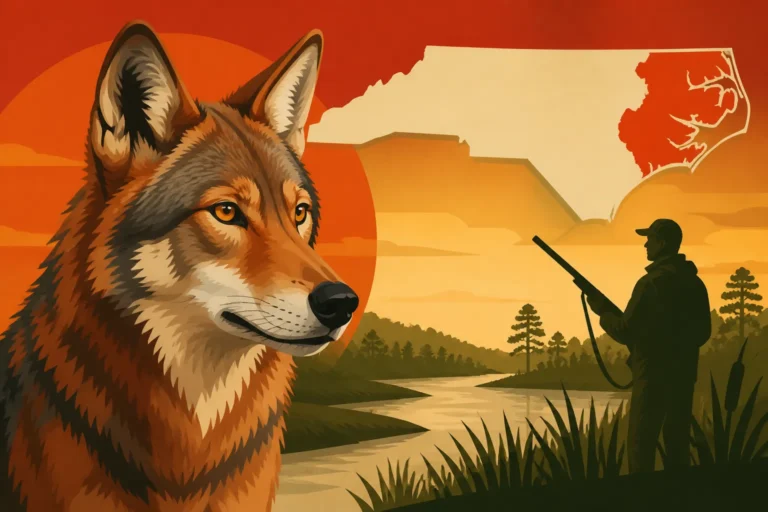
Red wolf history in eastern North Carolina covers the dramatic decline, near extinction, and wild reintroduction efforts.
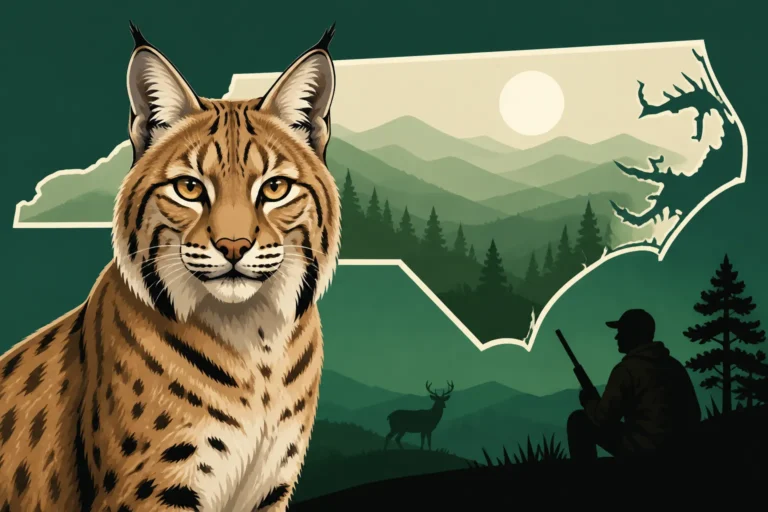
North Carolina’s recovering bobcat population, weighing fifteen to forty pounds, thrives across mountain forests, swamps, and farmlands.
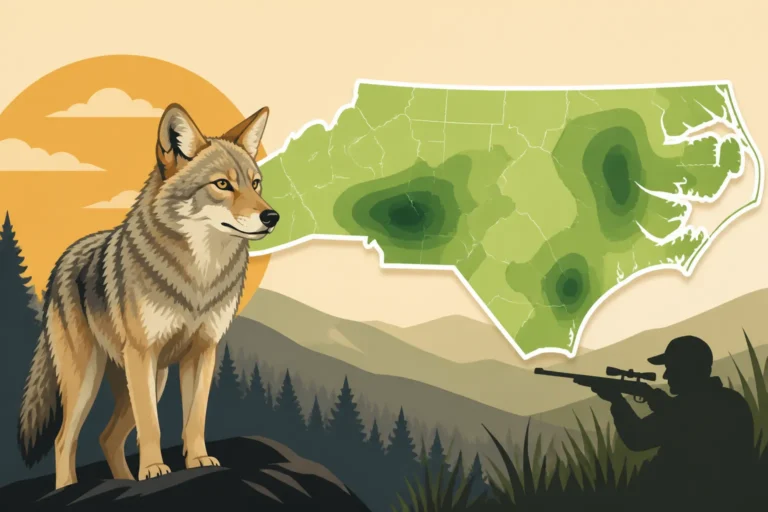
North Carolina coyote range and density details explain statewide predator spread across mountain, Piedmont, and coastal hunting regions.