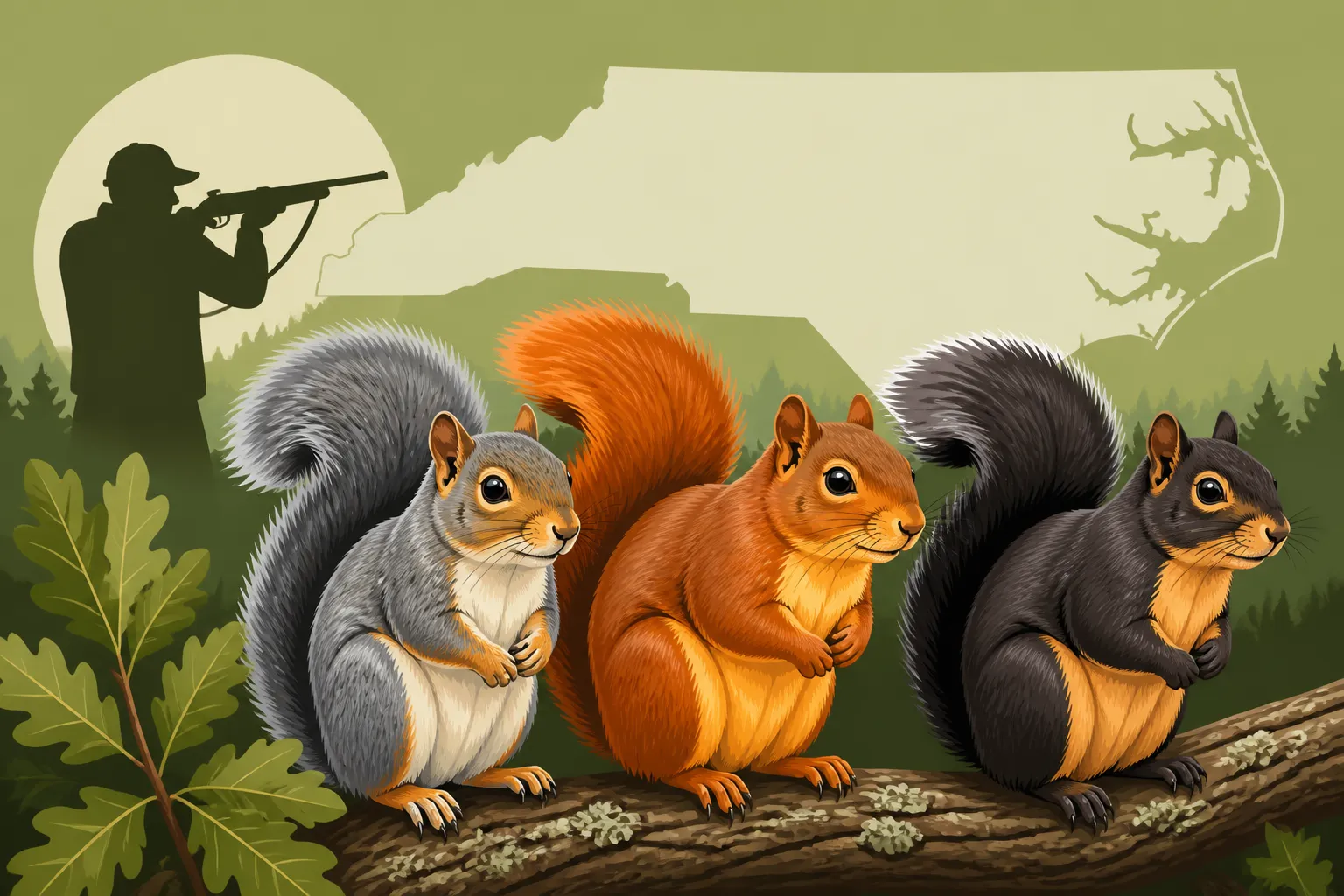
North Carolina Fox Squirrel Color Variations
Anyone who's spent time in the North Carolina woods, especially in the Sandhills or Coastal Plain, knows that our fox squirrels aren't just one shade of gray. You might be accustomed to the typical gray squirrel, but then you encounter one of these magnificent creatures, and your jaw drops – they can look so wildly different, it's enough to make you wonder if you're even looking at the same species! This guide is all about unraveling the incredible tapestry of color variations you can find among North Carolina's fox squirrels, helping you understand why they look the way they do and where you might spot these striking individuals.
The Wild Kaleidoscope of North Carolina Fox Squirrels
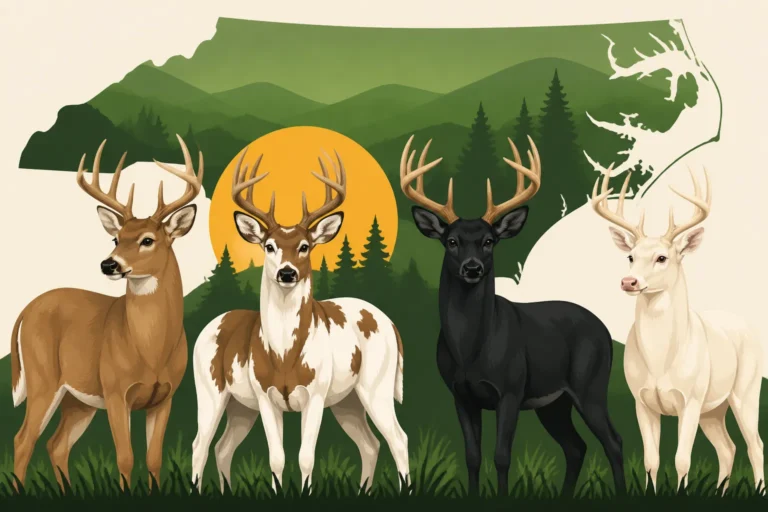
North Carolina is a treasure trove for wildlife enthusiasts and hunters alike, and our fox squirrels are a prime example of nature's artistry. Unlike their smaller, more uniform gray squirrel cousins, fox squirrels (scientific name Sciurus niger) are celebrated for their sheer size and, perhaps even more so, for their dazzling array of coat colors. These aren't just subtle differences; we're talking about individuals that can range from fiery red and deep rust to mottled gray, jet black, and even patched combinations that look like they've been painted by hand. It's a truly fascinating aspect of our local wildlife that often surprises those unfamiliar with the species' full spectrum.
Beyond the initial shock of their diverse appearance, understanding these variations adds another layer of appreciation for our natural ecosystems. It highlights the genetic diversity within a single species and often gives clues about specific local populations. For hunters, recognizing these distinct patterns can sometimes even help identify individual animals or note trends in particular hunting areas. It transforms a simple squirrel sighting into an exciting wildlife observation, making every walk through the woods a potential discovery of a truly unique specimen.
Why So Many Different Looks?
The incredible range of colors we see in North Carolina's fox squirrels isn't random; it's a fascinating interplay of genetics and environment. At its core, the variation is driven by different genes that control pigment production in their fur. Think of it like human hair color – you have genes for blonde, brown, red, black, and various shades in between. Fox squirrels have similar genetic switches that can result in a wide palette of colors. Some genes might produce more reddish-brown pigment (pheomelanin), while others might favor black (eumelanin), or a combination thereof, leading to that distinctive mottled look.
Environmental factors can also play a subtle role, though genetics are the primary driver. Things like diet, age, and even the specific habitat can sometimes influence the vibrancy or intensity of their coat color, or how quickly it fades or changes with the seasons. For instance, a squirrel living in an area with abundant, high-quality forage might have a healthier, shinier coat, making its colors appear more vivid. However, it's mainly about those inherited traits that have allowed these populations to thrive and diversify over generations, making each region's fox squirrels a little bit special and visually distinct.
Common Color Morphs You Might See
While the variations can seem endless, there are several common "morphs" or patterns you're likely to encounter when hunting or observing fox squirrels in North Carolina. Perhaps one of the most iconic is the red-bellied variant, often featuring a reddish-brown or rusty-orange underside contrasting sharply with a more grizzled gray or brown back. This particular look is quite common and immediately recognizable once you know what to look for. Their tails are usually bushy and banded with similar colors, making them quite striking as they bound through the canopy or scamper across the forest floor.
Another frequent sight is the mottled or grizzled gray fox squirrel. These individuals tend to have a blend of black, white, and gray hairs, giving them a salt-and-pepper appearance, often with some reddish or brown highlights on their flanks or head. They might not be as vividly colored as the red-bellied type, but their larger size still sets them apart from the eastern gray squirrel. Then there's the truly captivating melanistic (all black) fox squirrel, which, while less common overall, can be locally abundant in certain areas. Seeing a completely black fox squirrel is a memorable experience, and they stand out starkly against green foliage or winter snow. Occasionally, you'll even spot partially melanistic individuals, which might be mostly black with a white nose or white paws, adding even more intrigue to their appearance.
Regional Hotspots for Specific Variations
North Carolina's diverse geography, from the coastal plains to the mountains, contributes to distinct habitat types, and with these differences often come localized preferences in fox squirrel color variations. It's not a hard-and-fast rule that only certain colors appear in certain areas, but there are definite trends. Understanding these regional tendencies can make your scouting efforts more effective and add a layer of enjoyment to identifying the squirrels you encounter. North Carolina Small Game and Furbearers are incredibly diverse across the state, and fox squirrels certainly embody that.
For instance, if you're exploring the longleaf pine ecosystems that dominate sections of the Coastal Plain and Sandhills, you'll start to notice particular patterns. Hunters who use tools like GoHunt to scout public game lands or private tracts in these regions often report seeing specific types more frequently. This geographical clustering isn't just a quirk; it's a testament to localized genetic pools and historical population distributions. It's like finding different dialects in different parts of the state – similar species, but with unique local flavors in their appearance.
Coastal Plain's Dark and Dappled Squirrels
Venturing into North Carolina's Coastal Plain, particularly in areas like the vast game lands near the coast or around the pocosin swamps, you're likely to encounter fox squirrels that lean towards darker, more dappled patterns. Here, you'll often see individuals with a deep, almost charcoal gray back, liberally mixed with black and sometimes a hint of rusty red on their sides or bellies. The effect is often a beautiful, variegated coat that provides excellent camouflage within the shadows of dense pine stands and the mixed hardwood-pine forests characteristic of this region.
In these coastal environments, sometimes you'll even spot individuals with more pronounced black markings, occasionally approaching the fully melanistic form. This prevalence in darker morphs might be linked to the specific forest types and soil conditions, or simply the historical genetic isolation of these populations. When you're Hunting the Coastal Plain and Sandhills, keep a keen eye out for these darker, larger squirrels, especially in areas with mature pine or cypress stands. They often look quite different from their cousins further west, adding a unique challenge and reward to your observations.
Sandhills' Red-Bellied Beauties
Head slightly inland to the Sandhills region, with its iconic longleaf pine savannas and sandy soils, and you'll find a strong presence of what many consider the quintessential North Carolina fox squirrel: the stunning red-bellied variant. These are the squirrels that truly live up to the "fox" in their name, with a vibrant, often fiery reddish-orange fur on their undersides, legs, and even sometimes around their ears and faces. This rich color contrasts beautifully with a grizzled gray or even brownish-gray back, creating a striking visual that's hard to forget.
The longleaf pine forests of the Sandhills, such as those found on the Fort Liberty (formerly Bragg) Game Land or the Sandhills Game Land, are prime habitats for these distinct individuals. It's believed that this coloration has been favored through generations in this specific ecosystem, potentially offering superior camouflage among the ruddy pine bark and sandy ground. If you're Squirrel Hunting a North Carolina Oak Ridge in the Sandhills or just enjoying a hike, these red-bellied beauties are often the star of the show, a vibrant splash of color against the subdued greens and browns of their home.
Piedmont's Patchwork and Black Squirrels
As you move into the rolling hills and mixed forests of North Carolina's Piedmont, the fox squirrel population presents an even more diverse, almost patchwork, array of colors. Here, you'll find a blend of characteristics from both east and west. You'll certainly encounter the grizzled gray and the occasional red-bellied individuals, but the Piedmont seems to be a melting pot where a wider spectrum of genetic expression can be observed. This means you might see more individuals with a combination of traits, such as a mostly gray body with significant reddish patches, or dark streaks running through their lighter fur.
What's particularly exciting about the Piedmont, especially in counties that straddle the line with the mountain regions, is the increased likelihood of spotting melanistic (black) fox squirrels. While not dominant, pockets of these striking black squirrels exist, sometimes with a distinctive white nose or white ear tufts, making them truly stand out. Their dark coats can be incredibly glossy in the sunlight. Whether you're scouting with the NC Wildlife App or checking for Scrape Lines Along a Logging Road in a Piedmont woodlot, keeping an eye out for these unique black squirrels adds an extra element of adventure to your time afield. The sheer variety here truly underscores the genetic robustness of the fox squirrel population in our state.
Hunting and Observation Tips for Unique Fox Squirrels
Hunting fox squirrels in North Carolina offers a unique blend of challenge and reward. Their larger size and often vibrant coloration make them a noticeable presence in the woods, but their wary nature means you still need to employ smart tactics. Beyond the thrill of the hunt, observing these animals, especially their diverse color variations, adds a rich layer to the outdoor experience. If you’re getting started or just want a refresher, make sure you've completed your North Carolina Hunter Education Requirements.
When you're out, whether with a .22 rifle or a shotgun, remember that identifying a specific color morph isn't just for curiosity; it can actually help you refine your understanding of local squirrel populations and their preferred habitats. For instance, if you consistently see red-bellied squirrels in longleaf pine stands, you'll know where to focus your efforts. Utilizing resources like GoHunt can help you overlay land features and historical sightings, giving you a comprehensive view of potential hotspots for these unique animals. It’s all about becoming a more astute observer of the natural world around you.
Scouting for Color and Location
Effective scouting is paramount for finding fox squirrels, especially if you're hoping to encounter specific color variations. Start by identifying the right habitat – fox squirrels prefer more open, mature hardwood forests, often mixed with pine, unlike the dense canopy preference of gray squirrels. Look for mast trees like oaks and hickories, as well as pine stands, especially longleaf, which provide critical food sources and denning sites. Pay attention to the ground for cut acorn shells, mushroom remnants, or pine cones that indicate recent feeding activity. You can find excellent advice on this in articles like Reading Cuttings Under an Oak.
Once you've identified potential habitats, use binoculars to scan tree branches and trunks for movement. Fox squirrels are generally less abundant than gray squirrels, so patience is key. If you're interested in particular color variations, note down where you see them. Over time, you might start to discern patterns – perhaps the red-bellied morphs are more common in sandy longleaf areas, while darker, mottled squirrels frequent river bottoms. This kind of detailed observation, sometimes aided by sophisticated mapping tools like those offered by GoHunt, helps build a comprehensive picture of your hunting grounds and increases your chances of encountering those truly unique individuals.
Ethical Considerations and Appreciation
When hunting fox squirrels, ethical considerations are always at the forefront. As with any game animal, respect for the resource is key. This means understanding and adhering to North Carolina's North Carolina Squirrel and Rabbit Season Rules, including bag limits and legal hunting methods. While fox squirrels are certainly a harvestable species, their less prolific nature compared to gray squirrels, coupled with their unique aesthetic appeal, often leads hunters to practice selective harvesting.
Beyond hunting, simply appreciating these animals for their beauty and ecological role is a reward in itself. Taking a moment to observe their behavior, their intricate color patterns, and their interactions with their environment can deepen your connection to the outdoors. Whether you're a seasoned hunter or a casual hiker, the diverse fox squirrel population in North Carolina offers a continuous source of wonder. Their vivid variations are a living testament to the richness of our state's wild places, reminding us that even the most common creatures can hold extraordinary surprises.
| Color Variation | Primary Characteristics | Common North Carolina Regions | General Abundance |
|---|---|---|---|
| Red-Bellied | Rusty-orange/red underside, grizzled gray/brown back | Sandhills, Coastal Plain | Common |
| Mottled Gray/Brown | Mix of black, white, gray, and brown hairs; salt-and-pepper | Throughout the state, often Piedmont | Very Common |
| Melanistic (Black) | Solid black fur, sometimes with white nose/ears | Piedmont, some mountain fringes, localized pockets | Less Common, but present |
| Dappled Dark Gray | Deep charcoal/blackish gray, often with slight red tint | Coastal Plain, particularly dense pine/swamp | Common in specific habitats |
| Patchwork/Mixed | Combinations of the above, often unevenly distributed | Piedmont, areas of varied habitat | Variable |
Disclaimer
This article is for general informational purposes only and does not constitute professional advice. Laws, prices and regulations vary by location and change over time. Consult a qualified professional for guidance on your specific situation.