Sandhills Game Land Quail Hunting
Oh, the elusive bobwhite quail! If you've spent any time at all chasing these feathered rockets, you know how incredibly challenging it can be to find consistent action, especially on public land here in North Carolina. Many hunters feel like they're walking through ghost towns, reminiscing about the "good old days" when quail coveys seemed to pop up around every field edge. But don't despair! While quail hunting isn't what it once was, places like the Sandhills Game Land offer a unique and rewarding experience for those willing to put in the effort. This guide is all about helping you understand this special region, navigate its challenges, and hopefully, put some wild North Carolina bobwhites in your game vest.
Understanding the Sandhills Ecosystem for Quail
The Sandhills region of North Carolina is truly one-of-a-kind. It's a distinct ecological zone that stretches across several counties, characterized by deep, sandy soils and a unique blend of vegetation. For quail hunters, this isn't just a pretty landscape; it's the very foundation of where our bobwhites thrive, or at least, can thrive. Forget about the dense hardwoods of the Piedmont or the thick pocosins of the coast for a moment; the Sandhills operates on a completely different set of rules, and understanding them is key to successful quail hunting.
The Unique Longleaf Pine Habitat
When you step into the Sandhills Game Land, you'll immediately notice the majestic longleaf pines. These aren't your typical loblolly or shortleaf plantations; longleaf pines are iconic, standing tall with their characteristic "bottle-brush" needles and providing an open, park-like understory. This open nature is crucial for quail. Unlike deer that might seek dense cover, quail need space to move, find food, and escape predators, all while having overhead protection. The longleaf ecosystem, when properly managed, provides just that: sparse mid-story, abundant ground cover, and overhead canopy.
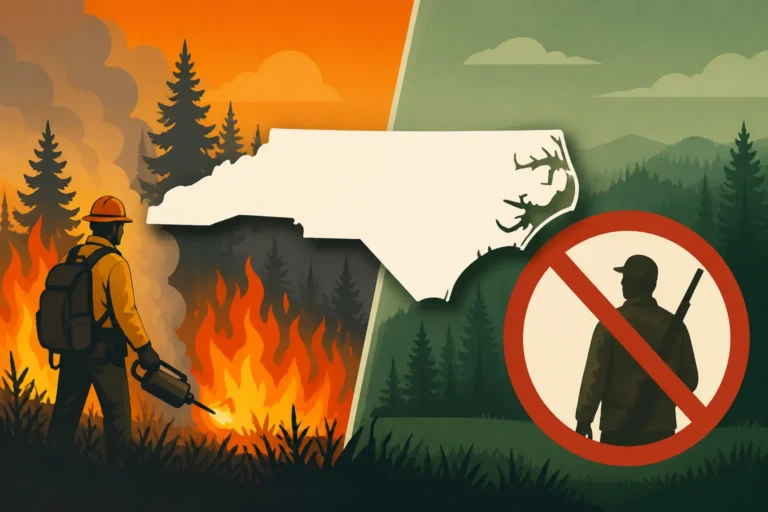
What often accompanies the longleaf is wiregrass, another keystone species that creates a natural carpet on the forest floor. Together, longleaf and wiregrass form the classic longleaf savanna, a habitat that literally evolved with fire. Without regular, prescribed burns, this ecosystem quickly degrades into a dense, brushy tangle that is completely unsuitable for quail. The periodic fires clear out competition, promote the growth of vital forage plants, and make the ground more accessible for quail to forage and move. If you're hunting an area within the Sandhills that hasn't seen fire in a while, chances are, the quail numbers will reflect that neglect. It’s a harsh truth, but habitat management, especially through fire, is paramount to wild quail survival. This dynamic interplay of fire, pines, and wiregrass is why places like Sandhills Game Land are so important for the future of North Carolina quail.
Food Sources and Cover for Bobwhites
Quail are surprisingly particular eaters, especially when it comes to the seeds they prefer. In the Sandhills, their diet largely revolves around the seeds of native grasses and forbs that flourish in the post-fire longleaf environment. Wiregrass seeds, lespedeza, partridge pea, ragweed, and various native legumes are all on the menu. These aren't just random plants; they're integral components of a healthy longleaf ecosystem, providing consistent nutrition throughout the seasons. But it's not just about the seeds; quail also rely heavily on insects, especially protein-rich insects, particularly during the nesting and brooding seasons to fuel rapid chick growth.
Beyond food, secure cover is non-negotiable for quail survival. They need "escape cover" – dense patches of low-growing shrubs, briars, or thickets where they can dive to evade hawks or other predators. They also need "loafing cover" – slightly less dense areas where they can rest, dust bathe, and hide from prying eyes during the day. The unique structure of the Sandhills, with its alternating patches of open pine savanna and regenerated thickets (often areas that burned less intensely or have recently regrown), provides this mosaic of cover. Hunting areas that have been recently burned will be excellent for foraging but might lack the escape cover needed to hold birds long-term, forcing them to nearby unburned patches. It's a constant puzzle to find that sweet spot, the transition zone where good food meets good escape cover. Understanding this balance is critical to How Managed Pine Could Restore North Carolina Quail.
Navigating Sandhills Game Land: Access and Regulations
Hunting public land can sometimes feel like trying to solve a riddle wrapped in a maze. Sandhills Game Land is vast, covering many thousands of acres across several counties, so having a plan before you go is absolutely essential. You can't just drive up, jump out of the truck, and expect to find birds without knowing where you are or what the rules are. Proper preparation ensures both a safe and legal hunt.
Entry Points, Roads, and Designated Areas
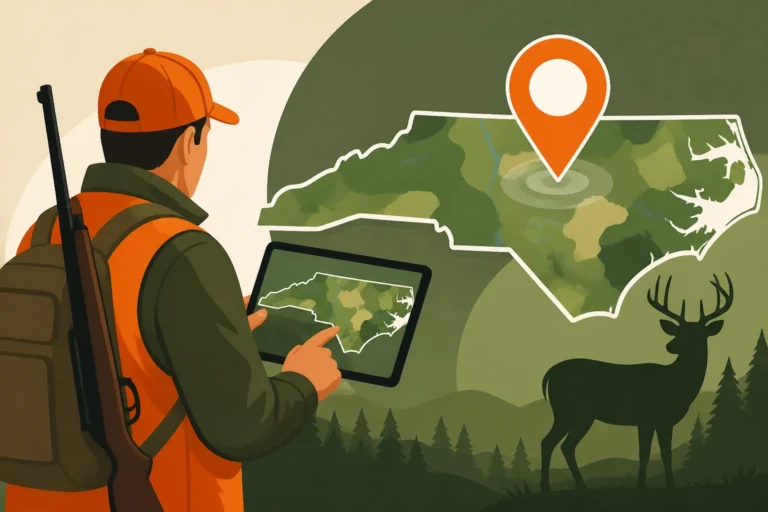
The Sandhills Game Land has numerous access points, but not all are created equal. Many areas are accessed via well-maintained gravel roads that crisscross the landscape. However, some sections are more remote and might require a bit more navigation. It's crucial to consult maps before heading out. The NC Wildlife Resources Commission (NCWRC) provides excellent resources, including maps of the game lands, often highlighting specific sections or areas that might be under active habitat management. You'll typically find designated parking areas, but sometimes it's just a pull-off along a forest road. Make sure you don't block any gates or private access points.
A tool like onX Hunt can be an absolute game-changer here. It allows you to download maps to your phone, showing property lines (which are crucial on the Sandhills' often-interspersed public/private land mosaic), roads, trails, and even historical burn blocks. This can help you identify areas with good habitat potential and, more importantly, ensure you stay on public land. Many hunters feel overwhelmed by the sheer size of public lands, but with digital mapping, it becomes far more manageable. Remember, a North Carolina Game Lands License Requirements is often necessary for hunting on these public areas, in addition to your regular hunting license, so make sure you're properly equipped before you hit the field.
Specific Quail Season Rules and Bag Limits
Like all hunting in North Carolina, quail hunting on Sandhills Game Land operates under specific rules and seasons. Generally, quail fall under the small game season umbrella. You'll need to check the current NCWRC regulations each year for the exact opening and closing dates for North Carolina Small Game Season Rules. Typically, the season runs for several months, often starting in the fall and extending through the winter. The bag limit for quail is generally quite modest, usually around six birds per day per hunter. This limit reflects the current population status and aims to ensure sustainable hunting opportunities.
It's also vital to be aware of any special restrictions or designated areas within the game land. Some sections might have different regulations or be closed during certain times for other hunting seasons or management activities. Always consult the specific regulations for Sandhills Game Land, which can often be found in the NCWRC's annual digest or on their website. Tools like GoHunt can also provide regulation summaries specific to different game lands, keeping you informed and legal. Remember the blaze orange requirements too; safety is paramount, especially when hunting with other parties or during overlapping seasons. You'll want to review North Carolina Blaze Orange Requirements to ensure you and your hunting partners are visible.
Scouting and Strategy for Sandhills Quail
Finding wild bobwhite quail in the Sandhills isn't about luck; it's about smart scouting and employing effective hunting tactics. These birds are creatures of habit and specific habitat needs, so knowing what to look for and how to approach an area will drastically increase your chances of success. It's less about covering miles and more about covering the right miles.
Reading the Landscape for Quail Sign
Before you even step out with your shotgun, spend some time studying maps, particularly aerial imagery, or even drive around the game land to get a lay of the land. Look for those tell-tale signs of good quail habitat: areas of open longleaf pine with an herbaceous understory, especially where recent prescribed burns have taken place (you can often find burn maps or dates online via NCWRC resources). Quail love edge habitat, so look for transitions between different cover types – perhaps where a recently burned area meets an unburned thicket, or where a powerline cut runs through pine timber. These transition zones often provide both food in the open areas and crucial escape cover nearby.
Once on the ground, slow down and look for actual quail sign. This might include tracks in sandy areas, especially around watering holes or dusty roads. Quail also leave "dusting bowls" – small depressions in loose soil where they've taken a dust bath to clean their feathers and deter parasites. Look for these in sunny, sheltered spots. Droppings can also indicate recent quail activity. Another often-overlooked sign is "cuttings" – the chewed-up seed husks left behind after a quail has eaten. Finding a concentration of these tells you birds have been actively feeding in that spot. Learning to Scouting North Carolina Public Land Before Season with these specifics in mind will make your hunts far more productive.
Hunting Tactics: Walking, Dogs, and Calling
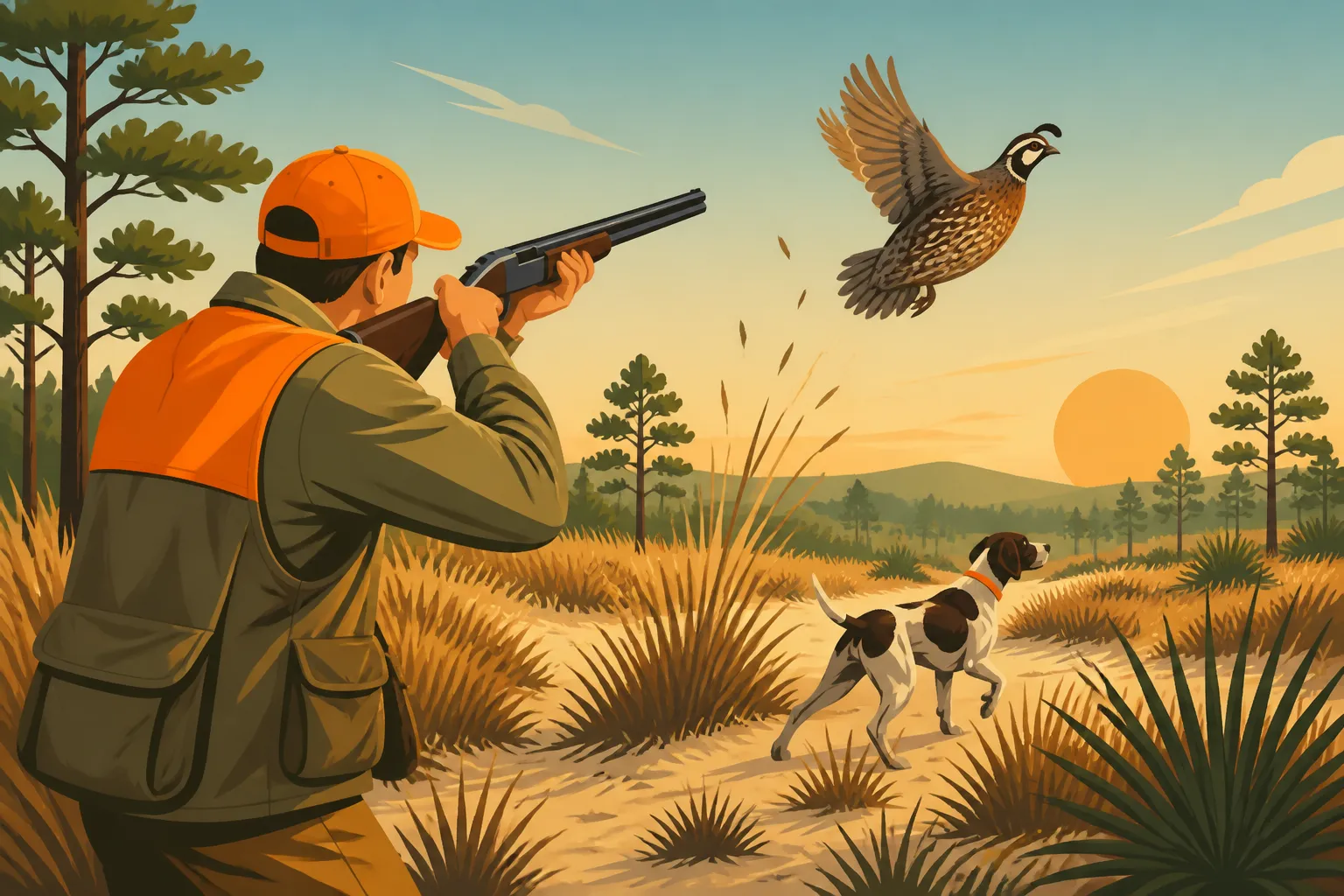
The most common and often most effective way to hunt quail in the Sandhills is by walking them up, typically with the aid of well-trained bird dogs. Pointing breeds like English Setters or German Shorthaired Pointers are invaluable here, covering ground efficiently and locking up on a covey before it flushes wild. Flushing dogs, like Springer Spaniels, can also be effective, especially in thicker cover, pushing birds out so you can get a shot. Hunting without dogs is certainly possible, but it requires an incredible amount of legwork and a very keen eye for subtle sign. You'll be essentially doing the dog's job of walking up the birds yourself, focusing on likely cover.
When hunting with dogs, or even without, move slowly and methodically, covering ground in a grid pattern where possible. Don't rush; pause frequently, listen for covey calls, and scan ahead for any movement. Quail are masters of camouflage and will often hold tight, only flushing at your feet or right under the dog's nose. For those working dogs, pay close attention to your dog's body language; a sudden change in behavior often indicates the scent of birds. Calling can sometimes be effective, especially if you know there are birds in the area but can't pinpoint them. A simple "covey call" or "whistle" can sometimes elicit a response, giving away their location. Remember, the goal isn't to walk as fast as possible, but to walk as smart as possible. For those interested in using canines, a review of Bird Dog Gear for North Carolina Cover might be helpful.
Essential Gear and Safety Considerations
Quail hunting in the Sandhills isn't typically a gear-heavy endeavor, but having the right essentials can make a huge difference in comfort, effectiveness, and most importantly, safety. You're covering ground, often in challenging terrain, and being prepared for whatever the day throws at you is paramount.
Shotguns, Ammunition, and Choke Selection
For bobwhite quail, a fast-handling shotgun is key. The birds flush quickly and can be gone in a flash, so you need a firearm that comes to the shoulder naturally and points instinctively. Many hunters favor lighter gauges like a 20-gauge or even a 28-gauge, but a 12-gauge is perfectly fine, especially if you're comfortable with it. The reduced recoil of smaller gauges can make for a more enjoyable day, especially if you're planning on doing a lot of shooting.
| Shotgun Gauge | Typical Use Case | Choke Recommendation | Common Shot Size |
|---|---|---|---|
| 12 Gauge | Versatile, most common, powerful | Improved Cylinder / Modified | 7.5, 8 |
| 20 Gauge | Lighter, less recoil, quick handling | Improved Cylinder / Skeet | 7.5, 8 |
| 28 Gauge | Very light, quick, classic upland | Skeet / Improved Cylinder | 8, 9 |
| .410 Bore | Expert, very challenging, light | Full | 8, 9 |
As for ammunition, stick with smaller shot sizes – typically 7 ½ or 8 shot. These loads carry plenty of pellets for the small quail, ensuring a good pattern without over-penetrating. For chokes, open patterns are generally preferred for close-flushing birds. An improved cylinder or skeet choke is often ideal, allowing your pattern to open up quickly to cover those fast, close shots. If you're consistently getting longer shots, a modified choke might be considered, but for most Sandhills quail, you'll want something that throws a wider pattern at 20-30 yards. Many of these recommendations are similar to those for Shotguns for North Carolina Grouse and Dove, though specific chokes might vary slightly.
Footwear, Hydration, and Blaze Orange
Your feet are your most important tool when quail hunting, so invest in comfortable, supportive, and snake-proof boots. The Sandhills are home to venomous snakes, and while they're often dormant during the cooler quail season, it's always better to be safe than sorry. Look for boots with good ankle support, as you'll be walking over uneven terrain, through sandy areas, and potentially through briars and thickets. Lightweight, breathable materials are a plus, as even in winter, you can work up a sweat covering miles.
Hydration is also critical. Even on cooler days, walking extensively through sandy soil can be dehydrating. Carry plenty of water for yourself and any canine companions. A small backpack or vest with water bladder compatibility is ideal. Finally, and this cannot be stressed enough, wear blaze orange. North Carolina law requires a certain amount of blaze orange to be visible from all sides when hunting big game, and while quail are small game, wearing orange is simply smart safety when hunting in shared public spaces, especially during overlapping seasons. Ensure you and everyone in your party is highly visible. This is non-negotiable for safety, especially with other hunters, bird dogs, and even hikers or mountain bikers potentially sharing the land.
Challenges and Rewards of Sandhills Quail Hunting
Let's be real: quail hunting isn't easy, and it certainly isn't for the faint of heart. North Carolina's bobwhite populations have faced significant declines over the past decades, making every covey find a true victory. However, the Sandhills Game Land offers a glimpse into what dedicated habitat management can achieve, and the rewards of chasing these wild birds are deeply satisfying.
Facing Pressure and Declining Populations
The harsh reality is that wild bobwhite quail populations across North Carolina, and much of the Southeast, have been in decline for many years. Habitat loss, changes in agricultural practices, and increased predation pressure have all played a role. This means that hunters on the Sandhills Game Land, or any public land, need to adjust their expectations. You're not going to find coveys on every field edge like hunters once did. This decline makes every flush that much more special and every covey found a testament to the efforts of conservationists and the resilience of the birds themselves.
Public land, by its nature, also sees hunting pressure. Especially on opening weekend or prime days, you'll likely encounter other hunters, some with dogs, others walking. This pressure can make birds wilder and harder to find. It's why effective scouting and a willingness to walk further, away from obvious access points, can make a difference. Don't be discouraged if you don't find birds immediately. Keep moving, keep looking for good habitat, and remember that consistent effort often pays off. Understanding the challenges faced by North Carolina quail adds a layer of appreciation for these birds.
The Satisfaction of a Wild Bobwhite Flush
Despite the challenges, there's nothing quite like the explosive flush of a wild covey of bobwhites. It's a sound that instantly electrifies your senses, a moment of pure adrenaline and excitement. After hours of walking, reading the cover, and watching your dog work, that sudden eruption of birds from the wiregrass is what keeps upland hunters coming back year after year. It's a fleeting moment, often over in seconds, but the memory lingers, pulling you back to the longleaf pines.
Hunting quail in the Sandhills isn't just about the birds; it's about the experience. It's about walking through a beautiful, unique ecosystem, hearing the wind whisper through the pines, and observing the incredible work that goes into habitat restoration. It's a physically demanding sport, but the rewards are immeasurable – the camaraderie with hunting partners, the bond with your dog, and the deep satisfaction of connecting with nature on its own terms. Every covey rise is a triumph, a sign that the efforts to preserve this iconic game bird are making a difference, and a reminder of the wild beauty North Carolina still holds. For those who yearn for the classic Southern quail hunt, the Sandhills Game Land, though challenging, offers a truly authentic and deeply rewarding experience.
Disclaimer
This article is for general informational purposes only and does not constitute professional advice. Laws, prices and regulations vary by location and change over time. Consult a qualified professional for guidance on your specific situation.