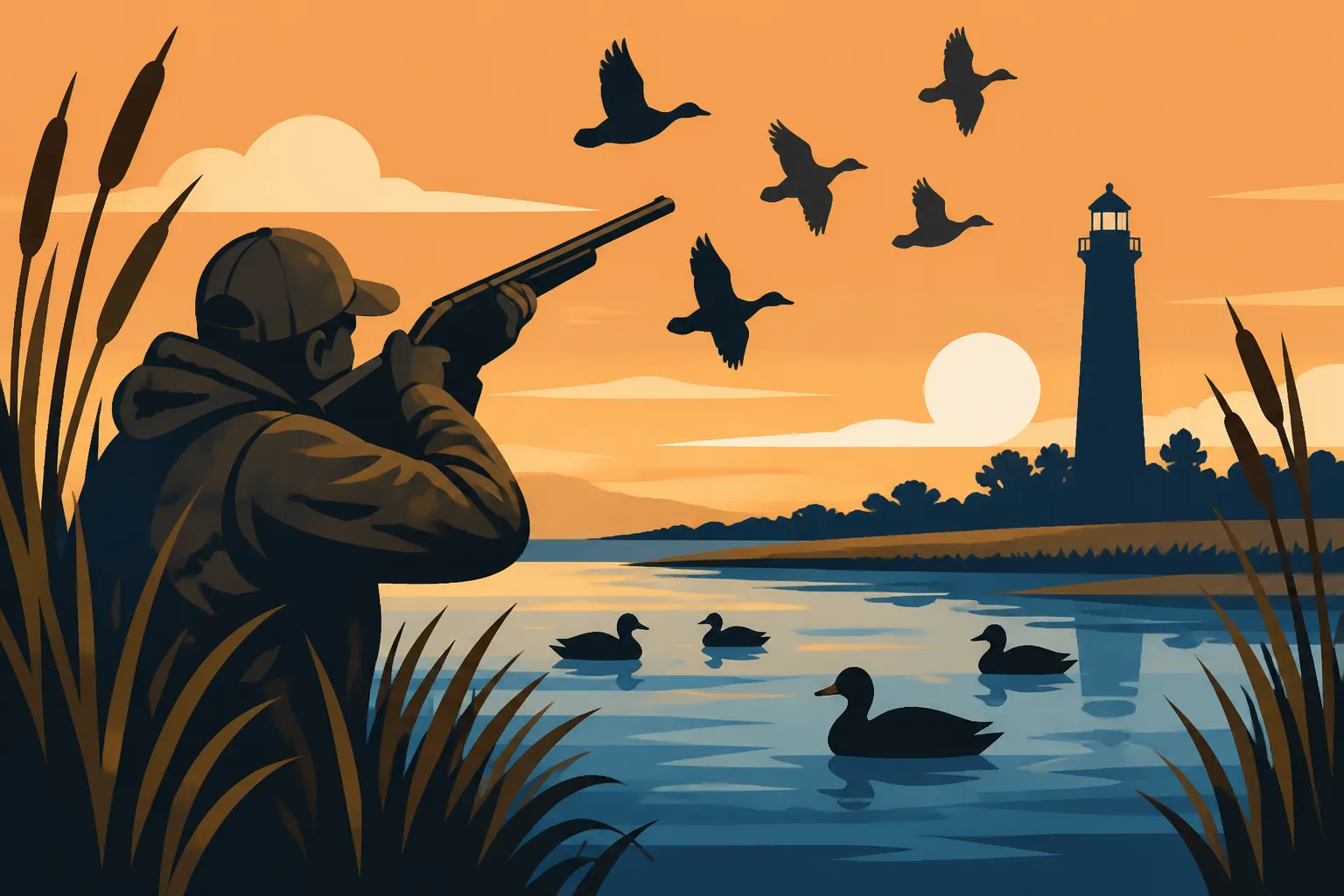
Currituck National Wildlife Refuge Waterfowl Access
There's a special kind of excitement, and sometimes a whole lot of frustration, that comes with dreaming of a waterfowl hunt on a legendary spot like the Currituck National Wildlife Refuge. Its reputation for incredible bird numbers is well-deserved, but actually getting out there and hunting it effectively? That's a different story, filled with complex permits, specific access rules, and the sheer challenge of navigating its unique environment. This guide is here to demystify waterfowl hunting access on the Currituck National Wildlife Refuge, giving you the detailed breakdown you need to plan a successful and enjoyable experience.
The Reality of Waterfowling the Refuge
Let's be honest, hunting federal refuges isn't like walking into your local game lands. There's a whole different level of bureaucracy and specific rules that can make your head spin if you're not prepared. Currituck National Wildlife Refuge is no exception, but with a clear understanding, it's absolutely manageable and incredibly rewarding. Many hunters get discouraged before they even start, hearing whispers of complicated drawings and limited opportunities. We'll cut through that noise and lay out exactly what you need to know.
Understanding the Permit and Drawing System
The first hurdle for many aspiring Currituck waterfowl hunters is the permit system. You can't just show up with your shotgun and decoys and expect to hunt. The refuge operates a specific permitting process, often involving a lottery or drawing for designated hunt days or blinds. This system is designed to manage hunter pressure, protect the resource, and ensure a quality experience for those who are drawn. It can feel a bit like winning the lottery just to get a spot, and that's a common frustration!
Typically, you'll need to keep a close eye on the refuge's official announcements, which outline the application period, specific hunt dates, and any associated fees. This isn't a "set it and forget it" kind of application; you need to be diligent about checking their website or signs for current details. Often, these applications open well in advance of the season, sometimes in late summer or early fall, so planning ahead is paramount. Missing a deadline means missing the entire opportunity for that season.
Once you submit your application, it's a waiting game. If you're selected, you'll receive notification detailing your assigned hunt area or blind, the specific date(s), and any other instructions. It's not uncommon for these permits to be for specific species or to have limitations on the number of hunters in your party. Remember, this isn't just a piece of paper; it's your golden ticket to a truly special hunting experience, so make sure you understand every condition attached to it.
Navigating Specific Zone Regulations
Currituck National Wildlife Refuge isn't one monolithic hunting ground; it's often divided into various zones, each with its own set of rules and sometimes even different season dates or bag limits than the broader North Carolina Coastal Duck Zone Rules. This zoning is crucial for managing diverse habitats and wildlife populations within the refuge. For example, some areas might be open only for specific waterfowl species, while others might be completely closed to hunting to serve as resting sanctuaries for migratory birds.
These zone-specific regulations can dictate everything from legal shooting hours to whether you can use a dog, or even the type of decoys you can deploy. It’s absolutely vital to study the refuge's hunting brochure or regulations map before you even apply, and definitely before you step foot on the property. What's legal in one section of the refuge might be a serious violation just a few hundred yards away. This attention to detail can prevent a disappointing, or even legally problematic, end to your hunt.
Beyond the refuge-specific rules, always remember that you're still under the umbrella of state and federal migratory bird regulations, including the North Carolina Duck and Goose Bag Limits and the mandatory North Carolina Federal Duck Stamp Requirement. Federal refuges often layer their own rules on top of these, so don't assume state regulations are the only ones you need to follow. A thorough understanding of all applicable laws ensures not only a legal hunt but also contributes to the conservation efforts the refuge is designed to uphold.
Critical Access and Transport Considerations
Currituck National Wildlife Refuge, being largely a barrier island and sound ecosystem, presents unique challenges when it comes to simply getting to and from your hunting spot. This isn't a place where you typically drive right up to a blind. Access is often by boat, and the type of boat, its size, and even its motor can be regulated. This immediately sets it apart from many other public hunting areas in North Carolina.
You'll need to carefully review regulations regarding boat ramps, horsepower restrictions, and designated travel lanes within the refuge. Shallow water, hidden stumps, and shifting sandbars are common in Currituck Sound, making navigation tricky, especially in the dark pre-dawn hours. A reliable, shallow-draft boat capable of handling the open water conditions of the sound, and perhaps navigating tight marsh channels, is often essential. Even once you reach your general hunting area, getting into specific blind sites might require a smaller craft or even pushing a canoe or kayak through thick vegetation.
Parking for trailers and vehicles is usually limited to designated access points, so understanding where you can launch and leave your vehicle safely and legally is key. Many hunters choose to stay in nearby towns like Corolla or Knotts Island, allowing for early morning launches. Remember that the journey to the blind can be a significant part of your hunt planning, often taking an hour or more from the launch point. Planning your route, checking marine forecasts, and ensuring your boat is in top condition are not optional steps when hunting the Currituck National Wildlife Refuge.
What Makes Currituck NWR So Special (and Challenging)
Currituck National Wildlife Refuge isn't just another hunting spot; it's a vital piece of the Atlantic Flyway, a critical wintering ground for countless migratory waterfowl. This unique ecological position is what makes it so appealing to hunters, but also what makes it so sensitive and, at times, challenging to navigate. Understanding the environment is just as important as understanding the rules.
The Unique Ecology of the Sound and Marsh
The Currituck National Wildlife Refuge spans a fascinating blend of habitats, from the vast, brackish waters of Currituck Sound to the dense maritime forests of the Outer Banks, and extensive freshwater and brackish marshes. This mosaic of ecosystems provides everything migratory birds need: diverse food sources, sheltered resting areas, and secure nesting grounds. The sound itself is relatively shallow, fostering lush submerged aquatic vegetation (SAV) like sago pondweed and wild celery, which are prime food sources for diving ducks.
The marsh edges, interspersed with stands of cattail, phragmites, and even some cypress, provide vital cover and feeding areas for dabbling ducks and geese. This variety means you'll encounter a wide array of species, but it also means that birds can be spread out across vast, often inaccessible areas. Hunters must learn to read the subtle cues of the landscape and water to locate concentrations of birds. The constant interplay between freshwater input, saltwater influence from the ocean, and daily tidal fluxes creates a dynamic environment that constantly changes how and where birds feed and rest.
Navigating this intricate web of waterways and vegetation demands respect and preparation. Channels can silt up, new sandbars can form, and dense marsh grass can obscure vision. Using a reliable GPS device with detailed maps, like those found on the onX Hunt app, can be invaluable for pinpointing your location, marking channels, and understanding property lines within the refuge. Without this ecological understanding, you might find yourself in prime habitat with no birds, or surrounded by birds you can't access.
Key Waterfowl Species You'll Encounter
One of the major draws of Currituck National Wildlife Refuge is the sheer diversity and abundance of waterfowl it attracts. It's not uncommon to see several different species in a single day, from large ducks to various geese. This provides fantastic opportunities for hunters but also requires a good understanding of identification and behavior.
You'll certainly encounter a healthy population of dabbling ducks, such as mallards, gadwalls, wigeon, and pintails, especially in the shallower, vegetated marshes and impoundments. These birds are often associated with the classic marsh hunting experience, jumping up from thick cover or decoying to shallow spreads. However, Currituck Sound is arguably most famous for its diving duck populations. Canvasbacks, redheads, bluebills (scaup), and buffleheads can be present in staggering numbers, especially during the peak migration periods. Hunting Currituck Sound Diving Ducks often involves larger, more open-water spreads designed to catch the attention of birds flying high over the vast sound.
Canada geese are also common visitors, particularly in agricultural fields adjacent to the refuge or resting on the open sound. Snow geese can make an appearance, though usually in smaller numbers compared to other areas. Successfully hunting these varied species often means tailoring your approach, from decoy spreads to calling techniques, to match the behavior of the birds you're targeting. Being adaptable and having the right gear for both dabblers and divers will significantly increase your odds.
Weather, Tides, and Their Impact on Your Hunt
Hunting waterfowl on the Currituck National Wildlife Refuge is an experience deeply tied to the elements. Unlike hunting in a timber stand, where weather primarily affects comfort, here, it dictates bird movement, water levels, and even your ability to safely navigate. The unpredictable nature of coastal weather can quickly turn a calm morning into a challenging, even dangerous, situation.
Strong winds are perhaps the most significant factor. Nor'easters or strong westerly winds can whip the shallow waters of Currituck Sound into a frenzy, making boat travel hazardous and often pushing birds into more sheltered areas. These winds can also dramatically affect water levels, either pushing water out of the marshes and leaving vast mudflats, or piling it up, flooding areas that were previously dry. Understanding Wind and Thermals on a Blue Ridge Slope might seem different, but the principle of how wind influences game movement and hunter access is just as critical here.
Temperatures, especially during late season, can plunge, leading to ice formation in shallower areas. Ice can lock up feeding grounds, force birds into open water, and create significant challenges for boat navigation. On the flip side, mild weather can keep birds scattered and less active, making them harder to decoy. Always check the marine forecast in addition to the standard weather forecast. Pay close attention to wind speed and direction, as well as predicted tides and water levels, as these will directly impact your huntable areas and how you plan your approach.
Essential Gear for a Successful Currituck Hunt
A successful waterfowl hunt on the Currituck National Wildlife Refuge relies heavily on having the right gear. This environment demands robust, reliable equipment that can stand up to the elements and the unique challenges of marsh and open water hunting. Skimping on essentials here can turn a dream hunt into a miserable ordeal.
Decoys, Blinds, and Concealment Strategies
Decoys are your primary tool for attracting birds on the refuge. Given the variety of species, a mix of decoys is often beneficial. For the open waters of Currituck Sound, large spreads of diving duck decoys are often employed, sometimes numbering in the dozens, featuring species like canvasbacks, redheads, and bluebills. These are designed for visibility from a distance, mimicking large rafts of feeding or resting birds. Decoy Spreads for Currituck Sound Divers often involve long lines or large clusters to maximize their presence.
For marshier, shallower areas, dabbling duck decoys – mallards, gadwalls, wigeon – are more appropriate, often set in smaller, more natural feeding spreads. Motion decoys, such as spinning wing or flapping wing designs, can be incredibly effective at drawing attention, especially on calm days. Remember to always check refuge regulations regarding motorized or spinning decoys, as some areas may have restrictions.
Concealment is paramount. Blinds on Currituck NWR can range from natural vegetation you've carefully brushed up (always check regulations on blind construction or modification), to portable layout blinds on shores or in shallow water, or even permanent blinds you've drawn a permit for. Brushing In a Blind on a Field Edge is a good skill to adapt here. The goal is to disappear into the landscape, breaking up your outline against the horizon. For boat hunting, boat blinds are essential, designed to blend your vessel into the marsh or open water. Natural materials like marsh grass, cattails, or even burlap can be used to augment your concealment, ensuring that wary birds don't flare.
Boats, Motors, and Navigational Tools
As mentioned, a boat is often your lifeline for accessing and hunting the Currituck National Wildlife Refuge. This isn't just any boat; it needs to be suited for the conditions. A shallow-draft jon boat, often 16-18 feet in length, with a reliable outboard motor (and a backup trolling motor or push pole), is a common choice. The ability to run in shallow water and navigate through thick marsh grass is critical. Your boat also needs to be stable enough to handle choppy conditions on the open sound, especially if winds pick up.
Beyond the boat itself, dependable navigational tools are indispensable. A good GPS unit or a mapping app like onX Hunt on your smartphone or tablet can be a game-changer. These tools allow you to mark your launch point, navigate marked channels, identify shallow areas, and stay within refuge boundaries and designated hunting zones. Having an offline map capability is crucial, as cell service can be spotty in remote parts of the refuge. Don't forget a compass and paper map as a backup, just in case technology fails.
Other essential boat gear includes an anchor (or two, for anchoring in current or wind), a push pole for maneuvering in shallow water or through thick vegetation, life jackets for everyone on board, and all required safety equipment (lights, whistle, fire extinguisher). For early morning or late evening runs, powerful spotlights or headlamps are necessary for safe navigation. Make sure your fuel tank is full, and consider carrying extra fuel in a separate, approved container – you don't want to run out miles from the nearest ramp.
Clothing, Waders, and Cold-Weather Preparedness
Hunting waterfowl, especially in a coastal environment, demands serious attention to your clothing system. You'll be exposed to cold, wind, and often wet conditions for extended periods. Layering is key, allowing you to adapt to changing temperatures and activity levels. Start with a moisture-wicking base layer to draw sweat away from your skin, followed by insulating mid-layers like fleece or wool to retain warmth. For the outer layer, you need something that is waterproof, windproof, and durable.
Waders are non-negotiable for hunting Currituck. You'll be standing in water, launching boats, setting decoys, and retrieving birds. Neoprene or breathable chest waders are essential, and they need to be well-insulated if you're hunting in late fall or winter. Invest in good quality, waterproof boots within your waders to keep your feet warm and dry. Nothing saps morale faster than cold, wet feet. Consider wearing wool socks, as they retain warmth even when damp. Waders for Sound-Side Marsh Hunting are a critical piece of gear for any serious waterfowler here.
Don't forget accessories like waterproof gloves, a warm hat (many hunters prefer blaze orange or pink for safety, even under a camo hood), and face concealment. A waterproof bag for electronics, extra layers, and snacks is also a smart addition. For very cold days, hand warmers can make a significant difference in comfort and dexterity. Remember, you'll often be sitting still for long stretches, so over-dressing is better than under-dressing when it comes to staying warm and focused on the hunt.
Tactics for Connecting with Birds on the Refuge
Once you've navigated the permits, understood the regulations, and gathered your gear, the real fun begins: the hunt itself. But even with all the preparation, successfully decoying and shooting birds on a public refuge like Currituck requires a blend of savvy tactics, patience, and adaptability.
Decoy Spreads for Divers and Dabblers
Your decoy spread is your conversation starter with passing birds. For dabbling ducks in the marshes and shallower areas, a natural-looking spread mimicking feeding birds is often effective. Think smaller numbers, with some decoys placed in feeding positions (heads down), and scattered randomly rather than in tight groups. Adding a few confidence decoys, like coots or geese, can make your spread seem more inviting. Using jerk strings or small motion devices can add lifelike movement, especially on calm mornings when static decoys look unnatural.
When Hunting Currituck Sound Diving Ducks, you'll likely need a much larger and bolder spread. Divers often fly high and are attracted to large congregations of birds on open water. Long lines of decoys extending out from your blind, or large "U" or "J" shaped spreads, are common. The goal is to create a landing zone in the curve of the spread, directly in front of your blind. Spreads of 50, 100, or even more decoys are not unheard of for diver hunters seeking to catch the eye of birds flying over the vast sound. Remember to anchor your decoys securely, as Currituck Sound can get rough.
The key to any spread is realism and placement. Observe how live birds are feeding and resting in the area and try to replicate it. Consider the wind direction – birds almost always land and take off into the wind. Set your decoys so that incoming birds are working into the wind, presenting a natural approach to your shooting lane.
Calling Strategies for Wary Birds
Calling waterfowl on a public refuge, where birds are often educated and pressured, requires a nuanced approach. Loud, aggressive calling might work on unpressured birds, but on Currituck, it can often flare them. Subtlety and realism are often more effective. For dabblers, mastering the basic quack, feeding chuckle, and comeback call is essential. Use these sparingly, focusing on getting their attention and then letting the decoys do the work. If birds are heading your way, a few soft quacks are often all that's needed.
For diving ducks, calling is generally less critical than a good decoy spread, but specific calls can still be useful. A diver whistle or the low growl of a bluebill call can help pull birds closer or confirm their interest. The key is to read the birds' reactions. If they're responding positively, continue calling softly. If they're flaring or ignoring you, try a different call or go silent. Over-calling is a common mistake that can ruin a hunt.
Learning to call realistically takes practice, not just in the off-season, but also by listening to live birds. Understand the different vocalizations and when to use them. Carrying a variety of calls – a versatile duck call, a goose call if targeting geese, and maybe a diver whistle – allows you to adapt to the birds you're seeing and their current mood. Don't be afraid to experiment, but always err on the side of caution with volume and frequency.
Scouting, Reading the Water, and Adapting
Perhaps the most critical tactic for success on Currituck National Wildlife Refuge is thorough scouting and the ability to adapt. This isn't a "show up and shoot" kind of place. Birds move based on food availability, water levels, hunting pressure, and weather. What was a hot spot yesterday might be barren today.
Pre-season scouting, even if only via maps, is vital. Use tools like the onX Hunt app to study aerial photos, identify potential roosting and feeding areas, note channels and shallow water, and understand the boundaries of huntable zones. During the season, if possible, spend time observing bird activity from a distance. Where are they flying? Where are they resting? What direction are they coming from? This information is invaluable for choosing a location for your hunt.
Once you're hunting, constantly read the water and the sky. Are birds working your spread, or are they shying away? Is the wind picking up, potentially making your blind less effective? Be prepared to adjust your decoy spread, change your calling strategy, or even move your blind if the birds aren't cooperating. Reading a Sound-Side Marsh for a Morning Flight is a skill honed through experience, learning to anticipate bird movements based on conditions. The most successful Currituck waterfowlers are those who are flexible, observant, and willing to put in the effort to find the birds, rather than waiting for the birds to find them.
Beyond the Hunt: Rules, Reporting, and Preservation
The hunt itself is only one part of the experience on Currituck National Wildlife Refuge. To ensure this incredible resource remains vibrant for generations to come, and to avoid any legal issues, it’s crucial to understand your responsibilities beyond just shooting and retrieving. Every hunter plays a role in the preservation and management of this unique ecosystem.
Harvest Reporting and Its Importance
One of the most critical, yet sometimes overlooked, responsibilities of a waterfowl hunter on the Currituck National Wildlife Refuge is harvest reporting. Federal refuges often have very specific requirements for reporting your take, distinct from statewide reporting requirements. This data is absolutely vital for wildlife biologists and managers. It allows them to accurately assess waterfowl populations, understand migration patterns, and make informed decisions about future hunting seasons and bag limits.
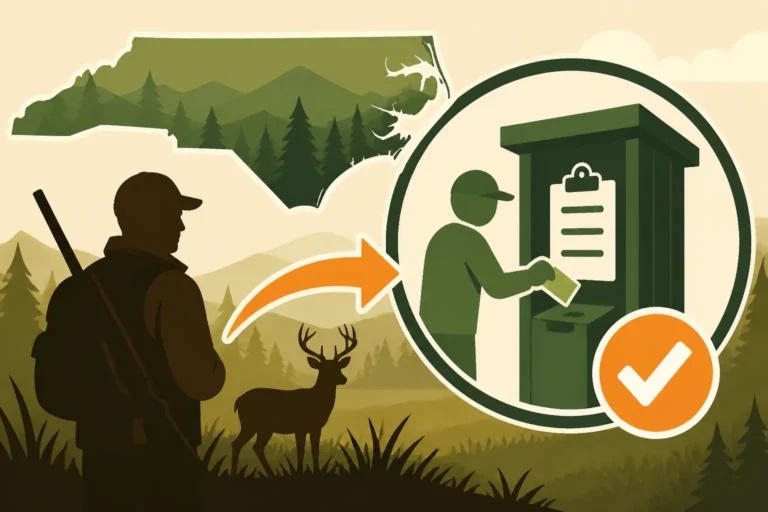
Typically, this will involve either an online reporting system or a physical check-in/check-out station where you record the number and species of birds harvested. You might also be asked to provide details on hunt duration or effort. This isn't just bureaucratic red tape; it's a direct contribution to conservation. Without accurate harvest data, management decisions are less precise, potentially impacting the health of the resource and future hunting opportunities. So, when you've had a successful hunt, make sure you take the time to correctly report every bird.
Remember that failure to report your harvest as required can result in penalties, including fines and the loss of future hunting privileges on the refuge. It’s a simple step that has a huge impact, demonstrating a commitment to ethical hunting and responsible resource stewardship. Always confirm the specific reporting method and deadline for the Currituck National Wildlife Refuge before you even head out for your hunt.
Refuge-Specific Ethics and Best Practices
Hunting on a National Wildlife Refuge comes with a higher expectation of ethical behavior and adherence to best practices. These areas are managed for a variety of purposes beyond just hunting, including wildlife observation, environmental education, and habitat preservation. This means your actions directly impact not only other hunters but also other visitors and the wildlife itself.
A prime example is showing respect for other hunters. Given that access is often limited and managed, you might be hunting in proximity to other parties. Maintaining appropriate distances, avoiding "sky-busting" (shooting at birds outside of effective range), and minimizing disturbance to nearby blinds are all part of good refuge etiquette. Always be aware of your surroundings and the presence of others. Loud music, excessive calling when birds aren't working your spread, or reckless boat operation can quickly ruin someone else's experience and reflect poorly on the hunting community.
Additionally, understanding and adhering to regulations on trash, spent shells, and off-limit areas is crucial. "Leave No Trace" is not just a suggestion on a refuge; it’s a rule. Every spent shotgun shell, every piece of food wrapper, and every discarded fishing line needs to come out with you. This attention to detail protects the pristine environment and ensures that the refuge remains a beautiful and productive place for all its users.
Protecting This Unique Resource for Future Generations
Ultimately, hunting on the Currituck National Wildlife Refuge is a privilege, not a right. Its continued availability for hunting depends on the collective responsibility of all users. By understanding and respecting the intricate rules, diligently reporting your harvest, and upholding the highest ethical standards, you are directly contributing to the long-term health and accessibility of this irreplaceable resource.
Think of yourself as a steward of the sound and marsh. Your actions today will influence the experiences of hunters and wildlife enthusiasts decades from now. This includes understanding the impact of your equipment, such as ensuring your boat motor isn't leaving excessive oil or fuel in the water, or being mindful of introducing invasive species via your boat or waders. Education is also part of this responsibility; sharing knowledge about refuge rules and ethics with newer hunters helps foster a culture of conservation.
The Currituck National Wildlife Refuge provides a glimpse into the wild heart of coastal North Carolina, a place where the rhythms of migration are still strong. By embracing the challenges and respecting its unique demands, we ensure that the thrilling flight of ducks and geese over the sound will continue to call hunters back year after year. It's a challenging but deeply rewarding place, and one well worth the effort to preserve.
Currituck National Wildlife Refuge Waterfowl Hunting: Key Considerations
| Aspect | Key Considerations |
|---|---|
| Access & Permits | Requires a specific refuge permit, often obtained via a lottery or drawing. Check official refuge website for application periods, specific hunt dates, and any fees. Access is primarily by boat; understand boat restrictions (e.g., horsepower, designated travel lanes). |
| Regulations | Adhere to refuge-specific hunting regulations, which overlay state and federal migratory bird laws. Understand zone divisions within the refuge, specific hunt dates, shooting hours, and bag limits (e.g., North Carolina Duck and Goose Bag Limits). Mandated harvest reporting is critical. |
| Environment | Navigate shallow, brackish waters of Currituck Sound, dense marshes, and potential hidden obstacles. Weather (wind, cold, ice) and tide significantly impact bird movement and safe navigation. Cell service can be unreliable in remote areas. |
| Target Species | Expect a diverse mix, predominantly dabbling ducks (mallards, gadwalls, wigeon) in marshes and high numbers of diving ducks (canvasbacks, redheads, scaup) on the open sound. Canada geese are also common. |
| Essential Gear | Reliable, shallow-draft boat with adequate motor and backup. Extensive decoy spreads (large for divers, natural for dabblers). Robust waterproof and windproof clothing, insulated chest waders. GPS with offline mapping (e.g., onX Hunt), compass, and all required safety equipment. Push pole for marsh navigation. |
| Tactics | Scouting (in-person or via maps) is crucial to locate active bird areas. Adapt decoy spreads to target species and conditions. Use realistic, often subtle, calling. Be prepared to adapt to changing weather, bird behavior, and hunting pressure. Focus on concealment in natural or boat blinds. |
| Ethics & Reporting | Uphold high ethical standards: respect other hunters, practice "Leave No Trace," and avoid disturbing wildlife. Mandatory harvest reporting is essential for refuge management and conservation efforts. |
Disclaimer
This article is for general informational purposes only and does not constitute professional advice. Laws, prices and regulations vary by location and change over time. Consult a qualified professional for guidance on your specific situation.