North Carolina Muskrat and Mink Trapping Trends
North Carolina muskrat and mink trapping traditions, historical contexts, and current wild fur market realities across diverse landscapes.
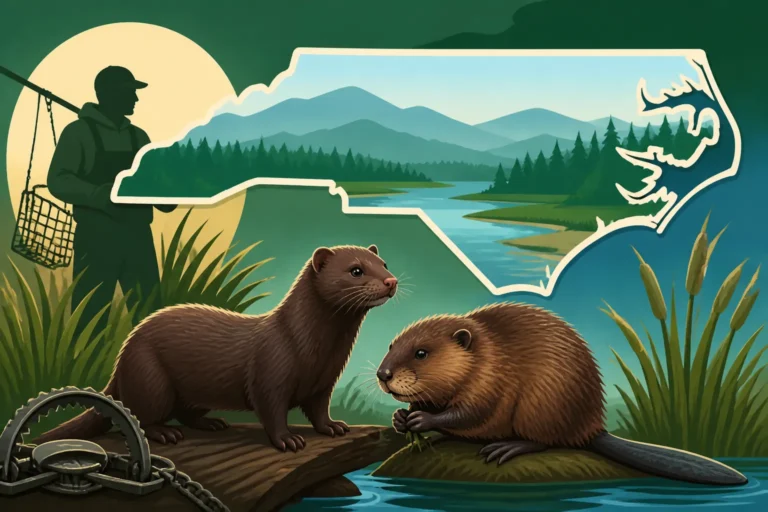
North Carolina muskrat and mink trapping traditions, historical contexts, and current wild fur market realities across diverse landscapes.
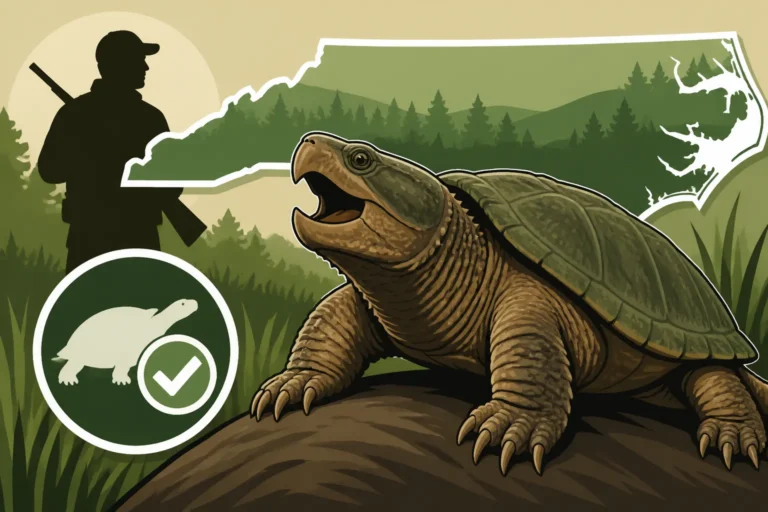
North Carolina snapping turtle harvest rules outline the August to May open season, daily bag limits, and legal possession limits.
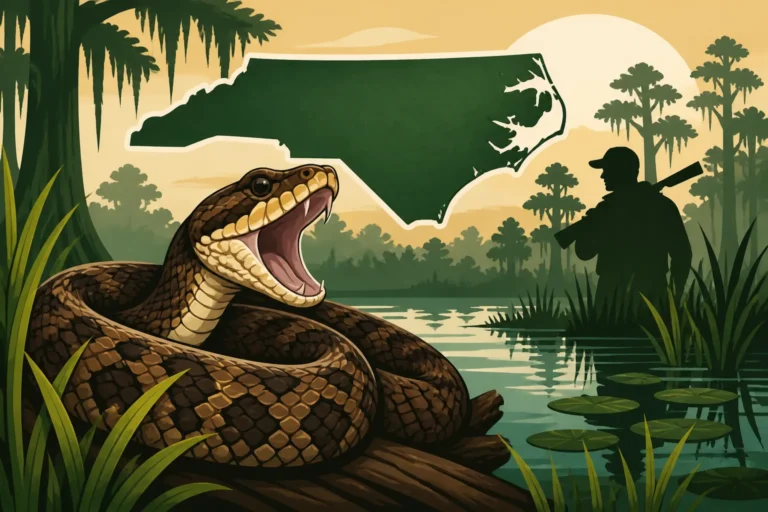
North Carolina eastern cottonmouth snakes inhabit Coastal Plain swamps, wetlands, slow rivers, bogs, and freshwater ponds.
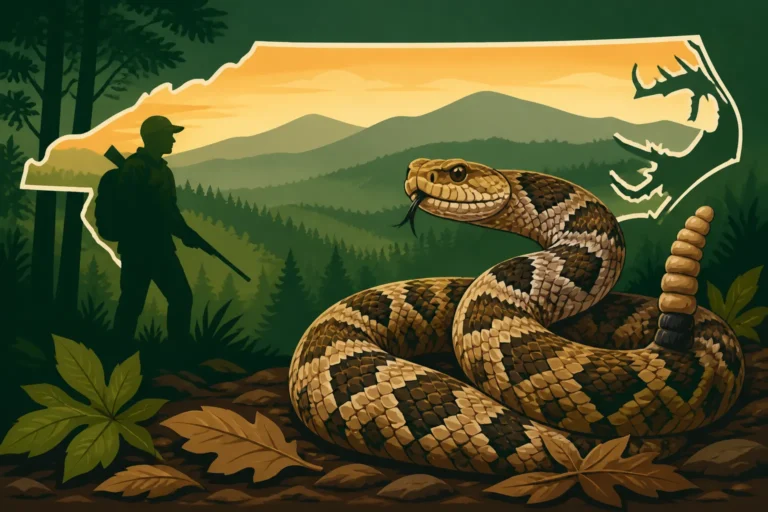
Eastern diamondback rattlesnake identification, distinct physical traits, and geographic differences from timber rattlesnakes in North Carolina.
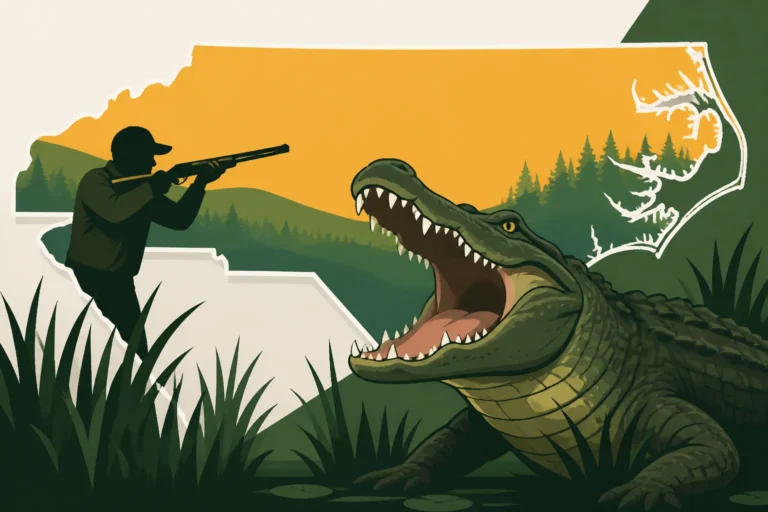
North Carolina alligator nuisance complaints, habitat ranges, and safety steps to protect families and pets from wildlife encounters.
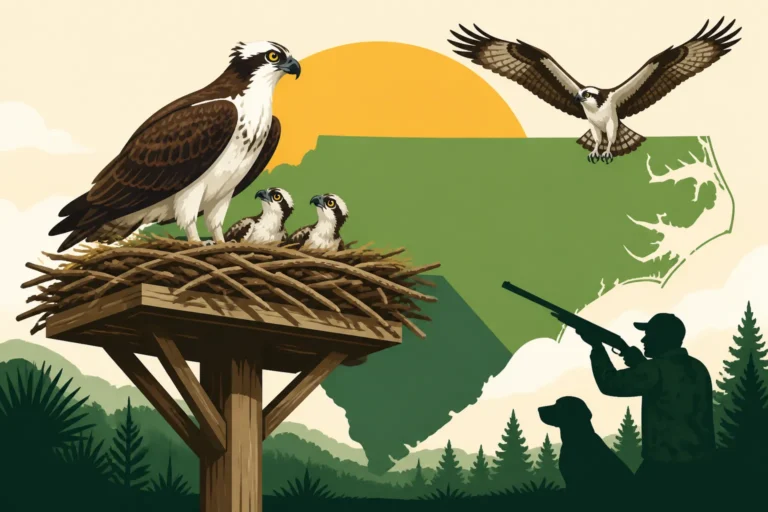
North Carolina osprey nesting platforms provide safe, elevated locations for fish hawks facing a loss of natural habitats.
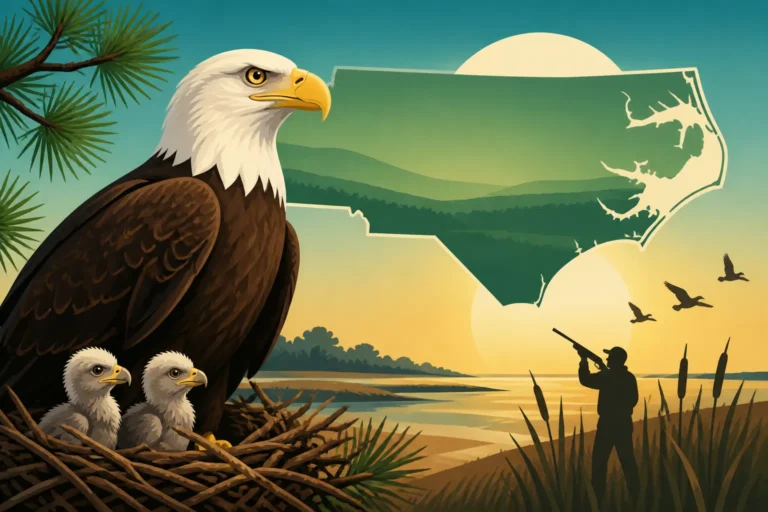
North Carolina bald eagle populations recovered after the banning of DDT and crucial legislative protections for endangered species.
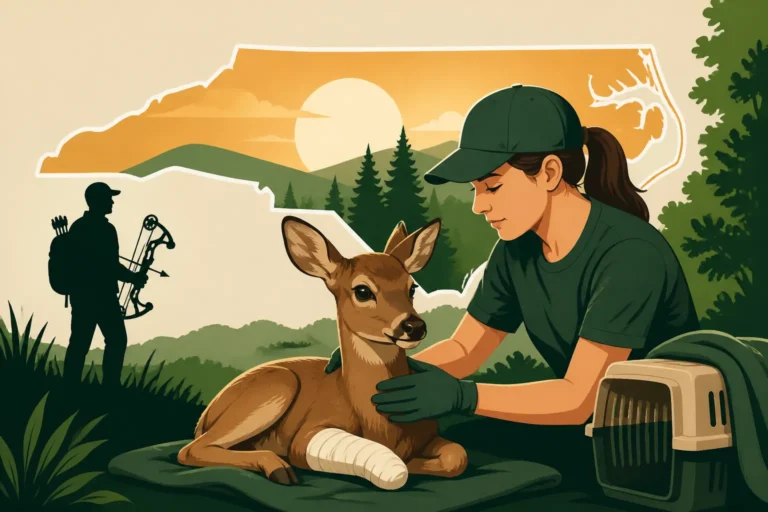
North Carolina wildlife rehabilitation steps explain how to safely approach injured game animals like deer, turkeys, and rabbits.
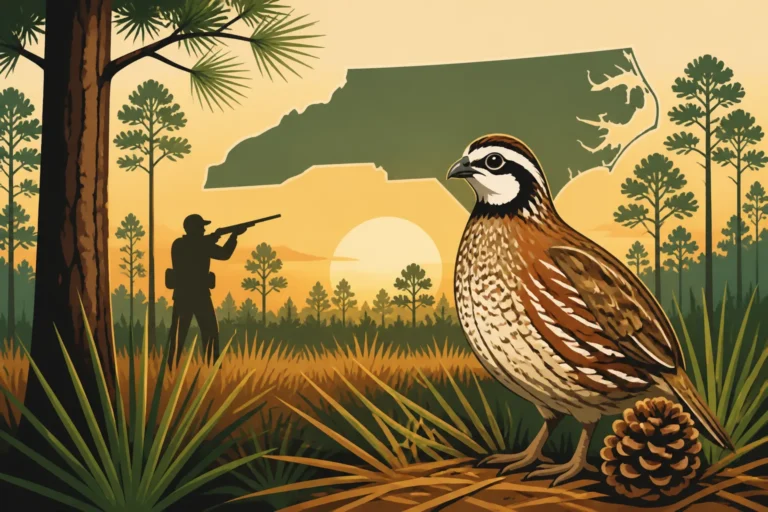
North Carolina longleaf pine ecosystems support bobwhite quail survival through habitat needs and historical landscape restoration efforts.
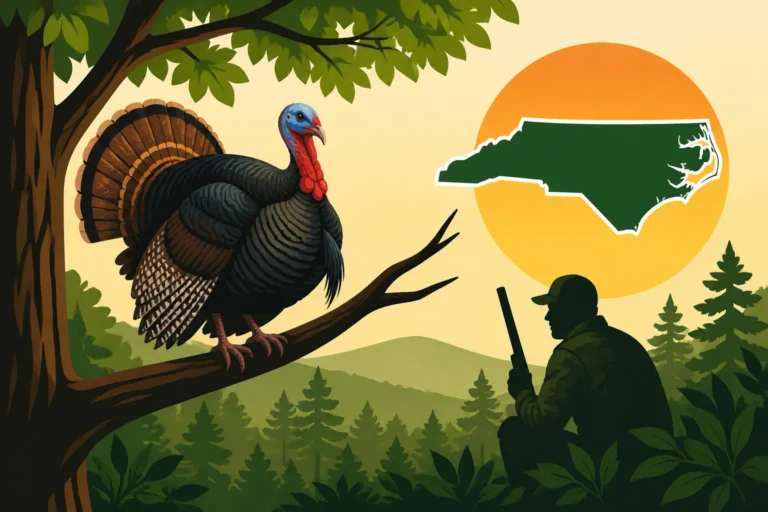
North Carolina turkey roost tree preferences and nighttime safety locations help hunters position themselves strategically before dawn.