Feral Swine Sightings in Central North Carolina
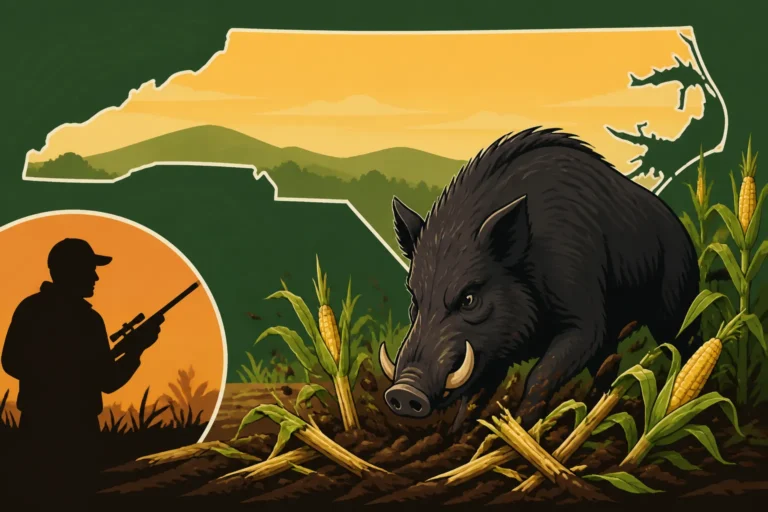
It’s a scenario playing out with increasing frequency across our beautiful state, and especially here in Central North Carolina: you’re out scouting a familiar woodlot, checking trail cameras, or even just driving down a rural backroad, and there it is – a group of dark, shaggy, wild pigs, rooting up a field or slipping into a thicket. Feral swine sightings in Central North Carolina used to be rare whispers, now they're becoming a frustrating reality for landowners and hunters alike. This guide dives deep into understanding where these destructive animals are popping up, how to identify their presence, and what steps you can take to report and manage them effectively, helping you protect your land and native wildlife.
Understanding the Spread of Feral Swine in Central North Carolina
The idea of wild hogs running rampant through our central counties might have seemed far-fetched a couple of decades ago, but here we are. It’s a real headache, and it's something we all need to get a handle on. These aren't just a nuisance; they're an ecological and agricultural disaster waiting to happen if left unchecked.
Historical Presence Versus Recent Expansion
Historically, feral swine in North Carolina were primarily a problem in the coastal plain, particularly in the vast, swampy pocosins and dense river bottoms. They were often tied to historical free-ranging livestock practices that, over generations, saw domestic pigs go wild. These populations were largely isolated to those harder-to-reach areas. Think about places like the Green Swamp or the massive tracts of public land in the east; that's where you'd typically find them.
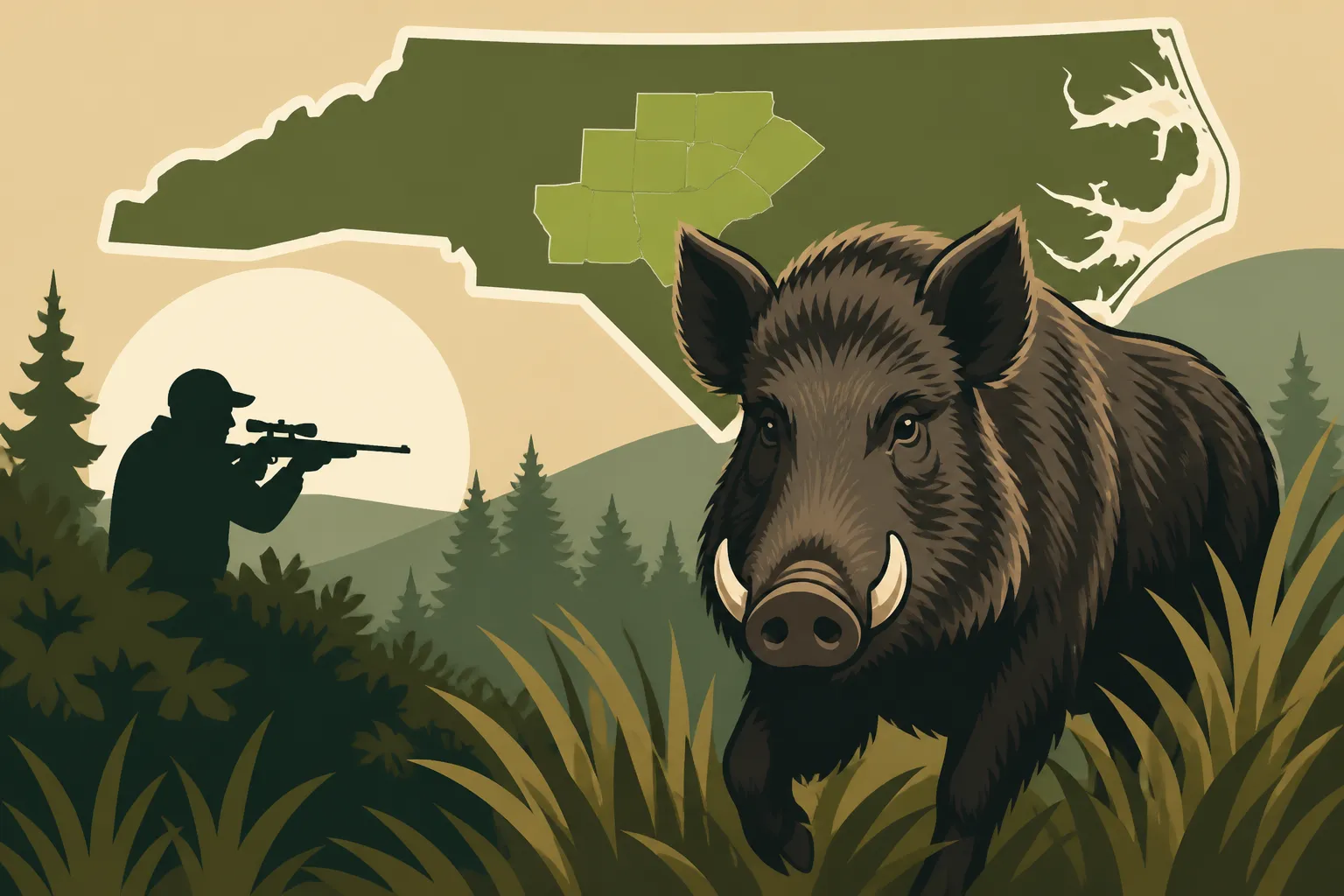
However, in recent years, we've witnessed a dramatic expansion. It's not just a slow creep; it feels like they've exploded across new territories. Central North Carolina, especially our Piedmont region, with its mix of farmland, hardwood forests, and suburban edges, is now experiencing this surge firsthand. Farmers are waking up to fields torn to ribbons, and hunters are finding new, unsettling sign in their usual deer woods. This expansion is a testament to their incredible adaptability and reproductive rates.
Pathways of Spread: Natural Movement and Unlawful Releases
So, how did these animals make their way from the dense coastal swamps to the rolling hills and agricultural hubs of the Piedmont? It's a combination of factors, but two main pathways stand out.
First, natural movement. Wild hogs are incredibly intelligent and resilient creatures. They're constantly exploring, looking for new food sources, water, and breeding opportunities. River systems, especially larger ones like the Cape Fear or Neuse, act like highways, providing natural corridors for them to travel long distances, often unnoticed, until they establish new populations in previously unaffected areas. A small group can travel dozens of miles in a short period if the conditions are right.
Second, and perhaps more insidious, are unlawful releases. While difficult to prove definitively, wildlife experts often cite illegal translocation by humans as a significant factor in the rapid spread of feral swine. Some individuals, unfortunately, intentionally move hogs to new areas, often for hunting purposes, completely disregarding the devastating impact these animals have on native ecosystems and agriculture. This practice is not only irresponsible but also illegal, and it's a huge part of why counties that never had a hog problem suddenly do. North Carolina's Year-Round Hog Rule on Private Land aims to combat some of the issues surrounding these animals, but their spread remains a challenge.
Why Central North Carolina is Becoming a Hotspot
Central North Carolina, encompassing the Piedmont region, offers a perfect storm of conditions for feral swine to thrive.
For starters, the habitat is incredibly diverse. We have vast agricultural lands – cornfields, soybean fields, peanut fields – providing an endless buffet of high-energy food sources. These crops offer not only sustenance but also dense cover for hiding and farrowing (giving birth). Adjacent to these fields are often tracts of mixed hardwood and pine forests, offering more cover, acorns, and water sources. This mosaic landscape allows hogs to feed heavily in fields at night and retreat to thick woods during the day.
Secondly, the human population density is higher here than in some of the more remote coastal areas or mountains. This might sound counterintuitive, but it often means more scattered small tracts of land, less consistent hunting pressure (at least historically, on hogs), and more opportunities for incidental sightings and, unfortunately, for those illegal releases to go undetected. Plus, with urban sprawl pushing into rural areas, hogs find new food sources in suburban green spaces and even backyard gardens, which can lead to alarming encounters. When you combine plentiful food, water, and cover with less historical pressure, it creates an ideal environment for rapid population growth. Feral Swine Sightings in Central North Carolina are becoming a stark reminder of these changing landscapes.
Identifying Feral Swine and Their Sign in the Piedmont
So, you've heard the stories, maybe even seen a blurry photo on a neighbor's phone. But how do you know for sure if those elusive shadows in the treeline are actually wild hogs? Knowing how to identify the animals themselves and, more importantly, the tell-tale signs they leave behind, is crucial for any hunter or landowner in Central NC.
Key Characteristics of Wild Hogs
Feral swine, often called wild hogs, razorbacks, or simply "pigs," can vary quite a bit in appearance, which sometimes leads to confusion. They're not always the sleek, black animals you might picture. Colors can range from black to brown, red, tan, or even spotted. What truly sets them apart from domestic pigs are some key physical characteristics.
Firstly, they tend to be leaner and more muscular than their farm-raised cousins. Their bodies are built for survival in the wild. Look for a longer snout, often more pointed, and a thicker, coarser coat of hair, sometimes with a "razorback" mane running down their spine. Their tusks are another dead giveaway – these are continuously growing canine teeth that protrude from their mouths, and they can be quite formidable, especially on older boars. They typically have smaller, more erect ears compared to many domestic breeds. Their tails are usually straight, not curly, and they'll often carry them low. If you're lucky enough (or unlucky enough) to get a good look, these features will confirm you're dealing with a truly wild animal. Feral Swine Genetics and Origin can tell you more about where these specific traits come from.
Recognizing Hog Sign: Tracks, Rubs, Wallows, and Rooting
Even if you don't see the hogs themselves, their presence is usually undeniable once you know what to look for. They are incredibly destructive animals, and they leave a distinctive trail of chaos.
- Rooting: This is perhaps the most obvious and widespread sign. Feral hogs use their powerful snouts to dig up soil, looking for roots, tubers, insects, and fungi. This leaves behind extensive areas of disturbed earth, looking like someone took a rototiller to your woods or fields. You’ll see overturned sod, mud, and exposed roots. This damage can range from small patches to acres of torn-up ground.
- Tracks: Hog tracks are similar to deer tracks but generally rounder and wider, with shorter, blunter toes. The dewclaws (the small, accessory hooves higher up the leg) are often visible in soft ground, especially on larger hogs, and they splay out more than a deer's, particularly when the animal is running or walking through soft mud.
- Wallows: Hogs love to wallow in mud or water, especially during warmer months, to cool down and get rid of parasites. These wallows are typically shallow depressions filled with muddy water, often near a water source like a creek or pond. You might see dried mud caked on nearby trees where they've rubbed after a good soak.
- Rubs: They'll also rub against trees, fences, or utility poles, especially after wallowing. This helps them remove mud, parasites, and shed hair. Look for mud smears, bristles, or even bark damage on trees, usually within a few feet of the ground.
- Scat: Their droppings are highly variable, depending on their diet, but often look like irregular clumps or segmented pellets. They can be hard to distinguish from deer scat sometimes, but given the presence of other hog sign, you can usually put two and two together.
Here’s a quick overview of what to look for:
| Sign Type | Description | Typical Location | Impact |
|---|---|---|---|
| Rooting | Large areas of disturbed soil, upturned earth, exposed roots | Agricultural fields, food plots, forest floors, creek bottoms, pastures | Destroys crops, damages soil, uproots native plants, creates erosion |
| Tracks | Rounder, wider hoof prints than deer, often with visible, splayed dewclaws | Muddy trails, creek banks, field edges, soft forest soil | Indicates presence and travel corridors |
| Wallows | Shallow depressions filled with muddy water, often with hog hair nearby | Near creeks, ponds, low-lying wet areas, drainage ditches | Contaminates water sources, creates breeding grounds for parasites |
| Rubs | Mud smears, hair, or bark damage on trees, fences, or posts | Near wallows, along trails, dense cover, utility poles | Marks territory, provides clues about hog size |
| Scat | Irregular clumps or segmented pellets, highly variable depending on diet | Along trails, feeding areas, near bedding sites | Confirms presence, can indicate diet |
Using Technology for Scouting and Tracking
In this day and age, we have tools that can really help pinpoint where these animals are active. Trail cameras are an absolute game-changer. Setting up cameras in areas with suspected hog activity – near rooting, wallows, or trails leading into dense cover – can confirm their presence, give you an idea of herd size, and even help you understand their movement patterns and peak activity times. Look for cameras with good night vision, as hogs are often most active after dark.
Mapping apps like GoHunt have become invaluable for hunters and landowners trying to understand their properties. You can use these apps to mark suspected hog sign, track observed rooting patterns over time, and identify potential travel corridors like creek drainages or dense thickets. Plotting these observations on an aerial map can reveal patterns you might otherwise miss, helping you focus your efforts. Knowing exactly where that fresh rooting appeared or where a rub tree is located can make all the difference. Scouting North Carolina Public Land Before Season becomes even more critical when hogs are a factor.
What to Do When You Spot Feral Swine: Reporting and Management
Seeing feral swine is alarming, but it’s important not to panic. There are clear steps you can take, both for reporting and, if you're a landowner or hunter, for managing these destructive animals responsibly and legally.
Reporting Feral Swine Sightings to NCWRC
The absolute first step after confirming a feral swine sighting, especially if it’s in an area where they haven't been previously reported, is to notify the North Carolina Wildlife Resources Commission (NCWRC). They are the lead agency for managing wildlife in our state, and they need this data to track the spread and understand the scope of the problem.
Why report? Every piece of information helps them build a more accurate picture of hog populations across the state, identify new hotspots, and allocate resources for control efforts. You can usually report sightings through their website or by contacting your local district biologist. Be prepared to provide details like the date and time of the sighting, the exact location (GPS coordinates if possible, or a specific address/landmark), the estimated number of hogs, and any evidence of their activity (rooting, tracks, etc.). This isn't just a suggestion; it's a critical part of a larger statewide effort to control these animals.
Legalities of Hunting Feral Hogs in Central North Carolina
Good news for hunters and landowners: North Carolina has a very liberal stance on feral hog hunting, primarily because they are recognized as a non-native, destructive species. On private land, feral swine can be hunted year-round, with no bag limits, and often without a closed season. This is a huge advantage for controlling their numbers.
You generally need a valid North Carolina hunting license, unless you are a resident landowner hunting on your own property. However, it’s always wise to double-check the latest regulations with the NCWRC, as rules can occasionally change or have specific nuances. For instance, while night hunting is often permitted, there might be specific rules regarding the use of artificial lights or thermal imaging. Night Hunting Hogs With Lights on Private Land is one effective method for landowners, but always confirm current regulations. On public lands, rules can be more restrictive and often fall under general big game seasons, or specific rules for certain game lands. Always consult the specific game land regulations before hunting hogs on public property.
Effective Management Strategies for Landowners and Hunters
Simply hunting hogs opportunistically might reduce numbers temporarily, but truly effective management requires a more sustained and strategic approach. It's an uphill battle, but one that is crucial for protecting our native wildlife and agricultural resources.
- Trapping: For landowners, trapping is often the most effective and efficient method for removing large numbers of hogs. These animals are highly social, and a well-placed, large corral trap can capture an entire sounder (a group of hogs) at once. Baiting with corn or other attractants over several days or weeks to get them accustomed to the trap site is key. There are numerous resources available from the NCWRC and USDA Wildlife Services on trap designs and best practices. Trapping North Carolina Feral Hogs is a detailed strategy worth exploring if you're facing a significant hog problem.
- Night Hunting: As mentioned, hogs are largely nocturnal, especially in areas with human activity. Hunting at night, where legal and safe, can be incredibly effective. This often involves using thermal optics, night vision, or artificial lights (again, check local regulations). For those trying to protect crops, waiting by a field edge at night can yield results.
- Integrated Approach: The best results come from combining methods. Hunting pressure on private land can disperse hogs, making them harder to trap. Conversely, effective trapping can reduce overall numbers, making other hunting methods more successful. Collaboration with neighbors is also vital, as hogs don't respect property lines. A coordinated effort across multiple properties will always be more impactful than individual, isolated efforts. Consider forming a small hunting cooperative or sharing information on hog movement with adjacent landowners.
The Impact of Feral Swine on North Carolina's Ecosystem and Hunters
The destructive nature of feral swine isn't just an inconvenience; it poses serious threats to our agriculture, natural environments, and even to other wildlife and human health. Understanding this broader impact reinforces the urgency of management efforts.
Agricultural Damage and Economic Strain
For farmers, feral swine are a nightmare. Their incessant rooting can decimate entire fields of crops – corn, soybeans, peanuts, sweet potatoes, wheat, and even pastures. Imagine the financial loss when acres of your livelihood are torn up overnight. Beyond crop destruction, hogs can damage irrigation systems, fences, and farm equipment. The NCWRC and USDA often receive reports detailing thousands of dollars in annual damage from a single sounder. Crop Damage Hogs Cause in North Carolina highlights the severe economic burden these animals place on our state's agricultural industry, affecting local economies and food production.
Moreover, they don't just eat the crops; they contaminate them with their waste, making some fields unusable. The stress and financial burden on farmers dealing with these animals are immense, and it’s one of the primary drivers behind the strong desire for effective control methods.
Environmental Devastation: Habitat and Native Wildlife
Beyond agriculture, feral swine are an ecological wrecking ball. Their rooting behavior destroys native plant communities, alters soil composition, and contributes to erosion, particularly along stream banks and in sensitive wetland areas. This habitat destruction impacts a wide range of native species.
Consider ground-nesting birds like wild turkeys and quail. Hog predation on nests and poults is a significant factor in declining populations. Deer, too, compete with hogs for critical food sources like acorns. By consuming vast quantities of acorns and other mast, hogs reduce the available food for whitetails, squirrels, and bears, putting additional pressure on these native game animals. They also prey on fawns and other small mammals. The spread of these invaders directly threatens the very game species we cherish and work to conserve.
Disease Transmission Risks
This is perhaps the most alarming, yet often overlooked, aspect of feral swine presence. Wild hogs are known carriers of numerous diseases that can affect livestock, wildlife, and even humans. Some of the most concerning include:
- Pseudorabies Virus: While not related to rabies, this viral disease can be deadly to pigs, dogs, and other mammals, though it rarely affects humans. It can cause significant economic losses in the swine industry.
- Brucellosis: This bacterial disease can cause reproductive failure in livestock and serious illness in humans (undulant fever).
- Leptospirosis: Another bacterial disease affecting livestock and humans, causing a range of symptoms from mild flu-like illness to severe organ damage.
- E. coli and Salmonella: These bacteria can be carried by hogs and contaminate water sources, posing a risk to both wildlife and human health.
While not as prevalent as some of these, there's always the concern about how feral swine might interact with Chronic Wasting Disease (CWD) if it were to spread further through deer populations. While hogs aren't known to contract CWD, their presence in a CWD management area could potentially contribute to environmental contamination, as the prions that cause CWD are shed in saliva, urine, and feces. North Carolina's Chronic Wasting Disease Areas are a serious concern for biologists, and any factor that complicates wildlife health monitoring is taken very seriously. The risk of disease transmission highlights the importance of managing these populations not just for ecological reasons, but for public and animal health.
Disclaimer
This article is for general informational purposes only and does not constitute professional advice. Laws, prices and regulations vary by location and change over time. Consult a qualified professional for guidance on your specific situation.