Duck Migration Timing Through North Carolina
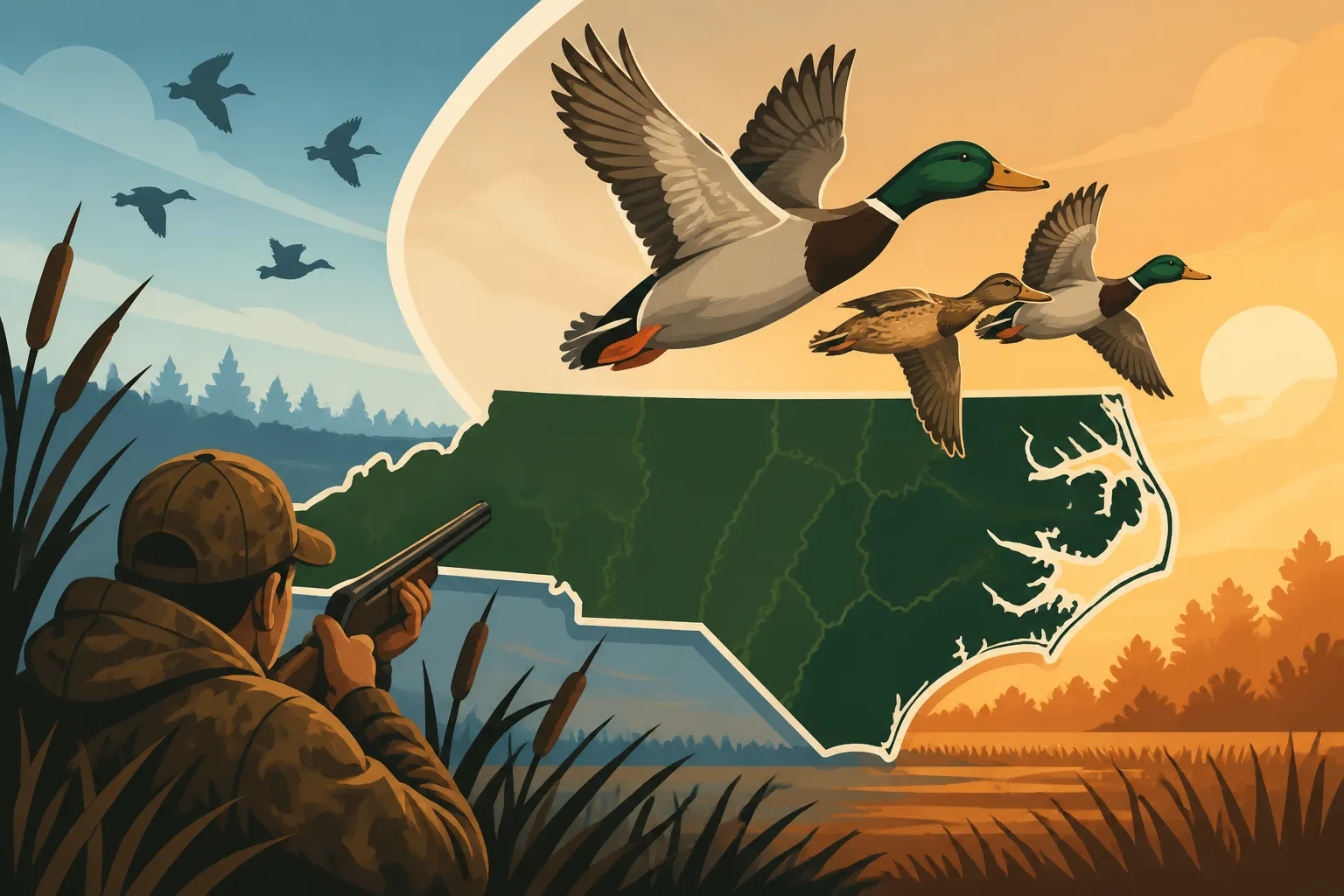
Oh, the crisp mornings and the distant sound of wings beating against a gray sky – there's nothing quite like the anticipation of duck season in North Carolina. Every year, waterfowl hunters across the state eagerly await that magical moment when the northern flights descend upon our coastal marshes, sound country, and inland impoundments. But trying to pinpoint exactly when those ducks will show up can feel like predicting the lottery, leaving many of us wondering if we're hunting empty skies or missing the prime window. This guide aims to demystify the complex dance of duck migration through our beautiful state, helping you understand the factors at play and what to expect throughout the season.
North Carolina's Role in the Atlantic Flyway and Early Arrivals
North Carolina holds a crucial position on the Atlantic Flyway, serving as a vital wintering ground for millions of ducks and geese making their annual journey south. While we might not see the initial departure from breeding grounds in Canada and the northern states, we are often one of the first major destinations for many species as they seek milder climates and abundant food. Understanding this role is key to grasping when certain birds will begin to appear in our local haunts.
Our state's diverse habitats, from the vast brackish waters of the sounds to the flooded timber and agricultural fields of the Coastal Plain, provide a smorgasbord for migrating waterfowl. The first birds to truly make their presence known in numbers are often a mix of our local, resident populations and the earliest wave of migrants. You'll find many hunters getting antsy by late September and October, watching the skies and hoping for a sign of things to come.
These early migrants are often the speedy teal – both blue-winged and green-winged. Blue-wings are typically the first to head south, sometimes showing up in North Carolina in late August or early September, though their numbers truly build in October. They're fast, acrobatic, and can offer some thrilling early-season action, particularly in shallow impoundments or flooded fields. Why Currituck Draws Teal Every Early Season is a great resource if you're chasing these early birds. Close behind them, or sometimes intermingling, are the green-winged teal, which often stay a bit later into the season. You'll also find our resident wood ducks, a species beloved by North Carolina hunters, which are already here and simply waiting for the season opener. They thrive in the wooded swamps and beaver ponds that crisscross much of our state, especially after a good acorn crop. Early season warm fronts can make these birds a bit skittish, but a slight cooling trend can really get them moving and feeding.
Peak Migration: When Northern Cold Pushes Ducks South
If you're asking about "duck migration timing," the real answer for most hunters often points to the peak migration period: that magical window when the true masses of northern ducks are pushed south. For North Carolina, this usually kicks into high gear from late October through December, but it's heavily dictated by weather patterns far to our north. When the freezing temperatures start to lock up ponds, lakes, and marshes in places like New England, the Great Lakes region, and even Canada, those ducks have no choice but to pack up and head our way.
A series of strong cold fronts, especially those that bring prolonged freezing conditions to the breeding and staging grounds, are what truly trigger the mass exodus. We're talking about mallards, black ducks, wigeon, gadwall, and pintails – the bread and butter for many North Carolina duck hunters. These birds will pour into our state, often seeking out large bodies of water like Pamlico Sound and Currituck Sound, as well as the numerous rivers, managed impoundments, and agricultural fields of the Coastal Plain. It’s a breathtaking sight to witness thousands of ducks piling into a fresh field after a bitter cold night up north. Hunters often utilize detailed mapping tools, like those offered by GoHunt, to scout potential new feeding grounds or identify overlooked pockets of habitat where fresh birds might settle after a big northern push.
For those who love diver ducks, the sounds, particularly Currituck and Pamlico, become prime destinations. Species like canvasbacks, redheads, and scaup (bluebills) arrive with the colder weather, seeking the abundant aquatic vegetation that these vast, shallow waters provide. Hunting Currituck Sound Diving Ducks dives into tactics for these specific birds. Their arrival is a true indicator of the northern freeze-up, as these open-water birds need ice-free feeding grounds. Getting out on the big water for these incredible birds is a truly unique North Carolina experience.
Here’s a general idea of when various popular duck species typically reach their peak numbers in North Carolina:
| Species | Typical Arrival Window (Peak Numbers) | Preferred Habitat in NC |
|---|---|---|
| Blue-winged Teal | September – Mid-October | Shallow impoundments, flooded fields, tidal marshes |
| Wood Duck | September – November (Resident/Early) | Wooded swamps, beaver ponds, river bottoms, flooded timber |
| Green-winged Teal | October – December | Shallow impoundments, marshes, flooded fields |
| Gadwall | Late October – January | Impoundments, open marshes, sound edges, agricultural fields |
| Wigeon | Late October – January | Impoundments, open marshes, sound edges, agricultural fields |
| Mallard | November – January | Flooded timber, impoundments, farm fields, river bottoms |
| Black Duck | November – January | Brackish marshes, tidal creeks, impoundments, open sounds |
| Pintail | November – January | Large impoundments, open sounds, flooded agricultural fields |
| Ring-necked Duck | November – January | Inland lakes, ponds, impoundments, deeper freshwater areas |
| Canvasback, Redhead | December – January | Large, open sounds (Currituck, Pamlico) |
| Scaup (Bluebill) | December – January | Large, open sounds, coastal bays, deeper freshwater lakes |
| Hooded Merganser | November – January | Wooded swamps, rivers, deep ponds |
This table provides general guidelines, but remember, every season is a little different depending on the specific weather patterns.
Late Season Dynamics: January and February Waterfowl
As the calendar turns to January and we move into the tail end of the waterfowl season, the migration dynamic shifts once again. By this point, most of the birds that are going to make it to North Carolina have arrived. The focus isn't so much on new waves of migrants, but rather on managing the established wintering populations that have settled into their preferred habitats. This can be a fantastic time to hunt, but it also presents its own unique challenges.
During the late season, ducks and geese are often much more educated. They've been hunted for months, they've seen countless decoy spreads, and they know the safe zones and the pressure points. This means hunters need to be even more meticulous with their concealment, decoy spreads, and calling. Many of these birds have now established routines, flying between preferred feeding areas and undisturbed roosts. Understanding these patterns, often through extensive scouting and observation, becomes paramount. Tools like GoHunt can help identify potential flight corridors and pinpoint remote areas less affected by hunting pressure.
Extreme cold snaps in January and February, even if they're not occurring far to our north, can still bring about significant changes. If freshwater ponds and shallow impoundments in North Carolina itself begin to freeze, it can push ducks into larger, deeper bodies of water or onto the sounds, concentrating them in smaller areas. This can create some incredible late-season hunting opportunities, particularly for divers on the sounds or puddle ducks forced into flowing rivers or deep impoundments. Food sources also become critical. After weeks of feeding, some preferred natural foods may be depleted, forcing ducks to seek out new options, often turning to agricultural fields like corn or soybeans that provide sustained energy through the coldest months. Late-Season Food Sources for North Carolina Whitetails is a good read, and while it focuses on deer, the principles of late-season food availability apply to waterfowl as well.
Key Factors Influencing Annual Duck Movements
While the general patterns of duck migration are somewhat predictable, the precise timing and composition of the flights vary significantly from year to year. Several critical factors influence these movements, making each duck season a unique puzzle for North Carolina hunters to solve. Being aware of these elements can help you better anticipate the arrival and behavior of waterfowl.
First and foremost is weather. This isn't just about a single cold front passing through; it's about prolonged temperature trends and significant weather events across the entire flyway. A mild autumn in the northern states might delay the push of birds, meaning fewer ducks arrive in North Carolina until later in the season. Conversely, an early, severe freeze-up up north can send a surge of birds our way in late October or early November. Wind direction and strength also play a huge role. Ducks often travel with favorable tailwinds, and strong northwesterly winds can really accelerate their journey south. Heavy precipitation, like a nor'easter, can ground birds, concentrating them in specific areas, or it can flood new feeding grounds, dispersing them.
Food availability is another major driver. Ducks need calories, especially during migration and throughout the cold winter months. Abundant mast crops like acorns in flooded timber, or plentiful waste grain in agricultural fields (corn, soybeans, rice), can hold birds in an area for extended periods. If a particular region has a bumper crop of acorns, for example, ducks might linger there longer before moving on. Conversely, a poor food year or over-pressured feeding areas can push birds to seek greener pastures elsewhere. Many managed waterfowl impoundments on game lands are designed to provide consistent food sources, but even these can vary in their appeal based on natural food availability nearby. Understanding these patterns helps immensely, and often hunters use services like GoHunt to scout public land areas and see historical aerial imagery to identify consistent food sources.
Finally, hunting pressure and sanctuary areas significantly impact how ducks behave once they arrive in North Carolina. Areas with heavy hunting pressure will see ducks become warier and more nocturnal. They'll learn to avoid heavily hunted spots and seek refuge in designated sanctuaries, private lands with limited access, or large, undisturbed bodies of water during daylight hours. This means that even if a large number of ducks are in the state, they might not be accessible to hunters without careful planning and creative tactics. Many hunters will monitor North Carolina Public Land Hunting Hours to understand when birds might be moving into or out of pressured areas. Effective scouting, understanding local movements, and being willing to move and adapt your setup are all critical when dealing with these experienced, wintering birds. The more you pay attention to these dynamic factors, the better your chances of being where the ducks want to be, when they want to be there.
Disclaimer
This article is for general informational purposes only and does not constitute professional advice. Laws, prices and regulations vary by location and change over time. Consult a qualified professional for guidance on your specific situation.