Bear Encounters Around Mountain Cabins
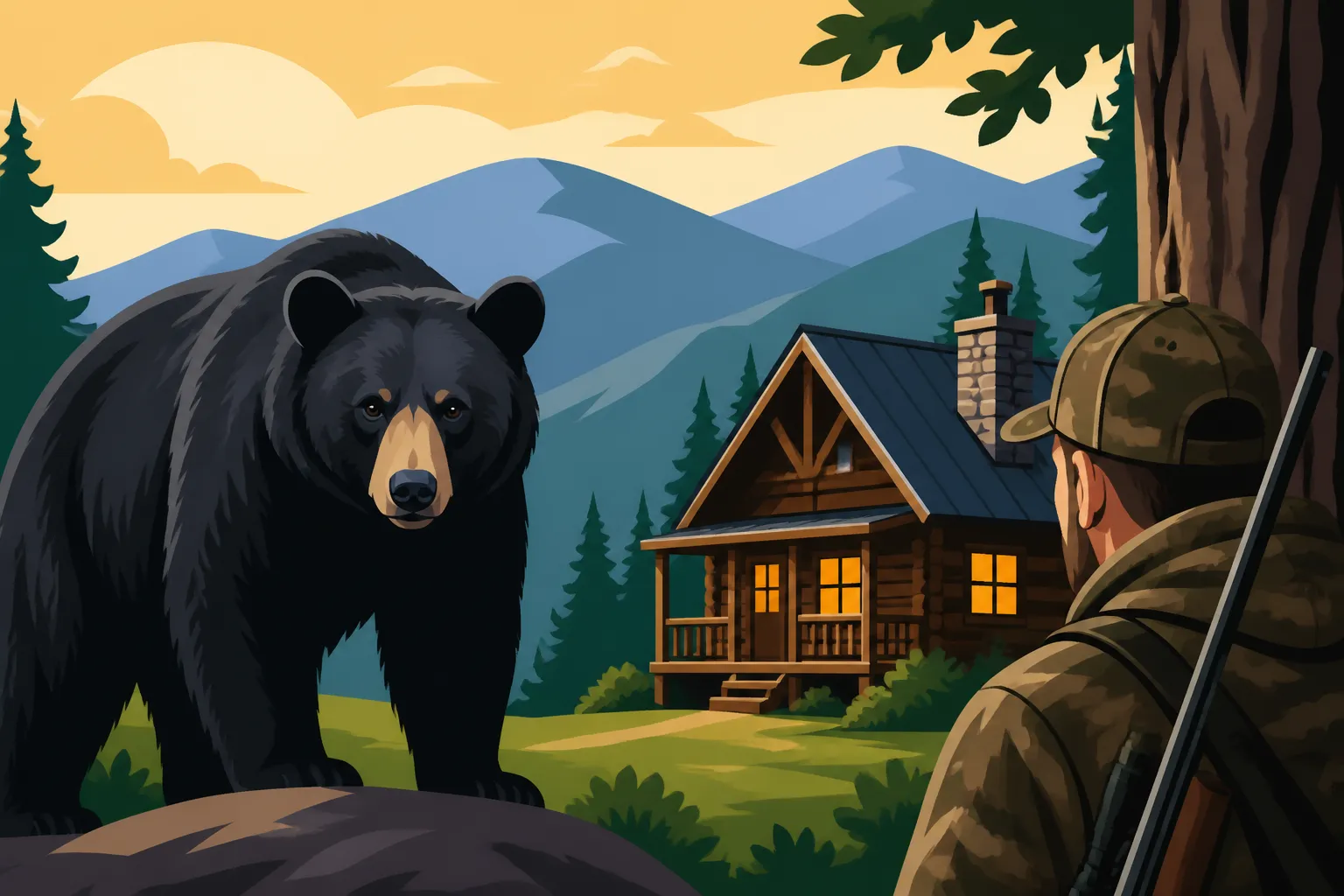
There's nothing quite like the dream of a peaceful mountain cabin getaway in North Carolina, a place to escape the daily grind and immerse yourself in nature's beauty. But for many, that dream can quickly turn into a jarring reality check when a curious or hungry black bear decides your porch is the perfect spot for a snack, or worse, tries to get inside. These encounters, while often thrilling or frightening, are becoming increasingly common, and understanding why these magnificent creatures come calling and what to do about it is key to ensuring both your safety and their well-being. This guide aims to help you navigate those sometimes-hairy situations with confidence and knowledge.
Why Bears Are Drawn to Your Mountain Retreat
It's easy to think of bears as strictly wilderness animals, staying deep in the woods. But the reality is, as human development expands further into wild spaces, and as the black bear population in North Carolina continues to thrive, our paths cross more and more. Especially in the mountain regions, where cozy cabins dot the slopes and valleys, bears learn quickly that human habitations often mean easy food.
The Irresistible Allure of Human Food Sources
For a bear, the scent of human food is like an open invitation to an all-you-can-eat buffet. Their sense of smell is incredibly powerful, estimated to be many times greater than a dog's, meaning they can detect even faint odors from a surprising distance. That leftover hot dog wrapper in an unsealed trash can, the bird feeder overflowing with seeds, or even a forgotten bag of dog food on the porch can be a beacon.
Imagine you're a bear, constantly foraging for thousands of calories a day to survive, especially as you prepare for winter dormancy or raise cubs. Suddenly, a new, calorie-dense food source appears effortlessly. Why work hard to find acorns and berries when a garbage can offers a jackpot? This isn't laziness; it's pure, efficient survival instinct. Once a bear successfully finds food near a cabin, it learns to associate that location with a reward, making repeat visits highly likely. This is a primary reason why folks living or vacationing in areas where North Carolina's Black Bear Population is dense need to be extra vigilant.
Habitat Overlap: When Wild Meets Domestic
Many mountain cabins aren't just near the wilderness; they're often in it. These areas are prime bear habitat, offering dense forest cover for bedding, water sources, and natural food like berries and nuts. When you build or rent a cabin in such a location, you're essentially placing yourself directly in a bear's living room. The bears haven't moved into your space; rather, your space has expanded into theirs.
This overlap means bears are simply going about their daily lives, following established game trails, foraging for natural foods, and stumbling upon human dwellings as part of their routine. They may not even realize it's a "human" area until the enticing smell of food hits them. Understanding Where Mountain Bears Range can help you appreciate that your cabin might be directly on a bear's regular circuit, making prevention even more crucial.
Seasonal Patterns and Bear Activity
Bear activity isn't constant throughout the year; it ebbs and flows with the seasons, heavily influenced by their biological needs. In spring, after emerging from their dens, bears are incredibly hungry and focused on replenishing lost weight. This is when they might be most willing to venture closer to human dwellings in search of easy calories.
Summer sees continued foraging, often with mothers teaching their cubs where to find food. But it's autumn, especially late summer into fall, when bears enter hyperphagia – a period of intense eating to build up fat reserves for winter. During this time, they might spend 20 hours a day foraging, and a single easy meal from a human source can be incredibly valuable. This is often when encounters around cabins spike. Knowing North Carolina Bear Denning Behavior helps to understand the cycle that drives these seasonal movements and why vigilance needs to be highest at certain times.
Proactive Strategies for Bear-Proofing Your Cabin
Dealing with a bear after it's already on your property can be stressful and dangerous. The best approach is always prevention. By making your cabin and surrounding property less attractive and accessible, you significantly reduce the likelihood of an unwanted visit. Think of it as making your cabin boring to a bear. Even companies like GoHunt, who focus on helping hunters scout game, emphasize understanding animal behavior, and a big part of that is recognizing what attracts them.
Securing Food and Waste
This is, without a doubt, the single most important step you can take. If a bear can't smell or access food, it has little reason to linger. Every time a bear gets a reward, it reinforces the behavior.
- Trash Management: This is the primary culprit. Never leave garbage cans unsecured outside, especially overnight. Invest in bear-resistant trash cans or dumpsters if you live in a high-bear-activity area. If you don't have bear-resistant containers, keep trash inside a garage, shed, or robustly locked enclosure until collection day. If you're staying for a short period, consider taking your trash with you when you leave.
- Pet Food: Pet food left outside, whether in bowls or in open bags, is incredibly appealing. Feed pets indoors, or if outside, bring in uneaten food and empty bowls immediately. Store pet food in airtight, hard containers indoors.
- Grills and Smokers: After a delicious barbecue, the lingering grease and food particles on your grill are a bear magnet. Clean your grill thoroughly after each use, burn off any residue, and store it in a secure location like a garage or shed. Don't just pull a cover over it – that won't stop a determined bear.
- Bird Feeders: While lovely to watch, bird feeders are high-calorie temptations. During peak bear season (spring through fall), consider removing them entirely. If you must have them, use only during winter when bears are denning, or hang them on a cable system high above the ground where a bear cannot reach them, and bring them in at night.
- Compost Piles: Open compost piles containing food scraps are another no-go in bear country. Use enclosed, bear-resistant composters, or avoid composting food waste outdoors altogether.
- Coolers and Food in Vehicles: Never leave food, drinks, or scented items (like air fresheners or toiletries) in your car, even if locked. Bears can easily break into vehicles if they smell something interesting.
- Fruit Trees/Berry Bushes: If you have fruit trees or berry bushes on your property, pick ripe fruit promptly. Don't let it fall and accumulate on the ground. This might sound tedious, but even natural food sources can keep bears habituated to your property.
Property Maintenance and Landscape Choices
Beyond food, the overall setup of your property can also influence bear visits. Simple maintenance can go a long way.
- Secure Entry Points: Ensure all doors and windows, including those on sheds or garages, are locked, especially when you're away or at night. Bears are surprisingly adept at opening doors, sometimes even turning doorknobs. If you have ground-level windows that bears could easily reach, consider adding extra latches or bars.
- Reduce Cover: Trim back dense brush or overgrown vegetation close to your cabin. This eliminates hiding spots for bears and makes them feel less secure approaching your dwelling. You want clear lines of sight so you can spot a bear from a distance.
- Lighting and Noise: While not foolproof, motion-activated lights can sometimes startle a bear and deter it. Leaving a radio on a low volume in a garage or on a porch can also suggest human presence, which many bears prefer to avoid. However, remember bears are intelligent and can quickly habituate to these things if they consistently find food.
- Electric Fencing: For more persistent problems, or to protect specific areas like gardens or apiaries, a well-maintained electric fence can be an effective deterrent. This is often a last resort but can be very successful in teaching bears to stay away from a specific area.
Education for Residents and Guests
Whether you own a cabin or rent it out, educating everyone who stays there is crucial. A single careless act by a guest can undo weeks or months of diligent bear-proofing.
- Clear Signage: Post clear, concise signs in your cabin (and even outside) reminding people about bear safety rules, especially regarding trash and food storage.
- Welcome Packet Information: If you rent out your cabin, include detailed bear-aware instructions in your welcome packet. Explain why these rules are important and the potential consequences of ignoring them. For instance, explaining about North Carolina Black Bear DNA Tracking Study (an example of how wildlife agencies monitor populations and behavior) can add credibility to your warnings.
- Open Communication: Encourage guests to report any bear sightings or incidents immediately. This allows you to address potential issues promptly and reinforce safe practices. Emphasize that these animals are wild, and while beautiful, they demand respect and caution. A resource like GoHunt often provides valuable insights into wildlife behavior that can be shared to deepen understanding.
Responding Safely to a Bear Encounter
Despite all your best efforts, sometimes a bear still comes calling. Knowing how to react calmly and correctly can de-escalate the situation and prevent harm to both you and the bear. Panicking or acting aggressively can often make things worse.
If a Bear is on Your Property (Non-Aggressive)
Most bear encounters are with non-aggressive, curious, or food-seeking animals. The key here is to deter the bear without provoking it.
- Assess the Situation from a Distance: If you spot a bear, especially one simply passing through or investigating a smell, observe it from a safe distance, ideally from inside your cabin. Do not approach it.
- Make Your Presence Known: If the bear is too close for comfort or lingering, you need to make it aware of your presence. Yell, clap your hands, blow a whistle, or bang pots and pans together. Make yourself look as large as possible by waving your arms. The goal is to make the bear feel uncomfortable and realize it's in human territory. This is often called "hazing" or "aversive conditioning."
- Give It Space: Ensure the bear has a clear escape route. Don't corner it. If it’s near a door or window, move away from that area, but still keep an eye on it while making noise.
- Never Run: Running can trigger a bear's chase instinct. While it's natural to want to flee, standing your ground (while still giving it space) and making noise is generally the safer approach for black bears.
- Secure Yourself and Others: Get children and pets indoors immediately. If you're outside and can't get inside safely, back away slowly while facing the bear and continuing to make noise.
- Be Mindful of Cubs: If you see a cub, assume the mother is nearby, even if you don't see her. Never approach cubs, as a mother bear is extremely protective.
When a Bear Gets Too Close or Acts Defensively
While rare, a bear might exhibit defensive behavior, especially if it feels threatened, is protecting cubs, or is surprised. Understanding the difference between a curious bear and a defensive one is critical.
- Defensive Behaviors: These might include huffing, jaw popping, swatting the ground, or a "bluff charge" – where the bear runs at you but stops short. This is the bear communicating that it's stressed and wants you to back off.
- Respond to a Bluff Charge: If a black bear bluff charges, stand your ground, continue to make noise, and make yourself look big. Most often, they will stop and turn away. Do not run.
- Direct Attack (Extremely Rare): True predatory or aggressive attacks by black bears are incredibly rare, but they can happen. If a black bear makes physical contact or genuinely charges without stopping, fight back aggressively with anything you have (sticks, rocks, fists, bear spray). Aim for the face and eyes. This differs from grizzly bear advice, but for black bears, fighting back is the recommended response to an actual attack.
- Bear Spray: Carrying bear spray in bear country is always a good idea. It's an effective deterrent and can be a lifesaver in a close encounter. Learn how to use it before you need it.
Protecting Pets and Children
Our beloved furry friends and curious little ones often bear the brunt of bear encounters due to their size or inquisitive nature.
- Leash Your Dogs: Never let dogs roam free in bear country. Even a well-behaved dog can provoke a bear, and the bear may view the dog as prey or a threat. A dog might also run back to you with a bear in pursuit. Keep dogs on a leash, especially during walks, and always supervise them outside. Dogs barking at bears can also escalate situations.
- Supervise Children Closely: Children, especially young ones, should never be left unsupervised outdoors in bear country. They are small and may not know how to react appropriately to a bear. Teach them basic bear safety rules: never run, make noise, and make yourself look big.
- Keep Play Areas Clear: Ensure play areas for children are kept free of food scraps or anything that might attract a bear. Store toys that might have food residue (like picnic sets) indoors. If you have an outdoor play structure, check it periodically for signs of bear activity, especially after dark or early in the morning. Even the smallest crumb from a juice box can draw attention.
Navigating North Carolina's Bear Regulations and Reporting
Living or recreating in North Carolina's beautiful mountains means sharing the landscape with wildlife. Understanding the rules and knowing how to report encounters is part of being a responsible steward. Wildlife agencies, like the NC Wildlife Resources Commission, are constantly monitoring populations and managing interactions, sometimes even using data that might be compiled by services like GoHunt for broader wildlife trends.
Reporting Incidents and Nuisance Bears
If you have a persistent problem bear, or an aggressive encounter, it's crucial to report it. Do not attempt to deal with a truly problem bear on your own.
- When to Report: You should report a bear incident if a bear is:
- Entering or attempting to enter your cabin or vehicle.
- Damaging property beyond minor scavenging (e.g., breaking down a door, tearing off a screen).
- Aggressively approaching people without provocation.
- Injured or appears sick (you can find guidance on Reporting a Sick Animal in North Carolina through the state's wildlife resources).
- Who to Contact: Contact the North Carolina Wildlife Resources Commission (NCWRC). They have biologists and enforcement officers trained to assess the situation. They will provide guidance, and if necessary, intervene. Keep their contact information handy if you live or stay in a high-bear area.
- What to Report: Be prepared to provide details: date, time, location, bear's appearance (size, any tags), specific behavior, and any damage caused.
Understanding North Carolina's Black Bear Population
North Carolina boasts a thriving black bear population, one of the largest in the Southeast. This is a conservation success story, but it also means increased human-bear interactions. The NCWRC actively manages the population to ensure both healthy bear numbers and minimize conflicts.
Their strategies often involve public education, habitat management, and regulated hunting seasons (like Hunting the Mountain Bear Zones) which help manage population density in certain areas. Understanding How Many Black Bears North Carolina Has gives context to why these encounters are becoming more frequent. These animals are a vital part of the ecosystem, and our goal should always be coexistence.
Legal Considerations for Deterrence
While preventing attraction and making noise are encouraged, there are legal limits to how you can deter a bear in North Carolina.
- Lethal Force: Generally, it is illegal to kill a black bear in North Carolina outside of legal hunting seasons without specific authorization. Self-defense laws can apply if you or another person's life is in imminent danger, but this is a serious event and must be immediately reported to law enforcement and the NCWRC. It's not a decision to be taken lightly, and the circumstances are always thoroughly investigated.
- Trapping and Relocation: Attempting to trap or relocate a bear yourself is illegal and dangerous. This is a task for trained wildlife professionals. Often, relocating a bear simply moves the problem, as bears have incredible homing instincts and will return to known food sources if not properly deterred.
- Baiting: It is illegal to intentionally feed bears in North Carolina. This includes leaving out food specifically to attract them for viewing or photography, as it habituates them to humans and can lead to dangerous situations. Even if you're trying to help an animal, leaving food out often does more harm than good, leading to bears becoming nuisance animals that may eventually need to be euthanized.
By taking proactive steps and understanding how to react safely and responsibly, you can greatly reduce the stress and danger associated with bear encounters around your mountain cabin.
| Common Bear Attractants & Solutions | Immediate Action if Bear Present (Non-Aggressive) | If Bear Acts Defensively (Bluff Charge) |
|---|---|---|
| Unsecured Trash Cans | Make yourself large, wave arms | Stand your ground, continue to yell |
| Pet Food Left Outdoors | Yell loudly, bang pots/pans, blow whistle | Never run, prepare to fight if contact |
| Dirty Grills / Outdoor Cooking | Retreat indoors if possible, secure pets/children | Use bear spray if available and trained |
| Bird Feeders (Spring-Fall) | Give bear clear escape route | Report aggressive behavior to NCWRC |
| Unsecured Compost Piles | Do NOT run or approach bear | |
| Food in Vehicles / Coolers | Stay calm and observe from a safe distance |
Disclaimer
This article is for general informational purposes only and does not constitute professional advice. Laws, prices and regulations vary by location and change over time. Consult a qualified professional for guidance on your specific situation.