Chronic Wasting Disease Risk in North Carolina
When you hear the words "Chronic Wasting Disease," it can send a shiver down any North Carolina hunter's spine. This isn't just another disease; it's a real and present threat that can change how we hunt, how we interact with our deer, and even how we think about venison. This guide is here to cut through the noise and provide a comprehensive, empathetic look at CWD in our great state, helping you understand the risks, navigate the regulations, and protect both our deer herd and your family.
Understanding Chronic Wasting Disease: The Silent Threat
CWD is one of those topics that can feel overwhelming, shrouded in scientific jargon and fear. But for us hunters, understanding it at its core is essential. It's a disease that doesn't just impact deer; it impacts our traditions, our future hunts, and the health of the wild places we cherish. Let's peel back the layers and truly understand what we're up against.
What Exactly is CWD?
Imagine a disease that slowly, silently, eats away at an animal's brain, turning healthy tissue into a sponge-like mess. That's essentially Chronic Wasting Disease. It's not caused by a virus or bacteria, but by something far more insidious: abnormal proteins called prions. These rogue prions aren't alive in the traditional sense, which makes them incredibly difficult to destroy with conventional methods like cooking, freezing, or even strong disinfectants. Once an animal is infected, these prions begin to accumulate, primarily in the brain and spinal cord, but also in other lymphoid tissues like the spleen and lymph nodes. Over time, this accumulation causes neurological damage.
The symptoms are heartbreaking to witness, often appearing after a long incubation period that can last months or even years. Deer afflicted with CWD typically become emaciated, hence the "wasting" in its name. They might exhibit abnormal behavior, like a vacant stare, listlessness, or a loss of coordination. You might see them drooling excessively, stumbling, or acting less wary of humans, which is a significant red flag for any seasoned hunter. This slow, progressive decline inevitably leads to death. The scariest part? It's always fatal. There's no cure, no vaccine, and no treatment. It's a silent killer that slowly erodes the very life out of an otherwise majestic animal, and it's something every hunter dreads seeing in their neck of the woods.
How CWD Spreads Among Deer
One of the reasons CWD is such a formidable opponent is its insidious method of transmission. It's not spread by a single bite from an infected mosquito or a fleeting cough. Instead, CWD prions are shed by infected deer through their saliva, urine, and feces. Think about a deer browsing in a food plot, rubbing an antler on a tree, or bedding down in a particular spot. Any of these actions can deposit infectious prions into the environment. Other deer then come along, lick the same branch, browse the same plants, or simply ingest soil contaminated with these persistent prions, and the cycle continues. It's a truly chilling thought how easily these invisible killers can spread through a seemingly innocent interaction.
What makes it even tougher is the longevity of these prions in the environment. They can bind to soil particles and remain infectious for years, perhaps even decades, like tiny, indestructible landmines waiting for the next unsuspecting deer. This environmental persistence means that even if all infected deer were removed from an area, the ground itself could still harbor the disease, posing a risk to new deer moving in or fawns being born. High deer densities, where deer naturally congregate more frequently, exacerbate this problem, creating a perfect storm for rapid transmission. That's why managing herd numbers and understanding deer movement is so critical in CWD-affected areas. It’s not just about one sick deer; it’s about a contaminated landscape that threatens the health of entire deer populations for generations to come.
North Carolina's CWD Footprint: Where We Stand
For years, North Carolina was one of the few states in the Southeast that had successfully kept CWD out. We hoped it would stay that way, but the reality is, with deer populations and hunter movement, it was perhaps an inevitable arrival. Understanding exactly when and where CWD has been detected in our state is crucial for all hunters, especially those of us who spend significant time afield in the affected regions.
The First Cases and Surveillance Zones
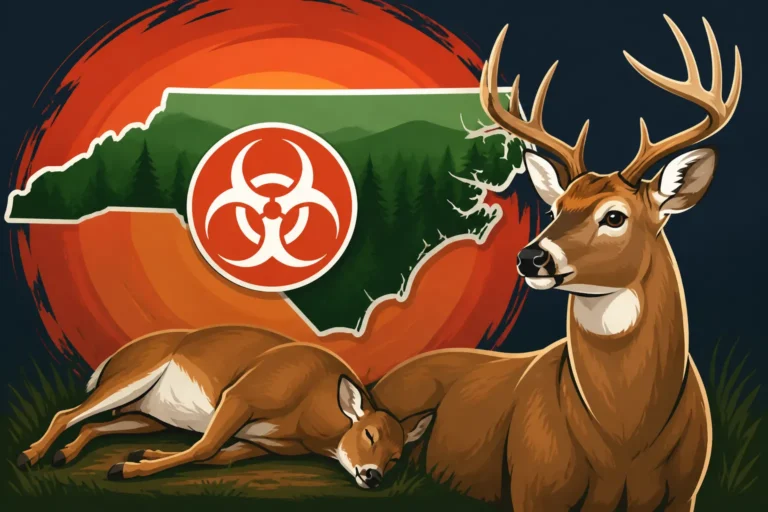
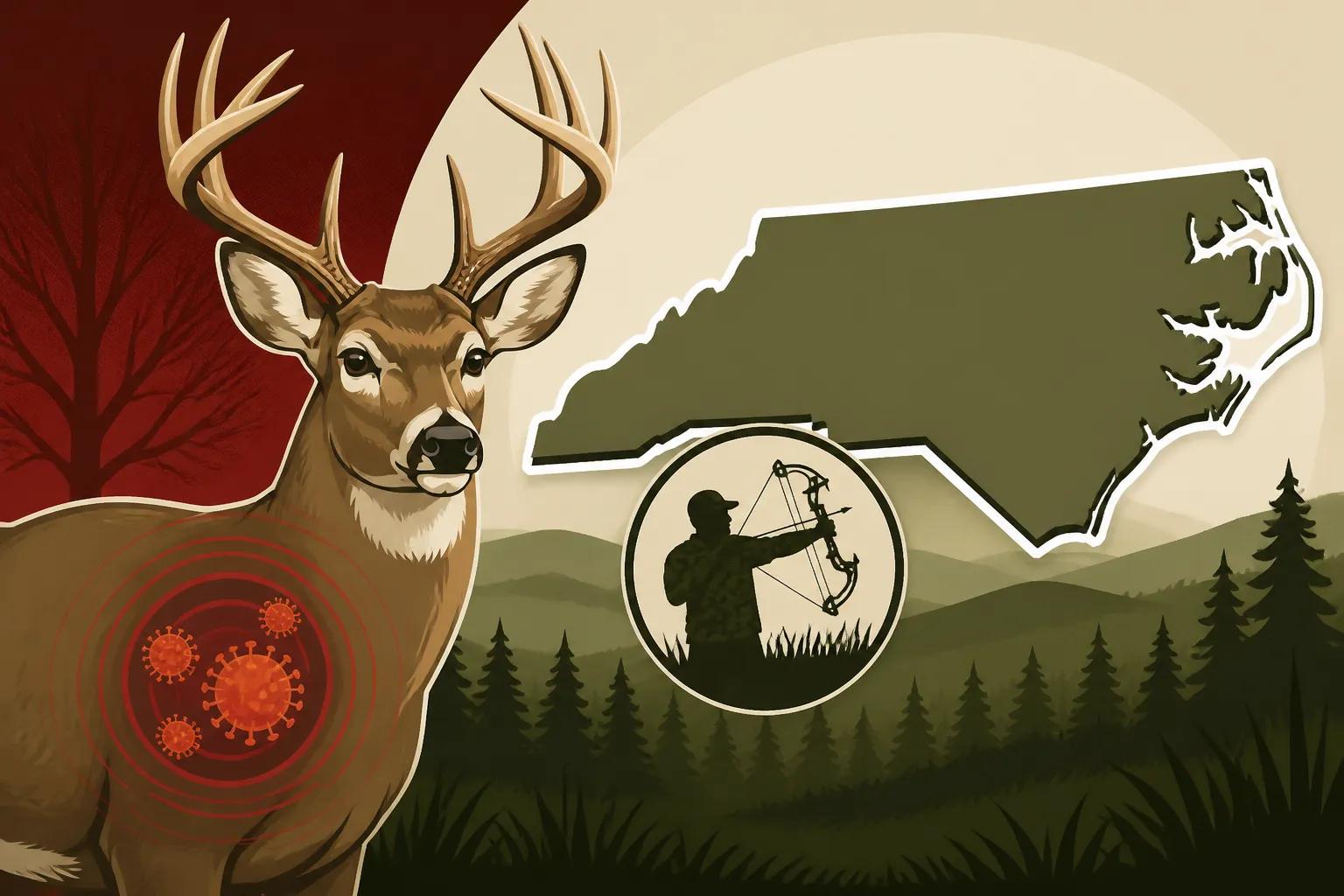
The sigh of relief we once breathed turned into a collective gasp of concern in 2022 when North Carolina confirmed its first-ever case of CWD. It was a heart-wrenching discovery, confirmed in a deer harvested in Yadkin County, a place many of us know well for its beautiful landscapes and rich hunting heritage. This initial detection immediately triggered a swift and decisive response from the North Carolina Wildlife Resources Commission (NCWRC) to implement containment strategies. Since then, additional positive cases have been identified, primarily concentrated in the northwestern Piedmont region, often referred to as the Yadkin Valley.
Currently, several counties are directly impacted by CWD detections and are designated as CWD Management Areas (CMAs). These include Surry, Yadkin, Stokes, Forsyth, and Wilkes counties. While not all these counties have had confirmed CWD-positive deer within their specific boundaries, they are included in the CMA due to their proximity to positive detections and the need for a cohesive management zone. This designation means specific rules and regulations apply to hunters in these areas, from mandatory testing to restrictions on carcass movement. For hunters in these areas, it can feel like a sudden shift, adding new layers of complexity to an already beloved pastime. We all want to do our part, but the added steps can certainly be a source of frustration. To get the most up-to-date information on which specific areas are included, always check the NCWRC website. If you’re hunting in any of these counties, or nearby, it’s vital to understand the special rules for North Carolina's Chronic Wasting Disease Areas.
Tracking the Disease: Numbers and Trends
Since that initial heartbreaking discovery, the NCWRC has been diligently tracking the spread and prevalence of CWD through extensive testing efforts. As of late 2023 and early 2024, the number of CWD-positive deer in North Carolina has grown, though it remains relatively low compared to some states with long-established CWD populations. The majority of confirmed cases have continued to emerge from the Yadkin Valley region, with Surry County often driving North Carolina's CWD count due to intensive surveillance and testing efforts there. It's a stark reminder that once CWD arrives, it's a persistent problem.
The NCWRC has tested thousands of deer across the state since the first detection, a monumental effort that relies heavily on hunter cooperation. While the prevalence of CWD in the Yadkin Valley is still being fully understood, the continued detection of positive cases highlights the importance of ongoing vigilance. Understanding how many deer have tested CWD-positive since testing began gives us a clearer picture of the challenge ahead. It’s a dynamic situation, and these numbers can change, which is why staying current with NCWRC updates is paramount. The goal is to contain the disease as much as possible, prevent its spread to new areas, and mitigate its impact on the overall health of North Carolina's deer herd, ensuring that our grandchildren can still enjoy the thrill of deer hunting in these beautiful lands.
Mandatory Hunter Requirements in CWD Zones
Hunting in a CWD Management Area (CMA) comes with new responsibilities, and it's important to be fully aware of them before you even step foot in the woods. These rules are designed to help contain the disease, and while they might add a few extra steps to your hunt, they're essential for the long-term health of our deer herd. Trust me, I know it can feel like a bureaucratic headache, but it's for a good cause.
Mandatory Testing and Sampling Stations
If you're lucky enough to harvest a deer within a designated CWD Management Area, a critical step follows immediately: mandatory CWD testing. This isn't optional; it's a legal requirement designed to give the NCWRC the data they need to understand the disease's spread and prevalence. It means that every deer harvested in these specific zones must have its head submitted for testing. I know, it's an extra trip, and sometimes it feels like just another thing to do after a successful hunt, but your cooperation is invaluable.
The NCWRC has set up specific CWD sampling locations throughout and around the CWD Management Areas to make this process as convenient as possible. These stations can be physical drop-off sites, often at taxidermists or designated collection points, or even self-serve kiosks where you can deposit the head after obtaining a unique identification number. You'll need to know the specific location where you harvested the deer, and typically you’ll use the NC Wildlife Resources Commission's reporting system to log your harvest first, which will then direct you to the testing procedures. Finding a North Carolina CWD Sampling Location before you head out can save you a lot of hassle post-harvest. It's a proactive step that might seem cumbersome, but it's truly the best way we have to monitor and hopefully control CWD. The data collected from these tests directly informs management strategies and helps protect the rest of the state's deer population.
Carcass Movement Restrictions: Keeping it Local
Perhaps one of the most significant changes for hunters in CWD zones is the strict regulation regarding carcass movement. The main reason for this is simple: to prevent the physical transportation of infected prions from a CWD-positive area to a CWD-negative area. You see, the highest concentrations of prions are found in certain parts of the deer, specifically the brain, spinal cord, eyes, spleen, and lymph nodes. If these parts are moved to a new location and then improperly disposed of, they can contaminate the soil there, potentially starting a new CWD hot spot. This is why the rules on North Carolina Carcass Movement Restrictions are so crucial.
Essentially, whole deer carcasses harvested in a CWD Management Area cannot be transported out of that area. This means you can't harvest a deer in Surry County and then take the whole animal back to your hunting club in Sampson County. However, you can move certain parts, typically those with a much lower risk of prion contamination. Permitted parts usually include deboned meat, caped hides (without the skull or brain material), skull plates with antlers (from which all brain and soft tissue have been removed), and cleaned skull bones. This requires hunters to be prepared to process their deer in the field or at a local facility within the CWD zone. I’ve seen some frustration over this, especially for those who travel to hunt, but it's a necessary measure. Planning ahead for how you'll handle your deer, whether it's through field quartering or finding a local processor, is now a mandatory part of hunting in these areas. For detailed guidance on Moving a Deer Carcass Out of a CWD Area, consult the NCWRC regulations carefully.
Special Seasons and Management Strategies
The NCWRC isn't just reacting to CWD; they're actively implementing strategies to manage its spread and impact. These strategies often involve adjustments to hunting seasons and regulations, which can feel a bit like a moving target for hunters. But these changes are carefully considered, aimed at using hunting as a tool to maintain herd health and control the disease.
The New Special Early CWD-Zone Season
One significant management tool introduced by the NCWRC in response to CWD is the special early CWD-Zone season. This isn't just another hunting opportunity; it's a targeted effort designed to increase the harvest of deer within the affected management areas before the general gun season really gets going. The thinking behind it is to reduce overall deer density in these specific zones, which in turn can help slow the transmission of CWD among the remaining population. More deer mean more opportunities for prions to spread, so reducing numbers is a key tactic.
This season has specific dates and regulations, often running for a limited window prior to the traditional opening days. For instance, the August 22 Special Season Weekend has been one such experimental opportunity. A crucial detail to remember is why the early season targets antlered deer only. This focus is primarily because adult bucks, particularly older ones, are more likely to have contracted and potentially spread CWD. They range more widely and engage in more aggressive social interactions, which increases their exposure and shedding of prions. Harvesting these individuals earlier can disrupt the disease cycle. While it might feel different to hunt so early, participating in this season, if you hunt within a CWD zone, is a direct way you can contribute to the state's CWD management efforts. Knowing the specific rules for The New Special Early CWD-Zone Season is essential for anyone planning to participate.
Understanding Deer Damage Permits and Population Control
Beyond specific hunting seasons, the NCWRC employs a suite of tools to manage deer populations, and these tools become even more critical in CWD management areas. One such tool is the issuance of deer damage permits for farmers and landowners. When deer populations become excessively high, they can cause significant damage to agricultural crops, timber, and even ornamental plants. In CWD zones, this damage is compounded by the disease risk. Farmers who are experiencing significant crop losses due to deer can apply for these permits, which allow for the removal of deer outside of regular hunting seasons, under specific guidelines. This helps farmers mitigate their losses while also contributing to the overall goal of reducing deer density.
The underlying principle here is that increased harvest, through both regular and special hunting seasons, as well as through depredation permits, is a vital component of CWD management. By reducing the number of deer, you inherently reduce the opportunities for CWD prions to spread from deer to deer, and from deer to the environment. I know discussions around aggressive culling or widespread population reduction can sometimes be controversial among hunters, as we all value healthy, abundant deer. However, in the context of CWD, these measures are not about eradication, but about containment and slowing the progression of a deadly disease that poses a far greater long-term threat to the herd than any controlled harvest. It’s a challenging balance, but one that is crucial for the future of deer hunting in North Carolina. For landowners dealing with deer issues, understanding North Carolina Deer Damage Permits for Farmers can provide valuable options.
Protecting Yourself and the Herd: Hunter Responsibilities
As hunters, we are often the first line of defense and observation when it comes to wildlife health. With CWD now in North Carolina, our role has become even more critical. It’s about more than just following the rules; it’s about taking proactive steps to protect both ourselves and the deer herd we love.
Best Practices for Handling and Processing Deer
Harvesting a deer is a moment of pride and accomplishment, but in a CWD management area, it's also a time to be extra cautious. The good news is that by adopting a few best practices, you can significantly reduce any potential risks and ensure safe handling of your venison. First and foremost, always wear latex or rubber gloves when field dressing or processing any deer. This creates a barrier between you and potential prions, which can be present in bodily fluids. Make sure you use separate knives or tools for processing deer meat than you might use for household food preparation, or thoroughly sanitize them afterwards.
When field dressing, try to minimize contact with and avoid cutting through the brain, spinal cord, eyes, spleen, and lymph nodes (which are often found along the spine, neck, and gut cavity). If you're planning to take your deer to a taxidermist or processor, inform them that the deer was harvested in a CWD zone, as they will have specific protocols for handling. If you're processing at home within a CWD zone, remember that high heat does not destroy prions, so cooking venison well done doesn't eliminate the risk if the meat is contaminated. The best strategy is prevention through careful handling and testing. When disposing of carcass parts, especially in a CWD management area, do not leave them where other deer or scavengers can access them. Ideally, double-bag them and dispose of them in a landfill. This isn’t just about personal safety; it’s about preventing the environmental spread of those persistent prions.
Safe Consumption of Venison
This is often the most pressing question for hunters: "Is my venison safe to eat?" Currently, there is no scientific evidence that CWD can be transmitted to humans. However, public health agencies, including the Centers for Disease Control and Prevention (CDC), advise caution and recommend against eating meat from CWD-positive animals. It's a "better safe than sorry" approach, especially given that prions are notoriously difficult to destroy. This is precisely why mandatory testing in CWD zones is so important.
If you harvest a deer in a CWD management area, getting it tested is non-negotiable before consumption. If the test results come back positive, the recommendation is clear: do not eat the meat. While it's a difficult outcome to stomach, knowing for certain allows you to make an informed decision for your family's health. For hunters outside of established CWD zones, the risk remains extremely low, but vigilance is always encouraged. The NCWRC provides clear guidelines for Handling Venison From a CWD Management Area, which are invaluable for ensuring peace of mind. Ultimately, being informed, taking precautions, and utilizing the testing resources available are the best ways to enjoy the bounty of your hunt responsibly.
The Future of CWD in North Carolina: What Hunters Can Expect
The arrival of CWD in North Carolina marks a new chapter for wildlife management and hunting in our state. It's a challenge, no doubt, but one that the NCWRC, working with hunters and landowners, is committed to addressing head-on. Understanding the long-term vision and how we can all contribute is crucial.
Long-Term Management Goals
When CWD is detected, the immediate goal is always containment – slowing the spread and preventing new outbreaks. For North Carolina, this means aggressive surveillance, mandatory testing in affected areas, and strict carcass movement restrictions. However, eradication of CWD once it's established in a wild deer population is, unfortunately, largely considered impossible. The sheer persistence of prions in the environment makes a complete wipeout an unrealistic dream. Therefore, the long-term management goals shift towards maintaining the disease at the lowest possible prevalence levels and mitigating its impact on deer populations. This includes ongoing surveillance to monitor the disease's footprint, targeted harvest strategies, and public education campaigns. The NCWRC will continue to conduct extensive testing, particularly in the CWD Surveillance Areas, to track the disease and refine their strategies.
This isn't a one-and-done solution; it's an ongoing commitment. Hunters can expect to see CWD-related regulations, such as mandatory testing and carcass movement rules, become a permanent fixture in certain areas. There might be continued experimentation with special seasons or harvest incentives to manage deer populations effectively. The success of these long-term goals hinges on sustained funding for research and management, continued cooperation from hunters, and the adaptability of management strategies as we learn more about CWD's dynamics in North Carolina. This is where resources like GoHunt can be incredibly useful, allowing hunters to quickly access information on specific management zones and regulations, ensuring they stay compliant and informed. We all have a role to play in North Carolina Wildlife Disease Monitoring.
How You Can Help Prevent the Spread
As hunters, we are the most important partners the NCWRC has in the fight against CWD. Our actions, both individually and collectively, can make a huge difference in preventing the further spread of this devastating disease. One of the most critical things you can do is report any sick or unusual-acting deer you encounter. If you see a deer exhibiting symptoms like extreme lethargy, emaciation, excessive drooling, or neurological issues, do not approach it. Instead, immediately contact the NCWRC. Reporting a Sick Animal in North Carolina provides biologists with crucial information about potential new cases and areas of concern.
Beyond reporting, actively avoid baiting or feeding deer, especially in CWD management areas. Concentrating deer in one spot with bait increases direct contact between animals and can lead to a higher concentration of prions in the soil, creating a CWD hotspot. Adhering strictly to carcass movement restrictions is also paramount. If you harvest a deer in a CWD zone, process it there or at a local facility, and only transport permitted parts out of the area. Dispose of any high-risk carcass parts properly in a landfill. Lastly, stay informed! Keep an eye on NCWRC updates and educational materials. Many hunters use mapping apps like GoHunt to keep track of public land boundaries and CWD management zones, which can be invaluable when planning your season. These apps, coupled with official NCWRC resources, can help you visualize these zones and plan your hunts accordingly, ensuring you're always operating within the regulations. Your vigilance and adherence to these guidelines are the best tools we have to protect North Carolina’s cherished deer herd for generations to come.
Impacts Beyond the Hunt: Broader Implications
CWD isn't just about deer and hunting; its presence in North Carolina has ripple effects that extend into ecological systems and the local economy. It's a complex issue, and understanding these broader implications helps underscore the importance of our collective efforts to manage it.
Ecological and Economic Concerns
Ecologically, a widespread CWD outbreak could have profound effects on North Carolina's ecosystems. Deer are a keystone species in many habitats, influencing vegetation structure through browsing and serving as a food source for numerous predators. A significant decline in deer numbers due to CWD could alter plant communities, impacting other wildlife species that rely on those plants or on deer as prey. While current prevalence rates in North Carolina are low, the long-term potential for ecological disruption is a serious concern for wildlife biologists. It's a domino effect that could change the very fabric of our natural landscapes.
Economically, the presence and spread of CWD can hit rural communities and hunting-related businesses hard. North Carolina's hunting industry generates millions of dollars annually, supporting local businesses from sporting goods stores and outfitters to taxidermists, processors, and even gas stations and restaurants in hunting towns. If CWD leads to a decline in hunter participation, or if hunters choose to avoid CWD-affected areas, these businesses could suffer. Furthermore, the costs associated with CWD management – surveillance, testing, public education, and staff time – are significant, diverting resources that could otherwise be used for other conservation initiatives. The worry among landowners is real, with concerns about property values and the health of the wildlife on their land. It underscores that CWD is not just a hunter's problem, but a community issue with far-reaching consequences.
The Role of Technology in CWD Management
In our modern world, technology plays an increasingly vital role in wildlife management, and CWD is no exception. For hunters, applications and digital tools have become indispensable for navigating the complexities of regulations and staying informed. For instance, the NC Wildlife App is a powerful resource that allows hunters to report their harvests directly from the field, and it’s being continuously updated to integrate CWD-specific reporting and information. This digital reporting is critical for NCWRC to gather timely and accurate data on deer harvests, which then directly informs their CWD surveillance efforts.
Beyond basic reporting, sophisticated GIS mapping software helps biologists visualize CWD detections, track environmental spread, and define management zones with greater precision. Hunters, too, benefit from advanced mapping applications like GoHunt. These tools can display public land boundaries, CWD management areas, and even locate CWD sampling stations, making it easier for hunters to plan their hunts within regulations and fulfill their mandatory testing requirements. Staying informed about the latest CWD updates is crucial, and resources like GoHunt or the NC Wildlife Resources Commission's website are excellent places to start. The future of CWD management will undoubtedly involve even more innovative uses of technology, from advanced diagnostic testing methods to predictive modeling, all aimed at protecting North Carolina's deer herd and our hunting traditions.
Disclaimer
Please remember that hunting regulations, seasons, and disease management protocols can change. Always consult the most current North Carolina Wildlife Resources Commission (NCWRC) regulations and local directives before engaging in any hunting activities. This guide is intended for informational purposes and should not be considered a substitute for official legal guidance.