North Carolina Antler Point Restriction Status
One of the most common questions I hear from hunters, especially those new to the state or coming from areas with different regulations, revolves around North Carolina's antler point restrictions (APRs). It’s easy to get confused when other states have strict rules about how many points a buck needs before you can tag it, but here in North Carolina, we do things a little differently. This guide is going to clear up any confusion you have about APRs in our state, explaining why things are the way they are and how deer management works here.
The Current Status of Antler Point Restrictions in North Carolina
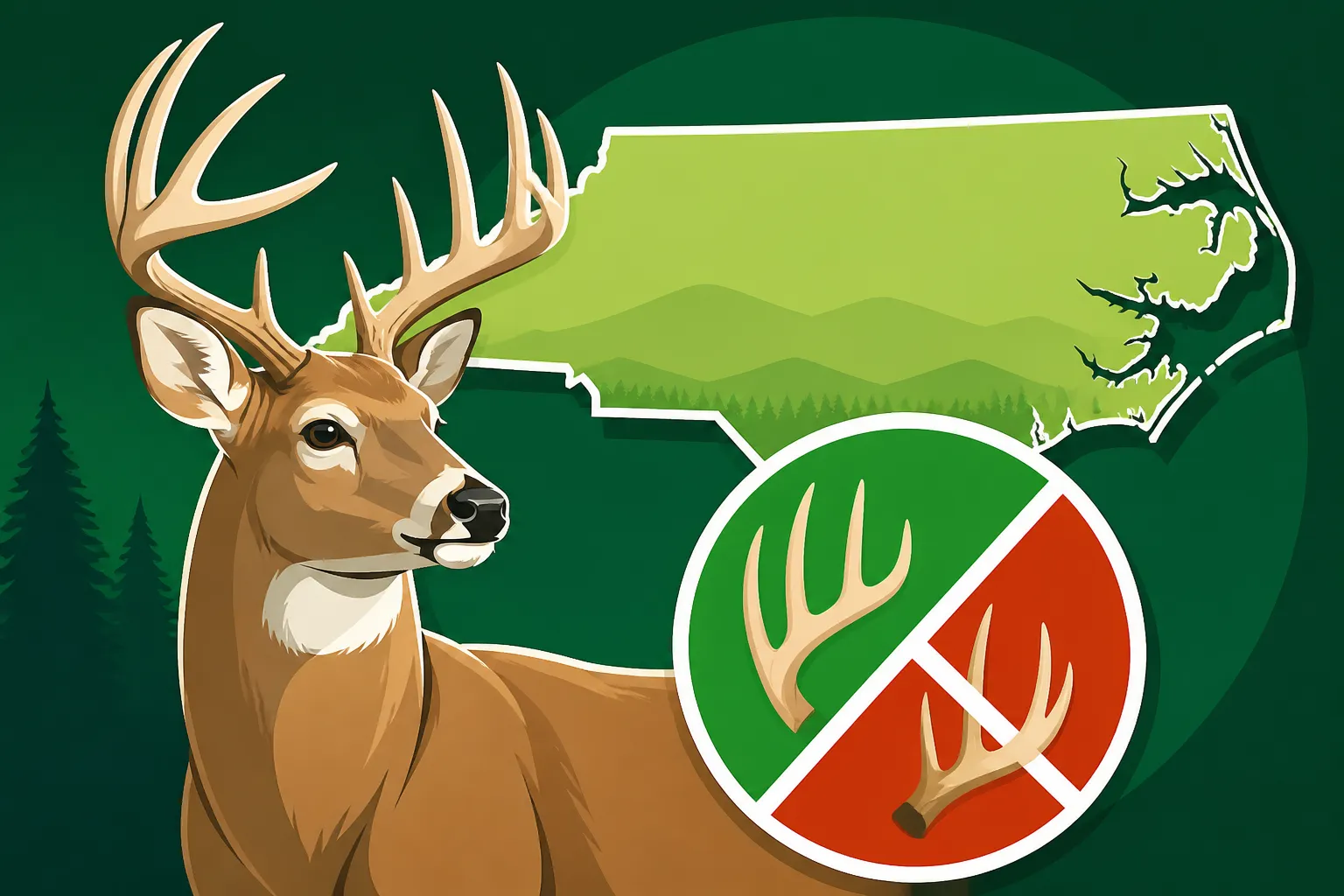
Let’s get right to the heart of the matter, because it's probably the first thing on your mind: North Carolina currently does not implement any statewide or even zone-specific antler point restrictions for white-tailed deer. You read that right. There are no mandatory rules dictating a minimum number of antler points, beam length, or spread for bucks harvested in North Carolina. This can be a significant departure for hunters accustomed to regulations in states like Virginia, Pennsylvania, or even parts of Georgia, where such restrictions are often in place to protect younger bucks and influence herd age structure.
Instead of focusing on antler points, the North Carolina Wildlife Resources Commission (NCWRC) manages its deer herd primarily through a combination of bag limits, season dates, and "doe days" or antlerless harvest opportunities. This approach gives hunters more flexibility in the field, allowing them to make ethical harvest decisions based on their personal hunting goals and the observed deer population in their hunting area, rather than being strictly limited by a buck's headgear. So, if you see a legal buck during an open season, whether it's a spike or a mature 8-point, you're generally good to go within the state's bag limits. This freedom often comes as a pleasant surprise to many, but it also places a greater emphasis on individual hunter discretion and understanding the broader management objectives.
Why North Carolina Has Opted Against Antler Point Restrictions (So Far)
The decision to not implement antler point restrictions isn't an oversight; it's a deliberate management choice by the NCWRC, rooted in a nuanced understanding of North Carolina's diverse deer populations and hunter demographics. There's a long history of debate and discussion surrounding APRs, and wildlife biologists here have weighed the pros and cons carefully, ultimately deciding to stick with alternative management strategies.
One of the primary arguments against APRs in North Carolina centers on the practicalities of enforcement and potential impacts on hunter behavior. Imagine a hunter trying to quickly count points on a buck moving through thick pine cover in the Coastal Plain, or in the low light of a mountain hollow. It can be incredibly challenging, leading to potential misidentification and frustration. Furthermore, some argue that APRs can actually encourage hunters to pass up legal, healthy yearling bucks, potentially increasing their vulnerability to other forms of mortality or inadvertently shifting harvest pressure to older, more vulnerable age classes.
The NCWRC has historically prioritized a management philosophy that balances recreational hunting opportunities with biological sustainability. They believe that liberal antlerless harvest opportunities, combined with reasonable overall bag limits, are more effective at managing deer populations across the state's varied habitats, from the dense Pocosins to the rolling Piedmont farmland, and up into the steep Appalachian Mountains. This approach allows local populations to be managed efficiently by controlling herd numbers directly, rather than relying on a potentially less precise method like antler restrictions, which some argue don't always achieve the desired biological outcomes in every landscape.
The Ongoing Discussion and Hunter Choice
While North Carolina doesn't have statewide APRs, the conversation around them is far from over. Many hunters, especially those deeply involved in quality deer management (QDM) principles, continue to advocate for or at least discuss the potential benefits of APRs. They often point to increased average buck age, improved buck-to-doe ratios, and a greater chance of encountering mature deer as potential outcomes. It's a valid perspective, and one that resonates with many who are passionate about seeing the deer herd reach its full potential.
However, the opposition often emphasizes the importance of hunter choice and the potential for a "one-size-fits-all" approach to be detrimental. What works in a heavily managed private land parcel in the Piedmont might not be practical or desirable in the vast public lands of the Nantahala National Forest. Mandating APRs could lead to unintended consequences, such as hunters feeling pressured to illegally harvest smaller bucks, or simply giving up on hunting altogether if they feel the regulations are too restrictive or confusing. This is where hunter education and understanding the broader ecosystem play a crucial role. Tools like GoHunt can be invaluable for hunters researching historical harvest data or analyzing property features that might indicate a tendency for larger deer, even in the absence of statewide APRs.
Here's a quick comparison of North Carolina's approach versus a typical APR state:
| Feature | North Carolina (No APRs) | Hypothetical APR State (Example) |
|---|---|---|
| Buck Harvest Rule | Any antlered buck, regardless of antler size/points. | Minimum 3 or 4 points on one side, or minimum beam length. |
| Primary Management Tool | Bag limits (bucks & does), season dates, antlerless harvest. | APRs, bag limits, season dates. |
| Hunter Discretion | High; hunters decide which legal buck to harvest. | Lower; harvest dictated by antler criteria. |
| Focus | Population control, hunter opportunity, biological health. | Age structure, "quality" buck production, population control. |
| Enforcement Challenge | Identifying legal deer (sex, season); bag limit compliance. | Correctly identifying antler criteria in the field. |
Many landowners in North Carolina do implement their own voluntary APRs or QDM practices on private land. They might allow only bucks with a certain number of points or a specific spread to be harvested by hunters on their property, aiming to grow older, larger deer. This private initiative allows for local-level management that fits specific property goals without imposing a statewide mandate that might not be suitable for all areas or all hunters. If you're looking for hunting land and are interested in these types of properties, understanding these local initiatives can be just as important as knowing the state regulations.
How North Carolina Deer Management Works Without Antler Point Restrictions
Since we don't have APRs, it's important to understand the systems that are in place to manage North Carolina's healthy deer population. The NCWRC employs a multifaceted strategy that aims to provide ample hunting opportunities while ensuring the long-term sustainability and health of the herd. This involves a careful balance of regulations, season structures, and diligent monitoring.
One of the foundational elements is the state's comprehensive system of North Carolina Deer Bag Limit Rules. Generally, hunters are allowed to harvest a total of six deer per season, with specific limitations on the number of antlered bucks. For instance, in most zones, you can take two antlered bucks per season. This limit, combined with generous antlerless harvest opportunities (often referred to as "doe days" or extended antlerless seasons), is crucial for managing the overall deer population, especially in areas where numbers need to be kept in check to prevent overbrowsing or reduce deer-vehicle collisions. The ability to harvest does is arguably the most effective tool for population control and maintaining healthy buck-to-doe ratios.
The state is also divided into distinct deer zones, each with its own set of season dates. Understanding North Carolina's Four Gun Deer Zones is paramount, as the opening and closing days for archery, muzzleloader, and gun seasons can vary significantly. For example, hunters in the Eastern Zones might have a much earlier gun opener than those venturing into the Western Zone. This tiered approach allows wildlife managers to tailor seasons to local deer populations, habitat conditions, and hunting pressure across the state's diverse geography. You can learn more about these specific dates and how they impact your hunting strategy by looking into topics like Hunting the Rut in the Eastern Zones or Hunting the North Carolina Rut by Zone.
Another critical component of deer management is mandatory harvest reporting. Every deer harvested in North Carolina must be reported to the NCWRC. This data is invaluable for biologists to track harvest trends, estimate population sizes, and identify areas where management strategies might need adjustment. You can find detailed information on North Carolina Deer Reporting Requirements and often report your harvest through the handy Scouting With the NC Wildlife App on your smartphone. The information collected from these reports helps paint a picture of the North Carolina Deer Population Estimate and informs future decisions about bag limits and season lengths.
Finally, the threat of Chronic Wasting Disease (CWD) is increasingly influencing deer management in North Carolina. While not directly related to APRs, CWD management efforts, particularly in counties designated as North Carolina's Chronic Wasting Disease Areas like Surry and Yadkin, are impacting carcass movement restrictions and mandatory testing requirements. These measures are critical for monitoring and containing the spread of this deadly disease, highlighting the complex and evolving nature of wildlife management beyond just antler growth. Even without APRs, hunters play a vital role in ensuring herd health by adhering to all regulations and reporting sick deer. The goal is to sustain a robust and healthy deer population for generations of North Carolina hunters, regardless of antler size.
Disclaimer
Please remember that hunting regulations can change. While this guide is designed to provide accurate and current information, it is always your responsibility to consult the latest North Carolina Wildlife Resources Commission (NCWRC) regulations before heading afield. This content is for informational purposes only and should not be considered legal advice.