North Carolina Raccoon Season Dates
Hunting raccoons in North Carolina can be a truly unique and engaging experience, offering a different kind of challenge and a chance to enjoy the outdoors during the cooler months. However, figuring out the precise dates for hunting and trapping these wily creatures can sometimes feel like navigating a maze of regulations, leaving many of us scratching our heads. This comprehensive guide is here to clear up that confusion, providing you with all the essential details about North Carolina's raccoon season dates and the rules you need to know to pursue these fascinating furbearers successfully and legally.
Understanding North Carolina's Raccoon Season Framework
When you're planning a hunt, knowing the exact dates is paramount. North Carolina offers a consistent and relatively long season for raccoons, which is great news for those who enjoy the thrill of a night hunt or the challenge of setting traps. Unlike some big game species that have complex zone-specific dates, raccoon seasons are generally straightforward and apply statewide, making your planning a little easier.
General Statewide Dates for Hunting Raccoons
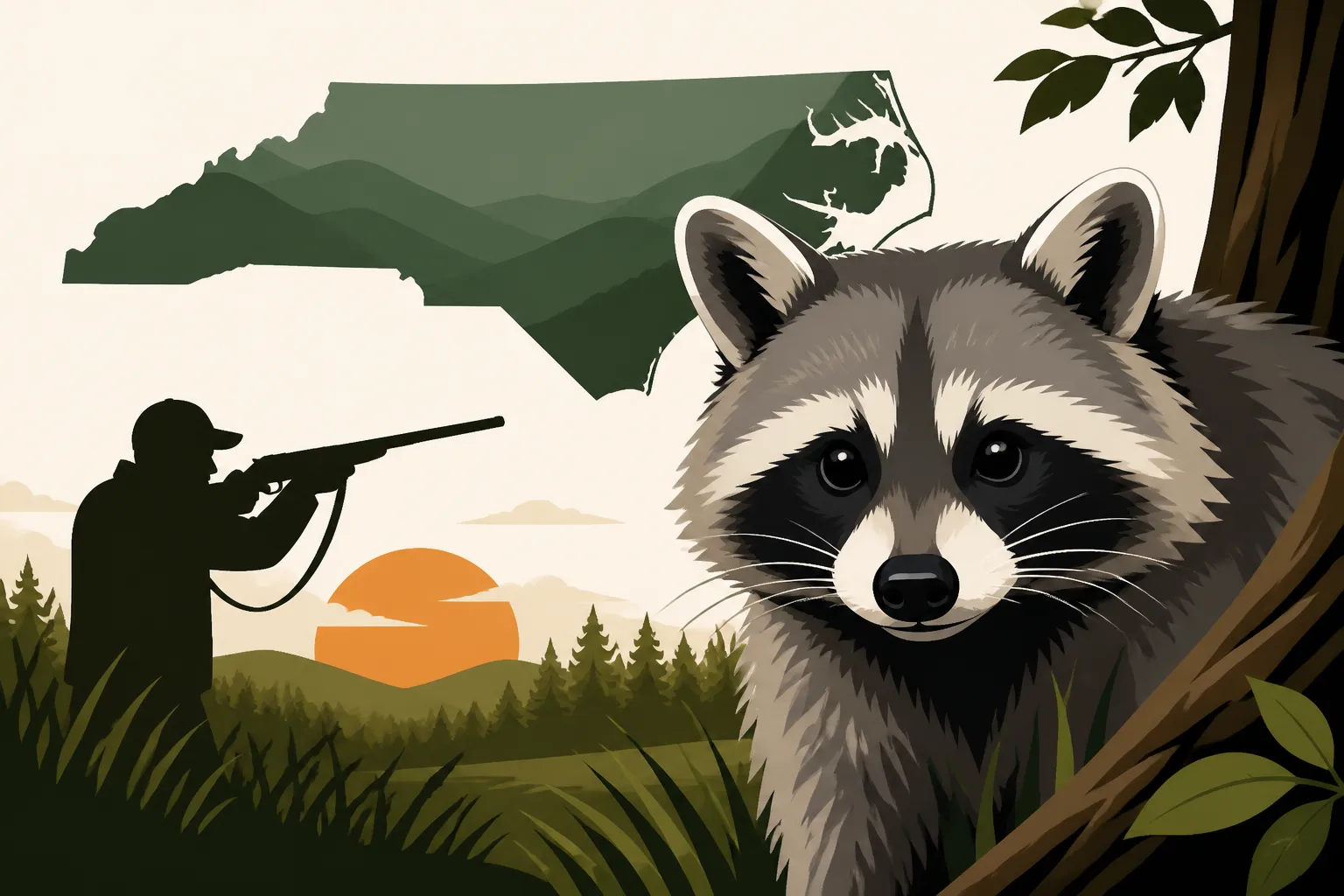
For most of us, the primary interest lies in the general hunting season for raccoons, whether we’re using dogs, calling them in, or simply still-hunting. In North Carolina, the statewide season for hunting raccoons (and opossums, which share the same season) typically opens in mid-October and runs through the end of February. Specifically, you can usually mark your calendar for October 16th through the last day of February. This generous window provides ample opportunity to get out into the woods during various weather conditions, from the crisp nights of late fall to the colder, bare-treed landscapes of deep winter.
This means you’ve got several months to enjoy pursuing raccoons, often overlapping with deer season, which can make for some interesting multi-species planning. There are no daily or season bag limits for raccoons, reflecting their abundant population across the state. This allows hunters to focus on the experience and management rather than worrying about specific harvest quotas. Whether you're hunting private land or heading out to a vast tract of public game land, these dates are your baseline. Keep in mind that while the dates are statewide, specific game lands might have additional restrictions or sign-in requirements, so always double-check the local rules for your chosen hunting spot. You can find many of these details by consulting the NC Wildlife Resources Commission's website or their annual regulations digest. For a broader understanding of small game seasons, you might also want to look into the general information on North Carolina Small Game Season Rules.
Trapping Seasons for Raccoons in North Carolina
While many envision hunting raccoons with dogs under the moonlight, trapping is another highly effective and widely practiced method, particularly for those looking to manage populations or harvest furs. The trapping season for raccoons in North Carolina, much like the hunting season, is also quite lengthy and straightforward. Generally, the statewide trapping season for raccoons (and opossums) opens a little later than the hunting season, usually commencing on November 1st and running through the last day of February.
This slightly different start date is important to remember if trapping is your preferred method. Trapping allows for a more consistent harvest over time and can be an excellent way to address nuisance issues on private property, even outside of traditional hunting hours. However, trapping comes with its own set of rules concerning trap types, placement, and reporting. For instance, you'll need a specific trapping license, and certain traps might be prohibited or require specific set regulations to ensure humane capture and prevent unintended catches. Always ensure you understand these nuances before setting your first trap, and consider delving into North Carolina Trapping License Requirements for full compliance.
Key Regulations Beyond Just Dates
Knowing when you can hunt or trap raccoons is only part of the equation. North Carolina has clear regulations that govern how you can pursue these animals, from the type of equipment you can use to any specific reporting or possession rules. Understanding these details ensures you’re not only legal but also ethical in your pursuit.
Legal Hunting Methods and Equipment
Hunting raccoons in North Carolina offers a good deal of flexibility in terms of methods. The most iconic way is, of course, with the aid of dogs, typically at night. The baying of hounds trailing a raccoon through the woods under a starry sky is a classic Southern tradition. You are absolutely permitted to use dogs for raccoon hunting throughout the season. Beyond that, hunters can use a variety of firearms, including rimfire rifles (like a .22LR), shotguns, and even small-caliber centerfire rifles. Many hunters opt for a .22 rifle for its quiet operation and effectiveness on raccoons without excessive pelt damage. Archery equipment is also a legal method for taking raccoons.
One of the most distinguishing features of raccoon hunting is the ability to hunt at night with the aid of a light. This is perfectly legal in North Carolina for raccoons (and opossums) on private lands, provided you have landowner permission. On game lands, night hunting with lights is often permitted, but always check the specific game land regulations, as some might require special permits or have additional restrictions. This is a critical detail that sets raccoon hunting apart from many other game species, and it’s important to understand the specific rules. If you're considering night hunting, you might find some useful insights by researching Night Hunting Rules for North Carolina Coyotes, as similar principles regarding lights and safety often apply to furbearer hunting at night.
When it comes to equipment, practical choices for raccoon hunting often include a good headlamp or powerful spotlight, especially for identifying raccoons in trees once the dogs have treed them. A sturdy pair of boots for navigating uneven terrain in the dark, and comfortable, quiet clothing are also essentials. While GoHunt primarily focuses on Western big game, its mapping features can still be a valuable asset for scouting potential raccoon habitat on public land or identifying property lines on private tracts, helping you plan your approach and navigation effectively.
Bag Limits, Possession, and Reporting
One of the great simplifications of raccoon hunting in North Carolina is the absence of specific bag limits. Unlike deer or turkey, where you must carefully track your harvest against daily and season limits, there are no daily or season bag limits for raccoons. This means you can harvest as many raccoons as you legally can during the open season without worrying about hitting a quota. This reflects the healthy and widespread population of raccoons throughout the state, as well as the perspective that they can sometimes be considered a nuisance species that can impact agricultural crops or local wildlife.
Similarly, there are typically no specific reporting requirements for raccoons. You don't need to check them in with the NC Wildlife Resources Commission as you would a deer or a bear. This makes the post-hunt process much simpler, allowing you to focus on processing your harvest for fur or meat (yes, properly prepared raccoon meat can be quite good!). However, always make sure to possess a valid North Carolina hunting license when pursuing raccoons, even if there are no bag limits or reporting needed. For general information on what licenses you need, a good resource to check is North Carolina Hunting Licenses and What They Cost. It’s always your responsibility to be aware of the most current regulations, as they can occasionally change.
Navigating Public and Private Land for Raccoon Hunting
Once you've got the season dates and methods down, the next big question is, "Where can I hunt?" North Carolina offers a mix of public and private land opportunities for raccoon hunters, each with its own set of considerations. Understanding how to access and legally hunt these areas is crucial for a successful and enjoyable experience.
Raccoon Hunting on North Carolina Game Lands
North Carolina boasts a substantial amount of public land managed as Game Lands by the NC Wildlife Resources Commission (NCWRC), and many of these areas are open to raccoon hunting. These Game Lands are fantastic resources, but they do come with specific rules that can sometimes differ from general statewide regulations. Typically, to hunt on Game Lands, you'll need a valid hunting license and a Game Lands license. It's an additional permit that helps fund the management and maintenance of these valuable public hunting areas.
Before you head out to a Game Land for a raccoon hunt, it’s imperative to consult the specific regulations for that particular area. Some Game Lands might have unique access rules, special permits required for night hunting or dog use, or even temporary closures for other managed hunts. The NCWRC website is your best friend here, often providing detailed maps and regulation supplements for each Game Land. Many hunters also use digital mapping tools like GoHunt (even though it's primarily for big game) or the official NC Wildlife Map tool to scout areas, identify boundaries, and understand terrain. Diving into Using the NC Wildlife Map Tool can provide excellent guidance on leveraging these digital resources to your advantage. Remember, even on Game Lands, the statewide raccoon hunting season dates of October 16th to February 29th (or last day of February) generally apply, but local nuances should always be confirmed.
Private Land Access and Considerations
For many North Carolina hunters, private land offers some of the best opportunities for pursuing raccoons. Private tracts can often hold higher densities of raccoons, especially those bordering agricultural fields or substantial timber blocks. Hunting on private land almost always requires explicit permission from the landowner. While North Carolina law does not always require written permission, it's always, always, always a good idea to have it. It protects you, the landowner, and prevents any misunderstandings. A simple signed note outlining the dates, what you're hunting, and who is allowed can save a lot of headaches.
Gaining permission on private land often comes down to respectful communication, building relationships, and demonstrating a commitment to safety and land stewardship. Many landowners, particularly farmers who might view raccoons as agricultural pests, are open to allowing responsible hunters access. If you're looking to gain access, consider stopping by in person, offering to help with small chores, or presenting a clear plan for your hunt. Don't be discouraged by initial rejections; persistence and politeness often pay off. Finding good private land can be a challenge, but the rewards are significant. For more in-depth advice on this topic, check out Getting Private Land Permission in North Carolina and consider familiarizing yourself with Do You Need Written Permission in North Carolina? to ensure you're fully compliant with state law.
Tips for a Successful North Carolina Raccoon Hunt
Hunting raccoons, especially at night, is a unique endeavor that requires a different approach than, say, deer hunting. From understanding their nocturnal habits to having the right gear, a few key tips can significantly increase your chances of a successful and enjoyable outing.
Best Times and Conditions to Hunt Raccoons
Raccoons are primarily nocturnal creatures, meaning they are most active between dusk and dawn. This makes night hunting the most productive method. Clear, calm nights are often preferred, as strong winds can make it difficult for dogs to track scent and for hunters to hear treed coons. A moonlit night can be a beautiful and sometimes helpful aid to navigation, though a bright spotlight is still essential for locating raccoons in trees. During colder periods in late fall and winter, raccoons tend to be more active as they forage intensely for food, making these months particularly good for hunting. They might be less active during extreme cold snaps or heavy rain.
Using dogs is perhaps the most traditional and effective way to hunt raccoons. A good pack of coonhounds can pick up a track and tree a raccoon, leading you right to it. If you're going with dogs, make sure they are well-trained and conditioned for extended chases. For those hunting without dogs, still-hunting along creek bottoms, field edges, and around den trees can be effective, especially if you're adept at spotting their reflective eyes with a spotlight. Predator calls, specifically those mimicking raccoons in distress or young raccoons, can also occasionally lure them in, especially during the breeding season or when they are particularly food-motivated. If you're intrigued by the use of dogs, consider exploring Running Hounds Where North Carolina Allows It for more details on this exciting method.
Essential Gear for Raccoon Hunters
While raccoon hunting doesn't require a mountain of specialized gear, having the right equipment can make a huge difference in comfort, safety, and success. A powerful, long-range spotlight is arguably the most crucial piece of equipment for night hunting, allowing you to scan tree canopies and spot the tell-tale eye-shine of a treed raccoon. A reliable headlamp is also essential for hands-free navigation and field dressing. For navigation, a GPS unit or a smartphone app with detailed maps is indispensable, especially when venturing into unfamiliar territory in the dark. Tools like the NC Wildlife Map or even commercial hunting apps such as GoHunt, with its detailed mapping layers, can be invaluable for staying on track, marking den trees, or identifying property lines.
Appropriate clothing is also key. North Carolina nights, especially in the late fall and winter, can get quite chilly, and you'll often be moving through thick brush and damp areas. Layering is important, as is wearing durable, briar-resistant outer layers. Waterproof boots are a must, particularly when traversing wet creek bottoms or swampy areas that raccoons frequent. If you're hunting with dogs, a good dog box for transport, and perhaps a GPS collar system for tracking your hounds in the dark, will prove invaluable. And, as with any hunting trip, a well-stocked first-aid kit is always a good idea. Being prepared ensures a safer and more enjoyable experience, allowing you to focus on the hunt itself rather than unexpected challenges.
North Carolina Raccoon Season Overview
Here's a quick summary of the typical raccoon hunting and trapping seasons in North Carolina:
| Activity | Start Date | End Date | Bag Limit | Reporting Required | Legal Methods |
|---|---|---|---|---|---|
| Hunting | October 16th | Last day of Feb | None | No | Firearms, Archery, Dogs, Night hunting with lights |
| Trapping | November 1st | Last day of Feb | None | No | Various legal traps (with proper license) |
| Nuisance Control | Year-round (with permit) | Year-round (with permit) | Varies | Yes (for permits) | Varies by permit |
Note: Always verify specific dates and regulations with the North Carolina Wildlife Resources Commission, as rules can be subject to change.
Disclaimer
Please remember that hunting regulations, seasons, and licensing requirements can change. While I strive to provide the most accurate and up-to-date information, it is always your responsibility to consult the official North Carolina Wildlife Resources Commission (NCWRC) website or their current regulations digest before heading into the field. This guide is for informational purposes only and should not be considered a substitute for official legal advice or current state regulations. Stay safe, hunt ethically, and enjoy your time in the beautiful North Carolina outdoors.