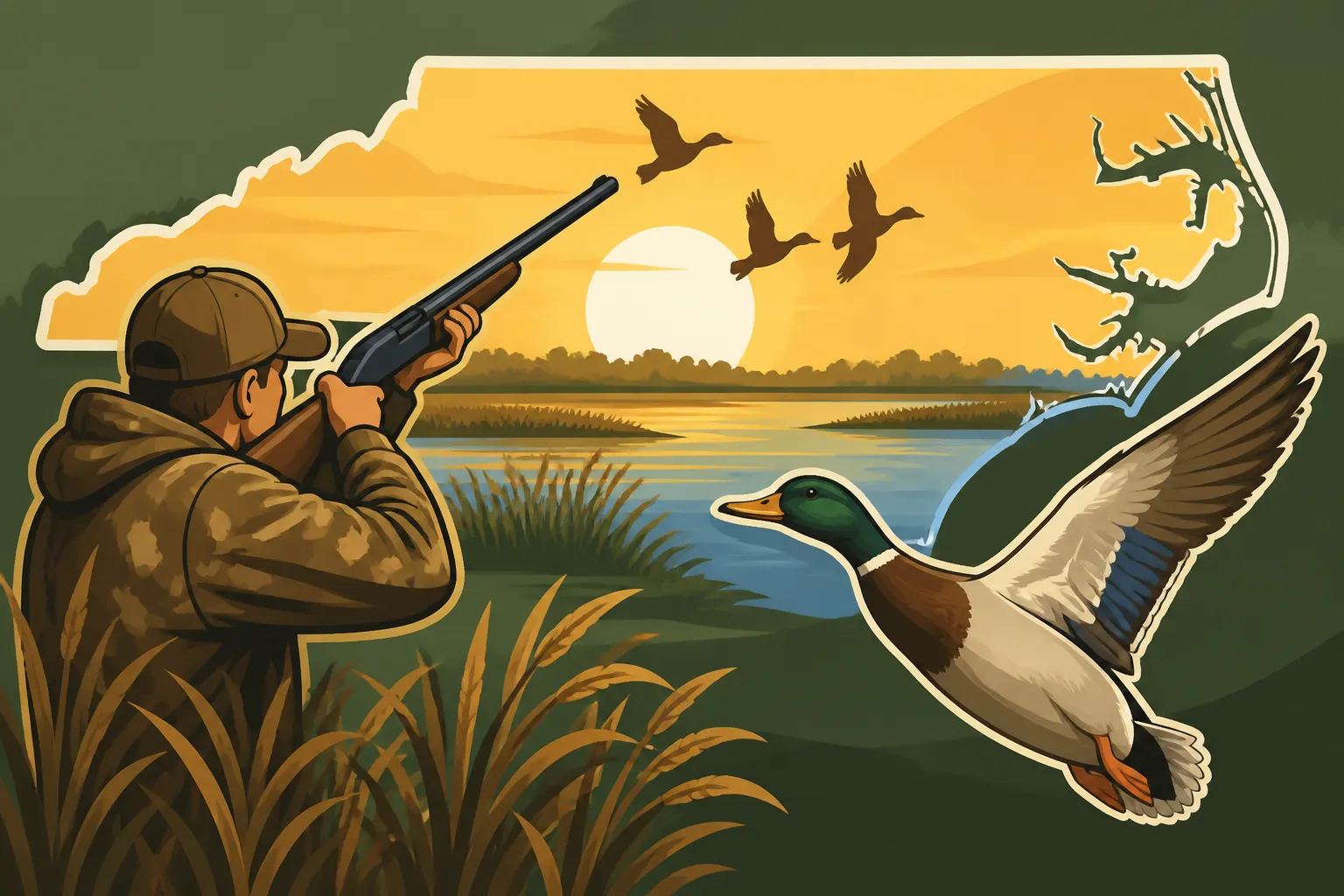
North Carolina Managed Waterfowl Impoundment Draws
For many North Carolina waterfowlers, finding prime hunting ground that isn't already overcrowded can feel like chasing a ghost. Public access to top-tier duck and goose hunting, especially in the coastal plain, is fiercely competitive. This guide is here to unravel the mystery of North Carolina's managed waterfowl impoundment draws, explaining exactly how to navigate the system and boost your chances of landing one of these coveted spots.
Understanding North Carolina's Managed Waterfowl Impoundments
If you've spent any time dreaming of green-winged teal raining down into a flooded cornfield or wood ducks whistling through cypress trees, you've likely envisioned a managed waterfowl impoundment. These aren't just natural wetlands; they're specially designed and maintained areas that provide critical habitat and concentrated feeding grounds for migratory waterfowl. The North Carolina Wildlife Resources Commission (NCWRC) invests significant resources into creating and managing these areas, which in turn offers hunters some of the most consistent and exciting waterfowl opportunities in the state.
What Exactly Are Managed Waterfowl Impoundments?
Managed waterfowl impoundments are essentially engineered wetlands, often located on public game lands or national wildlife refuges, that are manipulated to maximize food and cover for ducks and geese. Think about it: during the fall and winter migration, birds need places to rest and refuel. These impoundments are specifically designed to meet those needs. They might involve planting crops like corn, millet, or rice, which are then intentionally flooded at precise times to make them accessible to dabbling ducks. Other impoundments mimic natural swamps, with water levels carefully controlled to encourage the growth of submerged aquatic vegetation or to flood existing timber, creating ideal conditions for species like wood ducks.
The goal is two-fold: conservation and public hunting opportunity. By providing these highly attractive habitats, wildlife agencies can influence migration patterns, hold birds in an area longer, and provide crucial wintering grounds. For hunters, it means an opportunity to pursue waterfowl in areas where birds are concentrated and habitat conditions are optimized. You might find yourself in a carefully constructed blind overlooking acres of flooded crops, or tucked into a natural-looking pit blind in a vast open water impoundment that draws diving ducks. The diversity of these impoundments means a variety of hunting experiences, from fast-paced action over decoys to more patient waiting for specific flight times.
The "Draw" System and Why It Exists
Given how desirable these managed impoundments are, allowing unlimited public access would quickly lead to overcrowding, unsafe conditions, and a degraded hunting experience for everyone. It would also put undue pressure on the birds themselves, potentially negating the conservation efforts. This is precisely why the "draw" system exists. It's a lottery-based application process designed to allocate limited hunting opportunities fairly and manage hunting pressure effectively across the state's most popular waterfowl areas.
The draw system ensures that everyone, from seasoned veterans to brand new hunters, has an equal shot at drawing a coveted permit. It prevents a "first-come, first-served" free-for-all, which often benefits only those with the most time and resources to dedicate to staking out a spot. By controlling the number of hunters on a given impoundment at any one time, the NCWRC can maintain a higher quality hunting experience, reduce disturbance to the birds, and ensure that the habitat continues to support healthy waterfowl populations throughout the season. Without this system, many of North Carolina's premier waterfowl hunting locations would simply be overrun, making it nearly impossible to enjoy a peaceful and productive hunt. It’s an essential tool for sustainable hunting and managing resources wisely.
How to Navigate the Application Process
Applying for a managed waterfowl impoundment draw might seem a bit daunting at first glance, especially if you're new to the process. However, once you understand the steps and requirements, it becomes quite straightforward. The key is to be prepared, know your deadlines, and ensure all your ducks (pun intended!) are in a row before you submit your application.
Essential Licenses and Certifications
Before you even think about applying for a draw, you need to ensure you have all the necessary hunting licenses and certifications in North Carolina. Missing even one can render your application invalid or prevent you from hunting if you do draw a spot. This isn't just about revenue; it's about proving you're legally authorized to hunt and contributing to conservation efforts.
Here's a breakdown of what you'll typically need:
- North Carolina Hunting Licenses and What They Cost: At a minimum, you'll need a valid North Carolina hunting license. Residents have several options, from annual licenses to lifetime permits. Non-residents also have specific licenses they must acquire.
- North Carolina Big Game Privilege: While waterfowl aren't technically "big game," this privilege is often bundled with general hunting licenses, especially for residents. It's usually part of your base license package.
- North Carolina Game Lands License Requirements: Many managed impoundments are located on Game Lands. If you plan to hunt these areas, you absolutely need a Game Lands license. This special permit grants you access to millions of acres of public hunting ground across the state.
- North Carolina Migratory Bird Certification (HIP): This is mandatory for all migratory bird hunters in North Carolina, regardless of age. It's free and simply registers you with the Harvest Information Program, providing vital data for waterfowl management.
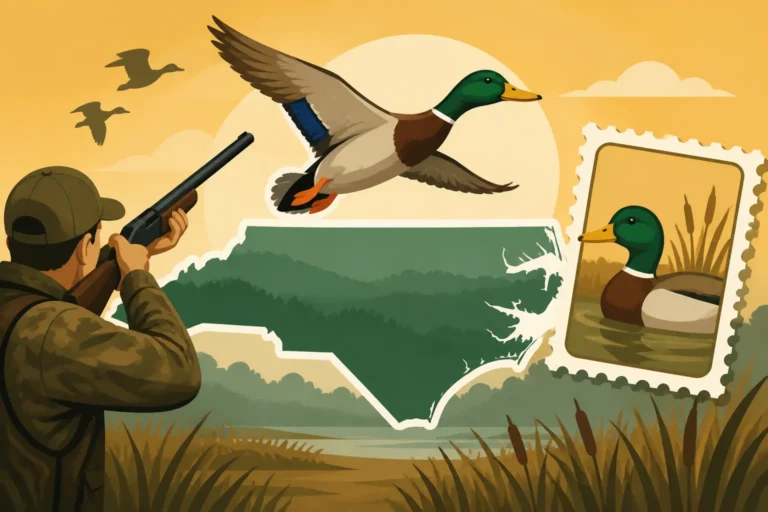
- North Carolina Federal Duck Stamp Requirement: This is a federal requirement for anyone 16 years of age or older hunting migratory waterfowl. The stamp must be signed across its face. What many hunters don't realize is that 98% of the money from these stamps goes directly to fund the acquisition of wetland habitat for the National Wildlife Refuge System. It's one of the most impactful conservation purchases you'll make.
Make sure all these are current and active. Most can be purchased or obtained directly through the NC Wildlife Resources Commission website or a licensed agent. It's a good idea to check your license status well in advance of any draw application periods.
Step-by-Step Guide to Applying for a Draw
The NCWRC manages these draws primarily through the GoHunt platform, which is integrated into their main website. Getting familiar with this online system is critical for applying, checking results, and managing your preference points.
- Create a GoHunt Account: If you haven't already, you'll need to create an account on the NCWRC's licensing and draw portal. This typically involves linking your existing North Carolina hunting license details.
- Monitor Application Windows: The application periods for managed waterfowl impoundment draws are specific and usually occur in the late summer or early fall, well before the seasons open. The NCWRC publishes these dates online, so keep an eye on their "Hunting Opportunities" or "Waterfowl Draws" sections. Missing the deadline means missing out for the entire season!
- Select Your Hunt Choices: Once the application window is open, log into your GoHunt account. You'll navigate to the managed waterfowl impoundment draw section. Here, you'll see a list of available impoundments, dates, and sometimes specific blind locations. You'll typically be able to select multiple choices, ranking them in order of preference. Do your homework here; don't just pick randomly.
- Consider Group Applications: If you plan to hunt with a buddy or a group, you can often apply as a party. This means if one person in the group draws a permit, everyone in that group gets to go. However, be aware that applying as a group means your draw odds are often based on the preference points of the member with the lowest number of points. More on preference points shortly!
- Submit and Pay: Review all your selections carefully before submitting your application. There's usually a small, non-refundable application fee. Once submitted, you'll receive a confirmation.
- Check Draw Results: After the application period closes, the NCWRC conducts the draw. Results are typically posted on the GoHunt portal within a few weeks. You'll usually receive an email notification if you've been successful. If you draw a permit, make sure to read all the instructions, specific rules for that impoundment, and check-in procedures carefully.
This process, while requiring a bit of attention to detail, is designed to be user-friendly. Don't be afraid to click around the GoHunt site before the application period to familiarize yourself with the layout.
Choosing Your Preferred Impoundments
Selecting which impoundments to apply for isn't just about picking the closest or most famous spot. It requires a bit of research and strategic thinking. Different impoundments offer different hunting experiences, target different species, and have varying success rates and draw odds.
Start by looking at the North Carolina Waterfowl Zones and Seasons to understand when different species are likely to be in different regions. Coastal impoundments, like those around Mattamuskeet National Wildlife Refuge Hunting Rules or Pocosin Lakes National Wildlife Refuge, are famous for their diver and dabbler populations, while impoundments further inland might see more wood ducks and mallards. The NCWRC website is an invaluable resource, often providing information on specific impoundment types (e.g., "flooded timber," "open water," "flooded agriculture") and historical harvest data. This data can give you an idea of the success rates and the primary species harvested at each location. For instance, if you're keen on hunting Wood Ducks in North Carolina swamps, you might prioritize impoundments with a strong flooded timber component.
Consider the pressure each area receives. Highly sought-after impoundments, like some of those managed through Mattamuskeet National Wildlife Refuge Hunting Rules, will have significantly tougher draw odds. If your goal is simply to experience a managed impoundment hunt, you might have better luck applying for less popular dates (mid-week hunts) or less well-known impoundments. If you're chasing specific species, tailor your choices to areas known to hold those birds. For example, if you're after diving ducks, you'll want to focus on impoundments that offer large expanses of open water, much like the areas you'd find when Hunting Currituck Sound Diving Ducks. This research phase is crucial; it helps you make informed decisions and avoids wasting your application on a hunt that doesn't align with your goals or has almost impossible odds without significant preference points.
Maximizing Your Chances and What to Expect
Drawing a managed waterfowl impoundment permit is often a game of patience and strategy. While some luck is always involved in a lottery system, there are definitely ways to stack the odds in your favor and ensure you're fully prepared if you're one of the lucky few.
Strategies for Improving Your Draw Odds
The biggest factor in improving your draw odds for North Carolina's managed waterfowl impoundments is the preference point system. This system is designed to reward loyalty and persistence.
Here’s how it typically works: For every year you apply for an impoundment draw and fail to be drawn, you generally receive one preference point. The more preference points you accumulate, the higher your chances in subsequent draws, as applicants with more points are given priority. This means even if you don't draw in your first few years, you're building equity towards a future permit. So, always apply, even if you don't think you'll draw, just to accrue those points.
Other strategies include:
- Applying for Less Popular Hunts: Everyone wants to hunt opening weekend or prime Saturday dates. By being flexible and applying for mid-week hunts, or dates later in the season (especially if you're targeting specific cold-weather migrants), you significantly increase your chances. The overall hunting pressure on public land, including these managed areas, tends to drop off after the initial excitement of opening day.
- Small Group Applications: If you hunt with a group, consider applying with just one or two other hunters instead of a large party. While larger groups mean more fun in the blind, remember that group applications are often weighted by the member with the fewest preference points. A smaller group with individuals who have higher preference points can sometimes have better odds than a large group where one member is new to the system.
- Research Draw Success Rates: The NCWRC sometimes provides historical draw success rates for various impoundments. Pay attention to this data. If an impoundment consistently has a success rate of less than 5% for applicants with 0-1 preference points, you might prioritize it lower on your list or manage your expectations. Conversely, an impoundment with a 15-20% success rate might be a better target if you're looking for any draw at all. Using the GoHunt portal to explore these statistics can be incredibly beneficial.
By understanding how preference points work and being flexible with your hunt choices, you can dramatically improve your long-term success in securing a spot in one of North Carolina's managed waterfowl impoundment draws.
Preparing for Your Hunt
Drawing a permit is just the first step; the real work begins with preparation. A successful hunt, whether you're Hunting Coastal Plain Pocosin Swamps or a flooded agricultural field, hinges on thorough planning.
Scouting (if allowed and feasible): For some impoundments, pre-season scouting might be restricted to minimize disturbance. However, if permissible, even a quick drive-by to observe bird activity or water levels can be invaluable. If physical scouting isn't an option, use aerial maps and historical knowledge. Understanding the lay of the land, potential flight paths, and where birds typically stage is critical.
Gear Check: Your gear needs to be dialed in. This includes:
- Shotgun and Ammunition: Ensure your shotgun is patterned correctly for the range you expect and that you have plenty of non-toxic shot, as lead shot is illegal for waterfowl hunting nationwide. Review North Carolina Duck and Goose Bag Limits to know how much ammo you might need (and how many birds you can take).
- Decoys: A good spread can make all the difference. Consider the type of impoundment (open water vs. flooded timber) and the species you're targeting. For example, if you're Hunting Currituck Sound Diving Ducks, you'll need a robust spread of diver decoys. If you're going to be Layout Blind Hunting Coastal Plain Fields, you'll want field decoys and maybe some full-body Canada geese.
- Calls: Practice your calling. Knowing when and how to use various duck and goose calls can significantly improve your success.
- Waders and Layered Clothing: You'll almost certainly be in water, so reliable waders are a must. North Carolina weather can change rapidly, so dress in layers to stay comfortable from predawn chill to midday warmth.
- Blind Materials: Some impoundments have established blinds, others are "open water" where you bring your own. Be prepared with natural camouflage materials or a portable blind if necessary.
Rules and Regulations: Re-read all the specific rules for your drawn impoundment. These often include specific check-in times, hunting hours, limitations on decoy numbers, and retriever dog rules. Being a good sportsman and respecting these rules not only ensures a smooth hunt but helps preserve these opportunities for everyone. Know your North Carolina Coastal Duck Zone Opening Dates and other season details, but always refer to the specific impoundment rules as they may have unique start/end times or bag limits. Remember that North Carolina Waterfowl Migration Timing plays a huge role in which species you'll encounter.
Table: Key Waterfowl Hunting Requirements and Dates
| Requirement/Action | Description | Typical Timing/Cost | Notes |
|---|---|---|---|
| Hunting License | General hunting license for NC (resident/non-resident) | Annual: ~$20-65 (resident), ~$100-150+ (non-resident) | Required for all hunting activities |
| Game Lands License | Required for hunting on NC Game Lands (most impoundments) | Annual: ~$16 (resident), ~$80 (non-resident) | Check if your impoundment is on Game Lands |
| Migratory Bird Cert. | Harvest Information Program (HIP) Certification | Free, must be renewed annually | Required for all migratory bird hunters |
| Federal Duck Stamp | Supports wetland conservation | Annual: ~$25 | Required for hunters 16+; sign across face |
| Impoundment Draw App | Application for specific managed waterfowl hunts | Late Summer/Early Fall (e.g., Aug-Sept) | Via GoHunt portal; fees apply |
| Draw Results | Notification of successful or unsuccessful draw | Typically 2-4 weeks after application closes | Check GoHunt or email |
| North Carolina Duck & Goose Seasons | Refer to the NCWRC website | Varies by zone and species (Coastal, Inland, Tundra Goose) | Always confirm current season dates and bag limits |
Following these guidelines will not only prepare you for the physical hunt but will also ensure you comply with all regulations, making for a safer, more enjoyable, and ultimately more successful experience in North Carolina's managed waterfowl impoundments.
Disclaimer
Please note that hunting regulations, license requirements, and draw processes can change. Always consult the most current North Carolina Inland Fisheries and Game Commission (NCWRC) regulations and publications before planning any hunting trip. This guide is for informational purposes only and should not be considered legal advice.