North Carolina Youth Turkey Weekend Dates
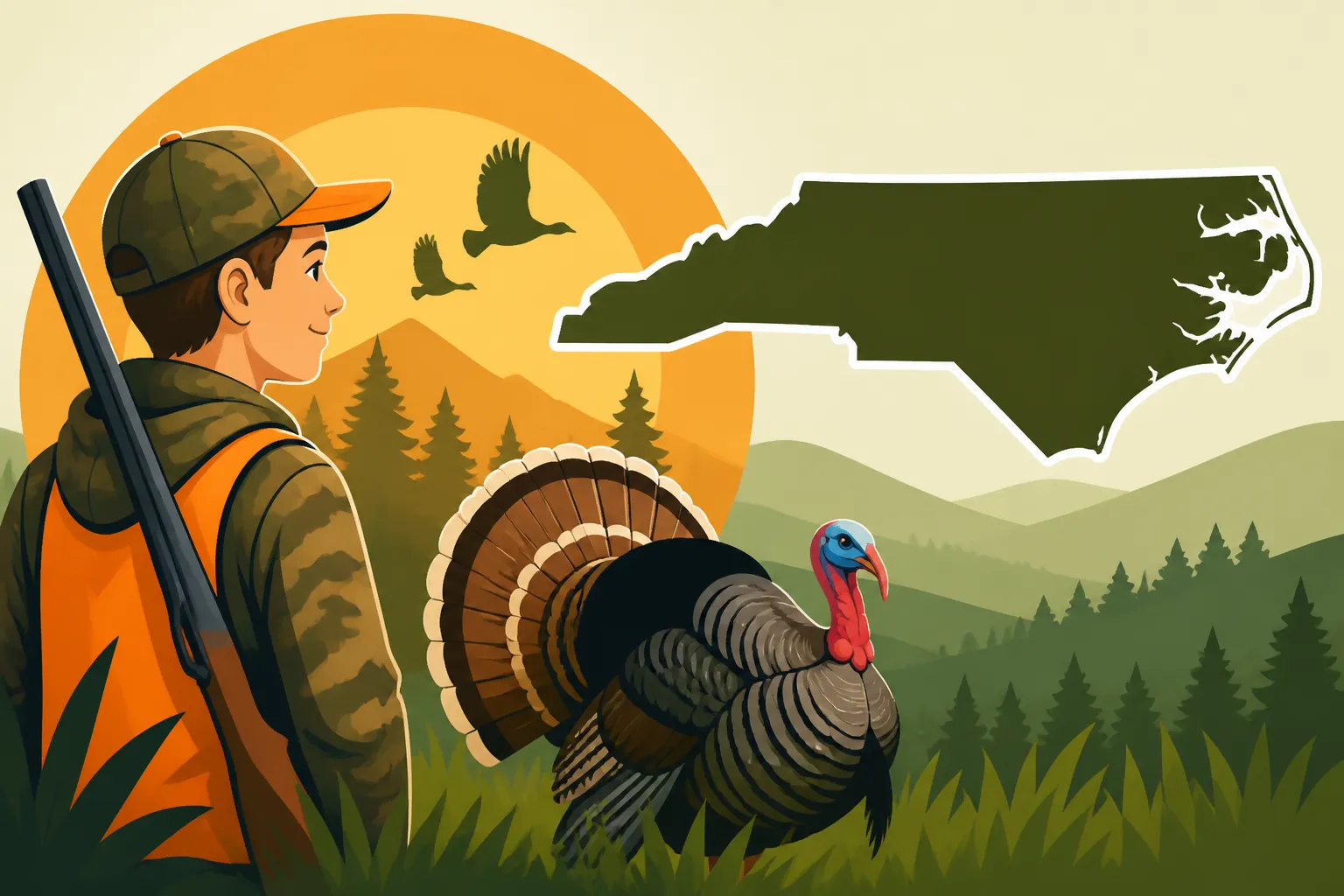
Trying to plan a memorable turkey hunt with your youngster in North Carolina? Navigating all the different season dates, especially for special youth opportunities, can feel like deciphering a secret code, and sometimes the official wording just isn't as clear as we'd like. This comprehensive guide will break down everything you need to know about the North Carolina Youth Turkey Weekend dates, ensuring you and your young hunter are fully prepared for an unforgettable spring adventure. We’ll cover the exact timing, what’s allowed, and how to set your young hunter up for success.
Pinpointing the North Carolina Youth Turkey Weekend Dates
It's absolutely vital to get these dates right, because missing the window means missing a prime opportunity to introduce a young hunter to the thrill of spring gobblers without the pressure of the statewide opener. North Carolina has a dedicated youth turkey weekend each spring, specifically designed for hunters under the age of 16. This special season typically falls a week before the general statewide turkey season opens, offering a fantastic head start.
The Early Bird Gets the Gobbler
This dedicated youth-only weekend is a real gift for young hunters and their mentors. It typically runs for two days, often a Saturday and Sunday, in early April. For example, in recent years, if the statewide opener was April 9th, the youth weekend would have been April 2nd and 3rd. This pre-season opportunity means less hunting pressure overall, and potentially more receptive birds that haven't been called to or spooked by many hunters yet. It's truly a unique chance to experience the woods when they're a bit quieter and the turkeys might be a little less wary. Many seasoned hunters will tell you these two days can be some of the most memorable of the entire spring season, precisely because they're focused entirely on the youth.
Why These Dates Matter So Much
The timing of this youth weekend is strategic. By placing it before the main season, the North Carolina Wildlife Resources Commission (NCWRC) aims to give young hunters a better chance at success. They're trying to foster a love for the outdoors and hunting in the next generation, and early success can go a long way. Think about it: if a young hunter is out there on the statewide opener, they're competing with every other hunter in the woods. During the youth weekend, the competition is significantly lower, leading to a much more relaxed and enjoyable experience for everyone involved. It also allows for focused one-on-one mentorship, where the adult can truly dedicate their attention to teaching calling, woodsmanship, and ethical hunting practices without the added stress of a crowded public land situation. Always double-check the most current North Carolina Youth Turkey Weekend Rules through the NCWRC's official regulations digest or their website, as dates can shift slightly year to year based on the calendar.
Key Regulations for the Youth Turkey Season
Beyond just knowing the dates, understanding the specific regulations for the youth turkey weekend is absolutely non-negotiable. There are crucial details regarding age, supervision, and bag limits that differentiate this special season from the general statewide hunt. Getting these wrong could lead to a less-than-ideal experience or, worse, a violation.
Age Requirements and Supervision Rules
The North Carolina Youth Turkey Weekend is strictly for hunters under the age of 16. This means if your child is 15 years old, they are eligible. If they turn 16 before or during the youth weekend, they are no longer considered a "youth hunter" for this specific season and would need to wait for the general statewide opener. This clear age cutoff ensures the opportunity is truly reserved for its intended demographic. Furthermore, any youth hunter participating in this weekend must be accompanied by a properly licensed adult at least 18 years of age. This adult cannot possess a firearm or bow and arrow themselves during the youth hunt and must remain within sight and normal voice contact of the youth at all times. They are there purely as a mentor and guide, not as an active participant in the hunt. This supervisory role is critical for safety and teaching. It's a prime opportunity to pass on knowledge without the distraction of trying to get a bird yourself. For more details on who needs a license and what type, check out the information on North Carolina Resident Hunting License Options.
Bag Limits and Permitted Weapons
During the youth turkey weekend, the bag limit is one gobbler per youth. This bird counts towards the youth's overall season bag limit, which is two gobblers for the entire spring season in North Carolina. So, if your child harvests a bird during the youth weekend, they would only be able to harvest one more gobbler during the remainder of the statewide season. This helps manage the turkey population and ensures fair chase. As for permitted weapons, youth hunters can use shotguns, bows, or crossbows, just like in the regular season. Shotguns are by far the most popular choice for turkey hunting due to their effectiveness at typical turkey ranges. Make sure your young hunter is proficient and comfortable with their chosen weapon before heading afield. Patterning their shotgun with the specific turkey load they'll be using is a crucial step to ensure clean, ethical kills. Remember, all harvested turkeys, including those taken during the youth weekend, must be reported to the NCWRC. Details on this can be found under North Carolina Turkey Checking Requirements.
| Season Aspect | Details |
|---|---|
| Season Name | North Carolina Youth Turkey Weekend |
| Eligibility Age | Under 16 years old |
| Typical Dates | Saturday and Sunday, one week prior to statewide opener (early April) |
| Supervision Required | Yes, licensed adult (18+) within sight/voice, no weapon |
| Bag Limit (Youth) | 1 gobbler per youth for the weekend |
| Overall Season Limit | 2 gobblers per hunter (youth weekend bird counts towards this) |
| Legal Weapons | Shotgun, Bow, Crossbow |
| Reporting Requirement | All harvested turkeys must be reported to NCWRC |
Preparing Your Young Hunter for Success
Taking a youngster turkey hunting is about so much more than just pulling the trigger. It's about instilling a deep appreciation for nature, teaching patience, and sharing traditions. Making sure their first turkey hunt is a positive and educational experience starts long before you ever step foot in the woods. This is where meticulous planning and thoughtful preparation really pay off.
Scouting and Understanding Turkey Behavior
Before the season even begins, taking your youth hunter out to scout can be an incredibly valuable experience. This isn't just about finding turkeys; it's about teaching them how to find turkeys. Look for tracks, droppings, strut marks, and dusting bowls. Listen for distant gobblers at dawn. Tools like GoHunt can be immensely helpful here, providing aerial imagery and public land boundaries that allow you to identify potential roosting areas, feeding spots, and travel corridors even before you lace up your boots. Explain why turkeys prefer certain habitats, why they might roost in tall pines over a creek bottom, or why they'd be feeding in a particular field. Understanding the natural world around them makes the hunt far more engaging. You can even practice your Calling a North Carolina Gobbler Off the Roost with them, showing them what calls sound like and when to use them.
Essential Gear and Safety Considerations
The right gear makes a huge difference in comfort and focus, especially for a young hunter. Ensure they have comfortable, layered clothing appropriate for the unpredictable spring weather in North Carolina. Good waterproof boots are a must, as spring woods can be damp. A comfortable, quiet vest with a seat pad will make sitting for extended periods much more manageable. Most importantly, emphasize safety. Review the four rules of firearm safety repeatedly. Teach them about target identification, shot placement, and what makes an ethical shot. Discuss the importance of blaze orange when walking in and out of the woods, even though it's not required while stationary turkey hunting. Remind them about the specific North Carolina Hunter Education Requirements if they haven't completed it yet. Carrying a small first-aid kit, plenty of water, and some snacks can also prevent discomfort from turning into frustration. Having a good map or a reliable GPS app (like GoHunt offers) can also teach valuable navigation skills and help instill confidence in finding your way, especially on larger tracts of public land.
Making the Most of the Youth Turkey Hunt Experience
The youth turkey weekend is a precious opportunity, and it's essential to approach it with the right mindset. This isn't just about bagging a bird; it's about building memories, fostering a connection to the outdoors, and developing a young hunter's skills. Every moment, successful or not, is a chance to learn and grow.
Patience and Realistic Expectations
Perhaps the most crucial aspect of guiding a youth hunter is patience. Turkeys are notoriously unpredictable, and a successful hunt often involves long periods of quiet waiting, missed opportunities, or birds that simply don't cooperate. It’s vital to manage expectations. Don't go into the woods assuming you'll call in a gobbler immediately. Instead, focus on the experience: the sounds of the waking woods, identifying other wildlife, and learning to sit still and observe. If a young hunter gets fidgety, take short breaks, move to a new spot, or simply engage them in conversation about what they're seeing and hearing. Remember, even if you don't call in a bird, a day spent in the woods with family is never a wasted day. You can discuss different Turkey Tactics for Piedmont Field Edges or how to use terrain to your advantage, even if the birds aren't responding.
Embracing the Teachable Moments
Every rustle in the leaves, every distant crow call, and every silent moment offers a teachable moment. Point out different bird songs, explain why a certain tree might make a good Setting Up Against a Big Oak for concealment, or discuss the importance of wind direction when trying to sneak through the woods. Talk about game ethics, the importance of conservation, and respecting the land and wildlife. If a gobbler hangs up or slips away, discuss why it might have happened and what you could do differently next time. These conversations are the foundation of a true hunter's education and often stick with a young person far longer than the memory of any single harvest. It's also a great time to explain Why the Youth Turkey Age Definition Changed in recent years, highlighting the NCWRC's dedication to youth hunting. Even after the season is over, you can review harvest data or scouting notes, perhaps using GoHunt’s historical data to analyze trends. This kind of post-hunt analysis reinforces learning and makes future hunts even more successful.
Disclaimer
The information provided in this guide is intended for general informational purposes only and does not constitute legal advice. Hunting regulations in North Carolina are subject to change. Always consult the most current North Carolina Wildlife Resources Commission (NCWRC) regulations digest or their official website before heading afield to ensure compliance with all state laws and local ordinances.