The New Special Early CWD-Zone Season
Navigating the ever-changing landscape of North Carolina hunting regulations can feel like trying to hit a moving target, especially when new challenges arise that impact our cherished traditions. The emergence of Chronic Wasting Disease (CWD) in our state has certainly thrown a curveball, bringing with it a whole new set of rules designed to protect our deer herd. If you've found yourself scratching your head over the specifics of the new Special Early CWD-Zone Season, feeling overwhelmed by what it means for your hunts, you're absolutely not alone. This guide is here to unravel the complexities, offering clear, empathetic, and detailed insights into this critical new season, ensuring you're fully prepared and compliant.
Understanding the CWD Threat in North Carolina
For generations, North Carolina hunters have enjoyed robust deer populations and relatively straightforward regulations. But the specter of Chronic Wasting Disease has introduced a serious and unwelcome complication, demanding our attention and cooperation. It’s a challenge none of us wanted, but one we absolutely must face head-on to safeguard the future of our deer and our hunting heritage.
The Looming Shadow of Chronic Wasting Disease
Chronic Wasting Disease is a nasty neurological disease that affects deer, elk, moose, and reindeer. It's caused by abnormal proteins called prions, and once an animal contracts it, there's no cure. The disease slowly degrades the animal's brain, leading to strange behavior, emaciation, and ultimately, death. What makes CWD so terrifying for wildlife managers and hunters alike is its persistence in the environment; prions can remain viable in soil and on plants for years, making containment incredibly difficult.
Imagine a silent, invisible enemy that could decimate our deer herds, changing hunting as we know it forever. That's the reality CWD presents. While direct transmission to humans hasn't been definitively proven, public health officials recommend against consuming meat from CWD-positive animals. This adds another layer of concern for those of us who rely on venison to fill our freezers and feed our families. The fear isn't just about losing hunting opportunities; it's about the very health and future of an iconic species in our state.
The frustration is palpable among hunters. We've always been stewards of the land and its wildlife, and now we're asked to adapt to a threat that feels largely out of our control. The changes to seasons and regulations can feel inconvenient, even burdensome, but they stem from a very real and urgent need to prevent wider spread of this devastating disease. Understanding the gravity of CWD is the first step in accepting and effectively participating in these new management efforts.
North Carolina's CWD Footprint and Management Areas
North Carolina's first confirmed CWD case was a shock, quickly followed by the establishment of CWD Management Areas (CWDMAs). These areas, primarily in the northwestern part of the state, are ground zero for our battle against the disease. Currently, the North Carolina Wildlife Resources Commission (NCWRC) identifies several counties as CWD-positive or within a CWD management zone, including Surry, Yadkin, Wilkes, Alleghany, Ashe, Stokes, and Forsyth counties. This isn't just a distant problem for some; for hunters in these counties, it’s a direct and immediate impact.
These specific areas are designated based on where CWD has been detected or where the risk of spread is highest. It means that if you hunt in, say, Surry County, your hunting experience and responsibilities are now different than if you're hunting in the eastern part of the state. The boundaries can be confusing, often following county lines, but sometimes even smaller-scale divisions. It's crucial for hunters to know exactly which zone they're in. For detailed maps and specific boundaries, resources like the NC Wildlife App or platforms like GoHunt can be invaluable in visualizing these zones before you ever step foot in the woods. These tools allow you to zoom in on your hunting grounds and see if they fall within one of these critical areas.
The expansion of these CWDMAs, even if it's just by a county or two, represents a significant concern. Each new positive test means a potential expansion of surveillance and management efforts, which could further restrict hunter activities or increase mandatory testing. This ongoing vigilance is why staying current on the latest updates from the NCWRC is not just recommended, but absolutely essential for anyone who hunts deer in North Carolina. You can find comprehensive information about North Carolina's Seven-County CWD Footprint on the NCWRC website, which details the affected areas and why they were designated as such.
What Exactly Is the Special Early CWD-Zone Season?
The introduction of the Special Early CWD-Zone Season might seem like another layer of complexity, but it’s a carefully considered management tool. It’s not just another opportunity to hunt; it’s a targeted effort to address CWD head-on in the most critical areas.
Purpose and Objectives Behind the Early Season
The primary objective of this new early season is quite straightforward: to increase harvest pressure on deer within the CWD Management Areas, specifically targeting antlered bucks. The hope is that by reducing deer density, particularly older, wider-ranging bucks, the spread of CWD can be slowed down. Older bucks, with their larger home ranges and more extensive rubbing and scraping behaviors, are thought to be significant vectors for spreading prions throughout the landscape.
By giving hunters an earlier opportunity to harvest these specific animals, the NCWRC aims to reduce the overall CWD prevalence and limit the geographical expansion of the disease. It’s a proactive measure, rather than a reactive one, acknowledging that early intervention offers the best chance at long-term control. This isn't just about killing deer; it's about strategic wildlife management, using hunters as a vital part of the solution.
This strategy can be frustrating for hunters who prefer to stick to traditional season dates or who feel that adding an early season might increase pressure on the herd. However, it's important to remember that these decisions are based on scientific models and disease management principles aimed at protecting the entire deer population, not just providing more hunting days. It’s a tough pill to swallow for many, but the alternative—allowing CWD to spread unchecked—would be far worse for North Carolina's deer herd and our hunting future.
Dates and Geographical Scope of the Season
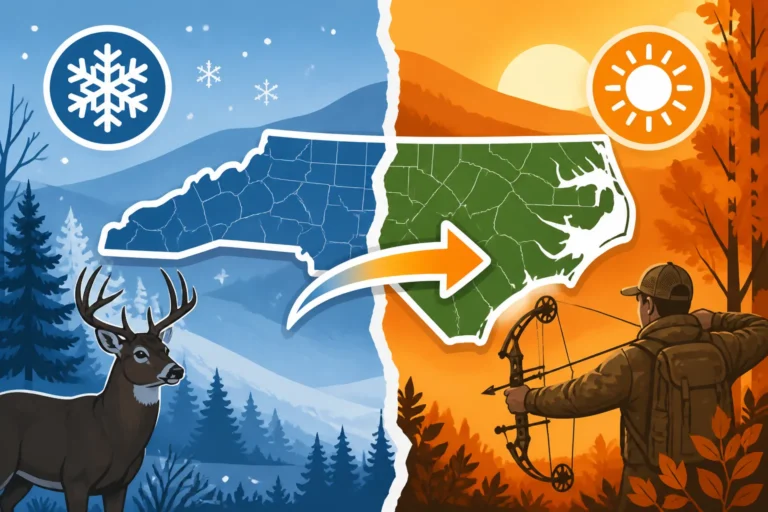
The Special Early CWD-Zone Season is extremely specific in its timing and location, which is a major point of confusion for many. It only applies to CWD Management Areas within certain deer zones, and the dates are very narrow. For the 2024-2025 season, for instance, hunters in the CWD Management Areas located within the Western Deer Zone have an antlered-deer-only season from August 22-25. Meanwhile, the CWD Management Areas within the Central Deer Zone have their antlered-deer-only season from September 7-8. These aren't statewide dates; they are surgical strikes in precise locations.
Understanding When the New Special Early Season Runs is absolutely paramount. If you hunt in Alleghany County, for example, which is in the Western Zone CWDMA, you’ll be focused on those August dates. If you're hunting in Forsyth or Stokes County, which fall into the Central Zone CWDMA, your early season opportunity is in early September. These dates precede the traditional statewide archery opener, giving hunters a unique, early-bird opportunity that is exclusively tied to the CWD threat. This highly localized approach underscores the targeted nature of the regulation.
The geographical scope means that even if you hunt in one of the seven CWD counties, you need to double-check if your specific hunting grounds fall within the designated CWD Management Area and which deer zone it belongs to. A quick check on the NCWRC website or using a mapping application like GoHunt can help pinpoint these exact boundaries, preventing any accidental violations. It’s not enough to just know your county; you need to know the specific jurisdictional overlays that dictate these new early season opportunities.
Antlered Deer Focus and Bag Limits
A crucial aspect of the Special Early CWD-Zone Season is its exclusive focus on antlered deer. This isn't a season for taking any deer; it’s specifically designed to remove older, mature bucks from the population in hopes of slowing CWD spread. This detail, Why the Early Season Targets Antlered Deer Only, is often misunderstood but is central to the NCWRC's strategy. The scientific premise is that these bucks are more likely to have wider home ranges and engage in behaviors (like rubbing antlers on trees and creating scrapes) that could spread prions across a larger area.
While traditionally, many hunters might focus on harvesting antlerless deer for meat management, this early CWD season flips that script in an important way. It’s a targeted intervention, not a general population control measure. The bag limit for this early season is also clearly defined and usually falls within the statewide or zone-specific antlered deer limits, but it counts towards your overall annual bag limit. For example, if you harvest an antlered deer during the August CWD season, that deer comes off your maximum buck harvest for the entire year.
This emphasis on antlered deer means hunters need to be extra diligent about positive identification before taking a shot. There’s no room for "might be a buck" during this season. You need to be certain. This places a premium on good scouting, clear shooting lanes, and patience—all hallmarks of ethical hunting, but even more critical when operating under such specific regulations. Understanding these limitations is key to participating responsibly and effectively in this specialized early season.
Navigating the Rules and Regulations
With a new season comes new rules, and these aren't just minor tweaks. The Special Early CWD-Zone Season comes with stringent requirements that every participating hunter must understand and follow to the letter. Ignorance of the law is never an excuse, especially when dealing with a public health and wildlife management crisis like CWD.
Licensing and Permit Requirements
First things first: you need to be properly licensed and permitted to hunt during this special early season, just like any other deer season in North Carolina. This means holding a valid North Carolina hunting license, along with the required Big Game Harvest Report Card or Big Game Privilege license that allows you to harvest deer. There isn't a separate, specific "CWD early season permit" that you need to purchase in addition to your standard deer hunting licenses.
However, because this season is restricted to specific CWD Management Areas, hunters must be absolutely sure their general licenses are current and that they understand all the rules for the particular area they intend to hunt. For instance, if you're hunting on Game Lands within a CWDMA, you'll still need a valid Game Lands license. This isn't unique to the CWD season, but it's a good reminder to ensure all your paperwork is in order before heading out.
The NCWRC has streamlined the licensing process, making it easy to purchase or renew licenses online through their portal or by phone. It's always a good practice to carry your physical license or have a digital copy accessible on your phone, particularly when hunting in areas with heightened scrutiny, like CWDMAs. Double-check your license expiration dates well in advance of the season to avoid any last-minute surprises that could prevent you from participating in this important early hunt. You can also explore various North Carolina Resident Hunting License Options to ensure you have the appropriate coverage for your hunting activities.
Mandatory Testing and Carcass Movement Restrictions
This is perhaps the most critical difference when hunting in a CWD Management Area, particularly during this special early season. If you harvest a deer within a CWDMA during this or any other deer season, mandatory CWD testing is required. This isn't optional. Hunters must submit samples from their harvested deer for testing. The NCWRC provides designated drop-off locations, often at local game lands offices, taxidermists, or participating veterinarians, where you can submit the necessary lymph node sample.
Equally important are the carcass movement restrictions. You cannot simply take your entire deer out of a CWD Management Area and process it at home if your home is outside that zone. This regulation is designed to prevent the spread of CWD prions to new areas. Generally, only specific parts of the deer are allowed to leave a CWDMA, such as deboned meat, clean skull plates, hides, and taxidermy products that are completely free of brain and spinal cord tissue. You can find comprehensive details about Moving a Deer Carcass Out of a CWD Area on the NCWRC website, which clearly outlines what's permissible.
Imagine the frustration of harvesting a beautiful buck only to realize you can't take it home. This is why understanding these rules before you hunt is so vital. Many hunters choose to process their deer completely within the CWDMA or utilize a deer processor located within the zone. Some private landowners might even have agreements in place for on-site processing. It's a significant logistical change, and planning for it is just as important as planning your stand location. Always ensure you are familiar with the specific regulations for Mandatory Testing Inside a CWD Surveillance Area as these can be updated.
Allowed Hunting Methods During the Early Season
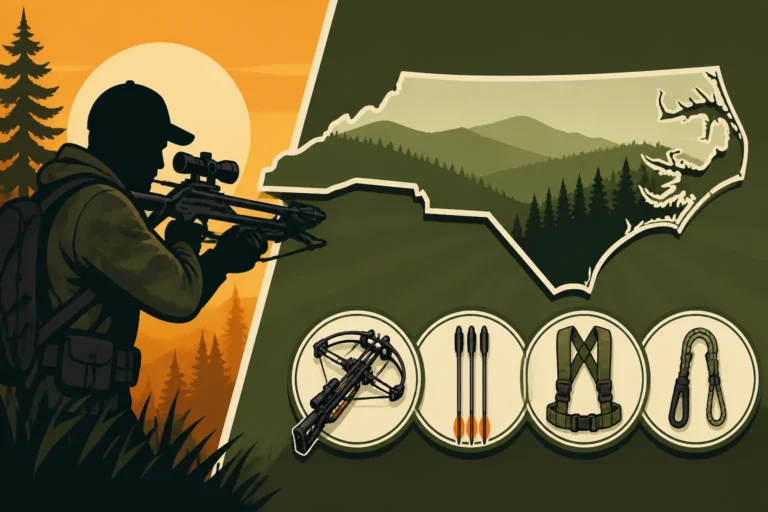
The Special Early CWD-Zone Season is currently an archery-only season. This means you can only use bows or crossbows to harvest deer during these specific August and September dates. For hunters accustomed to firearms during the general season, this requires a shift in gear and tactics. It's a deliberate choice by the NCWRC to provide an early opportunity while maintaining a traditional archery framework, often seen as a less impactful method on the overall deer population outside of targeted management.
The rules for crossbow use during North Carolina's archery seasons generally allow them for all hunters, provided they meet specific equipment requirements. So, whether you prefer a compound bow, traditional recurve, or a crossbow, you can participate, as long as your equipment is legal for archery hunting in North Carolina. You can find more specific details on Crossbow Rules During North Carolina Archery Season if you're considering using one. However, the overarching rule for this early season remains: no firearms allowed.
This also means that the typical rules for things like baiting and stands on public lands within a CWDMA would still apply according to statewide and game land regulations. For example, baiting for deer is generally not allowed on North Carolina Game Lands, regardless of it being a CWD zone. So, while the dates are new, many of the established hunting method rules remain in effect. Hunters should always consult the current North Carolina Inland Fishing, Hunting, and Trapping Regulations Digest for the most up-to-date and comprehensive information on legal hunting methods.
Hunter Responsibilities in a CWD Zone
Being a hunter in a CWD Management Area isn't just about adhering to new rules; it's about embracing a heightened sense of responsibility. We are on the front lines of this fight, and our actions directly impact the success of CWD containment efforts.
Mandatory Reporting and Sample Submission
As mentioned, mandatory CWD testing is a cornerstone of this management strategy. When you successfully harvest an antlered deer during the Special Early CWD-Zone Season, your responsibility doesn't end with tagging the animal. You must submit a sample for CWD testing. This usually involves dropping off the deer's head, or specifically the lymph nodes from the head, at a designated CWD sampling station. These stations are set up strategically within or near CWD Management Areas for convenience.
The NCWRC provides detailed instructions on how to collect the necessary samples yourself if you choose, but most hunters find it easier to utilize the official drop-off sites. These sites are staffed or equipped to collect the appropriate samples efficiently. You’ll typically need to provide your name, contact information, and details about where and when the deer was harvested. This data is critical for tracking the disease and understanding its prevalence. You can easily find a list of Finding a North Carolina CWD Sampling Location near you on the NCWRC website.
The information gathered from these mandatory samples is invaluable. It helps biologists understand the spread of the disease, identify new hot spots, and evaluate the effectiveness of management strategies, including the early CWD season itself. Your participation in this process directly contributes to the larger scientific effort to protect North Carolina's deer herd, making every submitted sample a vital piece of the puzzle. It's a direct way hunters can be part of the solution rather than just spectators.
Protecting Your Harvest and Preventing Spread
Beyond mandatory testing, hunters have a personal responsibility to minimize any potential spread of CWD. This includes careful handling of your harvested animal. If you process your deer yourself, ensure that all high-risk parts—such as the brain, spinal cord, eyes, spleen, and lymph nodes—are disposed of properly. The best practice is to double-bag these materials and dispose of them in a lined landfill within the CWD Management Area, not just throwing them in the woods or your regular trash outside the zone.
For those utilizing a commercial processor or taxidermist, it's paramount to choose one that is located within the CWD Management Area. These businesses are typically well-versed in CWD protocols and will ensure proper handling and disposal of high-risk materials. If you opt to use a processor outside the CWDMA, remember those strict carcass movement rules: only deboned meat, clean skull plates, and hides are allowed to cross the boundary. This means a lot more work in the field or at a temporary processing station before transport.
This vigilance is a small price to pay to ensure we're not inadvertently contributing to the problem. The thought of unknowingly spreading CWD is chilling for any responsible hunter. Being meticulous with your harvest, from the moment of the shot to the final packaging of venison, is a commitment we must all make in these challenging times. While it adds extra steps, it’s about preserving a resource we all cherish.
Staying Informed About CWD Updates
CWD research and management strategies are constantly evolving, and what's true today might be slightly different tomorrow. Therefore, staying informed is one of the most critical responsibilities for hunters in North Carolina, especially those who hunt in or near CWD Management Areas. The NCWRC is the official source for all regulations and updates, and regularly checking their website is the best way to ensure you have the most current information.
Additionally, subscribing to NCWRC email newsletters, following their social media channels, and even attending local public meetings when available can provide real-time updates and clarifications. Platforms like GoHunt also integrate regulatory information into their mapping tools, which can be incredibly helpful for seeing immediate changes or alerts tied to specific geographical areas. This dynamic situation demands ongoing engagement from the hunting community.
There’s also an important role for word-of-mouth and community discussion, but always verify information with official sources. Misinformation can be just as damaging as ignorance. By staying on top of the latest news about CWD prevalence, new surveillance areas, or changes to testing requirements, you not only protect yourself from potential violations but also contribute to a better-informed hunting community, ready to tackle this challenge together.
Impact on Local Hunting and Deer Management
The Special Early CWD-Zone Season, and CWD itself, are more than just new rules; they represent a significant shift in how we approach deer hunting and management in North Carolina. The repercussions extend beyond a few specific dates, influencing traditions, strategies, and the very long-term health of our deer herd.
Changes to Traditional Hunting Seasons and Strategies
For many North Carolina hunters, the early CWD season marks a departure from established routines. Typically, bowhunters would wait for the statewide archery opener, often in early September. Now, hunters in CWD Management Areas might find themselves in the woods in late August, chasing antlered deer. This early opportunity, while limited in scope, shifts scouting priorities and opens up possibilities for warm-weather hunting strategies.
The focus on antlered deer during this special season can also influence how hunters manage their personal harvests for the year. If a hunter takes a buck in August or September, that's one less buck they can harvest later in the general season or during the rut. This means more careful planning of when and where to allocate their buck tags. It might encourage some to be more selective, knowing they have a limited number of opportunities for antlered deer.
Furthermore, the stringent carcass movement restrictions and mandatory testing might alter preferred hunting locations for some. A hunter who typically travels from the Western CWDMA to the Coast for another hunt, bringing their deer back, now faces significant logistical hurdles. This could lead to more localized hunting or a greater reliance on in-zone processors. These changes, while inconvenient, are a necessary adaptation to a serious threat. Deer drives, often a popular late-season tactic on public lands, will need to carefully consider CWD zones if those tactics are employed within affected areas as well.
Long-Term Goals for Deer Herd Health
The ultimate goal behind the Special Early CWD-Zone Season and all CWD management efforts is the long-term health and sustainability of North Carolina's deer herd. While a cure for CWD is not yet available, aggressive management aims to keep the prevalence low and prevent the disease from becoming endemic across the entire state. This is about ensuring that future generations can enjoy healthy deer populations and vibrant hunting traditions.
The hope is that by reducing the number of older, more mobile bucks, and through mandatory testing, the NCWRC can gain a clearer picture of CWD distribution and potentially slow its spread. This strategic removal of deer from the population is not about reducing deer numbers indiscriminately; it’s about targeting individuals most likely to be infected or transmit the disease. It’s a precision approach in a broad challenge. The data collected from How Many Deer Have Tested CWD-Positive in North Carolina continues to inform these strategies.
Successful management will require sustained effort, adaptability from hunters, and continued scientific research. This early season is one tool in a larger toolkit that includes surveillance, public education, and potentially even habitat management. Our collective commitment today to these challenging measures will dictate the health of our deer herd tomorrow.
Community Involvement and Education
The fight against CWD cannot be won by wildlife agencies alone; it requires the active participation and understanding of the entire hunting community and, indeed, the broader public. Hunters are crucial partners in this effort, serving as the eyes and ears in the field and providing essential samples for testing. Without hunter cooperation, the NCWRC's efforts would be severely hampered.
This means being an advocate for responsible CWD management. Educate your fellow hunters, friends, and family about the importance of following regulations, particularly those concerning mandatory testing and carcass movement. Share accurate information and dispel myths. Your enthusiasm for hunting, combined with your commitment to ethical and responsible practices, can be a powerful force in safeguarding North Carolina's deer.
Local hunting clubs, conservation organizations, and even informal hunting camps have a vital role to play in disseminating information and fostering a culture of compliance. When North Carolina Deer Camp Traditions are shared, so too should the updated regulations and the importance of preventing CWD spread. By working together, sharing knowledge, and adhering to the guidelines, we can collectively face this challenge and strive to protect the magnificent white-tailed deer population that makes hunting in North Carolina so special.
CWD Management Resources
To help hunters navigate the complexities of CWD and its associated regulations, here is a quick reference table of essential resources and information.
| Resource Category | Key Information Provided | Importance for Hunters |
|---|---|---|
| NCWRC Official Website | Latest CWD updates, regulations, maps, sampling locations | Authoritative source for all CWD-related rules and information |
| CWD Management Area Maps | Detailed boundaries of affected counties and zones | Crucial for determining if your hunting area is impacted |
| Mandatory Testing Info | Instructions for sample submission, drop-off locations, lab results | Essential for compliance after harvesting a deer in a CWDMA |
| Carcass Movement Rules | Permitted deer parts for transport outside CWDMAs | Prevents unintentional spread of CWD to unaffected areas |
| GoHunt / OnX Maps | Overlay CWD zones on property maps, scouting tools | Visual aid for planning hunts and staying within legal boundaries |
| NC Wildlife App | Digital license, deer reporting, access to regulations, maps | Convenient mobile access to critical hunting information |
| Hunter Education Courses | Fundamental knowledge of hunting laws, ethics, and safety | Foundational for all hunters, especially with new regulations |
Disclaimer
The information provided in this guide is intended for general informational purposes only and is subject to change. Hunting regulations, CWD management areas, and testing requirements are regularly updated by the North Carolina Wildlife Resources Commission. It is the responsibility of every hunter to consult the most current North Carolina Inland Fishing, Hunting, and Trapping Regulations Digest and official NCWRC resources before engaging in any hunting activities. Adherence to all applicable laws and regulations is paramount.