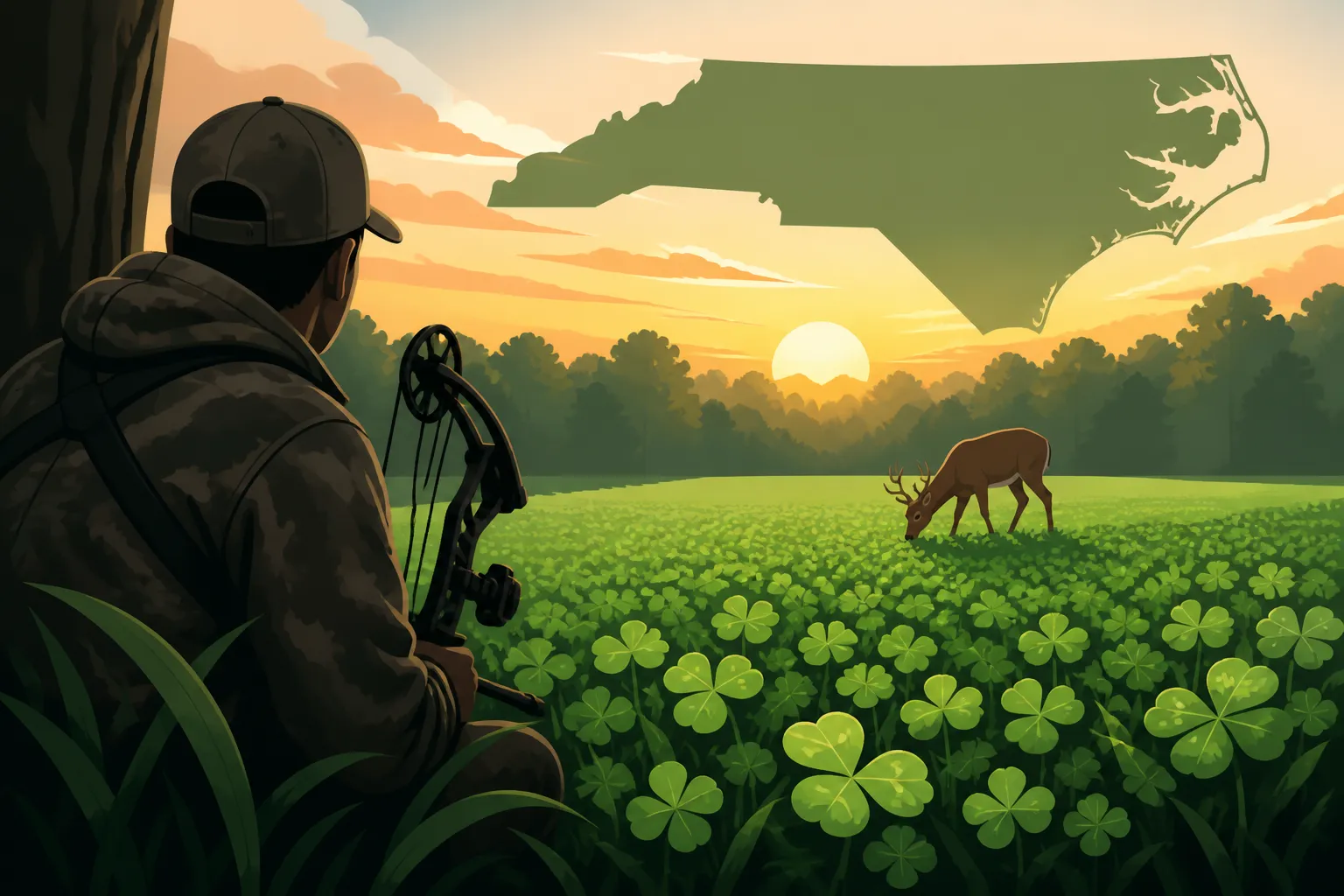
Hunting a Clover Plot at First Light
That moment when the alarm blares pre-dawn, and you drag yourself out of bed, still half-asleep, is a struggle every North Carolina hunter knows. You’re hoping for that magic moment, but sometimes deer just don't show, or they stay stubbornly out of range. This guide is all about maximizing your chances on a clover plot, focusing specifically on how to make first light count, turning those early morning efforts into consistent success stories.
Why Clover Plots Are Deer Magnets and Why First Light Matters So Much
Clover food plots are nothing short of phenomenal when it comes to attracting and holding deer, especially here in North Carolina where good nutrition can be patchy. But just having a clover plot isn't enough; knowing when and how to hunt it is the real secret. And for many hunters, nothing beats the first sliver of dawn.
The Nutritional Allure of Clover for North Carolina Deer
Deer in North Carolina are constantly seeking out high-quality forage, and clover consistently delivers. Unlike some other food plot options, clover is packed with protein, making it incredibly palatable and beneficial for antler growth in bucks and overall health for does and fawns. It’s a green buffet that stays attractive from early spring right through late fall, and often into the mild winter months, providing a reliable food source when native browse might be declining or less nutritious.
Think about it: after a long night of browsing, a deer's stomach is rumbling. They're looking for an easy, delicious meal before heading back to bed for the day. A lush clover plot offers exactly that. Whether you’re hunting in the Piedmont farmlands or on the edge of a mountain woodlot, deer will seek out that nutrient-rich patch. This consistent appeal means deer are creatures of habit around these plots, creating predictable movement patterns that can be gold for a hunter.
The real beauty of clover is its resilience. It can handle grazing pressure well and, with proper management, can produce forage for years. This longevity means deer become accustomed to it being there, making it a reliable destination on their daily routines. For hunters trying to understand deer movement, recognizing clover's role as a primary food source is critical, especially when considering Late-Season Food Sources for North Carolina Whitetails.
The Magic Hour: First Light Dynamics and Deer Movement
There's a reason we drag ourselves out of bed before the sun even thinks about rising: deer are often most active during the low-light hours of dawn and dusk. At first light, deer are typically finishing their nocturnal feeding excursions and making their way back to bedding areas. A well-placed clover plot can act as a crucial pit stop on this journey, giving them one last chance to fuel up before hunkering down for the day.
This transition from active feeding to bedding is prime time for an encounter. As the sun begins to peek over the horizon, casting long shadows, deer feel a sense of security. The diminishing darkness provides just enough cover for them to feel safe in the open, yet there’s enough light for you to identify your target and make an ethical shot. This brief window, often lasting only 30-60 minutes after legal shooting light, is when you’re most likely to catch deer moving deliberately and predictably.
The light levels aren't just important for you; they heavily influence deer behavior. Too bright, and they might feel exposed in the plot; too dark, and they might still be moving more cautiously or feeding in heavier cover. That sweet spot at first light is where those two factors align perfectly for the hunter. Knowing how deer use light and shadow is key to understanding Reading Aerial Photos for Piedmont Deer movements on a larger scale, and then translating that to your specific plot.
Strategic Setup for a Successful First Light Clover Hunt
Hunting a food plot, especially at first light, demands careful planning. Your setup, from how you approach to where you position yourself, can make or break your hunt. Deer are incredibly perceptive, and one wrong move can send them scattering, making your early morning sacrifice feel wasted.
Choosing Your Approach and Entry Route Wisely
Before you even think about setting up a stand, you need a bulletproof plan for getting to and from your hunting location without alerting every deer in the county. This is arguably the most critical part of hunting a clover plot at first light. Deer are often already on the plot or very close to it when you're making your way in. Your scent, sound, and silhouette are your biggest enemies.
Your entry route should ideally take advantage of prevailing wind directions, keeping your scent from blowing across the plot or bedding areas. If possible, use natural features like creek bottoms, hedgerows, or mature timber lines to shield your movement. For example, when you’re hunting a clover plot adjacent to a larger wooded area, you might use a subtle ditch or a dense row of cedars for Entry Routes Through Standing Soybeans or other open fields to remain unseen and unheard. Minimize noise by picking a route with softer ground, avoiding crunchy leaves or twigs. Some hunters even coordinate their scouting efforts with tools like GoHunt, which can help visualize wind directions over terrain, optimizing entry and exit plans.
Remember, you'll be entering in the dark, so scout your chosen path thoroughly during daylight hours. Identify potential obstacles, noisy spots, and landmarks to guide you. It's better to take a slightly longer, quieter, and scent-controlled route than a direct one that spooks deer. This meticulous planning is an extension of effective Scouting North Carolina Public Land Before Season, even if you're on private land.
Stand Placement for Optimal Visibility and Shot Opportunity
Once you have your entry route figured out, the next step is determining where you'll actually sit. Your stand placement needs to offer clear shooting lanes into the clover plot while keeping you concealed. For many hunters, a tree stand offers the advantage of height, getting your scent above the deer's nose and providing a better vantage point. When Hanging a Stand on a Pisgah Ridge, hunters prioritize wind and elevation, and similar principles apply, even in flatter terrain. Aim for a tree on the downwind side of the plot, preferably with a backdrop of thick timber or dark foliage to break up your silhouette against the rising sun.
If a tree stand isn't an option or if the cover is insufficient, a ground blind can be incredibly effective. Modern ground blinds offer excellent concealment and scent control, especially if they've been brushed in well in advance. Position your ground blind on the downwind side, nestled into a natural break in the terrain or against a thick fencerow. Just like Using a Ground Blind on North Carolina Public Land, ensure it's set up and camouflaged weeks before your hunt to allow deer to get used to its presence.
Consider your shot distances. Most clover plots aren't huge, so you'll likely be dealing with shorter shots, but you still need clear lines of sight. Trim shooting lanes well before the season, being careful not to over-cut and make your setup obvious. Understanding Setting Up on a Piedmont Field Edge involves similar principles of concealment and shot clarity when dealing with open areas.
Executing Your Hunt: Patience, Observation, and Shot Selection
With your strategic setup in place, the actual hunt begins. This isn't the time to rush or get sloppy. Success at first light over a clover plot often hinges on your ability to remain patient, observe deer behavior, and make a precise, ethical shot when the moment arrives.
The Waiting Game: Reading the Plot as Light Breaks
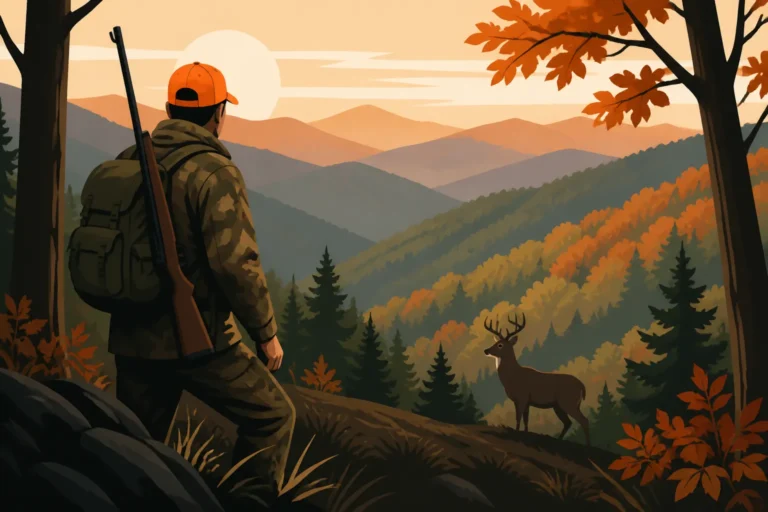
Once you're settled in your stand or blind, it's a waiting game. The first light of dawn is usually when the magic happens, so be ready. As legal shooting light approaches, scan the edges of the plot intently. Deer often emerge from cover cautiously, frequently pausing at the tree line before stepping out into the open. Using a good set of binoculars or a spotting scope (like those you might research on GoHunt for low-light performance) can help you pick apart the shadows and identify deer early.
Pay close attention to where deer enter and exit the plot. They tend to use consistent trails, and noticing these patterns can give you clues about where to expect them. Are they coming from a thick bedding area to the north, or following a creek line from the east? Understanding these micro-movements within the plot area is crucial. You might see smaller deer first, with larger, more cautious bucks holding back in the cover, waiting for it to be completely safe before venturing out.
It's also important to read the deer's body language. Are they feeding calmly, or are their heads up, constantly scanning for danger? If they seem skittish, be even more patient. Don't call or rattle aggressively unless absolutely necessary; a quiet hunt is often a successful hunt at first light. While Grunt Calls in Mature North Carolina Timber can be effective, sometimes silence is golden.
Making the Shot Count
When the deer you're after finally presents a shot, take a deep breath and commit. Ethical shot placement is paramount. Wait for the animal to turn broadside or quartering away, exposing the vital lung and heart area. Avoid taking head-on or straight-away shots, as these dramatically reduce your chances of a quick, clean kill.
Especially at first light, light conditions can still be tricky. Ensure you have enough light to clearly see your target and the intended impact zone. If you have any doubt about the shot, don't take it. Another opportunity will likely present itself, or you can try again on a different day. It’s far better to come home empty-handed than to make a poor shot and risk wounding an animal.
After the shot, stay in your stand for at least 15-30 minutes, silently observing. If the deer runs, mark the last spot you saw it. Listen for crashing sounds. This waiting period allows the deer to expire quietly, minimizing the chance of it running farther if it's not immediately down. Only after this waiting period should you begin your retrieve. When the time comes for tracking, effective Blood Trailing After Dark in North Carolina techniques, which also apply in the morning, become invaluable.
Here’s a quick comparison of popular clover varieties for North Carolina food plots:
| Clover Variety | Growth Habit | Key Benefit for Deer | Suitability for NC Climates | Management Notes |
|---|---|---|---|---|
| Ladino Clover | Tall, Spreading | High protein, drought tolerant | Excellent (most regions) | Needs good soil pH, regular mowing |
| Durana Clover | Intermediate, Spreading | Aggressive growth, excellent palatability | Excellent (especially Piedmont) | Persistent, handles heavy grazing |
| Crimson Clover | Annual, Upright | Quick growth, early spring forage | Good (cooler regions, spring/fall) | Often used as a nurse crop or in mixes, reseeds |
| White Clover | Low-growing, Spreading | Perennial, resilient, good forage | Excellent (most regions) | Can be slower to establish than Ladino or Durana |
Disclaimer
Hunting involves inherent risks. Always prioritize safety, follow all North Carolina Wildlife Resources Commission regulations, and obtain proper licenses and permits before heading afield. The advice provided here is for informational purposes only and should not replace professional guidance or personal judgment.