Working River Cane Thickets for Deer
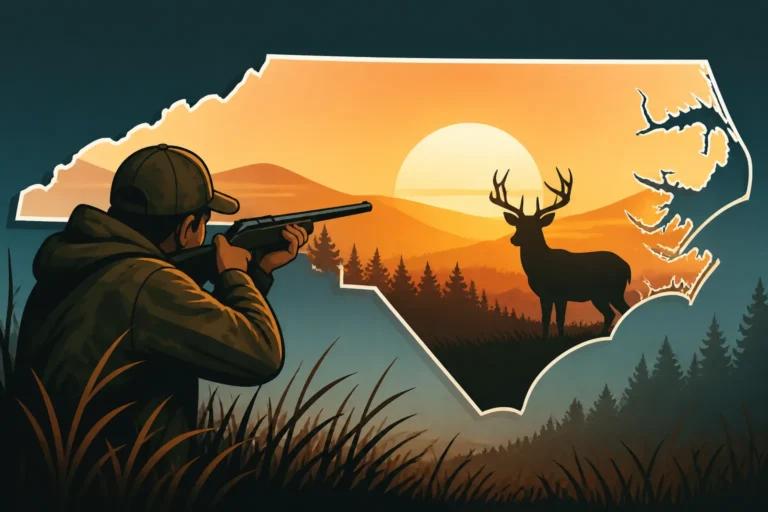
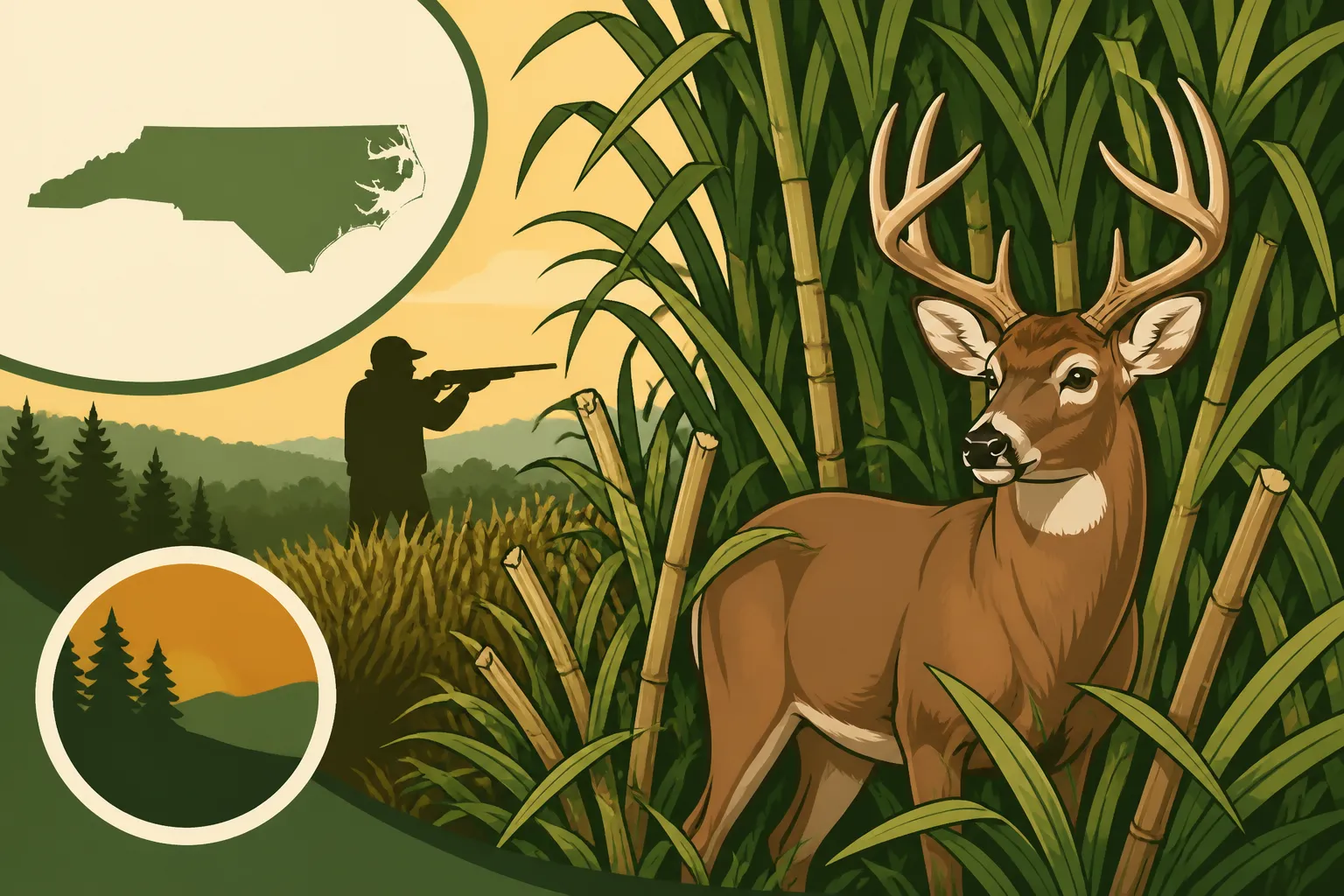
Trying to hunt deer in North Carolina can feel like an impossible task when those wily whitetails disappear into the thickest cover imaginable. River cane thickets, in particular, are notorious for swallowing deer whole, leaving hunters frustrated and empty-handed. But don't despair! This guide is all about demystifying these dense, often overlooked habitats and equipping you with the knowledge and tactics to successfully pursue deer within the impenetrable green walls of North Carolina's river cane.
Understanding North Carolina's River Cane Ecosystems
River cane, or Arundinaria gigantea, is a native bamboo species that once blanketed vast areas of the Southeastern United States. In North Carolina, you'll still find it thriving along major river systems like the Roanoke, Tar, Neuse, and Cape Fear rivers, as well as their tributaries. These dense stands form incredible microhabitats that deer absolutely adore, even if they give hunters a headache. Ignoring them means ignoring some of the best bedding and security cover available to a deer, especially when hunting pressure is high.
Why Deer Love River Cane Thickets
From a deer's perspective, river cane is the ultimate sanctuary. Imagine being a deer; you need a place to hide from predators, a spot to bed down and chew your cud in peace, and easy access to food and water without exposing yourself. River cane provides all of this and more. Its dense, interlocking stalks offer nearly impenetrable visual cover, making it incredibly difficult for predators—two-legged or four-legged—to spot them. This is especially true after leaf-off in the surrounding hardwoods, when the cane remains green and thick, offering year-round thermal cover that helps deer regulate their body temperature during cold snaps or sweltering summer days.
Beyond just cover, these thickets are often found adjacent to highly desirable food sources. Think about a cane thicket bordering a landowner's freshly planted soybean field in the Piedmont or nestled next to a mast-producing oak flat along a river bottom. The deer can bed deep within the cane, completely unbothered, and then slip out under the cover of darkness to feed. It’s a perfect setup for them. The frustration for us hunters comes when we watch a big buck disappear into that seemingly impenetrable green wall, knowing he's in there but having no idea how to get to him.
Identifying Productive Cane Stands
Not all river cane is created equal when it comes to holding deer. The most productive cane stands are typically older, more mature, and significantly denser than sparse, newly established patches. These established thickets offer superior cover and often have more intricate trail systems carved out by generations of deer. When you’re looking at an aerial map, especially using tools like the ones on GoHunt, you’ll want to identify the dark green, almost solid-looking blocks of cane, usually snaking along a creek or river.
Proximity to water is a dead giveaway, but also look for cane that abuts agricultural fields, mature timber stands, or even clear-cuts that are growing up in thick browse. These transition zones are goldmines. Deer will use the cane for bedding, then move into the adjacent habitat for feeding or to travel between different areas. Don’t just look at the cane; look at what the cane is connected to. A patch of cane isolated in the middle of a sparse pine plantation might not be as appealing as one that forms a crucial buffer between a bedding area and a preferred food source. Always zoom in on those aerials and search for those subtle elevation changes or breaks in the canopy that might indicate a deer trail.
Scouting Strategies for Dense Cane
Scouting river cane effectively requires a different mindset than glassing open hardwoods or finding rubs in a pine forest. It's often slow, methodical work that can feel like you’re bushwhacking through a jungle. But the effort pays off. Knowing how deer navigate and use these dense environments is key to formulating a successful hunting plan.
Pre-Season Reconnaissance and E-Scouting
The absolute best time to physically scout river cane is during the late winter or early spring, before the new growth really explodes and while the surrounding deciduous trees are still bare. This allows for slightly better visibility and easier access into areas that would be impossibly thick later in the year. However, e-scouting can happen any time, and it's a critical first step. Pull up your favorite mapping app – GoHunt offers fantastic layers that highlight different vegetation types and topography. Look for those dense blocks of cane near water features, agricultural fields, or pinch points in the landscape.
Mark potential entry and exit points on your map, especially where the cane meets a more open timber stand or a field edge. Search for subtle ridges or slight rises within the cane that might offer a deer a slightly drier bedding spot or a better vantage point. It’s easy to get turned around in these environments, so using a GPS or mapping app with a clear track log is essential to avoid getting lost. I've had many a moment where I felt completely disoriented until I checked my phone and realized I was walking in circles. Don't let yourself get into that situation. Understanding the lay of the land, even virtually, can save you hours of wasted effort and prevent you from blundering into a bedding area prematurely.
Locating Deer Sign in Thick Cover
Once you've identified potential cane hot spots on your map, it's time to put boots on the ground, carefully. Your primary goal is to find the well-worn deer trails, rubs, and scrape lines that indicate consistent deer activity. Deer will create tunnels and pathways through the densest cane, often just wide enough for them to pass. These aren't always obvious, so you need to move slowly, scanning ahead and to the sides. Look for broken cane stalks, disturbed leaf litter, and hoof prints.
Focus your search on the edges of the cane thicket, where deer enter and exit to feed or water. These "transition zones" are where you'll often find concentrated sign. However, don’t be afraid to push into the interior a bit, especially on a calm day. You might discover hidden pockets or clearings that serve as bedding areas, surrounded by fresh rubs or even old scrapes. Muddy tracks along a creek bank or at a low-water crossing near the cane are strong indicators of active travel. Remember, deer are inherently lazy and will take the path of least resistance. Find those paths, and you’ll be on your way to intercepting them. I've also found that deer will often stage just inside the cane before moving out into a field, so look for sign indicating those staging areas. For more general advice, consider exploring Scouting North Carolina Public Land Before Season.
Effective Hunting Tactics for River Cane
Hunting river cane requires patience, stealth, and often a willingness to be uncomfortable. It's not a place for long-range shooting, but rather for close-quarters encounters. The tactics you employ will depend on the size of the cane thicket, the hunting pressure, and whether you're hunting alone or with a few partners.
Still-Hunting the Edges and Interior Pockets
Still-hunting in river cane is a true test of a hunter's patience and stealth. It involves moving incredibly slowly, taking only a few steps at a time, and then pausing for several minutes to scan, listen, and simply observe. The goal is to move silently enough to catch a deer unawares, or to slowly push a deer towards you without spooking it into an all-out flight. Focus on the downwind side of the thicket, or use a crosswind, so your scent isn't blowing directly into the heart of the cover.
Pay close attention to changes in elevation, natural breaks in the cane, or small clearings. These are often where deer will bed or hold up. Your visibility will be extremely limited, often to less than 20 yards, so be prepared for snap shots. Wear quiet clothing, like wool or soft fleece, and ensure your boots allow for silent foot placement. The constant rustling of the cane can make it difficult to hear a deer moving, so use your eyes constantly. I've spent hours covering just a few hundred yards in a dense cane brake, and those are the hunts where you truly earn your venison. For more insights on navigating dense terrain, check out Hunting Coastal Plain Pocosin Swamps.
Setting Up Ambushes Along Travel Corridors
Perhaps the most effective way to hunt river cane is by setting up an ambush along a well-defined travel corridor. Deer will use specific trails to enter and exit the cane, especially at dawn and dusk. Your scouting should have revealed these natural funnels, pinch points, or breaks in the cane. These locations are ideal for placing a treestand or a ground blind. If you're using a ground blind, ensure it's well brushed in and set up far enough off the trail that you have room to draw a bow or shoulder a rifle. Remember, visibility is minimal, so even a few yards can make a huge difference.
Aim to set up your ambush just inside the cane, or right at its edge, overlooking a main trail or a staging area. Consider what the deer are doing – are they coming out to a field? Going to water? Traveling between bedding areas? Position yourself to intercept them along their most likely route. Given the short ranges, a compact rifle or a shotgun loaded with slugs or buckshot, or your bow, are excellent choices. Shots will be quick and close. If you're considering a ground setup, our guide on Using a Ground Blind on North Carolina Public Land could provide valuable tips.
Small-Scale Deer Drives with Partners
For larger or particularly impenetrable cane thickets, a small, well-coordinated deer drive can be an effective strategy, especially if you have a few hunting partners. This isn't about running and yelling; it's about strategic movement and placement. Identify the primary bedding area within the cane and determine the most likely escape routes a deer would take when pushed. Place standers quietly and strategically along these escape routes, often where the cane transitions to more open woods or a field edge.
The drivers then enter the cane, moving slowly and deliberately, creating just enough disturbance to encourage deer to move. Communication is paramount – walkie-talkies or even agreed-upon hand signals can be crucial. Always prioritize safety, knowing where every hunter is at all times. This method can be incredibly effective at pushing deer out of cover they feel safe in, giving standers a shot. For detailed planning, refer to Deer Drives With Three or Four Hunters.
| Hunting Method | Best for | Pros | Cons | Ideal Conditions |
|---|---|---|---|---|
| Still-Hunting | Small to medium thickets, solo hunting, high-pressure areas | Highly adaptable, stealthy, provides intimate knowledge of area | Extremely slow, low visibility, physically demanding, difficult shot opportunities | Calm, quiet weather; fresh sign; patient hunter |
| Ambush (Stand/Blind) | Defined travel corridors, transition zones, predictable deer movement | High probability of shot if deer use trail, less physically taxing | Requires extensive scouting, limited shot angles, can only cover one area | Pre-scouted trails, consistent wind, morning/evening hunts |
| Small Drive | Large, dense thickets, multiple hunters, when still-hunting fails | Can push deer out of impenetrable cover, good for locating deer | Requires coordination/safety, can easily blow deer out, high noise factor | Group of 3-5 hunters, good communication, knowledge of deer escape routes |
Gear and Safety Considerations in Cane Thickets
Hunting river cane is a unique challenge, and your gear and safety protocols need to reflect that. It’s not just about what gun you carry, but how you prepare for the environment itself.
Essential Gear for Cane Hunting
First and foremost, wear durable, quiet clothing. Denim or canvas can be too loud rubbing against cane stalks, but something like a tightly woven wool or a brush-tough synthetic will hold up against the abrasions and keep you quieter. Layering is always smart for North Carolina hunting, as temperatures can fluctuate wildly, especially during deer season. For your feet, high-quality, waterproof snake boots are non-negotiable. River cane thickets are prime habitat for venomous snakes, particularly cottonmouths and rattlesnakes, and you’ll be stepping into places you can’t see. Our guide on Boots for North Carolina Swamps and Ridges has some solid recommendations.
A reliable GPS unit or a smartphone with a robust mapping app like GoHunt, downloaded with offline maps, is absolutely critical. Service can be spotty in remote river bottoms, and getting disoriented in thick cane is far easier than you might think. Carry extra batteries or a power bank. For firearms, a compact lever-action rifle, a shotgun with slugs, or a pistol-caliber carbine are often ideal due to the short shooting distances. For archers, a compact bow setup is also preferred. Make sure you understand North Carolina Legal Firearms for Deer Hunting before heading out. And don't forget your blaze orange or pink – even if you're bowhunting, wearing it while still-hunting or walking in and out is a smart safety practice, especially during overlapping seasons.
Navigating and Staying Safe
The number one safety concern in river cane, besides wildlife encounters, is getting lost or disoriented. Always let someone know where you're going and when you expect to be back. If hunting with partners, establish clear communication protocols. Utilize your GPS and check it frequently, marking your starting point and creating a track log so you can backtrack if needed. The cane can look identical in every direction, and it’s surprisingly easy to lose your sense of direction, even on a cloudy day when the sun can’t guide you.
Be vigilant for snakes and other potentially dangerous wildlife. Move slowly, scan ahead, and step over logs and through thick brush carefully. Carry a basic first-aid kit with snakebite treatment supplies if venturing deep into remote areas. Hydration is also important, as pushing through thick cover is physically demanding. These cane thickets are often in low-lying areas, which means they can be wet and muddy, adding to the physical challenge. Being physically prepared for tough walking and dense cover will make your hunt much safer and more enjoyable. After the shot, be prepared for a difficult recovery; Tracking a Deer Through North Carolina Leaf Litter can be especially challenging in this environment.
Disclaimer
Hunting carries inherent risks, including but not limited to injuries, falls, and encounters with wildlife. Always prioritize safety, follow all local and state regulations, and obtain proper licenses and permits. The information provided in this guide is for informational purposes only and should not replace professional advice or hands-on training.