Working a Fencerow for Late-Season Deer
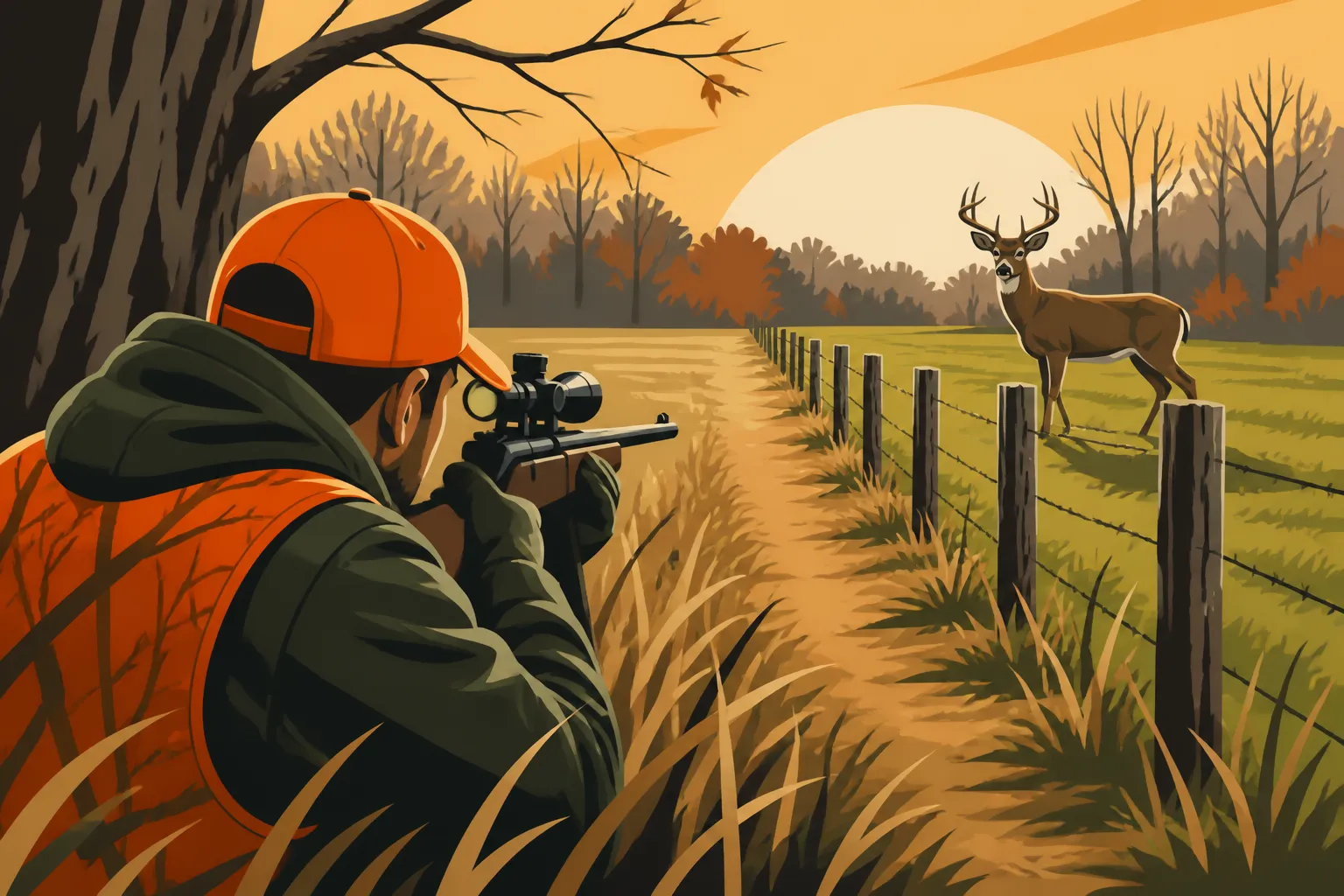
The late season in North Carolina can be a real grind for deer hunters. Those crisp, cold mornings often give way to quiet woods, making you wonder if any deer are still moving at all. But don't despair! Often, the answer to finding those elusive late-season whitetails lies in overlooked features like fencerows. This guide will walk you through how to pinpoint and effectively hunt these often-neglected travel corridors, turning your late-season struggles into success stories.
Why Fencerows Are Late-Season Goldmines
When the leaves have dropped and the winter winds start howling across North Carolina, deer behavior shifts dramatically. Their priorities become survival: finding food, securing reliable cover, and conserving energy. Fencerows, those often-unassuming lines of trees, shrubs, and old fence posts, become absolute magnets for whitetails in this tough period. They're not just random lines in the landscape; they're essential arteries in the deer's world.
Offering Critical Cover and Thermal Protection
Think about a deer trying to avoid the biting wind of a January afternoon. An open field offers no respite, and even a thinned-out woodlot might not be enough. Fencerows, especially older ones, are often choked with dense, thorny brush like multi-flora rose, privet, and even small cedar trees. This thick growth provides immediate, dense cover that deer crave. They can bed down right in the middle of it, invisible from all but the closest scrutiny, yet still aware of their surroundings. This dense cover also acts as a natural windbreak, offering crucial thermal protection that helps them conserve precious energy during cold snaps. A fencerow running north-south, for example, might offer sun exposure on its eastern side in the morning and western side in the afternoon, allowing deer to bask and warm up while remaining concealed. This becomes even more vital when hunting the rut in the Western Zone or trying to implement a solid Cold-Weather Sitting Strategy in the Mountains, as deer everywhere are seeking warmth and shelter.
Natural Travel Corridors Between Food and Bedding
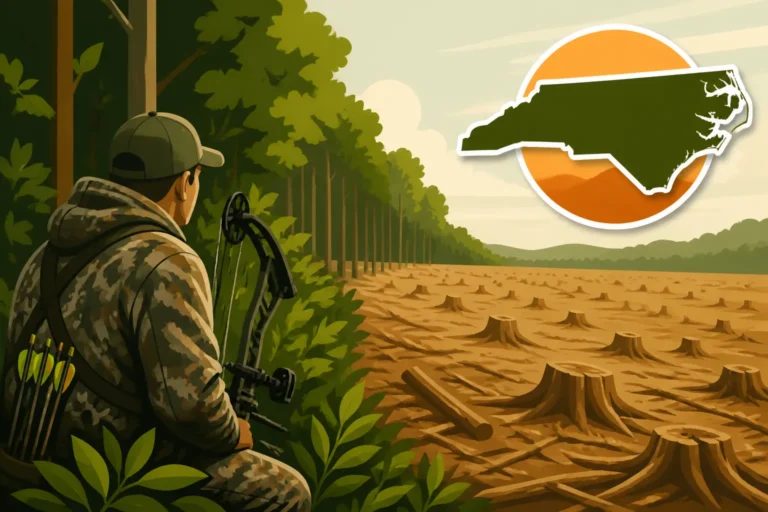
Deer are creatures of habit, especially when pressure mounts. They prefer the path of least resistance and greatest concealment. A fencerow perfectly fits this bill, acting as a natural highway connecting bedding areas to food sources. Imagine a sprawling agricultural field in the Piedmont region. Deer aren't going to just walk across the middle in broad daylight, especially late in the season after hunting pressure has mounted. Instead, they'll skirt the edges, using the cover of a fencerow that borders the field. This could be a deer traveling from a thick pine plantation to a standing cornfield, or from a secluded river bottom to a neighbor's winter wheat plot. They feel safer, more secure, and can move with less exposure. These linear features essentially funnel deer movement, making their patterns more predictable, which is a huge advantage for hunters looking for late-season action.
Reading a Fencerow for Deer Sign
Just because a fencerow exists doesn't mean it's a hotspot. You need to become a detective, reading the subtle clues that tell you how and when deer are using it. Scouting is paramount, and it's not just a pre-season activity; it's a continuous process that pays dividends.
Identifying Key Funnels and Crossings
Start by looking at aerial photos. Tools like GoHunt's mapping features are invaluable for this. Zoom in and identify fencerows that connect different types of cover or food sources. Look for where a fencerow narrows, where it intersects with a ditch or a creek, or where it comes close to a thick woodlot. These are natural funnels where deer movement is concentrated. Walk these fencerows, paying close attention to any breaks or natural crossings that look like easy passage for deer. You might find a spot where the fence is broken down, or a low point in the terrain where deer prefer to cross. Check these areas for fresh tracks and droppings. A well-used crossing point often looks like a miniature deer trail winding its way through the dense vegetation, even if it's not a major trail in the traditional sense. These specific pinch points are where you want to focus your efforts when Hunting Piedmont Farmland Deer.
Interpreting Tracks, Rubs, and Scrapes
While late-season rubs and scrapes aren't as prevalent as during the peak of the rut, you can still find them, and they tell a story. Fresh rubs, especially on smaller saplings within the fencerow, indicate recent buck activity. Similarly, a pawed-out scrape, even if not actively being worked, shows that deer are traveling this route. More importantly, look for tracks. Fresh tracks in mud, soft dirt, or even light snow will tell you a lot about the size of the deer and their direction of travel. Pay attention to the frequency of tracks. Are there just a few, or does it look like a regular highway? A consistent line of tracks indicates a preferred travel route. Also, don't overlook droppings. The freshness and quantity of deer droppings can confirm active use, and if you find piles of fresh droppings, you know deer are either bedding or feeding very close by. When you're Scouting North Carolina Public Land Before Season, adding fencerows to your checklist can reveal overlooked gems.
Here's a quick guide to reading fencerow sign:
| Sign Type | Late-Season Significance | Best Place to Find |
|---|---|---|
| Fresh Tracks | Recent travel, size of deer, direction of movement, activity levels. | Muddy crossings, soft ground, snow, damp leaf litter. |
| Droppings | Confirmation of active use, freshness indicates recent presence, possible bedding area. | Along trails, near bedding pockets, under small browse. |
| Rubs | Less common, but fresh rubs show buck activity, usually on smaller saplings. | Thicker sections of fencerow, connecting to dense cover. |
| Scrapes | Rare but possible, shows traditional travel, likely just a 'check-in' point. | Near major crossings, under low-hanging branches. |
| Browse Lines | Indicative of consistent feeding, shows preferred food sources within the fencerow. | Along the edges of dense cover, where deer can reach. |
Effective Hunting Strategies for Fencerows
Once you've identified a promising fencerow, it's time to decide how to hunt it. Late-season deer are wary, so your approach needs to be calculated and stealthy.
Still-Hunting the Edges
Still-hunting is perhaps one of the most effective ways to hunt fencerows, especially if you enjoy being on the move. This isn't about covering ground quickly; it's about moving slowly, pausing often, and observing everything. Approach the fencerow with the wind in your favor, moving into the wind or with a crosswind. Take three steps, stop, and scan with your binoculars for five minutes. Look for horizontal lines (a deer's back) in a vertical world (trees and brush). Pay close attention to any movement, flicking ears, or dark patches that don't quite look right.
This methodical approach allows you to detect deer before they detect you. It also gives you time to identify small pockets of cover within the fencerow where a deer might be bedded. When you spot a deer, assess the situation. Is it bedded? Feeding? Moving? Plan your stalk carefully, using the fencerow's own cover to your advantage. This technique is similar to Still-Hunting Nantahala Forest Ridges, just on a smaller, more linear scale.
Strategic Stand Placement for Ambush
If you prefer to sit and wait, a treestand or ground blind can be incredibly effective when placed correctly along a fencerow. Look for that pinch point you identified earlier – a spot where the fencerow crosses a ditch, or where it funnels deer between two fields. Set your stand up downwind of the anticipated travel route, ensuring you have a clear shooting lane. Consider the sun's position throughout the day to avoid being silhouetted or having the sun in your eyes at critical times.
For ground blinds, think about brushing it in well to break up its outline. A blind tucked into the dense cover of a fencerow can be incredibly effective, especially if you're dealing with very wary, late-season deer. Just make sure your entry and exit routes are quiet and don't spook any deer using the fencerow. Using a Ground Blind on North Carolina Public Land can be a game-changer, especially on these linear features.
Playing the Wind and Thermals
Wind direction is always critical, but it's even more so when hunting fencerows. Because fencerows often connect open areas, the wind can swirl and shift more unpredictably than in dense timber. Always try to set up so your scent cone is blowing away from where you expect deer to approach or be bedded.
Thermals, the rising and falling air currents, also play a role, especially in the early mornings and late evenings. As the sun rises, warm air typically rises, carrying your scent upwards. In the evening, as the air cools, thermals drop, carrying your scent downwards into lower-lying areas. Understanding these subtle shifts, similar to how hunters approach Wind and Thermals on a Blue Ridge Slope, can give you a significant advantage. If a fencerow runs along a slight incline, for example, deer might use the uphill side in the morning as thermals rise, and the downhill side in the evening as they fall.
Common Mistakes and How to Avoid Them
Even with the best intentions, hunters often make mistakes that can cost them a late-season deer. Fencerows, while productive, demand a careful and considered approach.
Over-Pressuring the Area
One of the biggest mistakes is over-hunting a promising fencerow. These narrow strips of cover can only handle so much pressure before deer abandon them or become nocturnal. If you've identified a great fencerow, resist the urge to hunt it every single day. Give it a break. Hunt it strategically, perhaps only during optimal conditions (e.g., after a fresh snowfall, during a cold front, or when a specific food source becomes active).
If you hunt public land, you'll also want to consider the cumulative pressure from other hunters. In areas where you're Finding Ground Others Walk Past, a fencerow that's off the beaten path might be less pressured. If you suspect an area is getting too much attention, consider moving to a different section of the fencerow or letting it rest for a few days to a week.
Ignoring Subtle Scent Management
Late-season deer have encountered a lot of human scent throughout the fall, making them extra sensitive. While no scent control method is 100% foolproof, ignoring it altogether is a recipe for failure. Pay extra attention to your clothes, gear, and personal hygiene. Wash hunting clothes in scent-free detergent, store them in airtight containers, and dress at the truck to minimize outdoor contamination.
Be mindful of where you touch vegetation when walking in or out. Avoid leaning against trees unless necessary. A strong breeze might disperse some of your scent, but even a slight puff of air in the wrong direction can be enough to spook a wary buck that's using the fencerow as a security blanket.
Neglecting All Parts of the Fencerow
It's easy to focus on the "obvious" parts of a fencerow – the thickest section or the most apparent crossing. However, deer are masters of using all available cover. Don't just scout the visible parts. Sometimes, the most subtle, seemingly insignificant section of a fencerow might hold a hidden gem.
Look for small pockets of brush or overgrown areas that might offer a deer just enough space to bed down. Even a small clump of briars can be a late-season deer's sanctuary. Sometimes deer will just slip through a thinner section of the fencerow if it provides a quicker route to a preferred food source. Thoroughly examine the entire length of a fencerow you plan to hunt, and don't assume you know exactly where the deer will be without comprehensive scouting. When hunting Into the January First Close, every detail matters.
Disclaimer
Hunting involves inherent risks, including but not limited to those associated with firearms, archery equipment, treestands, and outdoor conditions. Always prioritize safety, follow all local and state regulations, and ensure you have the proper training and licensing before engaging in any hunting activities. This guide is for informational purposes only and does not substitute for professional instruction or official wildlife agency guidelines.