Sitting a Field Edge in Late Season
Late season in North Carolina can truly test a deer hunter's resolve. Those crisp fall days of early archery or the excitement of the gun opener feel like a distant memory, and the deer that once flocked to your favorite clover plot now seem to have vanished. The fields that were bustling with activity a month or two ago might look barren, leading to a lot of head-scratching and frustration. But don't throw in the towel just yet; deer are creatures of habit driven by primal needs, and understanding these shifts is key to unlocking late-season success, especially when you're perched on a field edge. This comprehensive guide will walk you through the nuances of hunting these crucial late-season field edges, from decoding deer behavior to perfecting your setup and adapting your tactics when the chips are down.
Decoding Late-Season Deer Movement Around Fields
As the hunting seasons progress into the colder months of December and even early January in North Carolina, the deer's priorities shift dramatically. Gone are the days of the rut, when bucks were chasing does with reckless abandon, often making them less cautious and more predictable around certain bedding areas. Now, it's all about survival: finding reliable food sources to pack on calories and staying safe from mounting hunting pressure. Understanding these fundamental changes is the first step in effectively sitting a field edge during the late season.
The Shifting Buffet: What Deer Are Really Eating Now
In the earlier parts of the season, deer in North Carolina might have been hitting lush green clover plots, or feasting on the abundant acorns that dropped throughout the Piedmont and mountain regions. But by late season, many of those prime food sources are either depleted or have lost their nutritional value. Acorns, especially white oaks, are usually long gone, and even red oak acorns might be sparse. This forces deer to seek out alternative, high-energy foods that can sustain them through the dropping temperatures.
Often, this means a hard shift towards agricultural fields. Standing corn, if any remains unharvested, becomes an absolute magnet. The deer can literally gorge themselves on corn, which provides critical carbohydrates and fats. Similarly, standing soybeans, while maybe not as high in immediate energy as corn, offer valuable protein and can be a significant draw, especially in the more agricultural areas of the Coastal Plain and Piedmont. Don't overlook winter wheat, rye, or other brassica-type food plots that farmers or land managers might have planted. These greens actually become more palatable and nutritious after a few hard frosts, making them highly attractive to deer. For hunters focused on areas with mixed agriculture, like those found when Hunting Piedmont Farmland Deer, knowing which specific crops are still standing or have been planted for winter can be the difference between an empty stand and a successful hunt. Deer will consistently gravitate towards these most calorie-rich and available food sources as winter sets in.
Cold Weather and Calorie Needs
The physiological demands on deer increase exponentially as cold weather settles in. Every degree the temperature drops requires the deer's body to expend more energy just to stay warm. This increased metabolic rate means a constant, almost desperate need for calories. They're not just browsing on whatever is convenient; they're actively seeking out the most nutritionally dense foods available. This often translates to concentrated movement patterns to and from these reliable late-season food sources.
Imagine a deer after a particularly nasty cold front sweeps through the mountains, bringing with it a dusting of snow. That deer isn't going to spend much time meandering. It's going to move directly from its thermal bedding cover to the nearest, most accessible, and most caloric food source. This can make deer movement very predictable, but also very quick. They'll feed intensely, then get back to cover. If you can identify those critical Late-Season Food Sources for North Carolina Whitetails and understand how the cold drives deer to them, you're halfway to punching your tag. Furthermore, deer will often seek out bedding areas that offer thermal protection or direct sunlight, such as south-facing slopes in the mountains or dense conifer thickets in the Coastal Plain, often surprisingly close to their primary feeding grounds to minimize energy expenditure during travel.
Mastering Your Field Edge Setup for Success
You've done your homework and understand what the deer are eating and why. Now comes the critical part: setting up your position along the field edge. This isn't just about picking a random tree; it requires meticulous scouting and careful consideration of all the variables, from wind direction to concealment. Many hunters underestimate the importance of their setup, and it's a mistake that often leads to frustration.
Scouting for the "Hot" Edges
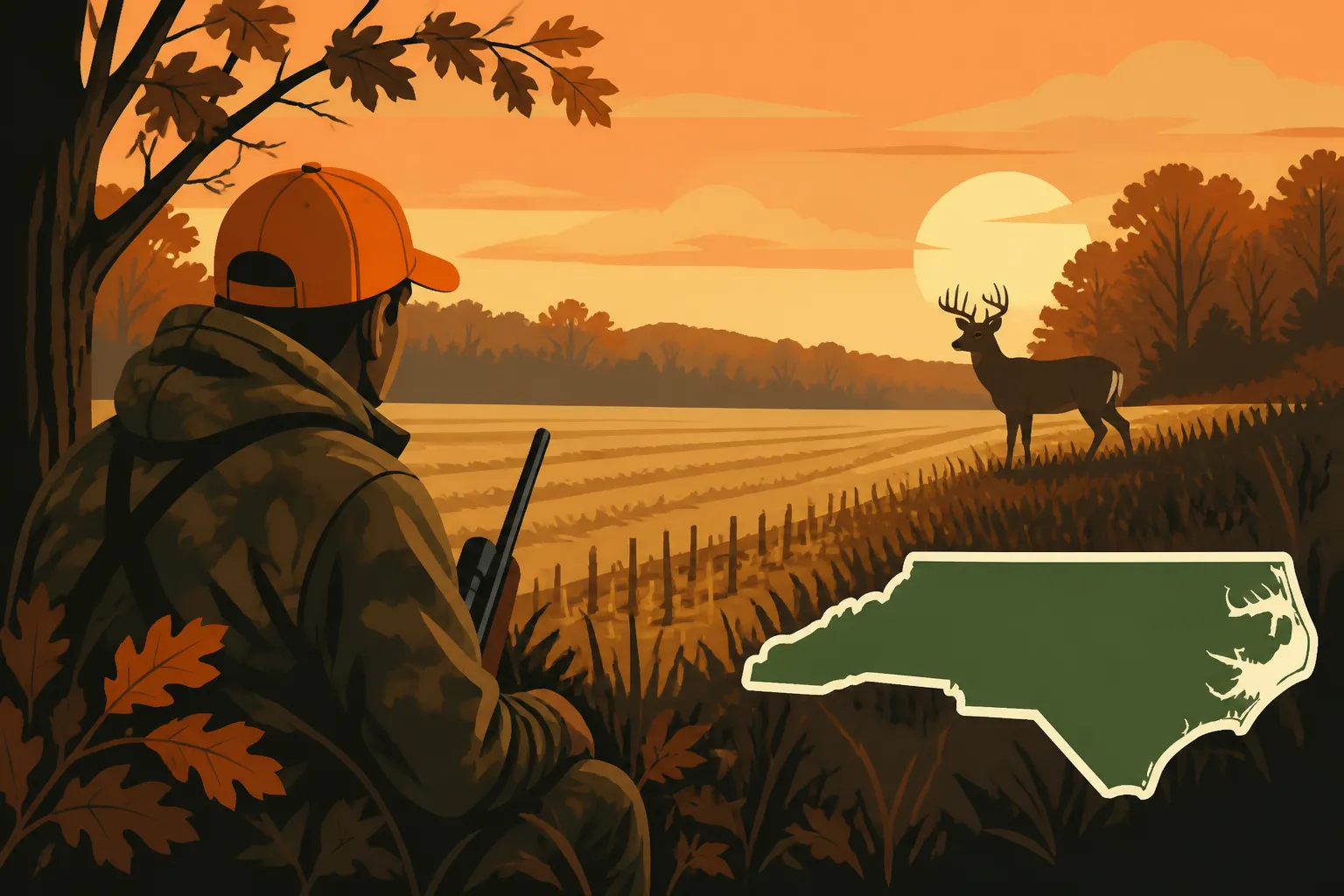
Just because a field has standing corn doesn't mean deer are entering it everywhere. They are creatures of efficiency and security. Your job is to find the "hot" edges – those specific points where deer are consistently entering and exiting the field. Look for fresh tracks along the perimeter, especially where field edges meet thicker cover or funnel points like saddles, creek crossings, or old logging roads. Pay attention to how the wind usually blows in that area, as deer almost always approach a food source with the wind in their favor, trying to scent-check for danger ahead.
Using tools like the GoHunt app or other detailed aerial photography can be incredibly helpful here. You can spend hours virtually scouting, identifying potential pinch points, cover transitions, and even subtle changes in topography that might act as travel corridors. When you're Reading Aerial Photos for Piedmont Deer, look for fingers of woods extending into fields, or thick ditches that allow deer to approach undetected. These areas are prime candidates for ambushing a deer coming to feed. Once you've identified these spots from your digital scouting, a boots-on-the-ground visit (well before your hunt) is essential to confirm fresh sign and finalize your plan. Look for fresh droppings, heavily worn trails, and any browse lines that indicate consistent feeding.
Concealment is King: Stands, Blinds, and Natural Cover
In late season, natural cover is often at its sparsest. Deciduous trees have dropped their leaves, and the woods can feel incredibly open. This makes concealment paramount, as deer, having endured weeks or months of hunting pressure, are more alert than ever. Choosing the right setup – whether a treestand or a ground blind – depends heavily on the specific field edge you're hunting and the available cover.
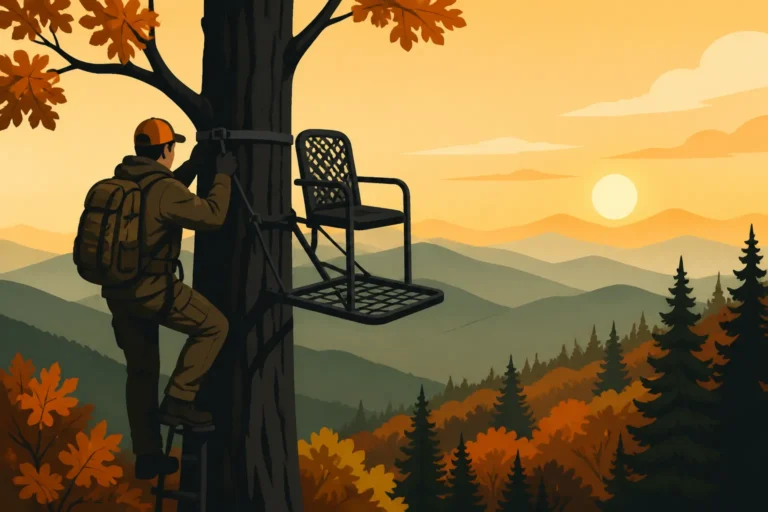
If you opt for a treestand, select a tree that provides a good backdrop, breaking up your silhouette. A lone oak on a field edge, while offering a great view, might stick out like a sore thumb if there's no other cover behind it. Consider setting up just inside the tree line, rather than right on the edge, to give yourself a bit more concealment and possibly a shot at a deer moving through the timber parallel to the field. For hunters using ground blinds, remember that deer will be looking for anything out of place. It's absolutely crucial to spend time Brushing In a Blind on a Field Edge. Don't just pop it up and hunt it; gather local vegetation – pine boughs, dead saplings, briars – and incorporate them into the blind's exterior until it truly blends seamlessly with the surroundings. A well-brushed ground blind can be incredibly effective, especially if you're targeting deer that might only appear at the very last light or if you're Using a Ground Blind on North Carolina Public Land where permanent stands aren't allowed. The goal is to become invisible, allowing deer to move naturally without ever knowing you're there.
Tactical Approaches for Pressured Late-Season Deer
By late season, many deer have encountered hunters before, and their survival instincts are on high alert. This means you can't just walk out to your stand or blind at any time and expect success. Every step, every sound, and every scent could mean the difference between seeing a deer and seeing nothing but an empty field. Your tactics must be as refined as the deer's evasive maneuvers.
Timing Your Entry and Exit
This cannot be overstated: your entry and exit routes and timing are just as important, if not more important, than the sit itself during late season. Deer movement around fields in the late season is often highly concentrated around dawn and dusk. This means getting into your setup well before first light, under the cover of darkness, and remaining there until well after dark. If you bump deer on your way in or out, you might as well pack it up for the day.
When Hunting Into the January First Close, those last few days can be tough, and every hunt counts. Plan your approach carefully, using terrain features, natural drainage ditches, or thick timber to mask your movement. Avoid walking directly across open fields. If you must cross a field, do so quickly and quietly, ideally when the field is already full of deer, hoping they mistake you for another deer if you're barely visible. For exits, wait until the field is completely clear of deer, or until it's so dark you can no longer see. Deer that are bumped off a field will often avoid it for several days, negating all your careful planning. Patience is a virtue, and sometimes the best move is to sit an extra 30 minutes in the dark, allowing deer to clear out naturally, rather than risking blowing out a future hunt.
Calling and Scent Control in the Chill
The effectiveness of calling in late season can be a bit of a mixed bag, but it's still a tool in your arsenal, especially if you understand how and when to use it. The rut is over, so aggressive rattling and grunting is generally less effective. However, soft doe bleats or a subtle fawn bleat can sometimes pique a curious deer's interest, especially a doe or a young buck looking for companionship. A short, quiet tending grunt might also work on a buck checking an area. Think subtlety and realism rather than aggression. Don't go trying to perform a loud Rattling Volume in Thick Pine Cover routine when you're on a wide-open field edge; instead, consider quiet, subtle communication. Sometimes, just a simple contact Grunt Calls in Mature North Carolina Timber might get a deer to pause or turn its head, giving you an extra second for a shot opportunity.
Scent control remains absolutely paramount. Even in colder temperatures, your human odor can travel and alert deer. With sparse cover, deer are even more reliant on their noses. Shower with scent-eliminating soap, wash your hunting clothes in scent-free detergent, and store them in airtight bags. Use scent-eliminating sprays on your outer layers and gear. Pay particular attention to your boots; they pick up a lot of scent from walking in. Consider using an ozone generator in your blind or storage container. The goal is to be as scent-free as possible, allowing deer to approach your field edge undetected. Remember, deer that catch your scent aren't just spooked; they're educated, making future hunts in that area even harder.
Overcoming Late-Season Challenges
Late-season hunting is often characterized by harsh conditions and deer that are incredibly wary. It's a mental game as much as it is a physical one, and successful hunters are those who can adapt, stay comfortable, and remain persistent despite the odds.
Staying Warm and Focused
North Carolina winters can be unpredictable. While we might not get feet of snow, bitter cold snaps are common, especially in the mountains and across the Piedmont. Sitting still for hours on a field edge in freezing temperatures can be brutal, and discomfort quickly leads to distractions and early exits. The key is proper layering. Start with a good base layer that wicks moisture away, add insulating mid-layers (wool or synthetic fleece are excellent), and top it off with a windproof, waterproof outer layer. Don't forget insulated boots designed for extreme cold, hand warmers (rechargeable ones are a lifesaver), and a thick insulated hat. A warm seat cushion or an insulated ground pad can also make a huge difference in a treestand or ground blind.
Maintaining focus when your fingers are numb and your toes are tingling is tough. Bring a thermos of hot coffee, tea, or broth. Having a book to read (quietly, of course) or a podcast downloaded on your phone (on mute, checking occasionally) can help pass the time during slow periods, but always remain vigilant. Knowing your Cold-Weather Sitting Strategy in the Mountains or flatlands will allow you to endure those long, cold hours. Remember, that big deer might only show itself for a fleeting moment, and you need to be ready and alert when it does. If you're constantly fidgeting or distracted by the cold, you'll miss your chance.
Adapting to Hunting Pressure
By late season, deer in North Carolina's public lands and even private tracts have experienced significant hunting pressure. This pressure forces them to become almost entirely nocturnal, or to utilize the thickest, nastiest cover during daylight hours. This means they often won't step into an open field until the very last sliver of daylight, or sometimes not at all during legal hunting hours. This is why persistence is so crucial. You might sit for multiple hunts without seeing much, only for a mature deer to finally make a mistake on the one evening you're truly prepared.
To combat this, you need to think about where deer are seeking sanctuary during the day. Often, this means thick briar patches, dense pine thickets, or deep draws and creek bottoms that offer security and thermal cover close to the feeding fields. Understanding Hunting Pressure on North Carolina Public Land is vital. Instead of setting up right on the field edge, consider moving your stand or blind 50-100 yards back into the timber, along a known travel corridor leading to the field. This puts you closer to their sanctuary, increasing your chances of catching them just before they commit to the open. Using a detailed mapping app like GoHunt to analyze these "transition zones" between bedding and feeding areas can be invaluable. It's about finding that hidden trail or subtle funnel that deer are using to avoid detection, rather than waiting for them to casually stroll into the wide open.
By combining an understanding of late-season deer behavior, meticulous scouting, a well-placed and concealed setup, and unwavering patience, you can turn those challenging late-season field edge hunts into memorable successes. Don't be afraid to adjust your tactics; deer patterns change, and so should yours. Remember to also be aware of North Carolina Deer Season Overlap With Small Game if you're on public land, as small game hunters can add to the pressure.
Late-Season Food Source Appeal
Here's a quick overview of common late-season food sources and their general appeal to North Carolina deer:
| Food Source Type | Appeal to Deer (Late Season) | Typical Location in NC | Notes |
|---|---|---|---|
| Standing Corn | High (Carbs, Energy) | Piedmont, Coastal Plain | Excellent for calories; deer will spend significant time here. |
| Standing Soybeans | High (Protein, Energy) | Piedmont, Coastal Plain | Valuable protein source, especially if pods are still on the plant. |
| Winter Wheat/Rye | Medium-High (Green Forage) | Statewide, esp. ag areas | Green shoots become more palatable after frost, drawing deer for browse. |
| Brassicas (Turnips, Rape) | Medium-High (Green Forage) | Statewide, esp. food plots | Similar to wheat/rye, cold weather can improve palatability and sugar content. |
| Browse (Young Shoots) | Medium (Maintenance) | Statewide, esp. cutovers, thickets | Consistent but lower-energy; deer rely on it when other foods are scarce. |
| Acorns (Red Oak) | Low-Medium (If available) | Statewide, esp. mountains, Piedmont | Most are gone by late season, but late-dropping red oaks might still offer a dwindling supply. |
| Hard Mast (Other) | Low | Statewide | Very limited or depleted by late season; not a primary draw. |
| Clover/Alfalfa | Low (Early season favored) | Statewide, esp. food plots | Generally loses appeal with hard frosts, though some varieties persist. |
Disclaimer
Please ensure you are familiar with and adhere to all North Carolina Wildlife Resources Commission (NCWRC) regulations, including licensing, bag limits, season dates, and specific rules for public land or game lands, before engaging in any hunting activities. Always prioritize safety and ethical hunting practices. Conditions and regulations can change, so consult the most current NCWRC digest.