Handling Venison From a CWD Management Area
Staring down at a deer you've just harvested, especially in an area you know has CWD, can bring a whole new layer of stress to an otherwise triumphant moment. The questions immediately pop up: "What do I do now?" "Can I take this venison home?" "Am I going to mess something up?" It's a daunting feeling, but this comprehensive guide is here to walk you through the essential steps for safely and legally handling venison from a North Carolina CWD Management Area, ensuring both compliance and peace of mind.
Understanding North Carolina's CWD Landscape
Chronic Wasting Disease (CWD) is a neurological disease affecting deer, elk, and moose. It's always fatal, and unfortunately, there's no known treatment or vaccine. What makes CWD particularly concerning for hunters and wildlife managers alike is its ability to linger in the environment for years and its potential to be transmitted through contact with infected animals or their bodily fluids. The discovery of CWD in North Carolina has changed how many of us approach deer hunting, especially when it comes to processing our harvest.
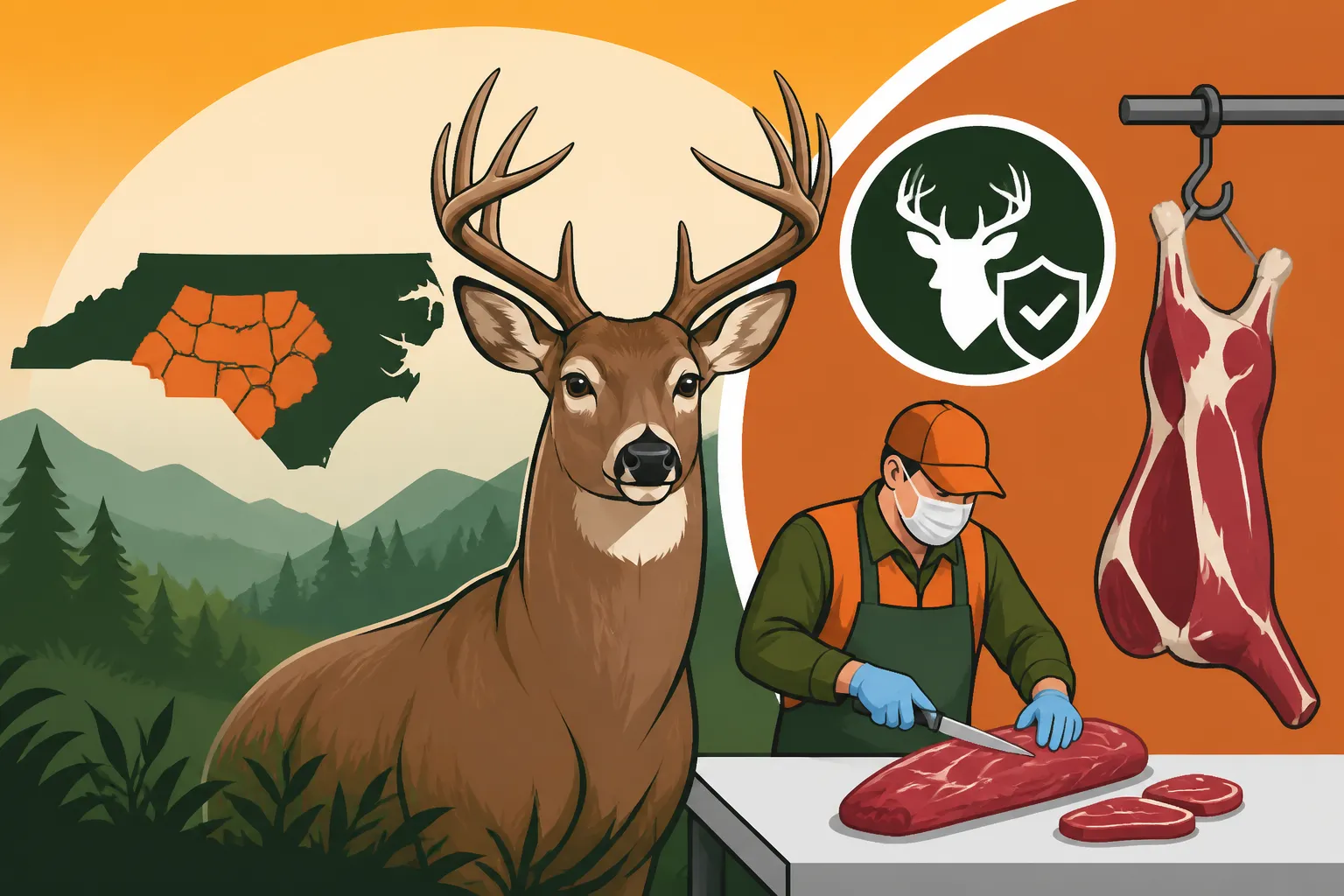
In North Carolina, the Wildlife Resources Commission (NCWRC) has designated specific counties as CWD Management Areas (CWDMAs) to help contain the spread of the disease. These areas are under stricter regulations regarding hunting practices and, crucially, the handling and movement of deer carcasses and venison. It’s not about fear-mongering; it's about being proactive and responsible to protect our deer herd for generations to come. Ignoring these regulations isn't just a legal risk, it's a risk to the very resource we cherish.
Identifying CWD Management Areas
The first step to responsible venison handling is knowing if you're even hunting in a CWD Management Area. The NCWRC updates its CWD map regularly, and it's absolutely vital to check this information before you head out. These zones typically encompass counties where CWD has been detected, as well as adjacent counties that are considered at high risk for the disease spread. For instance, areas in the Yadkin Valley, like Surry County, have been central to the state's CWD response.
Staying informed about which counties are currently designated as CWDMAs is crucial. You can often find this information readily available on the NCWRC website, or through their official publications. Many hunters use hunting apps like GoHunt that integrate CWD zone data directly onto their maps, providing a visual overlay of affected areas. This makes it much easier to confirm your location relative to these zones when you’re out in the field and might not have a strong internet connection. Checking this before and even during your season, especially if you're traveling across different parts of the state, is a non-negotiable part of ethical hunting today.
The Importance of CWD Surveillance
The reason these CWDMAs exist, and why the rules surrounding them are so strict, boils down to the need for robust CWD surveillance. By focusing testing efforts and regulating carcass movement within these identified zones, the NCWRC aims to monitor the disease's prevalence and distribution, and ideally, prevent it from spreading further across the state. Every hunter who complies with these rules plays a direct role in this critical effort.
Your participation in CWD surveillance, whether through mandatory testing or simply adhering to carcass movement restrictions, provides invaluable data to wildlife biologists. This data helps them understand the disease better, track its spread, and develop strategies for long-term management. Think of it not as an inconvenience, but as your contribution to preserving the health of North Carolina's deer herd, especially when considering the potential for a larger outbreak if left unchecked. It's a collective responsibility that extends beyond the moment of harvest.
Mandatory Testing and Carcass Restrictions
The moment you harvest a deer within a CWD Management Area, a new set of responsibilities kicks in. The most immediate and critical of these is understanding the mandatory testing requirements and the strict rules governing what you can and cannot do with the deer carcass itself. These aren't suggestions; they are legal obligations designed to protect the wider deer population.
Submitting Samples for Testing
If you harvest a deer within a designated CWD Management Area, especially during specific timeframes like the Why the Early CWD Season Targets Antlered Deer or other mandatory testing periods, you are required to submit specific tissue samples for CWD testing. This typically involves the deer's head, which contains the lymph nodes that are critical for CWD detection.
The NCWRC provides specific drop-off locations, often at game lands offices, taxidermists, or designated collection bins within or near CWDMAs. You'll need to follow instructions carefully, usually involving filling out a harvest tag with your contact information, the date of harvest, and the location. It's essential to check the NCWRC website for a list of Finding a North Carolina CWD Sampling Location as these locations can change from season to season or even within a season. Make sure the head is kept cool, ideally in a cooler, until you can get it to a sampling station. They'll extract the necessary samples, often the retropharyngeal lymph nodes, for lab analysis.
Interpreting Test Results and Wait Times
Once you've submitted your sample, the waiting game begins. The NCWRC lab processes these samples, and it can take anywhere from a few days to several weeks to get results back, especially during peak hunting season. The method for retrieving your results will be provided when you submit your sample; often, it's an online portal where you can check using your hunter ID or a specific sample number.
It’s natural to be anxious during this period. The most important thing to remember is not to consume any venison from that deer until you receive a negative test result. If the test comes back positive, the NCWRC will contact you directly with further instructions. While a positive result is rare, it means the venison should not be consumed and must be disposed of according to strict guidelines provided by the wildlife agency. This is a critical safety measure, and while it might be frustrating to wait, it’s far better than taking any risks with potentially infected meat. Many hunters find it useful to keep a detailed log, perhaps using a feature in hunting apps like GoHunt, to track which deer was harvested where and when, cross-referencing it with their testing submissions.
What Parts of the Carcass Can Be Moved?
This is where the rules can get a bit confusing, and it's where a lot of hunters can inadvertently run afoul of the regulations. Generally, when you harvest a deer in a CWD Management Area, there are strict limitations on North Carolina Carcass Movement Restrictions. The goal is to prevent the physical transport of high-risk materials – brain, spinal cord, lymph nodes – which are most likely to harbor the CWD prions, out of the affected zone.
For hunters taking a deer out of a CWD Management Area, certain parts are generally allowed to be transported, provided they are separated from the high-risk tissues. These typically include:
- Deboned meat
- Antlers, clean skull plates, or teeth
- Hides or capes without the head or spinal column attached
- Finished taxidermy products
The key is "deboned." You can't just throw a whole deer, or even a hindquarter with the bone in, into your truck and drive it across county lines if those lines happen to be CWD zone boundaries. This means you might need to perform some field butchering before leaving the area, which can be challenging, but is absolutely necessary for compliance.
Permitted Transport of Processed Meat and Antlers
Once the deer has been properly processed, meaning the high-risk parts have been removed, you can usually transport the deboned meat, clean antlers, or hide out of the CWD Management Area. This is why many hunters opt to either process their deer entirely within the CWD zone or take it to a commercial processor located within that zone.
For those who process their own deer, this often means bringing extra coolers, game bags, and knives into the field. If you’re planning to take the antlers as a trophy, make sure they are completely free of any brain or nervous tissue. It’s a good idea to thoroughly clean the skull plate and even immerse it in boiling water if possible, to remove any remaining tissue before transport. These regulations on Moving a Deer Carcass Out of a CWD Area are designed to minimize the risk of prions being introduced to new areas, and every hunter needs to understand and respect them.
| Carcass Part | Movement From CWD Management Area | Notes |
|---|---|---|
| Whole Carcass | NOT PERMITTED | Cannot be moved across CWD zone boundaries. |
| Deboned Meat | PERMITTED | Must be completely separated from bone, brain, and spinal cord. |
| Antlers | PERMITTED | Must be clean, no brain tissue, or attached to a clean skull plate. |
| Hides/Capes | PERMITTED | Must be free of head or spinal column. |
| Skull Plates | PERMITTED | Must be clean and free of brain or nervous tissue. |
| High-Risk Parts | NOT PERMITTED (Disposal Only) | Brain, spinal cord, lymph nodes; must be properly disposed of within the CWD Management Area. |
Safe Handling and Processing for CWD Suspect Deer
The ethical and responsible handling of a deer harvested in a CWD Management Area goes beyond just legal compliance. It’s about minimizing any potential risk and ensuring that the venison you eventually consume is as safe as possible. This involves careful practices from the moment the deer hits the ground right through to the freezer.
Minimizing Contamination During Field Dressing
Field dressing is often the first step in processing, and it's where you can make a big difference in reducing potential CWD exposure. While the disease is concentrated in nervous system tissues, lymph nodes, and spleen, avoiding cross-contamination during this initial phase is paramount. Always wear disposable gloves – two layers if it makes you feel more comfortable.
When you're field dressing, be extra careful to avoid puncturing or cutting into the brain, spinal cord, or any lymph nodes, particularly those around the head and neck. Use separate knives for handling internal organs versus skinning and deboning if you're doing a full field breakdown. If you use the same knife, sanitize it thoroughly with a bleach solution (1 part bleach to 10 parts water) before moving to different parts of the carcass. This meticulous approach helps keep any potential prions localized, especially important if you need to transport the carcass for testing or further processing.
Disposable Gloves and Tool Sanitization
Disposable gloves aren't just a good idea; they're essential. They create a barrier between you and any potential pathogens, and they're easily discarded, preventing anything from being carried over to your vehicle, your home, or other tools. Keep a box in your hunting pack, and change them often, especially if you move from handling gut contents to handling meat.
When it comes to your knives, saws, and other processing tools, thorough sanitization is critical. A simple rinse with water isn't enough. After you're done processing, scrub all tools with hot, soapy water, then soak them in a 1:10 bleach solution for at least five minutes. Rinse thoroughly and allow them to air dry. This aggressive cleaning protocol helps to denature any prions that might be present on surfaces. Remember, prions are incredibly resilient, so regular cleaning products often aren't enough.
Home Processing Best Practices
If you're one of the many North Carolina hunters who prefer to process your own venison at home, good for you! But when it comes to deer from a CWD area, you need to elevate your game. The general rule of thumb is to avoid contact with high-risk tissues at all costs. This means carefully deboning the meat and meticulously trimming away all fat, connective tissue, and any visible lymph nodes.
Don't use household tools for bone-in cuts unless you plan to thoroughly decontaminate them afterwards. Consider using a dedicated set of processing tools for CWD-zone deer. When packaging your deboned meat, clearly label it with the date and the harvest location, noting that it came from a CWD Management Area. This small step can be hugely important for your own records, especially when it comes to Reading a North Carolina Harvest Report later in the season. Store it separately from other wild game if you can, just as an extra precaution, until test results are confirmed.
Working with Commercial Processors in CWD Zones
Many hunters opt to take their deer to a commercial processor, and this can be a smart choice, especially when dealing with CWD concerns. If you harvest a deer in a CWD Management Area, prioritize processors located within that same zone or ones that are explicitly licensed and equipped to handle CWD-tested deer. They will be familiar with the regulations and often have established procedures for sample collection and high-risk material disposal.
Before dropping off your deer, always communicate clearly with the processor about where the deer was harvested and if it's from a CWD area. Ask about their specific protocols for CWD-related deer, including how they handle mandatory testing, carcass segregation, and the disposal of high-risk tissues. A good processor will be transparent and able to explain their procedures, providing you with confidence that your venison is being handled safely and legally. They will likely be submitting the required samples for North Carolina CWD Testing for Hunters on your behalf, which can be a huge help.
Practical Tips and Best Practices for Hunters
Navigating hunting in a CWD-affected landscape can feel overwhelming, but with a little planning and adherence to best practices, it becomes just another part of being a responsible hunter. It's about being informed and proactive rather than reactive.
Using Mapping Tools for CWD Zone Awareness
In today's digital age, hunters have incredible tools at their fingertips. Applications like GoHunt offer detailed mapping overlays that include CWD Management Area boundaries. This is invaluable, especially if you hunt public lands that might straddle different zones, or if you're traveling to a new area. Being able to see these boundaries directly on your phone or GPS unit removes a lot of guesswork and helps you plan your hunt and your post-harvest strategy with confidence.
Before you even step foot in the woods, use these tools to confirm your location relative to any CWD zones. This way, if you are successful, you already know what steps you'll need to take regarding testing and carcass movement restrictions. Knowing where North Carolina's Seven-County CWD Footprint lies can help you make informed decisions about where to hunt and how to prepare for your harvest. It's a small investment in time that pays dividends in peace of mind.
Staying Informed on Regulation Changes
Wildlife regulations are not static; they evolve, especially when dealing with dynamic situations like CWD. The NCWRC regularly updates its rules, and these changes can affect everything from hunting seasons to carcass transport. It is the hunter's responsibility to stay current on the latest regulations.
Make it a habit to check the NCWRC website before each hunting season, and even periodically during the season. Sign up for email alerts if they are offered, or follow their social media channels. Attend local hunter education clinics or public meetings where CWD is discussed. Being informed ensures you're always hunting legally and contributing positively to wildlife management efforts, understanding that the situation regarding North Carolina's Chronic Wasting Disease Areas can and will change as biologists learn more.
What to do Immediately After the Harvest
Once your deer is on the ground in a CWD Management Area, the immediate actions you take are crucial. First, tag your deer immediately and accurately as required by North Carolina law. Next, assess your ability to field dress and process the deer on-site, keeping in mind the restrictions on carcass movement. If you can perform basic deboning to separate meat from the bone, brain, and spinal column right there, that's often the safest and most compliant option for transport.
Keep all necessary tools – gloves, knives, game bags, and coolers – readily accessible. If you're required to submit the head for testing, ensure it's kept cool and clean, away from the deboned meat, and properly labeled for submission. This preparedness prevents frantic scrambling and helps maintain the integrity of both your venison and the CWD testing process.
Preparing for Transport Out of the Zone if Permitted
If you plan to transport your deer out of a CWD Management Area, you must strictly adhere to the permitted carcass part rules. This usually means the deer needs to be deboned before it leaves the zone. This isn't always convenient, especially if you're deep in the woods or don't have ideal conditions for field butchering. However, it is a non-negotiable step.
Bring heavy-duty game bags and a large cooler with plenty of ice. Once the meat is deboned and separated from the high-risk parts, pack it cleanly and keep it cold. Remember, the goal is to prevent the spread of CWD prions, so minimizing the amount of risky material leaving the area is key. Always double-check the latest NCWRC guidance on How Many Deer Have Tested CWD-Positive Since Testing Began before moving any parts, as regulations can tighten with new detections.
Disclaimer
The information provided in this guide is for general informational purposes only and is not intended as legal advice. Hunting regulations, including those pertaining to Chronic Wasting Disease (CWD) Management Areas, can change frequently. Hunters are solely responsible for knowing and abiding by all current North Carolina Wildlife Resources Commission (NCWRC) regulations and local laws. Always consult the official NCWRC website or contact the agency directly for the most up-to-date and specific information regarding CWD zones, testing requirements, and carcass movement restrictions before hunting.