North Carolina Deer Camp Traditions
Heading into deer season in North Carolina, many hunters grapple with striking the right balance between the excitement of the hunt and the cherished camaraderie that often surrounds it. It’s easy to get caught up in the pursuit of a trophy or filling the freezer, but some of the richest experiences come from the shared moments, laughter, and stories told around a crackling fire. This guide dives deep into the soul of North Carolina deer camp, exploring the enduring traditions that shape our hunts and bind us together, from the mountains to the coast.
What Defines a North Carolina Deer Camp?
When you hear "deer camp," your mind might conjure up images from old movies – a rustic cabin deep in the woods, smoky air, and grizzled hunters. While parts of that still ring true, a North Carolina deer camp is far more nuanced, encompassing a spectrum of experiences that all share a common spirit. It's not just a physical location; it's a state of mind, a temporary community forged by shared passion, mutual respect, and an unspoken understanding of the hunting life. Whether it's a permanent lease, a week-long rental cabin, or even just a designated spot in the backyard for an extended family hunt, the essence remains: a place to gather, prepare, hunt, and unwind with fellow enthusiasts.
More Than Just a Place to Sleep
A deer camp, first and foremost, serves as a logistical hub. It’s where you store your gear, meticulously prepare your rifles or bows, and strategize for the coming day’s hunt. But its function extends far beyond mere utility. It's a sanctuary from the everyday grind, a place where responsibilities outside the woods momentarily fade, replaced by the primal rhythm of the hunt. It’s where early morning coffee rituals begin, where the plans for the day are hashed out over topo maps and whispered advice, and where the anticipation of the chase builds to a fever pitch.
Moreover, deer camp is a proving ground for self-sufficiency and camaraderie. You learn to make do with what you have, share resources, and rely on each other. It's a place where problems are solved collectively, from a broken truck axle on a logging road to a misfired round. The collective knowledge pool of a seasoned deer camp is invaluable, often including everything from tracking techniques after dark to the best way to field dress a deer in cold weather. These aren't just practical skills; they're bonds formed through shared challenges and successes, creating memories that last a lifetime, far longer than the deer steaks in your freezer.
Regional Variations: Mountains, Piedmont, and Coast
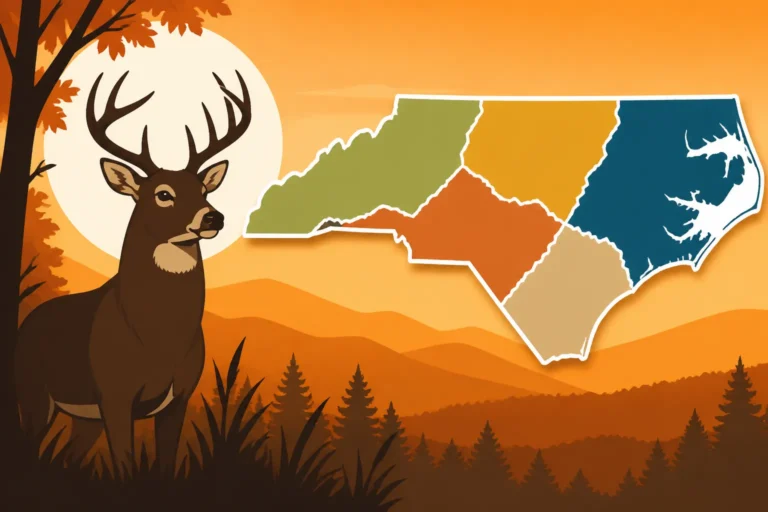
North Carolina's diverse geography naturally shapes its deer camp traditions. In the rugged mountains, camps often involve remote cabins or even tent setups on public land within areas like Pisgah National Forest Hunting or Nantahala National Forest Hunting. The focus here might be more on physical endurance, navigating steep terrain, and mastering still-hunting techniques. You’ll find stories of long hauls, difficult recoveries from deep ravines, and the sheer joy of glassing a high elevation mountain bench at dawn. The food might be heartier, simpler, designed to fuel demanding days in the cold, and the conversations steeped in the wisdom of reading wind and thermals on a Blue Ridge slope.
Move to the rolling hills and farmlands of the Piedmont, and deer camps often shift towards larger, more established hunting clubs on private leases. Here, the traditions might involve organized deer drives on North Carolina public land, discussions around managing food plots, and more refined setups on a Piedmont field edge. The camps might be less rustic, with more amenities, reflecting the blend of agricultural and suburban landscapes. The stories here might revolve around outsmarting wary bucks in smaller woodlots near suburban Charlotte, or securing entry routes through standing soybeans. Access to game lands is still important, but private land management often dictates much of the camp culture.
On the Coastal Plain and Sandhills, the camps often face unique challenges posed by vast pocosins, cypress swamps, and dense pine plantations. Here, hunters might contend with mosquitos, humidity, and the arduous task of dragging a deer out of a coastal swamp. Camps often emphasize strategies for hunting coastal plain pocosin swamps or reading a tidal creek for deer movement. Vehicle access might be more limited, leading to traditions centered around ATVs, mud buggies, or even small boats to reach remote hunting spots. The "camp" might even be a well-equipped RV parked on a family farm, providing comfort amidst the rugged, wet environment. Each region, while distinct, shares that core spirit of community and the pursuit of whitetails.
The Heart of Camp: Food, Fellowship, and Storytelling
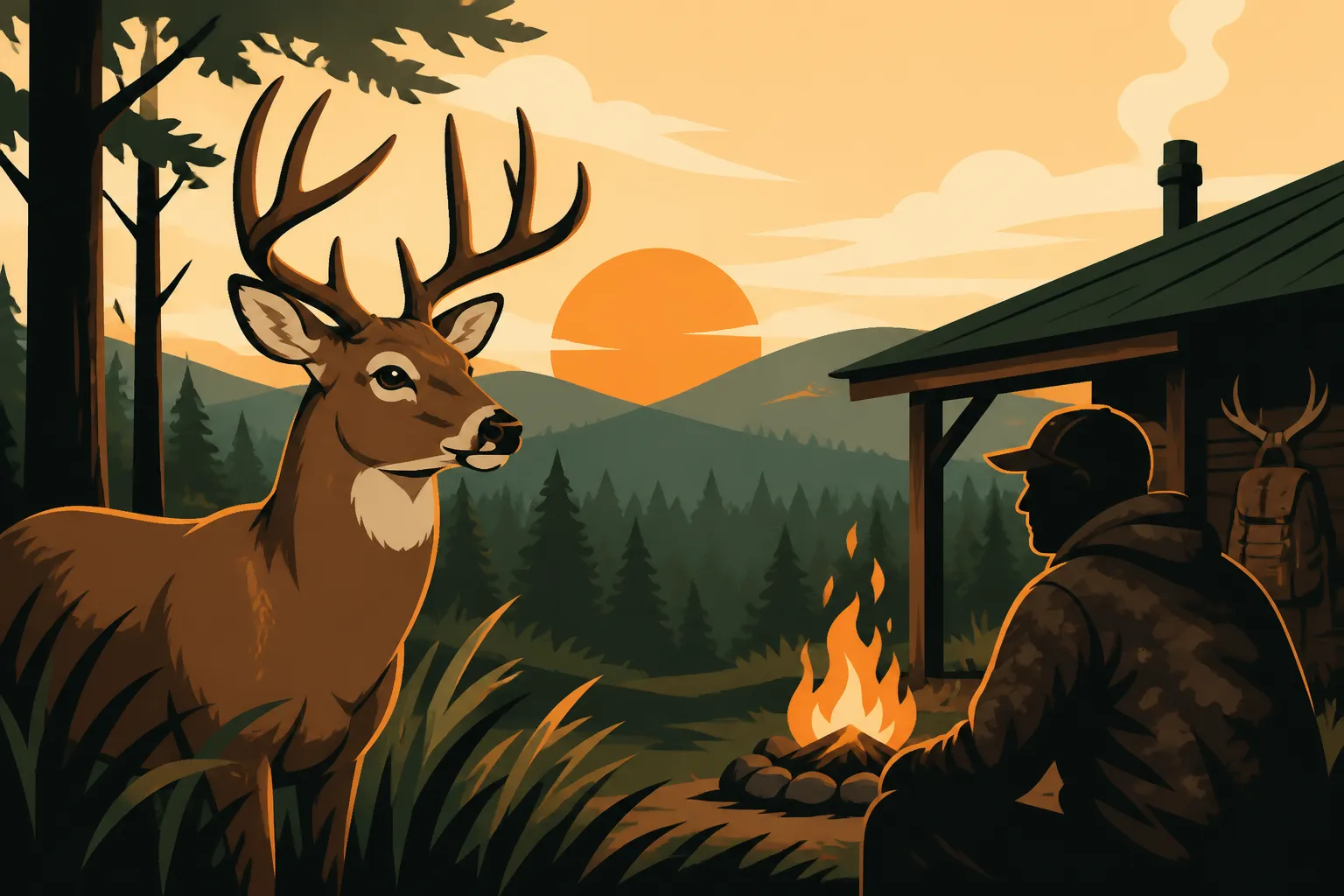
Without a doubt, the true pulse of any North Carolina deer camp beats around the dinner table, the campfire, or the skinning shed. It's in these moments, after the day's hunt is done and chores are winding down, that the spirit of deer camp truly comes alive. It's a time for shared sustenance, hearty laughter, and the spinning of tales, some true, some embellished, all contributing to the rich tapestry of the hunting experience.
The Importance of Shared Meals
There’s something about breaking bread together after a long day in the woods that solidifies bonds unlike anything else. Camp meals are rarely gourmet, but they are always hearty, comforting, and designed to replenish lost energy. Think chili simmering on the stove, venison stew bubbling over a fire pit, or a giant pot of spaghetti feeding a hungry crew. These meals aren't just about nutrition; they're about shared experience, about the ritual of gathering, talking through the day's events, and planning for tomorrow. Everyone usually has a role, whether it's the designated cook, the fire-stoker, or the dishwasher, creating a sense of shared responsibility that echoes the cooperative nature of the hunt itself.
Sometimes, the meal itself is the harvest. A successful hunt often means fresh backstraps sizzling on a cast-iron skillet, a communal celebration of the hunter's skill and the bounty of nature. These moments are steeped in tradition, often passed down through generations. Whether it’s a simple breakfast of bacon and eggs before the predawn chill, or a late-night feast celebrating a successful buck, these shared culinary experiences are central to the deer camp tradition. They foster conversation, build friendships, and provide a necessary respite before the next day's adventure begins, much like the detailed planning that goes into a hunt like Muzzleloader Deer Hunting in North Carolina.
Tales from the Woods: Honesty and Exaggeration
Ah, the stories. Every deer camp has its designated yarn-spinners, and the narratives told around the fire are as vital to the tradition as the hunt itself. From the "one that got away" to the detailed recount of a perfectly executed stalk, these tales serve multiple purposes. They entertain, they educate, and they reinforce the shared mythology of the camp. There's a certain license for exaggeration, a wink and a nod as the antlers on a remembered buck grow just a little bit wider with each telling, or the distance of a shot becomes just a few yards longer.
These stories aren't just about deer; they're about life, lessons learned, and mistakes made. They're about the bizarre encounters with other wildlife, the unexpected challenges of the North Carolina weather, and the personal triumphs and defeats of the hunters themselves. Newcomers listen intently, absorbing not just the facts but the unspoken rules and wisdom of the camp. These story sessions are often where valuable insights are shared, like specific tactics for Rattling and Grunting in North Carolina, or advice on Finding Ground That Sees Fewer Hunters. It's an oral history, passed from one generation to the next, cementing the identity of the group and the unique character of their hunting grounds.
From Rustic Cabins to Modern Comforts: Evolving Traditions
The landscape of North Carolina deer camp traditions, like hunting itself, isn't static. While the core values of camaraderie and connection to nature remain, the means by which we achieve them have certainly evolved. From bare-bones shelters to fully equipped lodges, and from hand-drawn maps to sophisticated GPS devices, deer camp has adapted to the times, blending old-school charm with modern functionality.
Old School Charm and Simplicity
For many, the ideal deer camp still embodies a rugged simplicity. This might mean a rundown hunting shack with bunks, a woodstove for heat, and an outdoor privy. The emphasis is on functionality over luxury, a place to eat, sleep, and prepare for the hunt, stripped of the distractions of modern life. The absence of constant connectivity forces hunters to engage with each other and their surroundings in a more profound way. Water might be hauled, electricity limited to a generator or battery, and entertainment provided by a deck of cards or a guitar.
This kind of camp fosters a deeper appreciation for the basics. It teaches resilience and resourcefulness, skills that are invaluable in the woods. These traditional camps are often steeped in history, with generations of hunters adding their own marks, from tally marks on a wall representing successful harvests to names carved into a mantelpiece. It's a living museum of past hunts, where every creak of the floorboards or stain on the table tells a story. Even today, many seek out this pure, unadulterated camp experience, recognizing its unique ability to reconnect them with the roots of hunting, much like meticulously planning for North Carolina Muzzleloader Tactics.
Technology's Place in Today's Camp
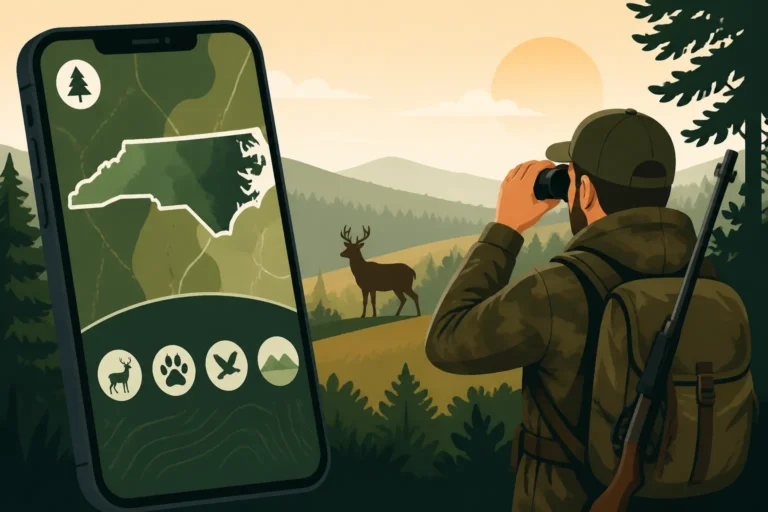
While the spirit of tradition endures, modern technology has undeniably found its way into North Carolina deer camps, enhancing the experience for many. Today, a hunter might still gather around a paper map, but they're just as likely to be huddled over a tablet, reviewing detailed satellite imagery and property boundaries on an app like GoHunt. This isn't about replacing tradition, but augmenting it, making scouting more efficient and reducing the chance of accidental trespass. High-tech trail cameras send real-time photos of deer movement directly to phones, allowing for more informed decisions about stand placement.
From portable power stations that keep phones and GPS units charged, to sophisticated cooking equipment that makes camp meals easier, technology provides convenience and safety. Communication devices, once limited to two-way radios, now include satellite communicators for remote areas without cell service, adding a critical layer of safety when exploring challenging terrain or hunting the Mountain Bear Zones. While some purists may lament the shift, most hunters appreciate how these advancements can improve their effectiveness and overall safety, making the hunting experience more accessible and enjoyable without sacrificing the core traditions of the deer camp. This modern approach often starts well before the season, with digital scouting tools becoming a crucial part of Scouting North Carolina Public Land Before Season.
Passing Down the Torch: Cultivating Future Hunters
One of the most profound and essential North Carolina deer camp traditions isn't about gear, or even the deer itself, but about the future of hunting. It's the deliberate act of introducing new generations to the joys, responsibilities, and ethics of the outdoors. Deer camp serves as a critical incubator for young and new hunters, instilling in them not just hunting skills, but a deep respect for nature and the traditions that have sustained this lifestyle for centuries.
Mentorship and Early Lessons
The mentorship that happens in a deer camp is organic, invaluable, and irreplaceable. It starts with the basics: how to safely handle a firearm, the importance of blaze orange, and understanding North Carolina Hunter Education Requirements. But it quickly moves beyond the technical. Young hunters learn patience by sitting silently in a stand, the quiet thrill of seeing a deer, and the disappointment of an empty-handed walk back to camp. They witness firsthand the ethics of fair chase, the reverence for the harvested animal, and the diligent work involved in tracking a deer through North Carolina leaf litter.
These early lessons extend to the entire cycle of hunting, from preparing the hunting grounds to processing the meat. A new hunter might be tasked with cleaning game, helping to Butchering a Deer at Camp, or assisting with camp chores, all under the watchful eye of an experienced mentor. They learn the unspoken rules of camp, the importance of contribution, and the joy of a shared endeavor. These experiences build character, forge lifelong bonds, and lay the foundation for a responsible and ethical hunting future. Sometimes, this mentorship even involves special opportunities, like participating in the North Carolina Youth Turkey Weekend Rules.
Ensuring the Legacy for Generations to Come
The longevity of North Carolina's hunting heritage hinges on the active engagement of these new hunters. Deer camp traditions play a vital role in ensuring that legacy. By welcoming young people, sharing knowledge, and creating positive, memorable experiences, older generations are actively investing in the future of the sport. It's about more than just filling tags; it's about fostering an appreciation for conservation, wildlife management, and the crucial role hunters play in maintaining healthy ecosystems.
Consider the annual rituals: the first successful harvest of a young hunter, celebrated with genuine enthusiasm; the stories told year after year that connect them to a lineage of hunters; the responsibility of checking a North Carolina Deer Harvest Online. These moments are formative. They create a sense of belonging and purpose, ensuring that when today's mentors eventually hang up their rifles, there will be eager, knowledgeable hands ready to pick up the torch. The traditions of deer camp, therefore, are not just about reminiscing about the past; they are about actively shaping the future of North Carolina hunting, ensuring that the wild places and the spirit of the chase endure for generations to come.
| Aspect | Traditional North Carolina Deer Camp | Modern North Carolina Deer Camp |
|---|---|---|
| Shelter | Rustic cabin, tent, or old farm shed | RV, well-equipped lodge, leased house |
| Navigation/Scouting | Paper maps, local knowledge, compass | GPS, mapping apps (like GoHunt), satellite imagery |
| Communication | Two-way radios, yelling across the field | Cell phones, satellite communicators, text messages |
| Food Prep | Open fire, wood stove, basic propane burner | Portable grill, electric stove, advanced camp kitchen |
| Entertainment | Card games, storytelling, music (guitar) | Portable speakers, movies, online content |
| Focus | Self-sufficiency, basic needs, raw experience | Efficiency, comfort, data-driven hunting |
| Game Recovery | Manual dragging, shared manpower, deer cart | ATVs, electric winches, specialized deer sleds |
| Core Value | Camaraderie, tradition, connection to nature | Still strong, but often with added convenience and tech integration |
Disclaimer
The information provided in this guide is for general informational purposes only and is not intended as professional advice. Hunting regulations, license requirements, and safety protocols can change frequently. Always consult the official North Carolina Wildlife Resources Commission (NCWRC) regulations and local authorities before engaging in any hunting activities. Adhere to all applicable laws and prioritize safety above all else.