Scrape Lines Along a Logging Road
Finding productive deer sign can be incredibly frustrating, especially when you're walking miles of public land hoping to stumble upon that perfect rutting buck hotspot. Logging roads, often overlooked or simply used as access, can actually be absolute magnets for whitetails, particularly when it comes to scrape lines. This guide will dive deep into understanding, finding, and effectively hunting these crucial scrape lines along North Carolina's logging roads, turning your access routes into prime hunting ground.
The Allure of Logging Roads for North Carolina Whitetails
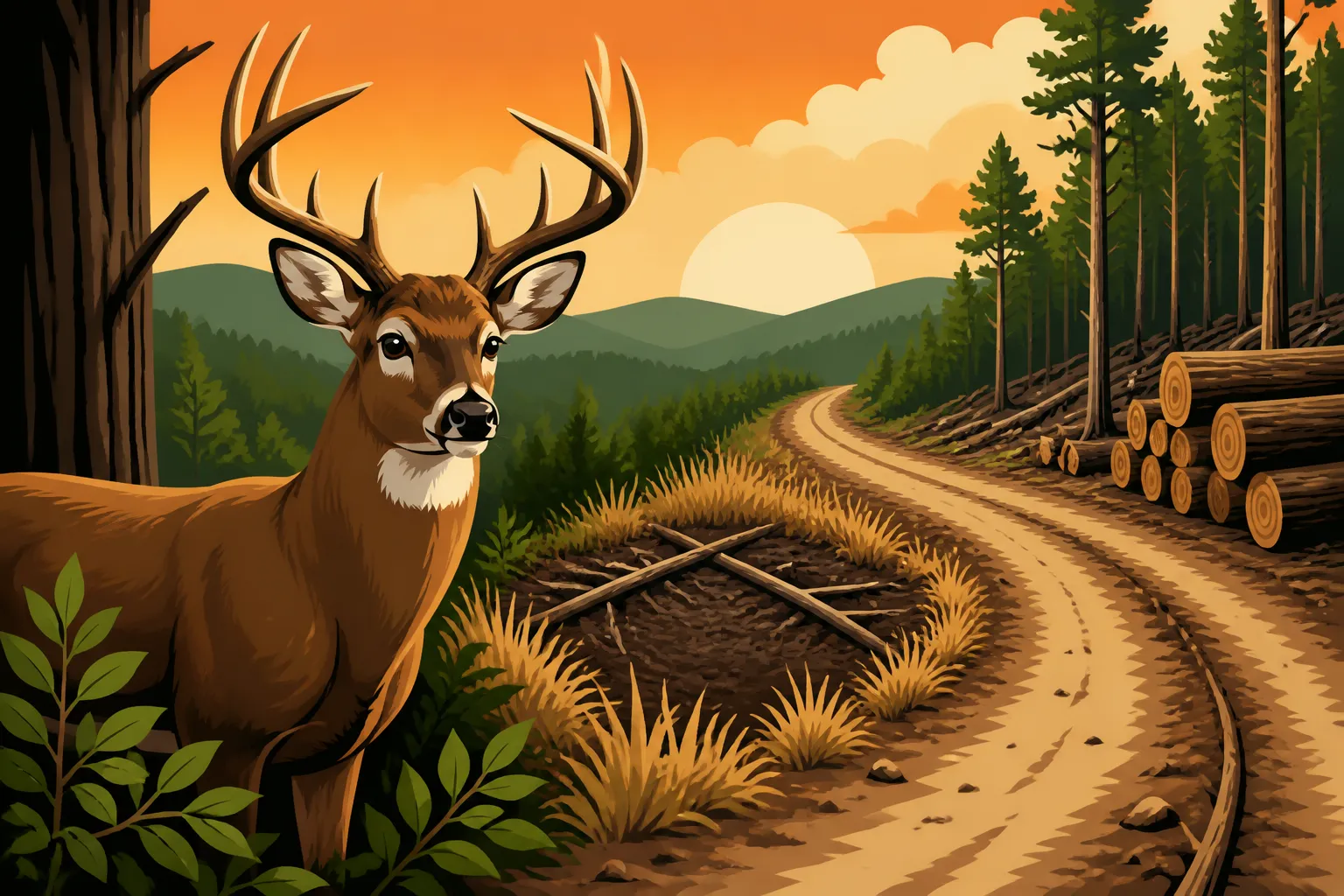
Many hunters view logging roads merely as convenient pathways to get deeper into the woods, but savvy hunters know they are much more than that. These old tracks, whether well-maintained or heavily overgrown, offer a unique combination of cover, travel convenience, and edge habitat that deer find irresistible. Understanding why deer favor these linear features is the first step to unlocking their potential.
Logging Roads as Natural Deer Highways
Deer, like most creatures, are always looking for the path of least resistance. Imagine trying to navigate through a dense North Carolina pocosin or a thick mountain laurel patch in the Pisgah National Forest; it’s hard work for both you and a deer. Logging roads, even if they’re just old two-tracks barely discernible from the surrounding forest, provide clear travel corridors. They cut through otherwise impenetrable thickets, creating natural highways that connect different parts of a deer's home range.
These roads often link crucial habitat elements. A logging road might connect a prime bedding area tucked away on a south-facing slope to a rich acorn flat or a green food plot. During the rut, a cruising buck will instinctively follow these linear features, scent-checking for does and depositing his own scent as he goes. This consistent travel makes them ideal locations for him to establish and maintain scrape lines, communicating his presence to other deer in the area.
The "Edge Effect" and Security Cover
The concept of "edge effect" is a fundamental principle in wildlife biology, and logging roads are perfect examples of it. An edge is essentially the transition zone between two different habitat types. On a logging road, you have the relatively open, disturbed ground of the road itself, immediately adjacent to the dense cover of the forest. This creates a highly attractive environment for whitetails.
Deer can utilize the slight openness of the road for easier travel or to catch a scent of what’s ahead, all while remaining within a few feet of dense security cover. This balance of visibility and safety is incredibly appealing to deer, especially mature bucks who are notoriously cautious. They can move along the edge, browse on new growth that often springs up along these disturbed areas, and quickly disappear into the woods at the slightest hint of danger. This edge also serves as a prime location for bucks to paw out scrapes, using the open ground of the road to make their presence known while still feeling secure in the nearby timber.
How Logging Operations Create New Opportunities
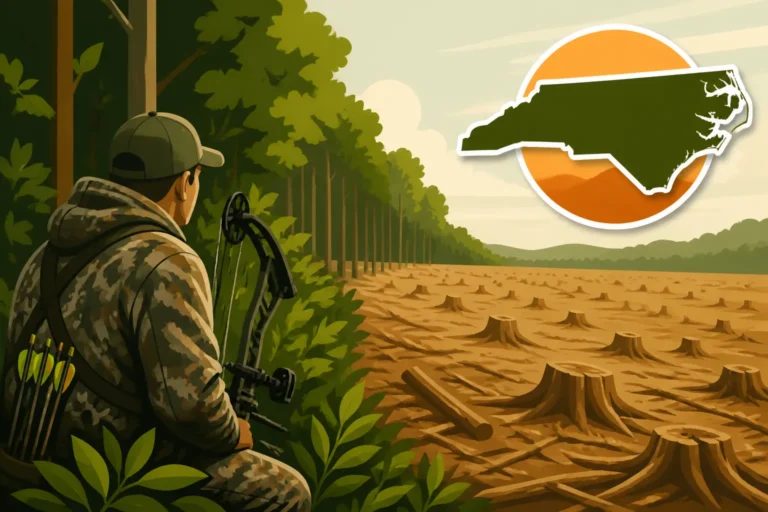
Logging operations are, by nature, disturbances to the forest, but these disturbances often lead to new and improved deer habitat. While active logging can temporarily push deer out of an area due to noise and activity, once the work is done and the forest begins to recover, new opportunities arise. The removal of canopy trees allows sunlight to reach the forest floor, stimulating the growth of forbs, briars, and saplings that provide vital browse and cover for deer.
The roads themselves, especially where heavy equipment has churned the earth, create patches of exposed mineral soil. This fresh, easily disturbed earth is exactly what a buck looks for when creating a scrape. The combination of new food sources, enhanced security cover, and readily available substrate for scrapes makes areas impacted by logging, especially the roads left behind, highly attractive to deer. Even older, long-abandoned logging roads, now overgrown, continue to provide these benefits, simply in a more mature form of habitat regrowth.
Decoding Scrape Lines on North Carolina Logging Roads
It's one thing to find a scrape, and another entirely to find a productive scrape—one that a buck is actively using and that gives you a real chance at a successful hunt. Learning to "read" the signs on a logging road scrape line is a skill that comes with practice, but understanding the key indicators will put you miles ahead.
What Makes a Scrape "Hot" on a Logging Road
A "hot" scrape isn't just a random pawing in the dirt; it's a specific signpost that a buck is actively communicating his presence and checking for does. The most critical component of a truly hot scrape is the presence of a "licking branch" directly above the disturbed ground. This low-hanging branch, typically at chest-to-head height for a deer, is repeatedly chewed, licked, and rubbed by a buck's preorbital glands. It’s where he deposits scent, adding to the overall message of the scrape. If there’s no licking branch, it’s not a true scrape, no matter how much dirt is pawed up.
The scrape itself should show clear signs of recent activity:
- Freshly disturbed earth: The soil should be dark, moist (if it’s rained recently), and loose, indicating a buck has recently pawed it out.
- Strong scent: You might even detect a strong, musky odor from the buck’s interdigital glands that are deposited directly into the pawed earth.
- Clear tracks: Look for well-defined deer tracks within or immediately around the scrape, often showing the distinctive hoof-drag of a buck.
- Fresh droppings: The presence of fresh droppings nearby is another strong indicator of recent activity.
Often, hot scrapes on logging roads aren't isolated; they're part of a larger "scrape line" – a series of scrapes leading from one area to another. This pattern tells you that you've found an active travel corridor that deer, particularly bucks, are consistently using during the rut.
Reading the Signs: Fresh Versus Old
This is arguably the most crucial skill for any hunter targeting scrape lines. Hunting an old, abandoned scrape is a waste of precious time in the woods. You need to identify signs of fresh, current activity.
Here’s how to tell the difference:
-
Fresh Scrape:
- The soil is dark, moist, and loose, appearing as if it was just churned up.
- The licking branch will show clear signs of recent abuse – it might be chewed, frayed, broken, or have visible rub marks on the underside.
- There will likely be a noticeable musky scent, especially during the peak of the rut.
- Tracks within the scrape will be sharp, clear, and well-defined.
- Fresh, shiny deer droppings may be present nearby.
-
Old Scrape:
- The soil will be dry, compacted, or covered with fallen leaves and debris. It might even have grass or weeds starting to grow in it.
- The licking branch will be intact, show no fresh damage, or might even be completely untouched.
- Any odor will be faint or completely gone.
- Tracks will be faint, washed out, or obscured by leaf litter.
- Any droppings will be old, dry, and weathered.
To make this distinction even clearer, consider this table:
| Indicator | Fresh Scrape | Old Scrape |
|---|---|---|
| Soil Condition | Dark, moist, loose, recently disturbed | Dry, compacted, leaf-covered, undisturbed |
| Licking Branch | Chewed, frayed, rub marks, active use | Intact, no fresh damage, ignored |
| Odor | Strong, musky, distinct rutting buck scent | Faint or non-existent |
| Deer Tracks | Clear, well-defined, fresh tracks | Faint, washed out, covered by debris |
| Droppings | Fresh, glossy, nearby | Old, dry, weathered, scattered |
Distinguishing From Other Deer Sign
It’s easy to get excited and mistake any disturbed ground for a scrape, but a true scrape is a specific communication point. One common mistake is confusing a scrape with simple ground pawings, where a deer might just dig at the earth without the associated licking branch. While these show deer presence, they don't carry the same significance as a full scrape.
Another, more critical distinction to make in North Carolina is between deer scrapes and feral hog rootings. Wild hogs are prolific throughout the state, and they tear up the ground extensively while foraging. Hog rooting is typically much more widespread, less defined in shape, and will absolutely lack the crucial licking branch. If you see vast stretches of torn-up ground without that specific overhead branch, you’re almost certainly looking at hog activity, not a deer scrape.
When you're Scouting North Carolina Public Land Before Season, it’s invaluable to carry a good map and pay close attention to these details. Tools like GoHunt can be incredibly helpful here, allowing you to layer property boundaries, topography, and even recent aerial imagery to understand the landscape. This helps you identify potential deer corridors and distinguish them from areas more likely to be frequented by feral hogs. Learning to read Entry Routes Through Standing Soybeans or understanding how deer use other agricultural edges can also provide context for interpreting ground sign.
Tactical Approaches to Hunting Logging Road Scrapes
Once you've identified an active scrape line on a North Carolina logging road, the next step is developing a sound hunting strategy. This involves not just where you set up, but also how you approach the area, how you account for the elements, and how you might use calling or scent to your advantage.
Setting Up for Success Near a Scrape Line
Your setup is paramount to success. Resist the urge to hang your stand or set your blind directly over the scrape. Bucks typically check scrapes from downwind, circling to approach cautiously and test the wind for danger. Your ambush point should be strategically placed 20-30 yards downwind of the most active scrape in the line. This position allows the buck to confidently work the scrape, offering you a broadside shot as he approaches or leaves.
For elevation and better visibility in dense timber, a treestand is often the best choice. Make sure to consider your entry and exit routes meticulously. You want to be able to get to and from your stand without spooking any deer in the area. If you're hunting in the mountain zones, you might find that Hanging a Stand on a Pisgah Ridge offers not only good views but also helps you get above a buck's line of sight. For ground-level hunting, especially on smaller, less-traveled logging roads, a well-brushed-in ground blind can be highly effective, providing excellent concealment. Always think about the most likely direction a buck will approach from – usually from a bedding area to a food source or vice versa – and set up accordingly.
Playing the Wind and Thermals
North Carolina deer, particularly mature bucks, possess an incredible sense of smell and are masters at using the wind to their advantage. This is even more critical around scrape lines, which are essentially scent-based communication hubs. You must position yourself so your scent cone blows completely away from the scrape and the deer's anticipated approach path. If the wind is swirling or inconsistent, especially in hilly or mountainous terrain, it might be best to avoid that particular setup and wait for more favorable conditions, or choose a different stand location.
Thermals play an equally important role, particularly during morning and evening hunts, and are especially pronounced in the rolling hills of the Piedmont or steep slopes of the mountains. In the morning, as the air cools, cold air sinks, pulling your scent downhill. Conversely, in the evening, as the air warms, it rises, carrying your scent uphill. Plan your entry and exit routes to account for these thermal currents, ensuring you don't inadvertently blow your scent into known bedding areas or approach paths. A deep understanding of Wind and Thermals on a Blue Ridge Slope can be the key differentiator between a successful hunt and alerting every deer within a quarter-mile.
Calling and Scent Strategies
During the pre-rut and peak rut, when scrape activity is highest, bucks are often highly receptive to calling and strategic scent use near scrape lines. Soft grunt calls, mimicking a cruising buck or one challenging another, can be incredibly effective at drawing attention. In the mature North Carolina timber, a subtle grunt can travel just far enough to pique a buck's curiosity without startling him. A light rattling sequence, not overly aggressive, might also make a buck think another deer is intruding on his territory, compelling him to come investigate his scrape line.
Scent lures can also be used, but with caution and sparingly. A small amount of buck or doe urine applied to the licking branch or to a nearby scent wick can enhance the natural attraction of the scrape. The key is to avoid overdoing it, as too much unnatural scent can actually spook wary deer. The goal is to make the buck believe there's another deer actively interacting with his scrape. This added layer of realism can be just enough to pull that hesitant buck into bow or gun range.
Maximizing Your Chances: Timing, Tools, and Patience
Hunting scrape lines on logging roads can be incredibly rewarding, but it requires more than just finding a hot scrape. Timing is everything, and leveraging modern scouting tools can give you a significant advantage. Perhaps most importantly, the psychological aspects of patience and adaptability will truly define your success.
Best Times of Year and Day for Scrape Hunting
Scrape lines along logging roads truly become hotbeds of activity during the pre-rut and peak rut phases of the deer season. This is when bucks are most actively cruising for does, establishing dominance, and reinforcing their territory through scent marking. Knowing Hunting the Rut in the Eastern Zones or Hunting the Rut in the Western Zone for your specific area can help you pinpoint the best weeks to focus your efforts. Early in the season, you might find "mock" scrapes, but they rarely see the consistent, intense visitation of rutting scrapes. As the season progresses into late winter, scrape activity drops off significantly as bucks shift their focus from breeding to recovering and finding late-season food sources.
Morning and late afternoon are generally the most productive times to hunt scrapes. Bucks often visit scrapes early in the morning before heading to their bedding areas, or late in the evening as they emerge to feed. However, during the absolute peak of the rut, bucks can be on their feet and checking scrapes at any time of day, making midday hunts surprisingly productive. This is when a buck's drive to breed often overrides his natural caution.
Utilizing Modern Scouting Tools
In today’s hunting world, modern technology offers invaluable assistance. Apps like GoHunt are indispensable for identifying potential logging roads and access points. They provide detailed satellite imagery, topographical maps, and crucial public/private land overlays, allowing you to virtually scout prime locations from home. You can use these tools to identify logging roads that connect bedding and feeding areas, or those that run along natural funnels or saddles. Examining OnX Layers for North Carolina Land Status can ensure you're always within legal hunting boundaries, especially on large game lands or national forests.
Trail cameras are your best friends for monitoring scrape lines. Place them discreetly near the scrape (never directly on it, which can deter a buck) to gather intelligence. This allows you to learn exactly when deer are visiting, how frequently, and, most importantly, which specific bucks are working the scrape. This data is critical for timing your hunts perfectly and knowing which stand to sit. Pay attention to Where to Hang a Camera on a Logging Road for optimal coverage without alerting deer. Analyzing these patterns can help you anticipate movement and predict the best times to be in your stand.
The Role of Patience and Adaptability
Hunting scrape lines along logging roads demands a significant amount of patience. A mature buck might not visit a specific scrape every single day, and his visits might occur at unpredictable hours. The intelligence gathered from your trail cameras will help to minimize "dead" time, allowing you to hunt when the odds are most in your favor.
Adaptability is equally important. The North Carolina weather can be fickle, and deer behavior can change rapidly. If the wind unexpectedly shifts, be prepared to move to a different stand location or adapt your strategy entirely. If a particular scrape goes cold after a few days, don't waste time continuing to hunt it. Be willing to move on and find fresh, active sign elsewhere. Understanding Hunting Pressure on North Carolina Public Land is also key. If a logging road is experiencing heavy hunter traffic, bucks might become nocturnal or avoid it altogether, pushing their activity to less-traveled side roads or deeper timber. You might need to adjust your approach, perhaps even considering Deer Drives With Three or Four Hunters to push deer out of heavy cover and past standers on logging roads. Persistence, combined with smart scouting, knowledge of deer behavior, and a willingness to adapt, will ultimately lead to success on North Carolina's logging road scrape lines.
Disclaimer
Please remember that hunting regulations and land access rules can change. Always consult the latest North Carolina Wildlife Resources Commission regulations and obtain all necessary licenses and permits before heading afield. This guide is for informational purposes only and does not constitute legal advice.