Where Nantahala Forest Bucks Bed
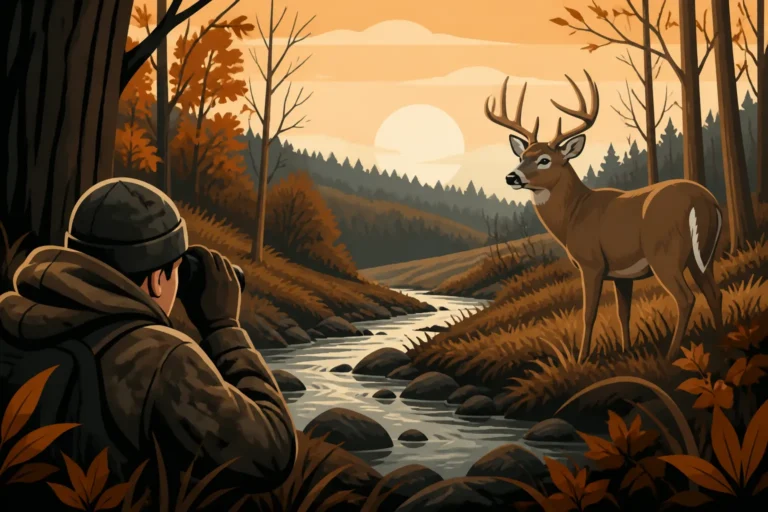
Hunting deer in North Carolina's vast Nantahala National Forest can feel like an impossible puzzle, especially when you're trying to pinpoint where those elusive bucks actually choose to bed down. The sheer scale, rugged terrain, and dense cover make it incredibly challenging to consistently locate deer, leading to countless hours spent busting brush or wandering aimlessly. This guide will meticulously break down the typical bedding strategies of Nantahala bucks, offering practical insights and scouting tactics to help you unravel their secrets and increase your chances of success.
Understanding Nantahala's Challenging Landscape
Nantahala National Forest, sprawling across the rugged western reaches of North Carolina, is a beast of a different color compared to the relatively flat plains or rolling Piedmont. Its sheer size and dramatic topography present unique challenges and opportunities for deer, dictating their movements and, crucially, their bedding habits. If you don't grasp the fundamental nature of this landscape, you'll constantly be playing catch-up, or worse, pushing deer out of their preferred haunts without ever knowing they were there. The mountain environment here forces deer to think differently about safety, food, and thermal regulation.
Steep Topography and Elevation Changes
The most immediate and obvious characteristic of Nantahala is its unrelenting verticality. We're talking about incredibly steep ridges, deep hollers, and often unforgiving elevation changes that can leave your lungs burning and your legs aching. For a buck, these drastic elevation shifts aren't just a workout; they're a critical component of their survival strategy. They use the terrain to their advantage, often bedding on benches or points that offer a commanding view of the downhill approach. This provides them with a security blanket, allowing them to detect potential threats—like us hunters—long before we get close. A buck might bed on a steep sidehill, allowing them to quickly drop down into a drainage or slip over a ridge top if danger approaches from below or above. Understanding these escape routes is paramount. The complex thermal currents, which are the rising and falling air patterns that carry scent, also play a huge role here. Deer are experts at using these thermals, often bedding in locations where a rising morning thermal will carry their scent uphill, and a falling evening thermal will carry it downhill, effectively guarding both approaches throughout the day. This is why knowing how Wind and Thermals on a Blue Ridge Slope work can be a game-changer.
Dense Cover: Laurel Thickets and Rhododendron Jungles
Beyond the steepness, Nantahala is characterized by an almost impenetrable understory in many areas, particularly the dense thickets of mountain laurel and rhododendron. These "jungles" are so thick in places you can barely crawl through them, and they are absolutely prime bedding habitat for mature bucks. Think about it: what's a deer's primary defense? Its ability to hide and disappear. These dense evergreen thickets provide unparalleled visual obstruction, making it nearly impossible for predators (or hunters) to spot a bedded deer. A buck will often choose a bed right inside these thickets, providing them with a feeling of absolute security. They can lie down and vanish, relying on their keen sense of smell and hearing to alert them to danger. For us, this means that even if you're standing just yards from a bedded buck, you might never see it. You might only catch a glimpse as it bursts from cover. This extreme cover also influences how you approach these areas; often, a wide berth is the best approach, or using very deliberate, slow movements to pick apart the cover.
Key Bedding Signatures in Nantahala
When you're trying to figure out Where Nantahala Forest Bucks Bed, you're not just looking for a random patch of woods. You're searching for specific features and conditions that provide security, comfort, and strategic advantages. Bucks, especially mature ones, are incredibly particular about their bedding locations. They're not just picking a spot to lie down; they're choosing a fortress. Learning to recognize these common "signatures" on the landscape is like being handed a decoder ring for the deer woods. It helps you focus your scouting efforts and avoid wasting time in less productive areas.
Ridge Top Benches and Points
Ridge tops in Nantahala offer some of the most consistent bedding areas for mature bucks. Specifically, look for benches—flatter areas along a ridge line—and points that jut out from the main ridge. These locations are strategic goldmines for a buck. A bench offers a relatively flat spot to lie down, which is a luxury in steep country. More importantly, these benches and points often provide a multi-directional view. A buck bedded on a point can see downhill into two different drainages, allowing them to spot movement from multiple angles. This panoramic view is critical for early detection of danger. They also tend to bed just below the crest of the ridge on the leeward side (away from the prevailing wind), using the ridge itself as a shield from the wind and often as a thermal break. As an example, I've often found beds on small benches just below the very top of a ridge, facing down into a cove, with a clear escape route over the top and down the other side. These are the kinds of spots where Reading a Ridge for Mountain Zone Deer really pays off. When you're glassing these areas, even from afar, look for subtle breaks in the timberline or slight flattening of the contour.
Thick Security Cover Near Water Sources
While ridge tops provide security through elevation and visibility, thick security cover, especially near reliable water sources, is another prime bedding characteristic. In Nantahala, these often manifest as those aforementioned laurel and rhododendron thickets or areas with dense sapling growth that have regenerated after an old timber cut. Bucks will often bed within or just on the edge of these impenetrable areas, particularly if a small spring, seep, or creek runs nearby. Access to water without having to travel far from cover is a major draw. Think about a small, relatively flat pocket of dense evergreens, perhaps 50-100 yards off a main logging road but completely out of sight, with a small trickle of water flowing through it. A buck can bed there all day, perfectly hidden, with easy access to a drink. These spots are often overlooked because they look so daunting to penetrate. When using a tool like GoHunt's mapping system, I’m always looking for those dark green blobs indicating dense canopy cover, especially when they intersect with blue lines for water. This combination often points to a potential bedding sanctuary.
Transition Zones Between Food and Cover
Deer are creatures of habit and efficiency. They want to minimize the distance and exposure between their food sources and their bedding areas. Therefore, transition zones where thick cover meets a more open feeding area are absolutely critical bedding locations. In Nantahala, "food sources" might not always be classic agricultural fields. They could be areas rich in acorns, wild grapes, browse, or even certain patches of tender saplings. A buck will often bed just inside the thickest cover bordering these food sources, allowing them to spend the day hidden and secure, then only have to travel a short distance at dusk to begin feeding. This could be the edge of a mature oak stand bordering a laurel thicket, or a regenerating clear-cut that's grown thick enough for cover but still provides abundant browse. Look for these "soft edges" where two different habitat types meet. The sign here will be prevalent: rubs, scrapes, and well-worn trails entering and exiting the thick cover. These are ideal spots for a hunter to set up for an evening ambush, catching a buck on his way out to feed.
Seasonal Influences on Bedding Patterns
Just like our own habits change with the seasons, Nantahala bucks adjust their bedding preferences throughout the year. What works for a buck in the early archery season might be completely different from where he’s hunkering down during the late gun season. Ignoring these seasonal shifts is a common mistake that can lead to frustration and empty tags. Understanding the forces at play – primarily food availability, breeding activity, and thermal regulation – is key to predicting their movements and finding those beds when it counts.
Early Season and Food-Driven Bedding
During the early archery season, typically August and September, deer are often still in their summer patterns, which are heavily influenced by food. Bucks are busy packing on pounds, and their antlers are fully grown or hardening. In Nantahala, this means they'll be keying in on prime summer food sources. Acorns, if available early, are a huge draw, as are soft mast like wild grapes, elderberries, or even certain forbs and tender shoots. Their bedding will be very close to these food sources. You'll find bucks bedding just inside thick cover, often on a gentle slope or bench, overlooking or adjacent to a heavy mast crop. They want to be able to get up, grab a bite, and lie back down with minimal effort or exposure. This is when you'll often find them slightly lower on the mountain than in later seasons, as many early food sources are found in creek bottoms or mid-slope coves. If you're out Scouting North Carolina Public Land Before Season, focus heavily on these potential food sources and then work outwards to locate nearby thickets. A buck might not be as paranoid during this time as he will be later, but security cover is always a priority.
Rut-Era Bedding: Focusing on Does and Escape Routes
When the rut kicks into high gear, typically in late October and November in the Western Zone, a buck's entire world revolves around finding and breeding does. This fundamentally shifts his bedding strategy. While security is still important, proximity to doe bedding areas and travel corridors becomes paramount. Bucks will often bed on "staging areas" or "cruising lanes"—spots that offer good visibility of doe activity or lie along routes that does frequently use. These might be slightly more open areas than their early-season beds, as their primary goal is to scent-check and observe. They'll bed on points overlooking saddles or benches that lead to doe feeding or bedding areas. Crucially, their bedding during the rut also becomes more mobile. A rutting buck might bed down for a few hours in one spot, then get up to cruise, only to bed again somewhere completely different later in the day, following the scent of a hot doe. Their beds will also feature excellent escape routes, as they are constantly on the move and often encountering other bucks or wary does. This is where you might find more rub lines and scrape lines leading into and out of these staging beds, indicating their intense activity.
Late Season Thermal Cover and Sun Exposure
As winter sets in and temperatures drop, particularly in December and January, thermal regulation becomes a dominant factor in a Nantahala buck's bedding choice. The leaves are down, exposing more of the forest, and cold winds can be brutal. Bucks will seek out bedding locations that offer protection from the elements and maximize sun exposure. This often means switching to south-facing slopes. South-facing slopes receive more direct sunlight throughout the day, warming them up significantly compared to north-facing slopes. Bucks will bed just below the crest of these south-facing ridges, often in thick evergreen cover that retains heat and blocks the wind. Laurel and rhododendron thickets on these sunny slopes are gold mines. Additionally, they will favor areas that block the prevailing northwest winds, using topography or dense vegetation as a windbreak. A rock outcropping or a fallen log that provides a little extra protection can make a spot irresistible. Their energy reserves are lower after the rut, so conserving heat is vital for survival. So, when it's cold and windy, always think south-facing slopes and the thickest cover available.
Leveraging Technology and On-the-Ground Scouting
Finding where Nantahala bucks bed is a blend of art and science, and in today's world, technology plays a massive role. Gone are the days of just wandering aimlessly with a paper map. Modern tools, when combined with diligent Scouting North Carolina Public Land Before Season, can drastically cut down on your search time and help you pinpoint high-potential areas before you ever step foot in the woods. But remember, the technology is just a guide; the real confirmation comes from what you find on the ground.
Using Topographic Maps and Satellite Imagery
Before I ever lace up my boots for a trip to Nantahala, I'm spending hours poring over digital maps. Applications like GoHunt provide an incredible advantage, allowing you to scrutinize the terrain from your living room. You can identify those crucial ridge top benches, saddles, and subtle terrain features that bucks love. I look for contours that indicate a flattening of the slope, suggesting a bench, or a narrowing of a ridge, indicating a saddle. Satellite imagery then layers on top of this, showing you the vegetation. Those dark green patches that scream "dense cover" become immediately obvious. You can trace creek bottoms, identify recent timber cuts, and even pick out old logging roads or faint trails. I'll mark potential bedding areas, food sources, and travel corridors on my map, creating a strategic overlay that guides my physical scouting. This combination lets you develop a hypothesis about deer movement and bedding, which you then go verify on the ground. It's like having an aerial view of the deer's world without ever leaving the couch.
Reading Sign: Rubs, Scrapes, and Trails Near Beds
Once you've identified potential bedding areas on your digital maps, it's time to hit the woods and Finding Sign in Big Pisgah Timber (which applies just as much to Nantahala). Nothing confirms a bedding area like fresh deer sign. When you're in the vicinity of a suspected bed, slow down and meticulously search for clues.
- Rubs: Look for fresh rubs, especially those made by larger bucks, leading into and out of thick cover. Bucks often rub trees as they leave their beds or while staging nearby. The height and diameter of the rubs can indicate the size of the buck.
- Scrapes: While not always directly in a bed, scrapes will often be found along the edges of bedding areas or along primary travel corridors that lead to and from beds. A series of active scrapes can confirm heavy deer traffic in an area.
- Trails: Well-worn deer trails leading into or out of thickets, especially those used for bedding, are a dead giveaway. Look for trails that lead to a specific point, a bench, or a secluded pocket of cover. Don't be fooled by faint trails; sometimes a buck will use the path of least resistance through dense cover, even if it's not a super obvious highway. Also, pay attention to tracks within the trails; bigger, deeper tracks are often from larger, heavier bucks.
- Actual Beds: Sometimes, you'll actually find the depressions in the leaves or dirt where a deer has bedded down. Look for fresh leaves disturbed, or a flattened spot that indicates recent use. These are the ultimate confirmation. If you find multiple beds in a small area, especially different sizes, it suggests a doe bedding area, which in turn means bucks will be nearby during the rut.
Remember, fresh sign is key. Old, faded rubs and scrapes tell you where deer were, not necessarily where they are now.
Here's a quick summary table of Nantahala bedding characteristics:
| Factor | Early Season (Aug-Sep) | Rut (Oct-Nov) | Late Season (Dec-Jan) |
|---|---|---|---|
| Primary Driver | Food Availability, Comfort | Doe Proximity, Breeding | Thermal Regulation, Security |
| Terrain | Mid-slope, near water, gentler | Ridge tops, saddles, travel funnels | South-facing slopes, windbreaks |
| Cover Type | Thickets near soft mast, acorns | Diverse, near doe groups, staging | Dense evergreens (laurel, rhodo), rock outcroppings |
| Wind Use | Less critical, but always considered | Strategic for scent-checking | Critical for warmth, wind protection |
| Key Sign | Trails to food, light rubs | Heavy rubs, scrapes, aggressive calling | Trails to sun/cover, minimal rubs |
| Elevation | Often lower to mid-slope | Mid-to-high elevations | Mid-to-high elevations |
Approaching Bedding Areas Without Spooking Deer
Okay, so you've done your homework, used your GoHunt maps, and found some promising sign indicating Where Nantahala Forest Bucks Bed. Now comes the most critical part: approaching these areas without blowing out every deer in the county. Spooking deer out of their beds is a surefire way to educate them, make them nocturnal, and potentially push them out of your hunting area entirely. It’s disheartening to hear a crash and see a white flag disappear, knowing you just ruined your chances. This requires patience, a deep understanding of deer senses, and a deliberate, methodical approach.
Utilizing Wind and Thermals to Your Advantage
This cannot be stressed enough: always hunt the wind. In mountainous terrain like Nantahala, this means understanding thermals as well. Deer rely on their incredible sense of smell more than any other sense for detecting danger. If your scent drifts into their bedding area, they'll be gone before you even know they were there.
- Morning Hunts: As the sun rises, thermals typically begin to rise. This means your scent will be carried uphill. For a morning hunt, you want to approach from above the bedding area, allowing your scent to rise away from the deer.
- Evening Hunts: As the sun sets, the ground cools, and thermals begin to fall. Your scent will be carried downhill. For an evening hunt, you want to approach from below the bedding area, allowing your scent to fall away from the deer.
Complicating this is the prevailing wind, which can override or interact with thermals. Always check the forecast and have a wind checker handy. Plan your approach routes meticulously, taking into account both the prevailing wind and the expected thermal movement. If the wind isn't right, or if it's swirling unpredictably, it's often better to stay out of the area and not risk educating a mature buck. This careful planning is also why knowing about Wind and Thermals on a Blue Ridge Slope is so important.
Slow and Stealthy Movement
Once you've got your wind and thermal strategy dialed in, your movement needs to be as quiet and deliberate as possible. Nantahala's forest floor, with its crunching leaves, snapping twigs, and often uneven terrain, makes stealth a huge challenge.
- Take Your Time: Don't rush. Every step should be slow, deliberate, and placed carefully. Test the ground before committing your full weight.
- Observe and Listen: Frequently pause, scan your surroundings, and listen intently. Use binoculars to pick apart dense cover ahead of you. Listen for the subtle sounds of deer: a twig snap, a faint rustle, or even a soft blow.
- Use Cover: Utilize natural terrain features like ridges, dips, and thickets to break up your silhouette and provide visual cover. Stay in the shadows whenever possible.
- Footwear: Wear soft-soled boots that offer good grip but minimize noise. Boots that are good for Boots for North Carolina Swamps and Ridges are ideal for Nantahala.
- Packs: Ensure your backpack, like the Packs for a Pisgah Forest Day Hunt (useful for Nantahala too), is quiet and doesn't have loose items clanking around. Anything that makes noise will give you away.
The goal is to move like a ghost, blending into the environment and giving deer no indication of your presence until you are in a favorable position. If you're still-hunting, this means taking literally five minutes for every ten yards moved, constantly scanning and listening.
Strategic Setup and Patience
Finally, once you're near a bedding area, your setup is crucial. Whether you're in a treestand or a ground blind, you need to be set up strategically, quietly, and well before deer are expected to move.
- Treestand Placement: Position your stand downwind or crosswind of the expected travel path to the bedding area, at a height that gives you good visibility but breaks up your silhouette. Make sure you have clear shooting lanes to common deer trails. Setting up too close to an active bedding area can be a recipe for disaster, as your entrance and exit will likely spook deer. It's often better to set up in a staging area or a feeding travel corridor nearby.
- Ground Blind Use: If using a ground blind, ensure it's brushed in thoroughly and set up well in advance of your hunt. A pop-up blind that suddenly appears can alarm deer. Make sure you have clear lines of sight and shooting lanes. Using a Ground Blind on North Carolina Public Land on the edge of a thicket or transition zone can be effective if done carefully.
- Patience is Key: Once you're set up, remain absolutely still and silent. Your movement and scent are your biggest enemies. Early morning or late afternoon sits are often most productive, as these are the times deer are most likely to be moving to or from their beds. Trust your scouting and be patient; often, the deer you're after might not move until well after daylight or just before dark.
Disclaimer
Always consult the North Carolina Wildlife Resources Commission (NCWRC) regulations before hunting, as rules and seasons can change. This guide is for informational purposes only and does not supersede official regulations.