When North Carolina’s Archery Season Opens
For many North Carolina hunters, the countdown to archery season begins almost as soon as the previous deer season closes. That eager anticipation, coupled with the desire to be first in the timber before the heavier pressure of rifle season, makes knowing the exact opening date crucial for planning. This guide aims to clear up any confusion and provide a comprehensive look at when North Carolina's archery season officially kicks off, along with vital details to help you prepare for a successful hunt.
North Carolina's Archery Season: A Statewide Kick-Off
The beauty of North Carolina's archery season for white-tailed deer is its simplicity and consistency: it opens statewide on a specific date each year. Unlike the general gun seasons that are divided into distinct zones with varying start times, the archery opener is universal across all 100 counties. This fixed date allows archers ample time to scout, pattern deer, and refine their setups without having to fret over complex zone maps for the initial weeks of deer season.
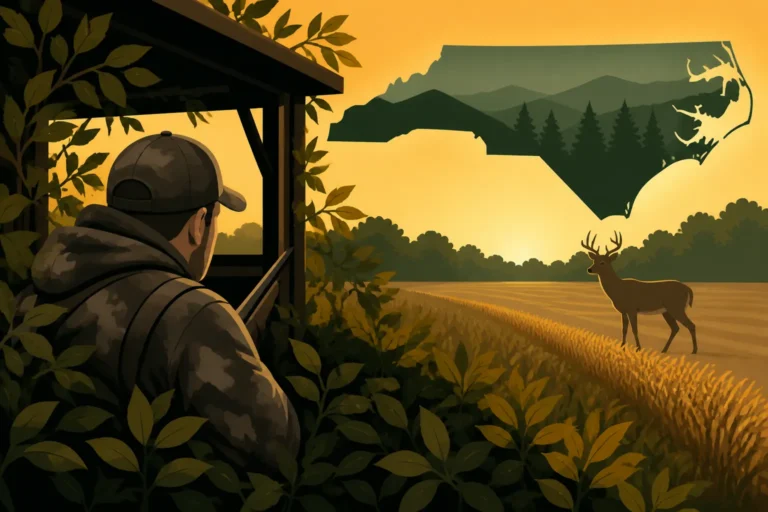
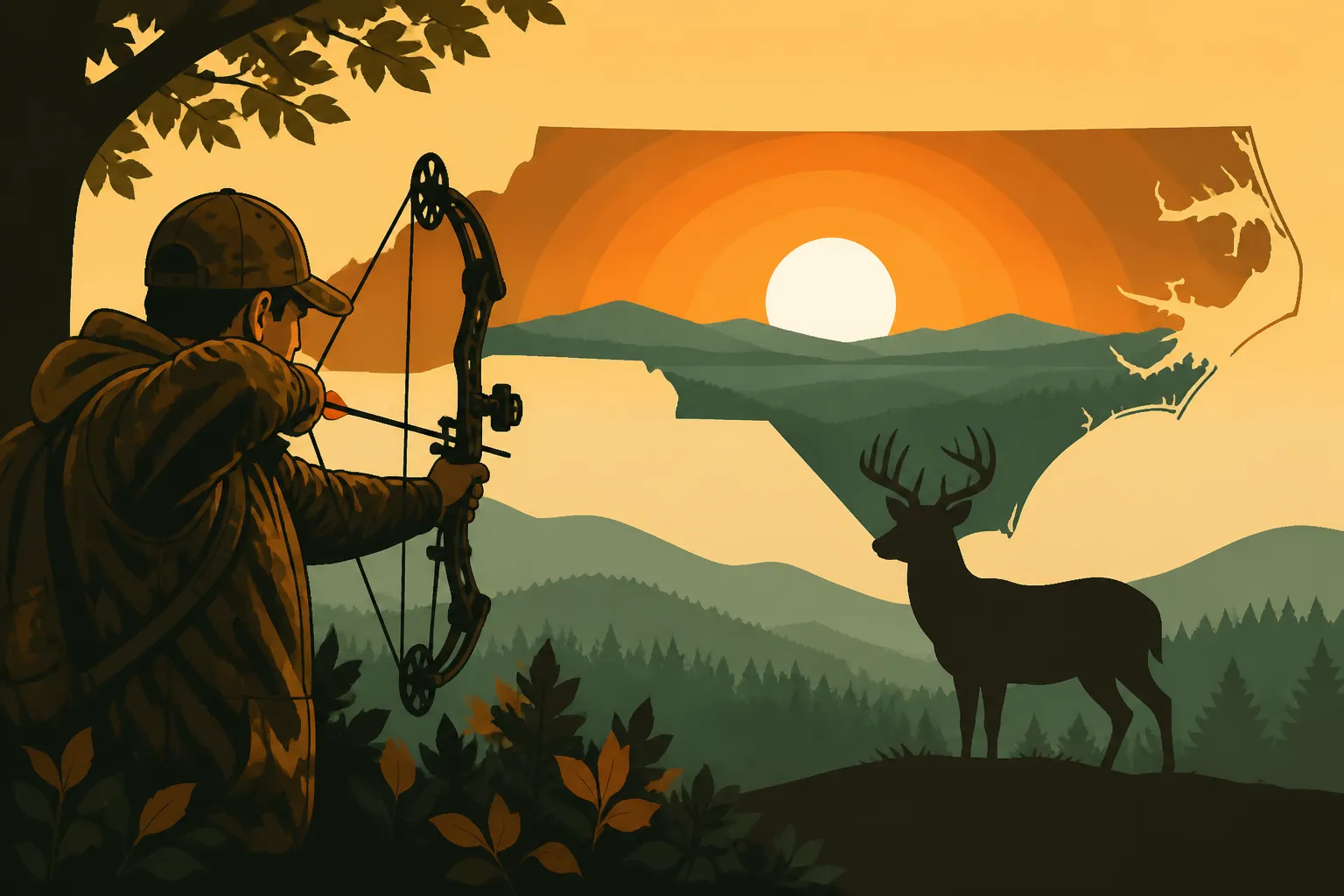
Typically, North Carolina's statewide archery season for deer begins on the first Saturday after Labor Day. This means that regardless of whether you're chasing bucks in the mountains, the Piedmont, or down in the coastal plain swamps, everyone gets to hit the woods with their bows at the same time. This early start offers a unique opportunity to target deer still largely on summer patterns, often around consistent food sources or water, before the full swing of the rut and the increased hunting pressure that comes with firearms seasons. It’s a fantastic window for dedicated archers.
What to Expect on Opening Day
Stepping into the woods on North Carolina's archery opening day brings a mix of excitement and unique challenges. Depending on the year, the weather can still feel very much like summer, with warm temperatures and high humidity being common, especially in the central and eastern parts of the state. This means prioritizing scent control, hydration, and careful meat preservation after a successful harvest. Deer are often still in their summer coats, and bucks may still be carrying velvet on their antlers, though hard antlers will become more common as the season progresses into late September.
Deer behavior at this time is predominantly focused on food, water, and bedding. They haven't yet been significantly pressured, so their movements can be more predictable, especially if you've done your homework. Targeting transition areas between bedding cover and prime feeding spots – think acorn flats, agricultural fields, or lush food plots – can be highly effective. Early season deer are creatures of habit, often sticking to predictable routines that you can exploit if you've put in the time scouting. Remember that foliage is still very thick in early September, which can make visibility challenging but also provides excellent cover for hunters to get close.
Understanding the Archery Calendar
While the "first Saturday after Labor Day" rule provides a clear and consistent opening, it's always wise to double-check the official North Carolina Wildlife Resources Commission (NCWRC) regulations each year. Small changes can occur, or specific local regulations (like those within some municipal boundaries or special hunts) might alter the general rule. However, for the vast majority of deer hunters, this early September date marks the highly anticipated start of their season.
This early calendar slot is a deliberate choice, allowing archers an opportunity to hunt before the state's diverse gun zones open weeks later. It caters to a growing population of bowhunters who enjoy the quiet challenge and intimate experience of archery. It also helps spread out hunting pressure across different segments of the season. To get a good overview of the broader hunting calendar, you might want to look at a detailed guide on North Carolina Deer Season Structure Explained. Keeping an eye on the official NCWRC website or using a reputable hunting app like GoHunt can help ensure you always have the most current information at your fingertips, helping you plan your hunts accurately and efficiently.
Early Season Opportunities and Challenges for Archers
The early archery season presents a unique set of opportunities that archers eagerly await. The deer are generally less wary, having not yet endured weeks of human intrusion, and can still be observed in larger, more relaxed family groups. Their patterns are often driven by readily available food sources, which, if located, can provide consistent hunting opportunities. However, this early period also comes with its own challenges, from oppressive heat to abundant insect activity, all of which demand careful preparation and strategic thinking from the hunter.
One of the biggest advantages is the chance to capitalize on summer scouting. If you’ve spent the late summer watching fields, checking trail cameras, and identifying primary food sources, this is your payoff. Deer are predictable, moving between bed and feed, and often tolerant of daylight activity, especially during the first few days of the season. Plus, there's nothing quite like the crisp morning air of an early September hunt, even if it eventually heats up, offering a truly immersive experience in the still-lush North Carolina woods.
Scouting and Preparation for Early Archery
Effective scouting is paramount for early archery success. With deer still on summer patterns, identifying key food sources – whether it's an early drop of white oaks, persimmon trees, or specific agricultural fields like soybeans or corn – is critical. Deer will gravitate towards these areas. Many experienced hunters use digital mapping tools like GoHunt to mark potential feeding locations, pinch points, and bedding areas well before the season arrives. This kind of advanced preparation helps narrow down prime stand locations and plan quiet entry and exit routes. You might want to refer to Scouting North Carolina Public Land Before Season for more in-depth tips.
Consider the prevailing wind direction in relation to these food sources and bedding areas. With heavy foliage, thermals can play a significant role, especially in hilly or mountainous terrain. Early mornings often see thermals rising, while evenings might have them falling. Understanding this localized air movement is crucial for remaining undetected. Furthermore, setting up your treestand or ground blind in advance, while adhering to Treestand Setups in Pisgah National Forest or Using a Ground Blind on North Carolina Public Land guidelines, allows deer to get accustomed to its presence, making your opening day hunt less disruptive.
Navigating Pressure and Conditions
Even with an early start, North Carolina's public lands can see some significant hunting pressure, particularly on opening weekend. While not as crowded as general gun openers, passionate archers are eager to get out. Finding ground that others walk past, or areas that require a bit more effort to access, can dramatically increase your chances of success. This might mean pushing a bit deeper into game lands or focusing on less obvious travel corridors away from main trails.
The late summer conditions themselves present hurdles. The heat can be brutal, not only making the hunt uncomfortable but also posing a serious challenge for meat care. Having a plan for rapidly cooling and processing your deer is non-negotiable. Large coolers with plenty of ice, game bags, and perhaps a hunting buddy to help with extraction, are all crucial. Insects, especially mosquitoes and ticks, are also very active. Applying insect repellent and conducting thorough tick checks after every hunt are essential for health and comfort. Hydration is key; carry more water than you think you’ll need.
Archery Rules and Regulations for a Smooth Start
While the "when" of archery season is fairly straightforward, understanding the "how" and "what with" is equally important to ensure a legal and ethical hunt. North Carolina has clear regulations regarding archery equipment, licensing, and reporting requirements that all hunters must follow. Being familiar with these rules prevents common mistakes and ensures a smooth, worry-free season. Don't let a technicality ruin your hard-earned hunting opportunity!
It's tempting to focus solely on the act of hunting, but an ethical hunter is a knowledgeable hunter. Taking the time to read through the regulations, or even attending an NCWRC seminar if available, can deepen your understanding and appreciation for wildlife management efforts. After all, we all share the responsibility of preserving North Carolina's hunting heritage for future generations.
Crossbows and Other Archery Equipment
A common question among archers, especially those transitioning from traditional bows or those with physical limitations, concerns crossbow usage. In North Carolina, crossbows are indeed permitted during the statewide archery season for deer. This is fantastic news for many, as it opens up the archery experience to a wider range of hunters. However, there are specific requirements for all archery equipment. Generally, broadheads must have at least two cutting edges and be a minimum of 7/8 inch wide. Mechanical broadheads are also legal, provided they meet these specifications when deployed.
It's vital to ensure your equipment is in proper working order and that you are proficient with it. Practice shooting regularly, especially with the broadheads you intend to hunt with, to understand their flight characteristics. Make sure your bow has a minimum draw weight, though North Carolina's regulations are generally broad here, focusing more on the projectile's effectiveness. For a comprehensive breakdown of specific equipment rules, check out Crossbow Rules During North Carolina Archery Season. Always prioritize ethical shots and clean kills, which come from proper equipment and diligent practice.
Essential Licenses and Reporting Requirements
Before you can even string your bow for the opening day, you need to ensure you have the appropriate North Carolina hunting licenses. For residents, this typically involves a Basic Hunting License, often combined with a Big Game Harvest Report Card or a "Sportsman's" package that includes various privileges. Non-residents have different options, including annual or short-term licenses. It’s important to remember that if you plan to hunt on North Carolina’s Game Lands, a separate Game Lands privilege license is also required. You can find detailed information on these requirements in resources like North Carolina Hunting Licenses and What They Cost.
Once you harvest a deer, reporting your kill is not just a suggestion; it's a mandatory legal requirement in North Carolina. All harvested deer must be reported to the NCWRC through their online system or mobile app by midnight on the day of harvest. This data is critical for wildlife biologists to monitor deer populations, track harvest trends, and make informed management decisions. Failing to report a harvest can result in penalties, so always make it a priority. Familiarize yourself with North Carolina Deer Reporting Requirements well before you head out, and keep your license and a pen or pencil handy in the field to jot down the necessary information immediately after a successful hunt.
North Carolina Archery Season Key Dates
| Opening Day (Deer) | First Saturday after Labor Day |
|---|---|
| Season Duration | Typically runs through early November |
| Primary Target Species | White-tailed Deer |
| Legal Equipment | Compound Bows, Recurve Bows, Longbows, Crossbows |
| Location | Statewide |
Mastering Early Season Tactics
Early archery season in North Carolina demands a nuanced approach, blending patience with aggressive scouting. The woods are still thick, the weather can be a factor, and deer are still relatively unpressured, making it a unique hunting experience. Understanding deer movement patterns based on available food sources and water is your most valuable asset during this period. Deer, especially bucks, are often seeking out high-energy foods to finish antler growth and pack on fat reserves before the rigors of the rut.
Focusing on transitions between thick cover and feeding areas, or targeting water sources during warmer spells, can significantly increase your odds. Remember, human scent is your enemy, so meticulous scent control and careful entry/exit strategies are not just good practice, they’re essential. The advantage of early season is the ability to observe and learn from deer behavior that hasn't been dramatically altered by hunting pressure.
Identifying Key Food Sources
During the early weeks of archery season, deer are heavily reliant on available forage. Acorns, particularly those from white oaks which drop earlier than red oaks, are a major draw. Scouting for falling acorns, even if it means checking multiple oak stands, can lead you directly to where deer are concentrating. Look for fresh droppings and disturbed leaves under oak trees, indicating active feeding. Persimmons are another highly attractive early season food source, often found in old fields and along forest edges. If you find a productive persimmon tree, set up downwind and be ready.
Beyond natural mast, agricultural fields can be magnets. Standing soybeans, corn, and early-planted food plots like clover or brassicas can be irresistible to deer. Scouting these areas during late evening hours from a distance, perhaps with binoculars, can reveal exactly where deer are entering and exiting. Knowing these patterns will inform your stand placement and help you select the best Entry Routes Through Standing Soybeans or plan for Hunting a Standing Cornfield in Farm Country. The deer will tell you where they are, you just need to be observant.
The Role of Water and Thermals
With potentially warm temperatures during early September, water sources become incredibly important. While deer get a lot of moisture from their forage, they will still seek out creeks, ponds, and even small seeps, particularly during the hottest parts of the day or after feeding. Setting up near a secluded water source that also offers good cover can be a deadly early season tactic, especially if it's along a natural travel corridor between bedding and feeding areas.
Understanding thermals, particularly in the rolling hills of the Piedmont or the steep terrain of the mountains, is non-negotiable for early season archery. As the sun rises and warms the air, thermals will typically lift your scent upwards. Conversely, as the sun sets and the air cools, thermals will fall. This means an evening stand in a valley might be excellent as falling thermals carry your scent down, but a morning hunt in the same spot could be disastrous as rising thermals carry your scent up to bedding deer above you. Pay close attention to Wind and Thermals on a Blue Ridge Slope to avoid being busted, as deer’s noses are their primary defense.
The Mental Game and Patience in Archery
Archery hunting, by its very nature, is a test of patience, discipline, and mental fortitude. Unlike rifle hunting where opportunities can present themselves quickly and at longer ranges, bowhunting often requires longer sits, more meticulous movements, and the ability to capitalize on fleeting, close-range chances. This is particularly true during the early season when deer are still relatively unpressured but can also be unpredictable due to thick cover and changing food preferences. The mental game is just as crucial as your equipment or scouting prowess.
One of the biggest hurdles for new archers, and even seasoned veterans, is managing the "buck fever" when an animal finally steps into range. Staying calm, focusing on your shot sequence, and executing a clean release under pressure are skills honed through practice and experience. Don’t rush the moment; take a deep breath, verify your shot, and let your training take over. The satisfaction of a well-executed archery hunt is immensely rewarding.
Staying Disciplined in the Stand
Long sits are often necessary for early season archery success. Deer movement can be sporadic, especially if it's still warm, with periods of inactivity followed by bursts of feeding or traveling. This requires unwavering patience in your stand. Avoid unnecessary movement, fidgeting, or checking your phone too often. Any slight movement or sound can alert a wary deer. Practice drawing your bow silently while sitting or standing in your stand, anticipating various shot angles.
Consider bringing essentials that help you stay comfortable and focused, such as a comfortable seat, a quiet water bottle, and scent-free snacks. A quality binocular, perhaps an 8×42 model, can help you observe deer and their behavior without needing to move, allowing you to confirm patterns or identify new food sources from a distance. Utilizing a reliable mapping app like GoHunt on your phone, in silent mode, can help you track time, monitor wind, and mark observations without making noise.
Handling Unpredictability and Learning From Each Hunt
Deer are wild animals, and their behavior is never 100% predictable. Early season can sometimes throw curveballs, with deer moving at odd times or suddenly shifting feeding patterns due to new mast drops or slight weather changes. Don't get discouraged if your initial plan doesn't yield immediate results. Each sit, successful or not, is a learning opportunity. Pay attention to everything: where deer are coming from, what they're feeding on, how they react to your presence (or lack thereof), and how other hunters might be impacting their movement.
Use trail cameras strategically throughout the season, but especially in the early weeks, to gather intelligence. Place them near food sources, pinch points, or water to see what's moving and when. This real-time data can be invaluable for adjusting your strategy. If your initial stand isn't producing, don't be afraid to move and try a different location based on new information. Adapting and remaining flexible are hallmarks of a successful early season archer in North Carolina.
Disclaimer
The information provided in this guide is for general informational purposes only and does not constitute legal advice. Hunting regulations in North Carolina are subject to change and vary by specific location and species. Always consult the official North Carolina Wildlife Resources Commission (NCWRC) regulations and local ordinances before engaging in any hunting activity. It is the hunter's responsibility to know and abide by all current laws and regulations.