Lead-Free Ammunition Choices for Deer
There's a growing conversation among hunters about the ammunition we use, and for many in North Carolina, questions about lead-free options for deer hunting are becoming more common. Maybe you've heard about regulations in other states, or perhaps you're simply curious about the environmental impact of your choices, but it can feel overwhelming trying to figure out if lead-free is right for you, what your options are, and how it might affect your hunting. This guide will help you navigate the world of lead-free ammunition, understanding the reasons behind considering it, the types available, and what to expect when making the switch for deer hunting here in the Tar Heel State.
Why Consider Lead-Free Ammunition for North Carolina Deer Hunting?
For generations, lead has been the go-to material for bullet cores, and for good reason—it's dense, relatively inexpensive, and forms well. But in recent years, hunters, conservationists, and wildlife agencies have started looking closer at its impact. It's a nuanced discussion, and it's totally valid to have questions about why anyone would switch from what's always worked.
Environmental Concerns and Wildlife Health
One of the primary drivers behind the lead-free movement centers on environmental impact, particularly concerning scavengers. When you harvest a deer, and if you field dress it in the woods, any lead fragments left behind in the gut pile can be ingested by scavengers like buzzards, crows, and even non-target predators such as coyotes and bobcats. Over time, ingesting these fragments, even tiny ones, can lead to lead poisoning in these animals. This isn't just a hypothetical scenario; scientific studies, particularly in Western states, have shown correlations between lead ammunition use and lead exposure in scavenger populations. While North Carolina's ecosystem dynamics are different from, say, California's condor ranges, the principle of minimizing potential harm to wildlife is a valid consideration for many ethical hunters.
Another aspect is the potential for lead fragments in harvested game meat. While rare for hunters to consume enough lead to cause an issue, tiny fragments can sometimes be found in the meat around the wound channel, especially with certain bullet types that fragment heavily. Some hunters choose lead-free options to ensure the venison they bring to the table is as pure as possible for their families. It's about peace of mind, really, and wanting to be as responsible as possible from forest to plate.
The Reality of North Carolina Regulations
It’s crucial to understand that, as of now, North Carolina does not have a statewide mandate for using lead-free ammunition for deer hunting, nor are there any indications that such a broad regulation is imminent. This isn't like some states where lead-free is required by law in certain areas or for specific game. Here in North Carolina, the choice is entirely yours. You're not breaking any rules by using traditional lead-core ammunition.
However, some specific federal lands or wildlife refuges within North Carolina might have their own stricter regulations regarding lead ammunition. For instance, national wildlife refuges often have more stringent rules, sometimes requiring lead-free shot for waterfowl or even lead-free bullets for big game. It’s always, always your responsibility to check the specific rules for the exact hunting area you plan to visit, especially if it's federal property. A quick check of the regulations for places like Mattamuskeet National Wildlife Refuge or Pocosin Lakes National Wildlife Refuge will confirm whether lead-free is a requirement there. This is where tools like GoHunt can be invaluable, allowing you to quickly look up regulations for specific public lands and avoid any surprises.
Personal Choice and Ethical Hunting
Beyond regulations and environmental concerns, many hunters opt for lead-free ammunition simply as a personal ethical choice. It aligns with a broader conservation ethic, a desire to leave the land and its wildlife as undisturbed as possible. For some, it's about being proactive, taking steps to reduce their footprint even if not explicitly required. They see it as another way to practice responsible stewardship, much like adhering to bag limits or practicing selective harvest.
This isn't to say that hunters using lead ammunition are unethical; far from it. It's simply an individual decision based on personal values and an evolving understanding of wildlife management. As hunters, we're often the most vocal advocates for conservation, and exploring options like lead-free ammunition is just one more facet of that commitment. It’s about making informed choices that feel right for you and your hunting philosophy.
Types of Lead-Free Ammunition for Deer
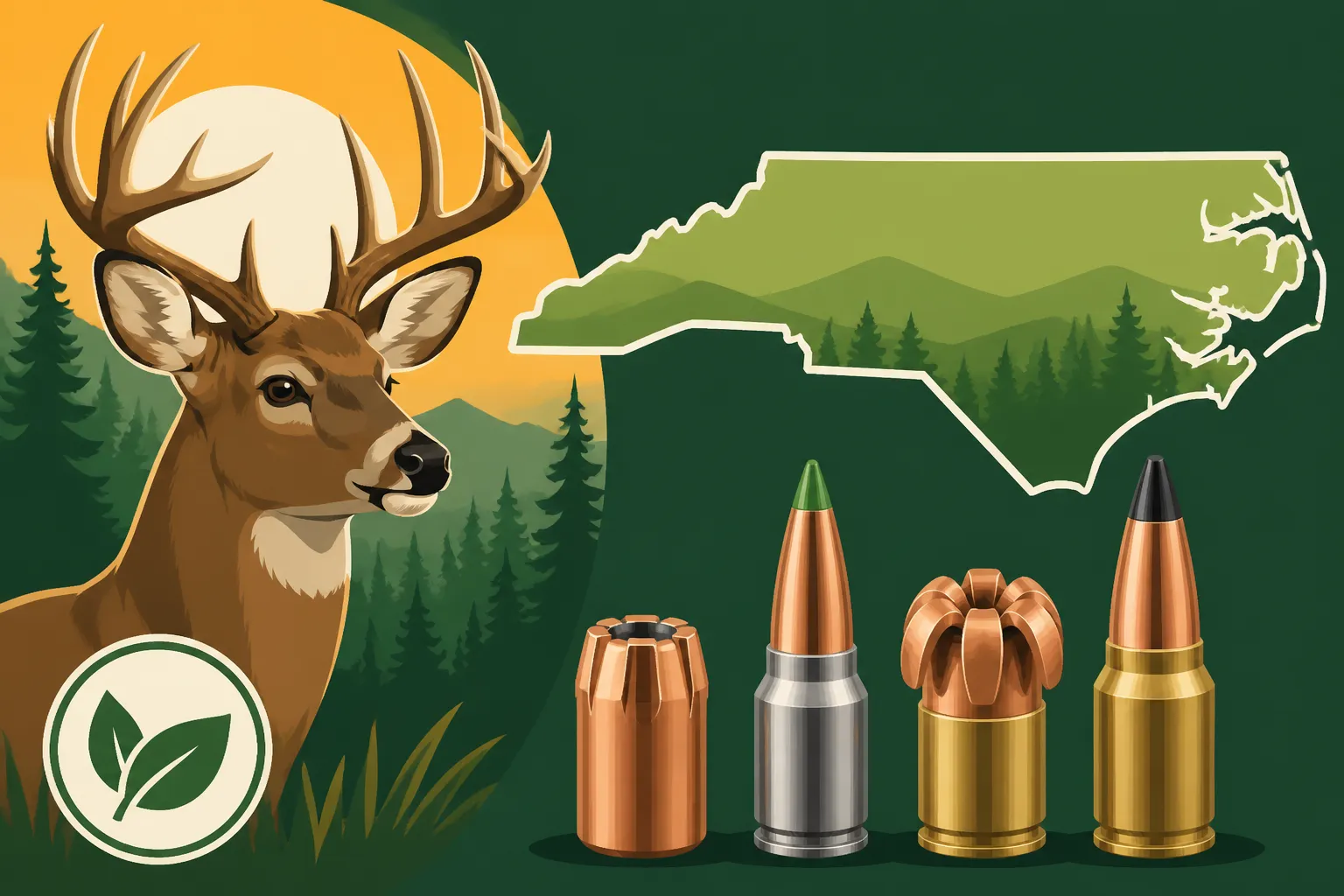
When you start looking into lead-free options, you'll quickly realize that "lead-free" isn't a single bullet type. Manufacturers have innovated, coming up with several different approaches to achieve reliable terminal performance without using lead. Each type has its own characteristics, and understanding them is key to choosing the right one for your North Carolina deer hunt.
Solid Copper and Monolithic Designs
These are perhaps the most well-known and widely used lead-free options. Bullets like Barnes TTSX, Hornady GMX, and Federal Trophy Copper are all examples of monolithic designs, typically made from a single piece of copper or copper alloy. The beauty of these bullets lies in their consistent performance. They retain almost 100% of their original weight, even after passing through thick hide, bone, and tissue. This high weight retention translates to excellent penetration, often exceeding that of traditional lead-core bullets.
Upon impact, these bullets are designed to expand in a controlled manner, usually peeling back into sharp petals that create a devastating wound channel. The expansion can be quite wide, but because there's no lead core to fragment, you don't get those tiny, often undetectable lead particles spreading through the meat. Hunters using these bullets for Hunting the Rut in the Eastern Zones or pursuing big mountain bucks often report quick, clean kills due to the deep penetration and robust wound channels. They tend to be highly accurate, though some rifles might prefer one brand or bullet weight over another, just like with any ammunition.
Bonded Core and Fragmenting Lead-Free
While monolithic bullets are solid, there are also lead-free options that mimic the construction of some traditional lead-core bullets but use non-lead materials. Some manufacturers use a bonded construction where a copper jacket is chemically bonded to a different, non-lead core material, such as tin or a combination of metals. This bonding helps prevent core-jacket separation, leading to better weight retention than a traditional cup-and-core bullet, but still allowing for some fragmentation or shedding of the jacket petals.
Other designs might be made of alternative metals that are engineered to fragment in a specific, controlled way, creating multiple wound channels without using lead. These aren't as common as the solid copper monolithic designs for deer hunting, but they exist. The idea here is to get a combination of penetration and expanded wound volume. When considering these, it's particularly important to read reviews and understand their terminal ballistics, as their performance can vary more than the more standardized monolithic copper bullets. Remember, when you're preparing for a hunt, whether it's Hunting Piedmont Farmland Deer or chasing a buck up a ridge, knowing how your bullet performs is paramount.
Other Niche Lead-Free Options
You might occasionally encounter other, more niche lead-free bullet designs. These could include frangible bullets made from compressed powders or other materials, designed to break apart almost entirely on impact. While these are excellent for reducing ricochet risk, they are generally not suitable for deer hunting as they lack the penetration needed to reliably reach vital organs, especially through heavy bone or muscle. For deer, you need a bullet that will penetrate deeply and reliably expand, and frangible designs typically don't offer that.
Another type might involve different alloys beyond copper, like brass or various blends. These often fall into the monolithic category, performing similarly to solid copper. The key takeaway is that for deer, you're almost always looking for a robust, expanding design that can penetrate effectively. Always do your homework on any new-to-you bullet type, perhaps consulting ballistic data or hunter reviews, readily available through platforms like GoHunt, to ensure it meets the requirements for a clean kill on North Carolina whitetails.
| Lead-Free Bullet Type | Primary Material | Key Performance Trait | Typical Weight Retention | Best Use for Deer |
|---|---|---|---|---|
| Monolithic (e.g., TTSX, GMX) | Solid Copper/Alloy | Deep Penetration, Controlled Expansion | Near 100% | All-around, excellent bone penetration |
| Bonded Non-Lead | Copper Jacket, Non-Lead Core | Good Penetration, Moderate Expansion | High (70-90%+) | Good for varied shot angles, minimal fragmentation |
| Segmenting (e.g., ETip) | Solid Copper/Alloy | Controlled Segmentation/Expansion | High (retains majority of weight) | Similar to monolithic, but may shed petals |
| Frangible | Compressed Powder/Other | Disintegrates on Hard Surface | Low (designed to break up) | Not recommended for deer |
Performance Considerations of Lead-Free Bullets
Switching to lead-free ammunition isn't just about the material; it also means understanding how these bullets perform downrange and on game. There are some distinct differences compared to traditional lead-core bullets that hunters need to be aware of to ensure ethical and effective hunting.
Accuracy and Point of Impact Shifts
The good news is that most quality lead-free ammunition is very accurate. Modern manufacturing processes ensure tight tolerances, resulting in consistent bullet flight. However, because lead-free bullets are typically made of less dense materials (like copper compared to lead), they often need to be longer than a lead-core bullet of the same weight. This can sometimes affect stabilization in rifles with slower twist rates, though for common deer calibers and bullet weights, this is rarely an issue.
More importantly, when you switch from a lead-core load to a lead-free one, you should absolutely expect a shift in your rifle's point of impact. Even if you stay with the same bullet weight and caliber, the different construction, length, and internal ballistics of the lead-free round will almost certainly cause your shots to land in a different spot. This means you must re-zero your rifle with your chosen lead-free ammunition before heading into the woods. Don't skip this step! Take the time to get on the bench, shoot groups, and confirm your zero at various distances you expect to shoot in Rifle Ranges Realistic in Piedmont Woods or Practical Range in North Carolina Mountain Coves. A few dollars spent on practice ammo is a small price to pay for confidence and ethical shot placement.
Terminal Performance on Whitetails
The terminal performance of lead-free bullets on North Carolina whitetails is generally excellent, often surprising hunters who expect a drop-off. As mentioned, monolithic copper bullets are known for their high weight retention and deep penetration. This means they tend to drive all the way through a deer, creating an exit wound, which is a huge advantage for blood trailing, especially when Tracking a Deer Through North Carolina Leaf Litter or through thick cover. The "petals" that peel back upon expansion create a wide wound channel, severing tissue and inducing massive hemorrhaging.
Because they don't fragment like some lead-core bullets, the wound channel is typically more consistent, and you might not see the same catastrophic internal damage that highly frangible lead bullets can cause. However, the deep penetration and reliable expansion are highly effective for vital organ destruction, leading to quick and humane kills. You might even find less damaged meat around the wound channel because there are no tiny lead fragments to contaminate surrounding tissue, making the field dressing process a bit cleaner.
Bullet Weight, Velocity, and Energy
When selecting lead-free ammunition, you might find that the available bullet weights are slightly different than their lead-core counterparts. For example, if you typically shoot a 150-grain lead-core bullet in your .308, you might find that the equivalent lead-free copper bullet is 130 or 135 grains. This is due to the difference in material density. A lighter lead-free bullet can often achieve higher velocities, which can translate to flatter trajectories and increased energy at closer ranges.
However, it’s important that these lighter bullets still meet the necessary energy requirements for ethical deer hunting and perform reliably at expected North Carolina hunting distances. Always check the manufacturer's recommendations for minimum impact velocity needed for reliable expansion. A faster, lighter lead-free bullet that expands properly can be just as, if not more, effective than a heavier, slower lead-core bullet. If you're pondering Is a .243 Enough for North Carolina Whitetails?, rest assured that modern lead-free options are available that make calibers like the .243 highly effective for deer. It’s all about matching the right bullet to your caliber, and your hunting conditions.
Transitioning to Lead-Free: Tips and What to Expect
Making the switch to lead-free ammunition can feel like a big step, especially if you've been using the same trusted loads for years. But with a bit of preparation and understanding, it can be a smooth and rewarding transition.
Testing Different Loads in Your Rifle
Just like with any new ammunition, your rifle will likely show a preference for certain lead-free loads. Don't just grab the first box you see and expect it to shoot perfectly. Start by buying a couple of different brands or bullet weights of lead-free ammunition in your chosen caliber. If you're using a common caliber like a .30-06 or .270, you'll find plenty of options from manufacturers like Barnes, Hornady, Federal, and Nosler.
Head to the range and systematically test each load. Pay close attention to accuracy – how tight are your groups at 100 yards? How consistent are they? Also, note any shifts in your point of impact compared to your previous lead-core ammunition. You'll need to adjust your scope accordingly. This testing phase is crucial for building confidence in your new setup. Platforms like GoHunt often have user-submitted data or forums where hunters discuss specific load performance in various rifles, which can give you a starting point. Don't hesitate to experiment; finding the right match for your rifle is key to success in the field.
Adjusting Your Shooting Technique
For most hunters, the mechanical act of shooting won't change drastically with lead-free ammunition. However, the slightly different ballistics (often a flatter trajectory due to lighter, faster bullets) might mean small adjustments, particularly for longer shots. If you're used to a certain holdover or hold-under at 200 or 300 yards, you'll need to recalibrate that with your new lead-free load. This is why thorough range testing at various distances is so important, allowing you to build new dope cards for your Rifle Setups for North Carolina Deer Hunting.
Moreover, because lead-free bullets are often designed for maximum penetration, you might find that they perform best when hitting bone directly. While a heart-lung shot is always the goal, the robust construction of a monolithic copper bullet means it can smash through a shoulder bone or rib cage with less deflection and fragmentation than some traditional bullets, often maintaining a straighter path to the vitals. This isn't to say you should aim for bone, but rather to understand that these bullets are built to handle tough obstacles, giving you added confidence in challenging shot scenarios.
Ethical Shot Placement Remains Key
Regardless of the ammunition type you choose, the bedrock of ethical hunting remains precise shot placement. A lead-free bullet is not a magic wand; it still requires you to put the bullet where it needs to go for a quick, humane kill. All the benefits of high weight retention and deep penetration are meaningless if the bullet doesn't hit the vitals.
Focus on the fundamentals of marksmanship: breath control, trigger squeeze, and follow-through. Know your rifle, know your ammunition, and know your effective range. Practice often, especially if you're making a switch. Whether you're hunting during North Carolina's Gun Deer Season by Zone or trying your luck during Muzzleloader Deer Hunting in North Carolina, your commitment to ethical shot placement is the single most important factor in a successful and humane hunt. Lead-free ammunition simply provides another excellent tool to achieve that goal, often with added benefits for the environment and the quality of your harvested venison.
Disclaimer
This article is for general informational purposes only and does not constitute professional advice. Laws, prices and regulations vary by location and change over time. Consult a qualified professional for guidance on your specific situation.