Buncombe County Mountain Public Ground
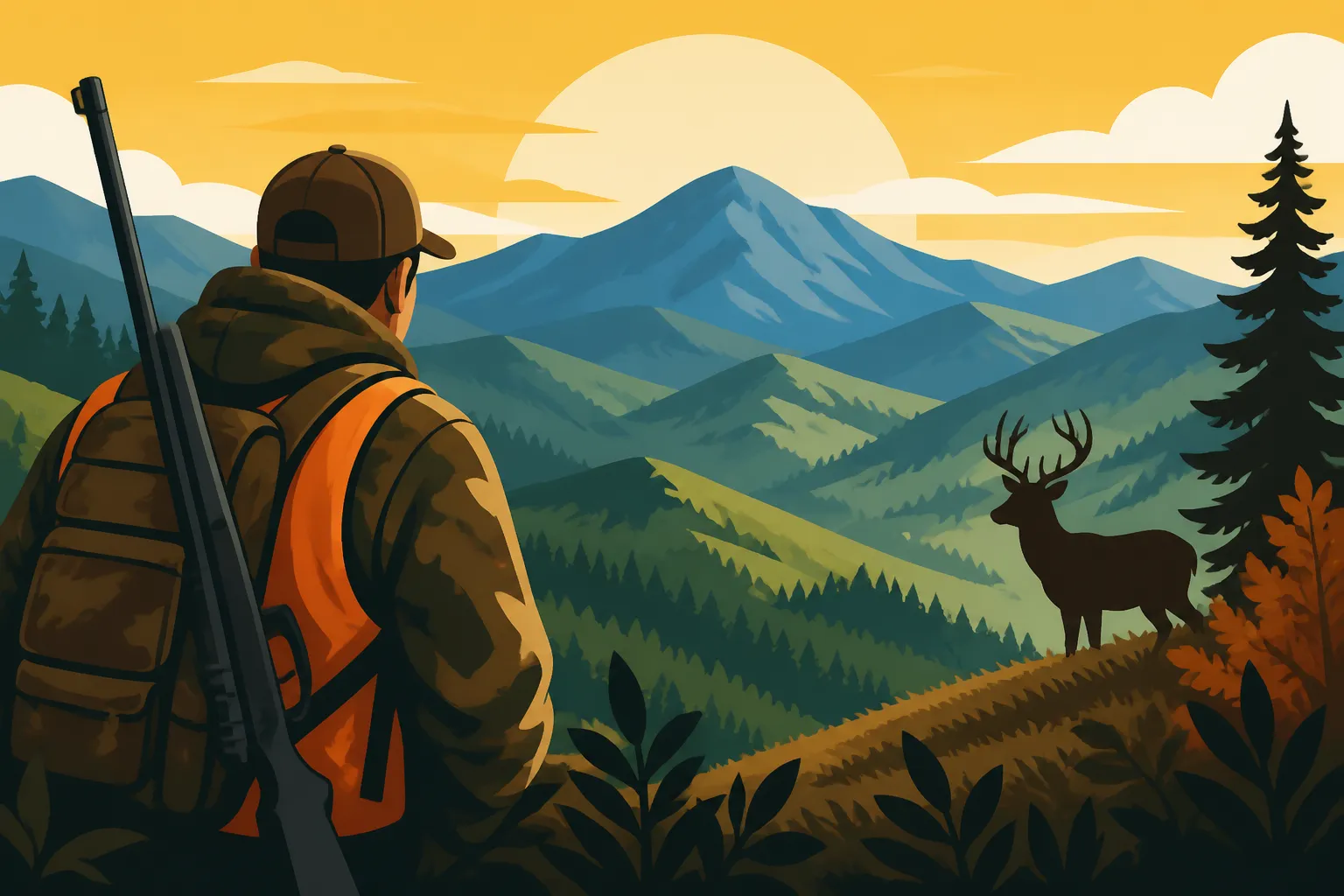
Hunting public land in the mountains of North Carolina can feel like an entirely different ballgame than the rolling Piedmont or flat Coastal Plain. For those of us looking to explore the rugged beauty and challenging hunting opportunities within Buncombe County, it often means navigating steep terrain, dense cover, and understanding unique animal behaviors. This guide is dedicated to helping you unlock the potential of Buncombe County's mountain public ground, offering insights into its landscape, species, and the tactics that truly pay off.
Understanding Buncombe County's Public Hunting Landscape
Buncombe County, nestled deep in the Appalachian Mountains, offers a dramatically different hunting experience than much of the state. It's a place where timber is king, elevation changes are constant, and solitude can often be found if you're willing to work for it. Understanding the specific characteristics of these public lands is the first step toward a successful hunt.
The Dominance of Pisgah National Forest
When you talk about public hunting land in Buncombe County, you're primarily talking about Pisgah National Forest. This vast expanse of federally managed land forms the backbone of mountain hunting opportunities here. It’s characterized by towering hardwoods, rhododendron thickets, steep hollows, and high ridges that demand physical conditioning and keen woodsmanship. The sheer size of Pisgah means that pressure can be localized, but vast areas remain relatively undisturbed if you're willing to hike in.
Pisgah National Forest isn't just one monolithic block; it's a diverse landscape within the county. You'll find areas closer to population centers that might see more traffic, especially on opening day, but also incredibly remote sections that require significant effort to reach. This mosaic of terrain dictates everything from how deer move to where bear might den. It’s crucial to remember that while the scenery is breathtaking, the hunting here is often a grind, rewarding persistence and a deep understanding of mountain habits. For a broader view, check out Pisgah National Forest Hunting.
Other Key Public Lands and Their Characteristics
While Pisgah National Forest is undoubtedly the star, other smaller parcels of public land or game lands might exist within or bordering Buncombe County, or within a reasonable drive. These areas, though perhaps not as expansive, can sometimes offer unique opportunities or different habitat types. They might be older timber stands, areas with specific mast crops, or even sections of managed game lands that have different regulations or management practices than the National Forest.
It's always a good idea to consult the North Carolina Wildlife Resources Commission (NCWRC) interactive map to identify all available public hunting areas within and immediately surrounding Buncombe County. Sometimes a small, overlooked game land can hold a gem, especially if it offers a slightly different terrain or cover from the predominant National Forest. These smaller tracts might experience less overall pressure but still hold good numbers of game, making them worth investigating. Be sure to understand the specific rules for each game land, as they can differ from National Forest regulations, especially regarding things like vehicle access or camping.
Navigating the Terrain and Access Points
Mountain hunting in Buncombe County isn't like walking a flat field edge. It involves significant elevation changes, dense vegetation, and often, limited road access. Understanding how to get in and out, and how to use modern tools to your advantage, is paramount.
Entry Points and Road Systems
Access into the vastness of Pisgah National Forest in Buncombe County often hinges on gravel forest service roads, state highways that cut through, or even old logging trails. Many of these roads are well-maintained during hunting season, but some might be gated, seasonally closed, or require a high-clearance vehicle. It’s vital to scout these roads beforehand, either physically or using mapping software, to identify viable parking and entry points. You don't want to drive an hour only to find your intended access point is blocked.
When parking, always be mindful of signage, private property boundaries, and ensuring you don't block any gates or throughways. Often, the best hunting begins where the roads end, requiring a significant hike into the backcountry. Look for old logging roads, creek bottoms, or saddle points that allow for a strategic entry without blowing out the area. For those long walks, having a good pair of boots is non-negotiable, as discussed in Boots for North Carolina Swamps and Ridges.
The Importance of Topo Maps and Digital Tools
Forget trying to navigate Buncombe County's mountains without a detailed topographical map, both physical and digital. The terrain changes rapidly, and what looks like a minor hump on a flat map can be a daunting climb in real life. Understanding contour lines, identifying saddles, ridges, and drainages is fundamental to successful mountain hunting. A physical map and compass serve as a crucial backup, but digital mapping apps have become indispensable.
This is where tools like onX Hunt truly shine. Using its satellite imagery and topo map overlays, you can virtually scout an area before you ever step foot in it. You can mark potential bedding areas, travel corridors, water sources, and escape routes from the comfort of your home. It’s invaluable for identifying property boundaries, locating game lands, and understanding the lay of the land, especially when exploring new ground. Many hunters also find platforms like GoHunt useful for broader planning and understanding regional trends. These apps allow you to drop pins, track your route, and see your exact location in relation to terrain features and boundaries, which can be a lifesaver when deep in Pisgah's thick timber and tangled rhododendron hells. For advice on preparing, consider Scouting North Carolina Public Land Before Season.
Game Species and Hunting Opportunities
Buncombe County's public lands host a variety of game, each presenting its own set of challenges and rewards. The most sought-after species are deer, bear, and turkey, all of which thrive in this mountainous environment, albeit with specific habits and preferred habitats.
Deer Hunting Challenges and Rewards
Deer hunting in Buncombe County's mountains is not for the faint of heart. Unlike areas with abundant agriculture, mountain deer often have smaller home ranges and rely heavily on mast crops like acorns, dense cover, and thermal dynamics for survival. Finding them can be a puzzle, as they might be scattered widely in search of food or tucked away in steep, remote hollows to avoid pressure. Success often comes down to knowing the mast crop in a given year, understanding how deer navigate steep slopes, and being able to read subtle sign in dense forest.
The rewards, however, can be significant. Mountain bucks, while perhaps not as large-bodied as their Piedmont cousins, are often older, tougher, and incredibly cunning. Harvesting one after a grueling mountain hunt is a testament to skill and perseverance. Focusing on saddles, benches, and thick transition zones between different cover types can be productive. Also, understanding the North Carolina Deer Season Structure Explained will help you align your tactics with specific seasons. Look for scrapes and rubs along ridges and natural funnels. The rut in the Western Zone, where Buncombe County sits, tends to be later than other parts of the state, typically peaking in mid-November, which means late-season hunts can be productive if you hit it right. For detailed strategies on interpreting the terrain, check out Reading a Ridge for Mountain Zone Deer.
Bear and Turkey Prospects in the Mountains
Buncombe County is prime black bear habitat, offering some of the best opportunities in North Carolina. The dense forests, abundant hard mast, and remote areas of Pisgah National Forest provide ideal conditions for a thriving bear population. Bear hunting here can be an exhilarating experience, often involving long treks, tracking, or hunting over natural food sources. Bear sign, such as claw marks on trees, scat, and overturned rocks, can be prevalent. Focus your scouting efforts around oak ridges during acorn drops, or in areas with wild berries. Bear can travel vast distances, so knowing where they're feeding is key. A good resource for understanding these magnificent animals is North Carolina's Black Bear Population.
Wild turkeys have also made a strong comeback in North Carolina, and Buncombe County's mountains hold a healthy population. Spring turkey hunting here is an immersive experience, with gobblers echoing through the valleys. Locating roost sites, understanding their daily patterns from roost to feeding areas, and mastering calling techniques are critical. The challenging terrain means birds can be tough to pinpoint, but once you get a gobbler talking, the steep slopes can sometimes work to your advantage, funneling the sound. Don't underestimate the physical demands of chasing turkeys up and down mountain ridges. Check out Wild Turkeys in North Carolina for more context on the species.
Strategies for Success on Mountain Public Ground
Hunting Buncombe County's public land requires a tailored approach. The unique environment demands specific tactics, physical preparation, and an understanding of how both game and the elements behave in this rugged setting.
Reading the Land and Understanding Thermals
In the mountains, wind is rarely a constant, steady breeze. Instead, thermals dominate, especially in the mornings and evenings. As the sun rises and warms the earth, air flows uphill. In the evenings, as the air cools, it flows downhill. Understanding these daily thermal shifts is crucial for positioning yourself correctly to keep your scent from blowing directly to game. Setting up slightly off the top of a ridge in the morning, for example, might allow your scent to rise above the game below you, while moving to a lower bench in the afternoon might use the downward thermal to your advantage. This nuanced understanding of airflow is a game-changer.
Beyond thermals, truly reading the land involves identifying natural funnels, pinch points, and benches where deer will travel. Look for subtle terrain features like small knobs, saddles, or benches that break up steep slopes. These are often preferred travel corridors. Creek bottoms can also act as natural highways. Use your topo map to identify these features and then confirm them on the ground. Hunters who can interpret the topography quickly and effectively will consistently find more success. Delving into Wind and Thermals on a Blue Ridge Slope can provide more granular insights for your hunts.
Preparing for Physical Demands and Remote Hunting
Hunting in Buncombe County is physically demanding. You'll be climbing steep grades, traversing uneven terrain, and potentially dragging or packing out game over significant distances. Physical preparation before the season is not just recommended, it's essential. Regular hikes with a loaded pack will make your hunts more enjoyable and safer. Don't just prepare for the climb in, but for the hard work of getting an animal out. For this reason, a well-chosen pack is crucial; consider options explored in Packs for a Pisgah Forest Day Hunt.
Furthermore, much of the best hunting can be found in remote areas where cell service is non-existent. This means being self-sufficient is paramount. Always carry a first-aid kit, extra water, fire-starting materials, a headlamp, and a reliable navigation system (like your onX Hunt app, but also a physical map and compass). Let someone know your hunting plan, including where you're going and when you expect to return. Being prepared for an unexpected night in the woods or an injury can mean the difference between a challenging hunt and a dangerous situation. Being ready for these conditions is part of the true mountain hunting spirit, a spirit often shared by those who brave the expansive Hunting the North Carolina Mountains.
| Game Species | Primary Habitat | Peak Activity | Key Hunting Tactic |
|---|---|---|---|
| White-tailed Deer | Hardwood ridges, dense cover | Early morning, late evening | Still-hunting benches & saddles |
| Black Bear | Remote thickets, mast-heavy areas | Daytime | Spot-and-stalk, still-hunting, tracking |
| Wild Turkey | Ridge tops, open timber, creek bottoms | Morning (fly-down) | Roost hunting, calling, run-and-gun |
Buncombe County's public hunting lands offer an incredible challenge and an even more incredible reward for those willing to put in the effort. From the towering peaks of Pisgah National Forest to the winding creek bottoms, every hunt is an adventure. By understanding the landscape, utilizing modern tools, and preparing for the unique demands of mountain hunting, you can significantly increase your chances of success and truly immerse yourself in the wild heart of North Carolina.
Disclaimer
This article is for general informational purposes only and does not constitute professional advice. Laws, prices and regulations vary by location and change over time. Consult a qualified professional for guidance on your specific situation.