Bear Hunting North Carolina’s Coast and Mountains
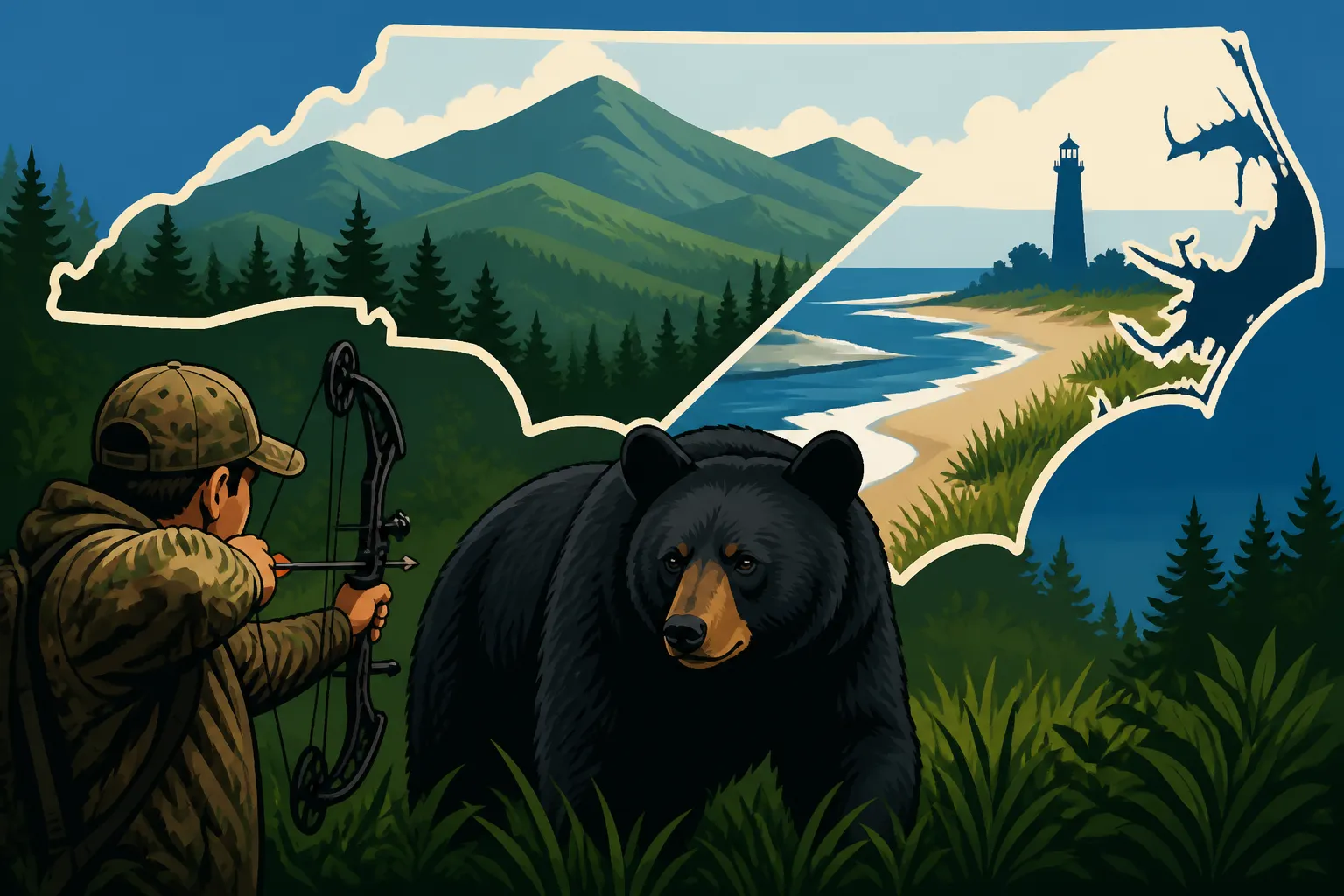
North Carolina offers some truly exceptional opportunities for black bear hunting, but tackling its incredibly diverse landscapes – from the rugged peaks of the Blue Ridge to the dense, swampy pocosins of the Coastal Plain – can feel like preparing for two entirely different hunts. This comprehensive guide aims to demystify bear hunting in these unique North Carolina environments, helping you understand the populations, regulations, and specific tactics needed to be successful and ethical, whether you're navigating steep mountain terrain or slogging through coastal wetlands.
Understanding North Carolina's Diverse Bear Habitats
North Carolina is unique in that it offers bear hunting opportunities across vastly different ecosystems, each presenting its own set of challenges and rewards. You simply can't approach a bear hunt in the high country of the Appalachians the same way you would a hunt near the Outer Banks. Understanding these distinctions is crucial for planning your adventure.
Mountain Zone Characteristics and Challenges
When most folks think about bear hunting, their minds often drift to the expansive, timbered mountains – and for good reason. North Carolina's western counties, encompassing the ancient Appalachian Mountains, boast a healthy and thriving bear population. These areas are characterized by steep, rugged terrain, dense hardwood forests, and a mix of public lands like Pisgah and Nantahala National Forests. Hunting here often means significant elevation changes, long hikes, and an emphasis on scouting for natural food sources like acorns, hickory nuts, and berries. The sheer scale of the landscape can be intimidating, and bears often travel vast distances, making them harder to pattern than in other regions.
The challenge here isn't just physical; it's also about understanding the bears' seasonal movements tied directly to food availability. Early in the season, bears might be found higher up, foraging on berries and soft mast. As autumn progresses and hard mast like acorns ripens and falls, they'll often move down into lower elevations, focusing on oak ridges and creek bottoms. This constant movement, coupled with the vastness of the forests, demands a different approach. Hunters need to be prepared for varied weather, from crisp, cool mornings to sudden rain or even early snow. Having reliable navigation tools, like those found on the GoHunt app, is absolutely critical when traversing these sprawling mountainscapes, where getting turned around is a real possibility.
Coastal Plain Pocosin Swamps and Their Unique Demands
Head east, and North Carolina transforms dramatically into the Coastal Plain, a region dominated by flat, sandy soils, vast tracts of pine forest, and the infamous pocosins – dense, evergreen shrub bogs. This seemingly impenetrable landscape is home to some of the largest black bears in the eastern United States, often growing exceptionally heavy due to the abundant food sources and less strenuous living conditions. While the mountains require physical endurance, the Coastal Plain demands tenacity and specialized tactics to navigate its thick cover and often wet, marshy terrain. You can learn more about how North Carolina grows some of the East's biggest bears by delving into detailed population reports.
Pocosins, with their dense undergrowth of titi, bay, and sweet pepperbush, create near-impenetrable cover, offering bears sanctuary and an endless buffet of berries and other vegetation. Hunting these areas is less about long-range glassing and more about close-quarters tracking, still-hunting, or using hounds. The ground can be soft and wet, making silent movement a true art form. Hunters here face different challenges: heat, humidity, biting insects, and the constant threat of getting bogged down in muck. Specialized gear, including waterproof boots or waders, and an intimate knowledge of the subtle high ground within these vast swamps are essential. Getting a bear out of a coastal swamp can be a monumental task, often requiring careful planning and sometimes even a boat or ATV if access allows.
Piedmont Fringe: Emerging Opportunities and Considerations
While less renowned for bear hunting than the mountains or coast, North Carolina's Piedmont region is seeing an increasing presence of black bears, particularly in counties bordering the mountain and coastal zones. These bears are often transient, utilizing fragmented woodlands, river bottoms, and even venturing into agricultural fields. This area presents a blend of challenges, from understanding smaller, often isolated woodlots to navigating areas with higher human populations.
Hunting in the Piedmont might involve smaller private tracts of land, requiring good relationships with landowners and keen observational skills to identify travel corridors between feeding and bedding areas. Bears here are often more nocturnal and wary of human activity. While traditional mountain or coastal tactics might not apply directly, a flexible approach that combines elements of both still-hunting and careful scouting can yield results. For more details on the general bear population distribution, check out our guide on North Carolina's Black Bear Population. As bears expand their range, hunters in the Piedmont might find unique opportunities, but also the responsibility to adapt their strategies to a more suburban-influenced landscape.
North Carolina Black Bear Population Dynamics and Management
North Carolina is widely recognized as a stronghold for black bears in the Southeast. The state's diverse habitats and thoughtful wildlife management have allowed bear populations to not only rebound but thrive, offering hunters excellent opportunities while maintaining a healthy ecosystem.
Population Trends and Harvest Success
The black bear population in North Carolina has seen a remarkable recovery and expansion over the past few decades. Once relegated to the most remote mountain and coastal areas, bears are now found in approximately 60% of the state's counties, a testament to conservation efforts and their adaptability. This growth is evident in harvest success rates, which have generally trended upwards, reflecting a robust and expanding population. The North Carolina Wildlife Resources Commission (NCWRC) closely monitors these trends through various surveys, tracking harvest data, and assessing reproductive rates. This diligent monitoring helps ensure that hunting seasons are set sustainably, allowing for recreational opportunities while maintaining a healthy bear population.
The success of bear hunting in North Carolina isn't just about sheer numbers; it's also about the quality of the animals. Hunters consistently report taking large, healthy bears, especially from the Coastal Plain. Understanding where North Carolina black bears live today provides insight into these population centers. The NCWRC uses this data to adjust season lengths, bag limits, and management zones, demonstrating a proactive approach to wildlife management. Hunters play a vital role in this by accurately reporting their harvests, which contributes directly to the data used for future management decisions.
Why Coastal Bears Grow So Big
It's a common topic of conversation among North Carolina bear hunters: the sheer size of some of the coastal bears. While mountain bears are certainly impressive, the Coastal Plain often produces bears that are notably heavier, with some record-breaking individuals taken from these flatland swamps. There are several key factors contributing to this phenomenon, and they largely boil down to diet and lifestyle. The rich, fertile soils of the Coastal Plain support a tremendous abundance of high-calorie food sources year-round. From dense stands of corn and soybeans in agricultural areas to an endless supply of berries, nuts, and tubers in the pocosins and swamps, coastal bears have access to a caloric buffet that is less seasonally dependent than in the mountains.
Furthermore, the relatively flat terrain means coastal bears expend less energy foraging and traveling compared to their mountain counterparts, who are constantly climbing and descending steep inclines. This combination of abundant, high-calorie food and lower energy expenditure allows coastal bears to pack on significant weight, particularly during the critical pre-denning period. These factors contribute to the impressive statistics and individual bears that often make headlines, cementing North Carolina's reputation for producing some of the heaviest black bears ever recorded in the state. The thick cover of the pocosins also provides excellent sanctuary, allowing bears to reach older ages, which further contributes to their impressive size.
Management Strategies and Hunter Impact
The NCWRC employs a comprehensive management strategy for black bears, aiming for a balance between maintaining healthy populations, minimizing human-bear conflicts, and providing sustainable hunting opportunities. This strategy involves setting specific hunting seasons and regulations for the state's 22 bear management zones, which you can explore in detail through North Carolina's Twenty-Two Bear Management Zones. These zones allow for tailored management based on regional bear populations and habitat characteristics. For instance, some areas may have shorter seasons or different restrictions to promote growth, while others might have longer seasons to manage robust populations.
Hunters are integral to this management plan. By participating in regulated hunts, hunters help control bear numbers, particularly in areas where populations are thriving or expanding into human-dominated landscapes. This helps prevent overpopulation, which can lead to increased human-bear conflicts, disease spread, and habitat degradation. The sale of hunting licenses and bear stamps also provides crucial funding for research, habitat preservation, and enforcement efforts. Ethical hunting practices, such as proper shot placement and recovering every animal, are paramount to this strategy. The NCWRC also engages in extensive public education about living with bears and reporting sightings, all contributing to a cohesive management framework that benefits both bears and people.
Regulations and Licensing for Bear Hunters
Navigating the rules and regulations is probably the least exciting part of planning any hunt, but for North Carolina bear hunting, it's absolutely non-negotiable. The state has specific requirements designed to manage its robust bear population effectively, and understanding them before you head into the field is critical.
Key Licenses and Stamps Required
Before you even think about stepping into the woods or swamps for a bear hunt in North Carolina, you need to make sure your paperwork is in order. All bear hunters, whether residents or non-residents, must possess a valid North Carolina hunting license. This isn't just a general license; you'll specifically need a Big Game Hunting Privilege. For residents, this can often be packaged as part of a comprehensive annual or lifetime license. Non-residents will need to purchase the appropriate non-resident annual hunting license along with the non-resident Big Game Hunting Privilege.
Beyond the basic hunting license and big game privilege, bear hunters are also required to purchase a North Carolina Bear Management Stamp. This is a crucial sticker on your license that directly supports bear research, habitat management, and conservation efforts across the state. Without this stamp, your bear hunt is not legal. It's always a good idea to buy your licenses and stamps well in advance of the season, either online through the NCWRC portal or at an authorized license agent, to avoid any last-minute hassles. Always carry your physical license and stamp with you while hunting, as wildlife enforcement officers frequently check for compliance.
Season Dates and Zones Explained
North Carolina's bear seasons are structured by zones, reflecting the state's diverse geography and varying bear populations. It's not a one-size-fits-all approach, and knowing which zone you'll be hunting in is paramount to understanding your specific season dates. Generally, the state is divided into two primary bear hunting zones: the Mountains and the Coastal Plain. Within these larger zones, there are further subdivisions or "bear management units" that can have slightly different openers and closers.
For instance, the bear season dates in the Mountains typically run through a specific window in the fall, often with an early segment followed by a later segment, sometimes coinciding with deer season. These seasons are designed to coincide with periods of increased bear activity, often related to foraging for mast crops before denning. Conversely, the bear season dates on the Coast might have different opening and closing dates, often extending further into the late fall or early winter due to milder conditions and different bear behaviors. It's imperative to consult the current North Carolina Inland Fishing, Hunting & Trapping Regulations Digest for the precise dates and any county-specific regulations for your intended hunting area, as these can change annually. Ignoring zone boundaries or season dates can quickly turn a legal hunt into a serious violation.
Understanding Bag Limits and Reporting
North Carolina has specific bag limits for black bears, and knowing them is critical for every hunter. Currently, the statewide annual bag limit for black bear is one bear per hunter per season. This means you can only harvest one bear total, regardless of how many zones you hunt or how many opportunities arise. This conservative limit is part of the state's sustainable management strategy, ensuring that harvest rates remain within healthy limits for the overall population. There are no size or sex restrictions on bears, though hunters are encouraged to be responsible and ethical in their choices.
Once you harvest a bear, the process isn't over. North Carolina requires all harvested bears to be reported to the NCWRC. This reporting is usually done through the NCWRC's website or their mobile app, and it must be completed by a specific deadline on the day of harvest. When you report, you'll provide details like the county of harvest, the date, and the sex of the bear. Sometimes, depending on the zone or year, the NCWRC may also request biological samples (like a tooth) for age-analysis or other research. This mandatory reporting is absolutely vital for wildlife biologists to gather accurate data on harvest numbers, population health, and overall trends. This information directly informs future season dates and management decisions, so every reported bear contributes to the health of North Carolina's black bear population.
Hunting Methods and Tactics for North Carolina Bears
North Carolina offers a variety of legal hunting methods for black bears, but the most effective tactics are heavily influenced by the specific terrain and habitat you're in. What works wonders in the high mountains might be utterly useless in a dense coastal swamp.
Spot-and-Stalk in the Mountains
Hunting bears in the vast, open hardwood forests of the North Carolina Mountains often lends itself well to spot-and-stalk tactics, particularly in areas with good visibility and abundant mast crops. This method requires patience, keen observation skills, and a willingness to cover a lot of ground. The general idea is to use elevation and good optics to locate bears feeding on distant hillsides, in creek bottoms, or along ridge lines. For hunters looking to refine their approach, mastering spot-and-stalk tactics for mountain bears is a game-changer.
Hunters will typically position themselves on a vantage point overlooking promising terrain, such as oak flats where acorns are dropping or clear-cuts where berries are prevalent. Using quality binoculars and spotting scopes (8×42 or 10×42 are popular choices), they'll systematically glass areas for any sign of bear activity: a black blob moving through the trees, a flash of fur, or even birds feeding on discarded acorns indicating a bear's presence. Once a bear is spotted, the real challenge begins: planning and executing a silent, downwind stalk across often difficult terrain to get within shooting range. This demands careful attention to wind direction, thermals (which can shift dramatically in mountain terrain), and navigating obstacles like steep ravines or dense rhododendron thickets. Staying concealed and moving slowly, sometimes taking hours for a single stalk, is key to success.
Still-Hunting and Ambush in Coastal Pocosins
The dense, low-visibility environment of North Carolina's Coastal Plain, particularly the pocosin swamps, makes spot-and-stalk hunting virtually impossible. Here, success often hinges on still-hunting or setting up ambushes along known bear travel corridors. Still-hunting involves moving extremely slowly and deliberately through the cover, pausing frequently to observe and listen. This method is all about stealth and patience, relying on the hunter's ability to pick apart the dense vegetation and detect a bear before it detects them. Given the challenging conditions, hunters should also be familiar with hunting Coastal Bears in thick pocosin cover.
Identifying pinch points, game trails, and travel corridors between bedding areas (often the densest parts of the pocosin) and food sources (like agricultural fields or berry patches) is paramount. Hunters will often walk into the wind, taking one slow step at a time, scrutinizing every shadow and movement. Alternatively, setting up a ground blind or treestand along a well-used trail, a field edge, or a transition zone between different habitat types can be highly effective. Bears are creatures of habit, especially when moving between cover and food. These ambush points require careful setup, considering wind direction, concealment, and an understanding of when bears are most active in these areas, often early morning or late evening. The use of scent control gear can also be beneficial in the humid coastal environment, as bears have an incredible sense of smell.
Hunting with Hounds: Rules and Practices
Hunting with hounds for bears is a time-honored tradition in many parts of North Carolina, particularly in the Coastal Plain and some mountain regions where dense cover makes other methods challenging. This method involves using trained dogs to track, pursue, and bay a bear, allowing hunters to eventually move in for a shot. The regulations regarding North Carolina bear dog and bait rules are strict and vary by zone, so it's critical to be fully informed if you plan to utilize this method.
In North Carolina, bear hunting with hounds is permitted in designated areas, and usually for specific periods within the overall bear season. Hunters using hounds typically work in teams, using GPS-collared dogs to track the bear's movements. Once the dogs have "bayed" the bear (meaning they've cornered it, usually up a tree or in thick brush), the hunters then work to locate the dogs and the bear. This can involve considerable hiking through difficult terrain. The goal is to approach the bayed bear ethically and safely, ensuring a clean shot. Hound hunting requires significant investment in dog training, equipment, and a deep understanding of dog behavior and bear habits. It's a highly social and collaborative form of hunting, often steeped in tradition and camaraderie. Before embarking on a hound hunt, ensure you understand all local ordinances, property boundaries, and the specific rules for the bear management zone you'll be in.
Essential Gear and Preparation for North Carolina Bear Hunts
Successfully hunting bears in North Carolina's diverse environments requires not just the right tactics, but also the right gear. Being prepared can mean the difference between a successful, safe hunt and a frustrating or even dangerous experience.
Rifle and Ammunition Choices for Bears
Choosing the right firearm and ammunition is critical for ethical bear hunting. North Carolina's black bears are large, tough animals, and a clean, humane kill is paramount. While many deer calibers can technically take a bear, opting for something with a bit more punch is generally advisable, especially if you anticipate shots in heavy cover or at larger coastal bears. Common rifle calibers for North Carolina bear hunting include .30-06 Springfield, .308 Winchester, .270 Winchester, and increasingly, cartridges like the 6.5 Creedmoor. For those looking for bigger thump, magnum calibers like the .300 Winchester Magnum are also popular. The key is shot placement on a North Carolina black bear; a larger caliber offers a greater margin of error.
Bullet construction is just as important as caliber. Look for well-constructed, controlled-expansion bullets designed for large game, such as bonded core or monolithic bullets. These maintain their weight and penetrate deeply, increasing the likelihood of hitting vital organs even when encountering bone or thick hide. Avoid light, frangible varmint bullets. Practice extensively with your chosen setup to ensure accuracy and familiarity, especially from various shooting positions you might encounter in the field. Remember, a well-placed shot from a .30-06 is far more effective than a poorly placed shot from a .300 Win Mag. For those interested in deeper dives on specific ammunition considerations, exploring "Rifle Calibers for North Carolina Bear" can provide more tailored advice.
Optics and Navigation Tools
Given the varied terrain in North Carolina, good optics and reliable navigation tools are non-negotiable. In the mountains, binoculars (8x or 10x) are essential for spotting distant bears or signs of activity in vast coves and across ridge lines. A quality spotting scope can further aid in identifying distant animals and assessing their size. In the dense coastal pocosins, while long-range glassing is less common, binoculars are still useful for dissecting close cover and identifying escape routes or subtle trails.
For navigation, a reliable GPS unit or a smartphone with a robust hunting app (like GoHunt) is an absolute must. These tools allow you to pinpoint your location, track your path, mark critical waypoints (like stand locations, game trails, or a downed bear), and navigate in unfamiliar terrain, especially in low light or dense fog. The ability to download offline maps is crucial, as cell service can be spotty to non-existent in remote mountain areas or vast coastal swamps. Always carry a physical compass and a paper map as a backup, and know how to use them. Dead batteries or a damaged phone can quickly turn a manageable situation into a dangerous one, particularly when miles deep in the backcountry.
Clothing, Boots, and Safety Essentials
Your clothing and footwear choices need to match the specific environment and expected weather. For mountain hunts, layering is key. Start with moisture-wicking base layers, add insulating mid-layers (fleece or synthetic down), and top with a waterproof and windproof outer shell. Temperatures can fluctuate wildly from morning to midday, and rain is always a possibility. Sturdy, ankle-supporting hiking boots with good traction are essential for navigating steep, rocky, and often slippery mountain terrain.
In the Coastal Plain, while layering is still important, the emphasis shifts to lightweight, breathable, and quick-drying materials, especially for early season hunts. Waterproof outer layers are crucial, as you'll often encounter wet conditions, dense dew, or unexpected downpours. The most critical piece of footwear for coastal hunts is high-quality, knee-high rubber boots or chest waders. You will inevitably be walking through water, mud, and dense, wet vegetation. Blaze orange is required during gun seasons for deer, and while bear seasons often overlap, always consult the current regulations for specific requirements. Beyond clothing, always carry a first-aid kit, a whistle, a fire starter, extra food and water, a headlamp with extra batteries, and a sharp knife. When hunting with others, two-way radios can be invaluable for communication. Bear spray, while not a substitute for proper bear awareness, can be a useful last resort in close encounters, particularly in the thick cover where bears might be surprised.
Post-Harvest Procedures and Meat Care
The hunt doesn't end when the shot is fired. The work involved after a successful bear harvest can be demanding, especially in North Carolina's challenging terrain. Proper post-harvest procedures are crucial for ethical hunting, meat quality, and compliance with state regulations.
Field Dressing and Recovery in Challenging Terrain
Once a bear is down, the immediate priority is to field dress it quickly to begin the cooling process. Bears have a thick layer of fat, and their body heat can quickly spoil the meat, especially on warmer days. Performing a quick and thorough gutting, removing all internal organs, is essential. This task can be particularly challenging in the steep, uneven terrain of the mountains or the dense, wet undergrowth of coastal swamps. Having a sharp, sturdy field dressing knife and potentially a bone saw can make the process easier. For more detailed instructions, consider reading up on handling a bear after the shot.
Recovery is the next hurdle. In the mountains, dragging a large bear over steep inclines and through thick brush can be an arduous multi-person task. Deer sleds, game carts (where terrain allows), or even quartering the animal for packing out are common strategies. In the Coastal Plain, recovery can involve slogging through mud and water. Knowing how to efficiently quarter a bear in the field, if necessary, can save immense effort. Always have a plan for recovery before you even head out, considering the size of the animal, the terrain, and how many people will be assisting. Bringing heavy-duty game bags to protect the meat from dirt and insects, especially during longer drags, is a smart move.
Bear Checking Requirements and CWD Awareness
As mentioned earlier, North Carolina requires all harvested bears to be reported. This is not just a formality; it's a critical part of the state's wildlife management program. After field dressing, you'll need to report your harvest online via the NCWRC website or the GoHunt mobile app by the specified deadline on the day of harvest. This data provides biologists with real-time information on harvest rates, locations, and other important metrics.
In some cases, particularly in Chronic Wasting Disease (CWD) surveillance areas, the NCWRC may also request or require samples from harvested bears for testing. While CWD is primarily a concern for cervids (deer, elk), vigilance for any unusual diseases in other game species is part of responsible wildlife management. It's always best practice to check the current regulations for any specific CWD-related requirements or recommendations for bear hunters in your hunting zone. Being aware of and complying with all checking and sampling requirements is a fundamental responsibility of ethical hunters.
Meat Care and Preservation
After the bear has been field dressed and recovered, proper meat care is paramount to ensure the quality and safety of your harvest. Bears generally provide excellent meat, but their fat content means it can spoil more quickly if not handled correctly. The goal is to cool the meat down as rapidly as possible. If ambient temperatures are cool enough, hanging the quartered bear in a clean, shaded area where air can circulate can aid in cooling. For warmer conditions, or if you have a long journey home, ice is your best friend.
Pack meat in coolers with plenty of ice, ensuring that the meat is not submerged in water, which can leach flavor and promote bacterial growth. Some hunters prefer to use game bags inside coolers, then add ice around the bags. Once home, process the meat quickly. Bear meat is versatile and can be prepared in various ways, from roasts and steaks to ground meat and sausage. Due to the possibility of parasites (like Trichinella), all bear meat should be cooked thoroughly to an internal temperature of at least 160°F (71°C). Freezing the meat quickly in vacuum-sealed bags or heavy-duty freezer paper will preserve its quality for extended periods.
Conservation and Ethical Considerations for Bear Hunters
Hunting black bears in North Carolina is not just a recreational pursuit; it's an important part of wildlife management and comes with significant ethical responsibilities. Understanding your role as a conservationist is just as vital as knowing how to stalk a bear or call in hounds.
The Hunter's Role in Bear Management
Hunters are often at the forefront of conservation efforts, and this is certainly true for black bears in North Carolina. By participating in regulated hunting seasons, hunters contribute directly to population management, helping to maintain healthy bear numbers within the carrying capacity of their habitat. This prevents overpopulation, which can lead to increased conflicts with humans, habitat degradation, and higher susceptibility to disease. The funds generated through license and stamp sales also directly support the NCWRC's vital research, habitat enhancement projects, and enforcement efforts that benefit bears and countless other wildlife species.
Beyond direct population control and financial contributions, hunters are often the first to notice changes in wildlife populations or habitat. Their observations from the field provide invaluable data to wildlife agencies. Responsible hunters adhere strictly to regulations, practice ethical shooting, and commit to recovering every animal they harvest, ensuring that no game is wasted. This active participation and adherence to a strict code of ethics reinforce the positive impact that hunting has on conservation, demonstrating a deep respect for the animals they pursue.
Respecting Private Land and Other Users
A significant portion of prime bear habitat in North Carolina exists on private land, especially in the Coastal Plain and fragmented Piedmont areas. Gaining access to these lands requires cultivating good relationships with landowners and always obtaining explicit permission before hunting. This often means asking permission well in advance, respecting their property boundaries, leaving no trace, and even offering to help with other tasks around the farm. Understanding North Carolina trespass and permission law is crucial to ensure you are always hunting legally and ethically. Never assume access, and always verify property lines, especially if using mapping apps.
Public lands, such as National Forests and Game Lands, offer extensive opportunities, but they are multi-use areas. Hunters will often share these spaces with hikers, campers, birdwatchers, and other outdoor enthusiasts. It's imperative to show respect for all users, maintain a low profile, minimize noise, and follow all regulations regarding vehicle access, camping, and leaving no trash. Being courteous and mindful of others helps to foster a positive image of hunting within the broader outdoor community, ensuring that these vital public resources remain available for all.
Minimizing Impact and Promoting Fair Chase
Ethical bear hunting adheres to the principle of fair chase, which means giving the animal a reasonable chance to escape and ensuring that the hunter's skill and effort are the primary factors in success. This includes avoiding tactics that offer an unfair advantage, such as shooting at animals on roads or harassing them with vehicles. It also means using appropriate equipment that ensures a quick and humane kill, avoiding marginal shots that could wound an animal. After a shot, every effort must be made to recover the animal, even if it means long hours tracking through difficult terrain, reinforcing the deep personal commitment to the hunt.
Furthermore, minimizing your environmental impact is part of being an ethical hunter. This means practicing "leave no trace" principles: packing out all trash, avoiding damage to natural resources, and respecting natural water sources. When setting up camps or stand locations, choose spots that will have minimal long-term impact. By upholding these standards, North Carolina bear hunters contribute to the sustainable future of bear populations and ensure that hunting remains a respected and valued tradition for generations to come.
| Bear Hunting Zone | Primary Characteristics | Key Challenges | Recommended Tactics | Essential Gear |
|---|---|---|---|---|
| Mountains | Steep, rugged terrain, dense hardwood forests, elevation changes, vast public land. | Physical exertion, variable weather, shifting thermals, long recovery drags, identifying food sources. | Spot-and-stalk, still-hunting ridgelines and coves, scouting for mast. | Sturdy boots, layered clothing, quality optics, GPS/mapping app, rifle .30-06 or larger, game bags, sled. |
| Coastal Plain | Flat, swampy pocosins, dense evergreen thickets, agricultural fields, high humidity. | Thick cover, wet ground, heat/insects, navigation in dense areas, heavy recovery. | Still-hunting thickets, ambush on field edges/travel corridors, hound hunting (where permitted). | Rubber boots/waders, breathable clothing, insect repellent, GPS, rifle .30-06 or larger, boat/ATV (for access), game bags. |
Disclaimer
The information provided in this guide is for informational purposes only and is not a substitute for official regulations. Hunters are responsible for consulting the most current North Carolina Inland Fishing, Hunting & Trapping Regulations Digest published by the NCWRC, as rules and season dates can change annually. Always prioritize safety, ethical hunting practices, and compliance with all applicable laws.