Wilkes County Public Land Access
It can be incredibly frustrating to look at a map of a county like Wilkes, often seen as a patchwork of private land and small towns, and wonder where on earth you can actually stretch your legs and hunt without getting into trouble. Many hunters feel like public land is a secret club, or that it's only found in the vast national forests to the west. But don't despair! This guide is here to shed light on the public hunting opportunities available in Wilkes County, helping you navigate the landscape and get afield with confidence.
Understanding Public Land Opportunities in Wilkes County
When you think of North Carolina hunting, especially in the western half of the state, many minds immediately jump to the sprawling Pisgah or Nantahala National Forests. Wilkes County, however, sits right on the edge of the mountains, transitioning from the rolling Piedmont foothills into the true Appalachian peaks. This unique geographical position means the public land picture here is a little different, and often more challenging to pinpoint.
The General Landscape and What to Expect
Wilkes County is certainly dominated by private property – farms, timber tracts, and residential areas make up a significant portion of the landscape. This reality can be a bit daunting for public land hunters, as it often means smaller, more fragmented pieces of accessible ground rather than vast, unbroken blocks of wilderness. You won't find tens of thousands of continuous acres of national forest here, at least not directly within the county's core. Instead, you'll be looking for specific state-managed areas, often designated as Game Lands, that offer hunting opportunities.
It's easy to feel overwhelmed by this fragmented nature, especially when you're trying to plan a hunt. The worry of inadvertently crossing onto private land or misunderstanding a boundary can take a lot of the joy out of the experience. This is a very real frustration, and it's why a focused approach to scouting and understanding specific areas is so crucial in counties like Wilkes. You’re not just looking for any public land; you’re looking for huntable public land that fits the regulations.
Key Public Land Areas in Wilkes County
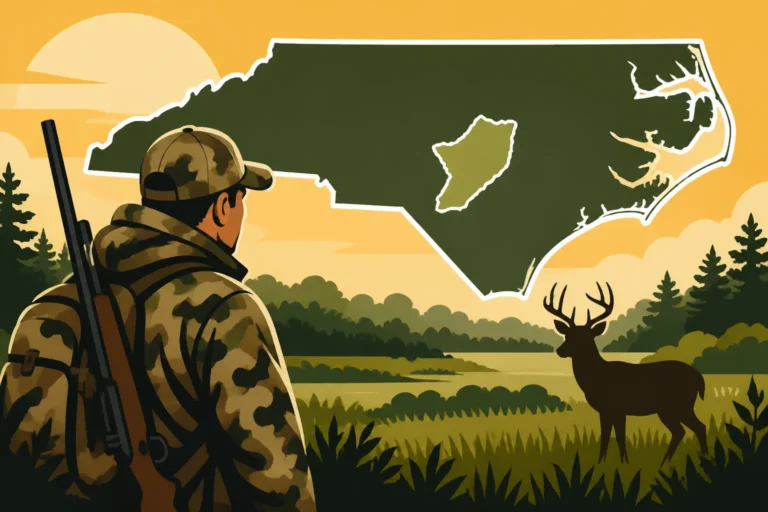
While Wilkes County doesn't host an entire national forest, it is home to a significant state park with a dedicated Game Land: Stone Mountain State Park Game Land. This area is your primary destination for public hunting within the county.
Stone Mountain State Park Game Land offers a diverse hunting experience, encompassing the foothills leading up to the impressive granite dome of Stone Mountain itself. The terrain can be rugged, featuring steep slopes, dense timber, and clear-running mountain streams. Deer, turkey, and small game are the primary species pursued here. Hunters often find themselves navigating mature hardwood ridges, thick pine stands, and brushy creek bottoms. Access is often limited to specific parking areas, and you should expect to do a good bit of walking to get away from other hunters and into quality habitat. This isn't a place for road hunting; it rewards those willing to put in the miles.
Beyond Stone Mountain, you might find smaller, more localized state-managed tracts, or potentially very small, isolated slivers of national forest land that barely spill over county lines. However, these are less common and often much harder to access or even definitively identify for hunting purposes. For practical and consistent hunting, Stone Mountain State Park Game Land is truly the anchor for public access in Wilkes County, making it essential to understand its specific rules and characteristics.
Navigating Access and Regulations on Wilkes County Public Land
Hunting on public land, especially in areas like Wilkes County where private parcels intermingle closely with public tracts, requires a diligent approach to scouting and understanding regulations. It's not enough to simply know there's public land; you need to know where it is, how to legally access it, and what rules apply.
Essential Tools for Finding and Accessing Public Hunting Ground
In a county with such a mixed landscape, accurate mapping tools are your absolute best friend. Forget hoping for the best; you need to know precisely where you stand. Commercial mapping applications, particularly onX Hunt, are invaluable for this. They allow you to clearly see property boundaries, distinguishing between public and private land, often right down to individual parcels. This can save you immense headaches and prevent accidental trespassing, which is a real concern when you're working the edge of a game land that borders private farms. You can identify potential access points, scout terrain features from your couch, and mark promising areas before you ever step foot in the woods. onX Layers for North Carolina Land Status can provide critical information, showing land ownership and public access points.
While commercial apps are excellent, don't forget your official resources. The North Carolina Wildlife Resources Commission (NCWRC) provides an online map tool that displays game lands and other managed areas. While it may not offer the same level of detail for private property boundaries as onX Hunt, it is the authoritative source for official game land designations and is free to use. Using both in conjunction gives you the most comprehensive picture. Before hitting the woods, make sure you know how to effectively use Using the NC Wildlife Map Tool and understand Finding North Carolina Property Lines to avoid any issues. Thorough pre-season scouting, both digitally and on foot, is truly the key to unlocking these smaller, often pressured public areas.
Understanding Specific Game Land Rules and Requirements
Hunting any North Carolina Game Land, including Stone Mountain State Park Game Land, comes with specific requirements beyond your standard hunting license. The most important is the Game Lands Permit. This permit is mandatory for anyone 16 years of age or older hunting, trapping, or fishing on Game Lands. It’s a small investment that unlocks a vast amount of opportunity, so make sure it's part of your annual license purchase. You can find more details on North Carolina Game Lands License Requirements.
Beyond the permit, each Game Land may have site-specific rules regarding vehicle access, camping, specific hunting methods, and even check-in procedures. While some game lands use physical check stations, many now rely on online reporting. Always consult the latest NCWRC regulations digest or the specific game land page on their website before heading out. Common rules across Game Lands include restrictions on permanent treestands – generally, stands must be removed at the end of each hunting day or season – and specific requirements for blaze orange clothing during gun seasons. Familiarize yourself with Treestand Rules on North Carolina Public Land and North Carolina Blaze Orange Requirements to ensure you're compliant and safe.
Respecting Boundaries and Minimizing Impact
In areas like Wilkes County, where public and private land often share long, winding borders, it is absolutely paramount to respect property lines. Hunter-landowner relations can be fragile, and a single instance of accidental trespassing can sour a community's view of hunters for years to come. This is where your mapping tools really shine – constantly checking your location, especially when tracking game or moving through thick cover, is essential. Take the extra time to verify your position with onX Hunt or another reliable GPS device.
Beyond legal boundaries, ethical hunting dictates minimizing your impact on the environment and being a good steward of the land. Pack out everything you pack in, including spent shell casings, food wrappers, and any trash you might find. Be mindful of parking, ensuring you don't block gates, driveways, or public access points. Think about the impression you leave behind; a clean, respectful hunter helps secure continued access for everyone.
| Public Land Area (Wilkes County) | Primary Game Species | Key Characteristics | Access Notes |
|---|---|---|---|
| Stone Mountain State Park Game Land | White-tailed Deer, Wild Turkey, Squirrel, Rabbit | Rugged foothills, mature hardwoods, pine stands, creek bottoms | Limited parking areas; expect to walk. Requires Game Lands Permit. |
| Other Small State Tracts | Varies by location | Often small, fragmented, highly localized | Verify legal access and boundaries meticulously. |
Hunting Strategies for Wilkes County's Public Land
Hunting public land in Wilkes County, particularly in areas like Stone Mountain State Park Game Land, requires a slightly different approach than hunting sprawling private tracts or vast national forests. The game might be more spread out, and the animals are often savvier due to pressure.
Deer Hunting Tactics in Foothills Terrain
The foothills of Wilkes County offer a mixed bag of habitat for whitetails. You'll find sections of mature hardwoods, perfect for acorn production, interspersed with thick pine plantations and dense undergrowth in creek bottoms or clear-cuts. This varied landscape requires adaptable tactics. Deer in these areas will often gravitate towards the thickest cover for bedding, especially if there's hunting pressure. Focus your efforts on identifying these bedding areas and the travel corridors that connect them to food sources. Reading a Ridge for Mountain Zone Deer is a valuable skill here, as even in the foothills, deer often use subtle elevation changes and saddles to navigate.
Still-hunting can be incredibly effective in this type of terrain. Moving slowly, stopping frequently to glass and listen, allows you to cover ground while remaining stealthy. Pay close attention to subtle funnels formed by terrain features, creek bends, or changes in vegetation. These are natural pinch points where deer are likely to travel. Also, don't overlook bench cuts or shelves on hillsides, as deer will often utilize these less steep routes. Remember that on public land, deer become very sensitive to pressure, so getting deeper into the woods, beyond where most casual hunters venture, can significantly increase your odds. Scouting North Carolina Public Land Before Season cannot be overstated for finding these hidden gems.
Small Game and Turkey Opportunities
While deer often take center stage, Wilkes County public lands also offer excellent opportunities for small game and wild turkeys. Squirrel hunting in the mature hardwood sections of Stone Mountain State Park Game Land can be fantastic, especially in years with good mast crops. Look for large oaks and hickories, particularly along creek bottoms and on sunny slopes where squirrels are actively feeding. You’ll often find signs like cut nut shells at the base of trees. Squirrel Hunting North Carolina Bottomland Hardwoods provides some great insights into these tactics.
For wild turkeys, the rolling hills and mixed forests provide ideal habitat. Spring turkey hunting can be a rewarding experience, but be prepared for gobblers that might be more wary than those on private land. Focus on locating roosting areas in large, mature trees along ridges or near water sources. Calling a bird off the roost at first light, or patiently working a strut zone, can be key. Later in the morning, turkeys may move into more open areas or along field edges if they exist on the game land. Understanding Roost Hunting North Carolina Gobblers and Run-and-Gun Turkey Tactics on Public Land will give you an edge in these areas. Pressure can push turkeys to less accessible spots, so being willing to hike and adapt your calling strategy is crucial.
Disclaimer
This article is for general informational purposes only and does not constitute professional advice. Laws, prices and regulations vary by location and change over time. Consult a qualified professional for guidance on your specific situation.