North Carolina Hunting Club Dues and Costs
Many North Carolina hunters find themselves stuck in a tricky spot: the dream of having exclusive access to prime hunting ground is strong, but the reality of buying your own tract is often out of reach. For years, this struggle has led countless outdoors enthusiasts to consider joining a hunting club, a solution that promises consistent private land access, a sense of community, and often better game opportunities. But let's be honest, the "dues and costs" associated with these clubs can feel shrouded in mystery, leaving prospective members wondering what they're truly signing up for financially. This guide aims to pull back the curtain on the typical expenses you can expect from North Carolina hunting clubs, helping you navigate the financial landscape and decide if club life aligns with your hunting aspirations and budget.
Understanding North Carolina Hunting Clubs and Their Appeal
So, what exactly is a hunting club in the context of North Carolina? It's often more than just a shared lease or a piece of land. A hunting club is typically a group of like-minded individuals who pool their resources to gain exclusive access to private hunting property. This property might be owned outright by the club, but far more often, it's leased from a private landowner. The club then establishes rules, manages the land, and divides the costs among its members.
The appeal of joining such a club is incredibly strong, especially for hunters frustrated by the growing pressure on public lands. If you've spent an opening morning trying to find a quiet corner only to hear trucks driving by every few minutes or stumbled upon someone else's treestand, you know the feeling. Clubs offer a sanctuary from this congestion, providing a dedicated space where you can scout, set up stands, and implement game management strategies without worrying about other hunters infringing on your efforts. For many, it's about having that predictable, dedicated spot year after year. It's a way to secure reliable North Carolina Hunting Lease Costs without shouldering the entire burden yourself.
Beyond just exclusive access, many hunters are drawn to the camaraderie and shared workload that a club provides. Imagine having a crew to help hang stands, clear shooting lanes, or plant food plots. This collective effort not only makes the work lighter but also builds friendships centered around a common passion. Plus, clubs often have a vested interest in improving habitat and managing game populations for quality, which can lead to better hunting experiences than you might find on unmanaged land.
Decoding the Costs: Dues, Fees, and Hidden Expenses
When you start looking into North Carolina hunting clubs, you'll quickly realize that the "cost" isn't a single, flat figure. Instead, it's usually a combination of several different financial commitments. Understanding each component is crucial for budgeting and avoiding unwelcome surprises.
Annual Membership Dues
This is the bread and butter of most hunting clubs – the recurring fee you pay to maintain your membership and access to the land. Annual dues are typically paid once a year, often before the hunting season begins. What influences this number? A huge factor is the size and quality of the land being leased or owned. A club with thousands of acres of prime deer and turkey habitat in a desirable area, say, in the Piedmont region known for its big bucks, will naturally command higher dues than a smaller tract in a less productive zone.
The amenities offered also play a significant role. Does the club have a rustic camp house with bunk beds and a kitchen? A dedicated skinning shed with a hoist and running water? A private shooting range to zero your rifle? These conveniences add value and, consequently, cost. While specific figures are always changing, you can expect annual dues to range from several hundred dollars for a very basic lease-sharing arrangement to well over a thousand, and sometimes several thousand, for clubs with extensive acreage and amenities.
Initiation Fees
Unlike annual dues, an initiation fee is a one-time, upfront cost that new members pay to join the club. Not all clubs have them, but many do. Think of it as your buy-in. These fees often serve several purposes: they can help cover a club's initial infrastructure investments (like building a camp house or clearing roads), provide a financial cushion, or even act as a deterrent for members who aren't serious about a long-term commitment.
The amount of an initiation fee can vary wildly. Some clubs might charge an initiation fee that's roughly equivalent to one year's annual dues, while others, particularly those with significant assets or very high demand, might ask for substantially more. It's not uncommon for clubs to waive or reduce this fee if they're struggling to fill spots or if you're joining a brand-new club, so it’s always worth asking if there’s any flexibility. This initial outlay can be a significant hurdle for some, so be sure to factor it into your decision-making process.
Workday Requirements or Assessments
While not always a direct cash outlay, workday requirements are absolutely a cost in terms of your time and effort. Many North Carolina hunting clubs operate on a "many hands make light work" philosophy. Members are often expected to participate in mandatory workdays throughout the year. These days are dedicated to maintaining the property and club infrastructure. You might find yourself planting food plots, clearing shooting lanes, maintaining roads, repairing stands, or general cleanup around the camp.
Some clubs might offer an option to pay an "assessment" if you can't make the required workdays, essentially paying another member or a hired hand to do your share. This fee can range from a nominal amount to a few hundred dollars per missed workday. It's critical to understand these expectations upfront. If your schedule is already packed, consistently missing workdays and paying the assessment can significantly increase your effective annual cost. This collective effort is what often makes the club function, improving everything from habitat to the communal areas.
Guest Fees and Other Variable Costs
Most hunting clubs have rules and fees regarding guests. It's understandable; the club members pay for exclusive access, so bringing in non-paying guests needs to be managed. Guest fees can vary from a small daily charge to a more substantial per-hunt fee. Many clubs also limit the number of guests a member can bring, or how many days a guest can hunt in a season. If you frequently enjoy sharing your hunting experiences with friends or family, you'll want to investigate these guest policies thoroughly. For instance, some clubs might allow youth hunters to hunt free or at a reduced rate if accompanied by a member, aligning with North Carolina Mentored Youth Hunting Rules.
Beyond the main dues and fees, other variable costs can crop up:
- Food Plot Contributions: If the club is serious about game management, they'll likely invest in food plots. Members might be asked to contribute to the cost of seed, fertilizer, and equipment.
- Special Assessments: Occasionally, major unexpected expenses arise, like a damaged well, a blown-out road, or a need for a new piece of shared equipment. Clubs may levy a "special assessment" on members to cover these costs.
- Clubhouse or Camp House Costs: If the club has a camp house, there might be shared utility bills (electricity, water, propane) or a system for contributing to groceries for communal meals.
- Game Processing Costs: While not a club fee, factor in that successful hunts often mean professional processing, which is an additional expense to consider.
Here's a quick look at how these different costs can shape your overall investment:
| Cost Category | Description | Typical Financial Shape (Illustrative) | Key Considerations |
|---|---|---|---|
| Annual Dues | Recurring fee for land access & basic operations. | Moderate to High: $500 – $3,000+ per year | Size/quality of land, amenities, club overhead. |
| Initiation Fee | One-time fee for new members to join. | Variable: $0 – $5,000+ (often comparable to 1-2 years' dues) | Club's assets, demand, length of membership. |
| Workday Assessments | Time commitment for maintenance or monetary penalty for absence. | Time/Low Cash: 2-4 mandated days or $100-$300 per missed day | Evaluate your availability; non-cash cost. |
| Guest Fees | Cost to bring non-members onto club property. | Low Variable: $50 – $200 per guest/day, sometimes limited | How often you want to bring guests; some youth exemptions may apply. |
| Special Assessments | One-off contributions for major repairs or improvements. | Unpredictable: Can be minor or several hundred dollars per member | Can be a hidden cost, inquire about club history of assessments. |
| Food Plot Share | Contributions towards seeds, fertilizer, equipment for habitat improvement. | Low Variable: $50 – $200 annually, or shared labor contribution | Directly impacts game quality; may be optional in some clubs. |
Factors Shaping Hunting Club Expenses in North Carolina
The overall cost of joining a North Carolina hunting club isn't arbitrary; it's shaped by several key factors that reflect the value and offerings of the club. Understanding these can help you identify what you're paying for and whether it aligns with your expectations.
Location, Acreage, and Land Quality
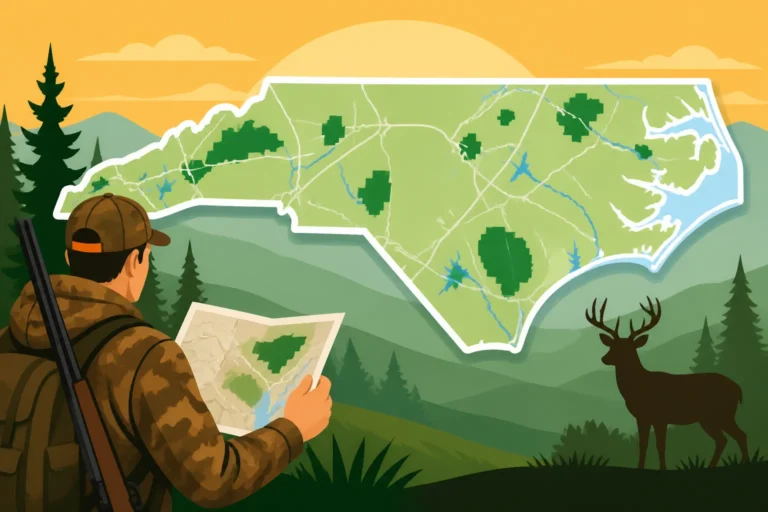
It almost goes without saying, but where a club's land is located in North Carolina dramatically impacts its cost. Land values vary wildly across the state. A club leasing prime agricultural land in the Piedmont known for its robust deer populations, or extensive hardwood bottoms in the western zones, will inevitably charge higher dues than one on more marginal land. Similarly, clubs with thousands of contiguous acres generally cost more than those with smaller tracts, as more land often means less pressure per hunter and more room to roam. You can see why having a tool like onX Hunt to review aerials of prospective club land, checking out features like timber cuts, creek bottoms, and agricultural fields, can be invaluable when evaluating a potential investment. This allows you to visually assess the quality of the hunting ground before committing. The land that holds big bucks, like the kind discussed in Why the Piedmont Grows Big Bucks, will naturally have a higher premium.
The actual quality of the land for hunting is also a huge factor. Is it well-managed with established food plots, good road systems, and diverse habitat? Or is it a raw lease with minimal improvements? Clubs that actively manage their land for game, which might include anything from timber stand improvements to year-round food plot maintenance, incur significant costs that get passed on to members.
Amenities and Infrastructure Offered
As mentioned earlier, the level of amenities can be a major differentiator in club costs. A bare-bones club that only provides access to a tract of land will naturally be less expensive than one boasting a furnished lodge, private cabins, multiple permanent stands, game cleaning facilities, and even guide services for specific hunts. Consider what you truly need and what you'd be willing to pay extra for. For some, a simple campsite and access to good hunting are enough. For others, a warm bunk, a hot shower, and a place to socialize after the hunt are non-negotiable luxuries.
Game Management Philosophy and Intensity
Many North Carolina hunting clubs pride themselves on their game management practices. This can range from basic deer harvest reporting to strict Quality Deer Management (QDM) programs. A QDM club, for example, might have antler point restrictions or specific age goals for harvested bucks, often requiring members to pass up younger animals. Implementing such programs involves more than just rules; it often means extensive food plot planting, mineral supplementation, trail camera surveys, and even professional wildlife consulting, all of which come with a price tag. These efforts are aimed at improving the health and trophy potential of the local deer herd, and that investment is reflected in member dues. When reviewing potential clubs, consider how their management philosophy aligns with your personal hunting goals – are you looking for sheer volume or the chance at a truly mature buck, which might mean adhering to specific rules like those related to North Carolina Deer Bag Limit Rules?
Club Size, Membership Cap, and Lease Structure
The number of members in a club and whether that number is strictly capped also influences costs. If a club has a large tract of land but only allows a limited number of members, each member's share of the lease cost will be higher. Conversely, a club that packs more members onto a smaller acreage might have lower individual dues, but you might experience more hunting pressure from fellow members. This is where tools like GoHunt, while often focused on Western states, can help illustrate the concept of hunter density and how it impacts quality of experience – something to keep in mind even when evaluating a private club.
Finally, the underlying lease structure plays a part. Is the club on a long-term lease, offering stability, or a year-to-year agreement that might mean fluctuating costs or even losing the lease? Long-term leases often provide more security and predictability in dues. Clubs that own their land outright might have a different financial model, focusing more on long-term infrastructure investment than annual lease payments.
Is a North Carolina Hunting Club the Right Investment for You?
Deciding whether to join a North Carolina hunting club is a personal choice, balancing financial commitment with your hunting goals and lifestyle. There are definite pros and cons to consider before you sign on the dotted line.
The Benefits: Why Hunters Love Clubs
For many, the benefits far outweigh the costs. The most obvious advantage is guaranteed access to private land. No more knocking on doors trying to Getting Private Land Permission in North Carolina every season or battling crowds on public land. You know exactly where you can hunt, and it's your space. This often leads to better quality hunting, as many clubs actively manage their land for game, resulting in healthier, more abundant populations and often bigger bucks or more gobblers.
Another huge draw is the camaraderie and shared workload. Hunting with a group of friends who share your passion, working together on food plots, and sharing stories around a campfire can be an incredibly enriching experience. This collective effort means you're not solely responsible for all the scouting and habitat work, as discussed in detail when thinking about Scouting North Carolina Public Land Before Season for individual efforts. Clubs also often foster a family-friendly environment, offering safe spaces for kids to learn and hunt, perhaps during Hunting the North Carolina Youth Deer Weekend. Plus, access to club amenities like a camp house or shooting range can significantly enhance the overall experience.
The Drawbacks: Understanding the Trade-Offs
No rose without a thorn, right? The most significant drawback is, of course, the financial commitment. Dues, initiation fees, and potential assessments can add up quickly, especially when you factor in your time investment for workdays. This isn't always feasible for every budget.
Beyond the money, you'll be operating under club rules and restrictions. These might include specific harvest criteria, stand placement rules, guest limitations, or even designated hunting zones for different members. While these rules are often in place for good reasons (like promoting QDM or ensuring fair hunting for everyone), they can feel restrictive if you prefer total autonomy. There's also the potential for personality conflicts within any group, which can sour the experience. You'll have less flexibility than if you owned your own land, and depending on the club's location, you might have significant travel time to consider.
Making the Decision: What to Ask Yourself
Before committing to a hunting club, take a good, hard look at your own hunting goals, available time, and financial situation.
- What are your primary hunting objectives? Are you solely focused on big antlers, or do you prioritize the experience, camaraderie, and putting meat in the freezer?
- What's your realistic budget? Be honest about what you can comfortably afford, not just for annual dues but for all the potential fees and your time.
- How much time can you commit to workdays and travel? If you can't make the workdays, are you prepared for the financial alternative?
- What kind of hunting pressure are you trying to avoid? Is the club truly offering a significant improvement over Hunting Pressure on North Carolina Public Land?
- Have you visited the property and met potential club members? A "club tour" is essential. Walk the land, see the amenities, and get a feel for the group dynamics. Ask about their game management, North Carolina Deer Harvest Records, and how decisions are made.
When evaluating potential club properties, don't hesitate to use mapping tools like onX Hunt. Even if it's private land, you can often see property boundaries, topo lines, and historical satellite imagery to get a sense of the habitat and potential hunting spots. This can help you ask more informed questions about the club’s management and the quality of the hunting experience. For a broader view of hunting opportunities and how specific regions might stack up against club offerings, resources like GoHunt can provide useful context, even if they're not directly mapping your local club.
Ultimately, joining a North Carolina hunting club is a significant commitment, but for many hunters, it's an investment that pays dividends in memorable experiences, quality game, and lasting friendships. Do your homework, ask tough questions, and ensure the club's offerings and costs align with your personal vision for hunting in the Tar Heel State.
Disclaimer
This article is for general informational purposes only and does not constitute professional advice. Laws, prices and regulations vary by location and change over time. Consult a qualified professional for guidance on your specific situation.