North Carolina Turkey Checking Requirements
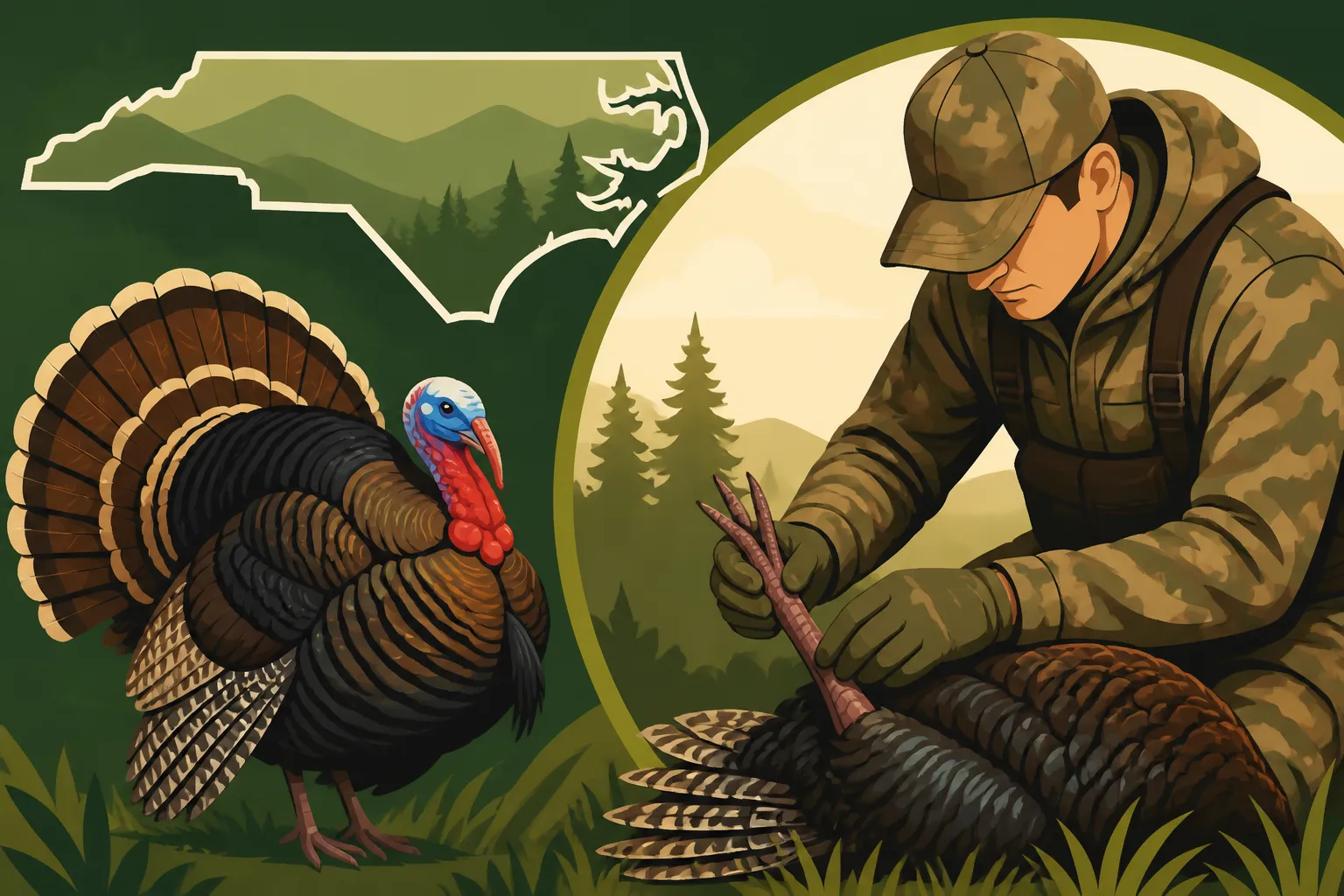
There’s nothing quite like the thrill of a North Carolina gobbler sounding off on the roost, or the heart-pounding moment when a longbeard struts into your setup. But once that bird is on the ground, a different kind of task begins: checking your harvest. This can sometimes feel confusing, especially with digital systems, leading to anxiety about doing it right. This guide is here to walk you through every step of North Carolina’s turkey checking requirements, ensuring you stay compliant and contribute to vital conservation efforts.
Why Checking Your Turkey Harvest Matters So Much in North Carolina
Harvest checking isn't just about government red tape; it's a critical component of sound wildlife management. For many hunters, especially those new to the sport or those coming from states with different regulations, the process can seem like an arbitrary hoop. But in North Carolina, it's how the North Carolina Wildlife Resources Commission (NCWRC) keeps a pulse on our wild turkey populations, ensuring healthy numbers for future generations of hunters.
More Than Just a Legal Requirement: Data-Driven Conservation
Every time you check a turkey, you’re providing valuable data. This information, combined with extensive field surveys, helps the NCWRC understand the overall health and distribution of the state's wild turkeys. Think about it: without accurate harvest data, biologists would be making decisions in the dark. They wouldn't know if a particular region’s turkey population is thriving or struggling, or if certain management strategies are effective. The data you provide through checking allows them to spot trends, identify potential issues, and adapt regulations accordingly. It's a direct way hunters contribute to the very resource we cherish, helping to manage a species that has seen incredible success in North Carolina after diligent restoration efforts. Understanding these larger goals can make the checking process feel less like a chore and more like a crucial part of our conservation ethic.
Protecting the Future of North Carolina's Turkey Seasons
The data gathered from mandatory turkey checking directly influences the structure of future hunting seasons. This includes everything from setting the overall statewide season dates to determining daily and seasonal bag limits. For instance, if harvest data consistently shows a decline in a particular region, the NCWRC might consider adjusting the rules for that area in subsequent years. Conversely, robust harvest numbers can support current regulations or even allow for expanded opportunities. This data also informs special seasons, such as the nuances of the North Carolina Youth Turkey Weekend Rules, which have specific age requirements and bag limits designed to foster new hunters while managing harvest pressure. Without this information, our beloved spring turkey season could face unnecessary restrictions or, worse, unintended overharvests that could impact hunting for years to come. Your prompt and accurate reporting ensures that biologists have the best information possible to maintain the fantastic turkey hunting opportunities we enjoy in North Carolina.
The Official North Carolina Turkey Checking Process
Okay, so you’ve put in the time, mastered your calls, and finally punched your tag on a North Carolina gobbler. Now what? The moments immediately following a successful harvest are crucial for proper checking. Skipping steps here can lead to issues down the line, so it’s vital to understand the sequence of events.
The Immediate Steps After a Successful Harvest
Once your turkey is down, your first priority (after admiring your bird, of course!) is to ensure you’re ready for the checking process before you move it. In North Carolina, unlike some states, you don’t typically affix a physical tag to the bird itself for turkeys. However, your hunting license, which includes your Big Game Privilege, acts as your "tag." What's critically important is that you do not move the turkey from the site of the kill—beyond what’s necessary for field dressing—until you have initiated the checking process. This means having your license readily available, either physically or digitally on your phone, and being prepared to access the checking system. Field dressing to lighten the load for the haul out is generally permitted, but don't start de-breasting or otherwise breaking down the bird until you've completed the official check. This ensures that if a wildlife officer encounters you, the bird is still identifiable as a turkey and you can immediately provide confirmation of your reporting.
Using the NC Wildlife Portal or the Go Outdoors NC Mobile App
North Carolina offers two primary digital methods for checking your turkey: the official NC Wildlife Resources Commission website portal or the convenient Go Outdoors NC mobile app. Both systems require essentially the same information and lead to the same result: a legally checked bird. The app is often preferred by hunters in the field because it allows for immediate reporting from a smartphone, assuming you have cell service. Many hunters use mapping applications like GoHunt to scout and plan their hunts; similarly, the Go Outdoors NC app becomes an integral part of your post-harvest routine. To use the app, simply log in with your NCWRC customer ID and password, select "Report Harvest," choose "Turkey" as the species, and begin filling in the required fields. For those hunting in areas with spotty cell service, or who simply prefer a larger screen, the web portal is your go-to. You’ll navigate to the NCWRC website, find the "Report Your Harvest" section, and follow the same prompts. It’s a good idea to familiarize yourself with both methods before you head out, just in case one isn't feasible when the moment arrives.
Essential Information You'll Need for Your Report
When you sit down to check your turkey, whether via the app or the web portal, you’ll be asked for several key pieces of information. Having this ready will make the process smooth and quick. The required data points typically include:
- Date and Time of Harvest: Be as accurate as possible.
- County of Harvest: The specific county where you killed the bird.
- Weapon Used: Rifle, shotgun, bow, crossbow, or muzzleloader. For instance, knowing the specific rules for a Muzzleloader Deer Hunting in North Carolina can give you an idea of how specific the state likes its weapon info.
- Sex of the Bird: For spring season, this is almost always a gobbler. However, during the youth turkey weekend, hens may be legal under certain circumstances, making accurate reporting critical.
- Beard Length: Measured from the base of the beard to the tip.
- Spur Length: Measured from the point where the spur emerges from the leg to the tip.
- Weight: An estimated weight is usually acceptable if you don't have a portable scale.
Why do they ask for all this detail? Each piece of information tells biologists a story. Beard and spur length help them estimate the age of the gobbler, which is crucial for understanding the age structure of the population. The county of harvest helps track regional differences in turkey health and harvest pressure, especially important given the varying habitat across North Carolina, from the dense Eastern Zones to the rugged Western Zone. This comprehensive data allows the NCWRC to make informed decisions that benefit both the turkeys and the hunters pursuing them.
Navigating Common Challenges with Turkey Checking
Even with the best intentions, hunters can run into snags during the turkey checking process. From frustrating tech issues to simply forgetting a crucial step, these challenges are real. It’s important to anticipate them and know how to react, ensuring your successful hunt remains fully compliant.
What to Do When Cell Service Fails in the Field
It’s an all too common scenario: you’re deep in the Uwharrie National Forest, or perhaps along the far reaches of a Game Land, and you just bagged your bird, only to find your phone mocking you with “No Service.” This is a genuine frustration for many North Carolina hunters. The NCWRC understands that cell service isn't always available in remote hunting areas. The key here is not to panic, but to understand that the requirement is to check your bird before you process it for storage or consumption, and before you leave the immediate area of the hunt. This usually allows you enough time to get back to an area with reliable service.
If you know you'll be in a dead zone, plan ahead. Consider jotting down all the required harvest information on a small card you carry with your license. This way, the moment you hit a signal, or return home, you can quickly input the data into the Go Outdoors NC app or the online portal. Never delay checking for days; the intent is to report as soon as practically possible. Remember, tools like the GoHunt app are fantastic for offline maps and scouting, helping you navigate these remote areas, but the official Go Outdoors NC app or website is what you'll use for the actual check-in.
Processing Your Bird Before Checking: A Strict No-Go
One of the most critical rules regarding turkey checking in North Carolina is that the bird must be checked before it is processed. This means before you remove the breasts, legs, or any other parts for consumption or storage. While field dressing (removing the entrails) at the kill site is generally acceptable and often necessary, any further processing that significantly alters the bird's appearance or removes key identifying features before checking is a violation.
Why such a strict rule? Because the NCWRC needs to be able to verify the species, sex, and sometimes even collect samples if an officer encounters you. A fully processed turkey, reduced to just breasts in a cooler, offers no way to confirm it was a legally harvested wild turkey, nor can it provide the beard and spur length data. This particular infraction can carry significant penalties because it directly hinders the state's ability to monitor its wildlife resources. Always prioritize the checking process immediately after field dressing and before you start the serious butchering.
Consequences and Compliance for North Carolina Turkey Hunters
Understanding the "why" behind turkey checking makes it more palatable, but knowing the "what if I don't?" is equally important. Compliance with these regulations isn't just about good sportsmanship; it’s a legal obligation with clear repercussions for non-adherence.
Understanding the Legal Penalties for Non-Compliance
Failing to properly check your turkey harvest in North Carolina is a violation of state wildlife regulations, and it comes with consequences. While the exact penalties can vary based on the specific circumstances and whether it's a first offense, you can generally expect a fine. These fines are often significant enough to be a painful reminder to follow the rules. Beyond monetary penalties, repeat offenders or those involved in more egregious violations could face the loss of hunting privileges, which means you might be barred from hunting for a set period. This isn't just about turkeys; a violation could affect your ability to participate in other seasons, like Bowhunting North Carolina's Statewide Archery Season or North Carolina's Gun Deer Season by Zone. The NCWRC takes harvest reporting seriously because it's the foundation of their management program. It's a fundamental part of holding a North Carolina hunting license.
The Ethical Imperative for Responsible Hunting
Beyond the legal penalties, there’s a strong ethical component to properly checking your turkey. As hunters, we are stewards of the land and its wildlife. Our actions reflect not only on ourselves but on the entire hunting community. When we fail to report our harvests, we not only undermine the scientific data that drives conservation, but we also create an image of irresponsibility. This can have broader implications, particularly when advocating for hunting rights or defending hunting against anti-hunting sentiments. Every time you successfully call a North Carolina gobbler off the roost, you’re engaging in a tradition that relies on trust and accountability. Filling out that harvest report accurately and promptly is a simple, yet profound, act of ethical hunting. It ensures that the legacy of turkey hunting, which has been painstakingly rebuilt over decades, continues to thrive in our state.
Here's a quick reference for the essential information you'll need when checking your North Carolina turkey:
| Information Required | Details / How to Obtain | Why It's Collected |
|---|---|---|
| Date of Harvest | Exact date the bird was taken. | Tracks seasonal harvest trends. |
| Time of Harvest | Approximate time of day (e.g., morning, midday, afternoon). | Helps understand peak activity times for turkeys. |
| County of Harvest | The specific North Carolina county where the bird was harvested. | Pinpoints regional population health and harvest pressure. |
| Weapon Used | Type of weapon: Shotgun, Rifle, Bow, Crossbow, Muzzleloader. | Differentiates harvest methods for management analysis. |
| Sex of the Bird | Gobbler (male) or Hen (female). | Crucial for population demographics, especially in youth seasons. |
| Beard Length (inches) | Measure from the base of the beard to the tip. | Helps estimate bird age and overall health. |
| Spur Length (inches) | Measure from where the spur emerges from the leg to the tip. | Also aids in age estimation and genetic health. |
| Estimated Weight (lbs) | An approximate weight is acceptable if no scale is available. | Provides insight into bird health and habitat quality. |
By understanding and adhering to these requirements, North Carolina hunters play a crucial role in ensuring the future of our wild turkey populations.
Disclaimer: The information provided in this guide is for general informational purposes only and is not intended as legal advice. Hunting regulations can change, and it is the hunter's responsibility to consult the most current North Carolina Inland Fishing, Hunting & Trapping Regulations Digest or the NC Wildlife Resources Commission website for the definitive and most up-to-date rules and regulations. Always verify regulations before heading afield.