North Carolina HIP Certification for Bird Hunters
It's an all too common scenario: you’ve meticulously planned your early season dove hunt or geared up for a chilly morning chasing ducks, only to remember at the last minute there’s one more crucial step before heading afield. That often-overlooked, yet absolutely essential, requirement for any migratory bird hunter in North Carolina is the Harvest Information Program (HIP) certification. This guide is here to walk you through exactly what HIP is, why it's so important for conservation, and how you can ensure you’re properly certified so you can focus on the hunt without any worries.
Understanding North Carolina's HIP Certification Requirement
Navigating the various licenses, stamps, and certifications required for hunting can feel like deciphering a secret code, and HIP certification is one of those pieces that often leaves hunters scratching their heads. But once you understand its purpose, it makes perfect sense, and getting it done is usually quite simple. It’s not just another hoop to jump through; it's a vital component of wildlife management.
What is the Harvest Information Program HIP?
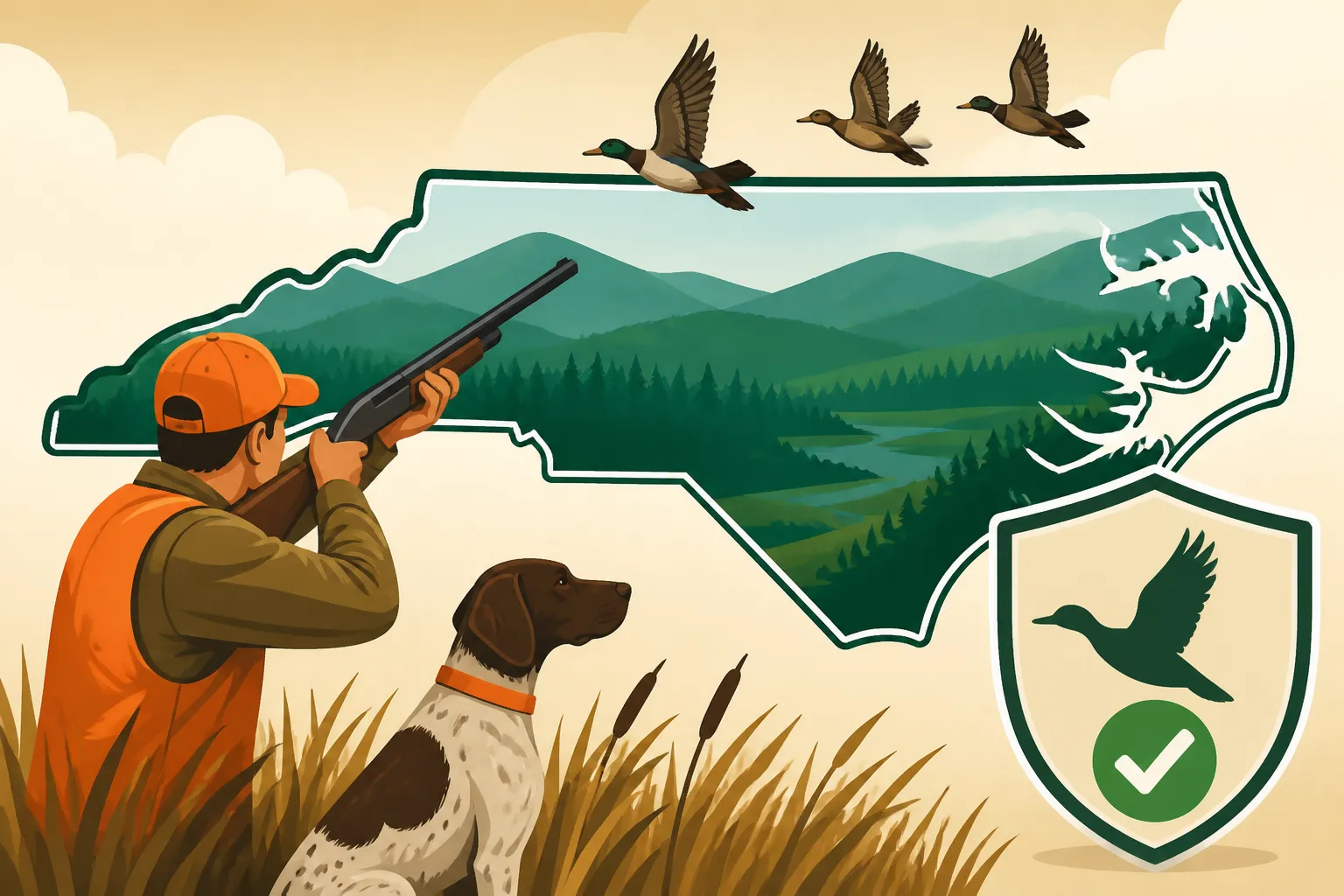
The Harvest Information Program, or HIP, isn't a North Carolina-specific creation; it's actually a nationwide federal program designed to collect harvest data on migratory game birds. Think of it as a specialized survey you complete each year when you intend to hunt birds like doves, ducks, geese, woodcock, and snipe. It’s managed by the U.S. Fish and Wildlife Service, but administered by individual states, which is why you obtain it through the North Carolina Wildlife Resources Commission (NCWRC).
Unlike your regular hunting license or a duck stamp, HIP itself isn't something you "buy" for a fee. It’s a certification that indicates you are a migratory bird hunter and provides the federal government with a database of these hunters. From this database, a random selection of hunters is surveyed each season to estimate the total harvest for different species. This data is absolutely critical for wildlife biologists and managers to make informed decisions about hunting seasons, bag limits, and conservation efforts, ensuring healthy populations for future generations of hunters.
Why HIP is Mandatory for Migratory Bird Hunters
The fundamental reason HIP certification is mandatory is rooted in conservation and sustainable hunting. Without reliable data on how many migratory birds are being harvested each year, wildlife agencies would be flying blind when it comes to managing these populations. Migratory birds, by their very nature, cross state and even international borders, making local harvest data an insufficient measure of their overall health.
The federal government relies on the cumulative data collected through HIP from all participating states to understand population trends, assess the impact of hunting pressure, and establish scientifically sound regulations. For instance, if data shows a decline in a particular duck species, agencies can adjust bag limits or season lengths to allow that population to recover. Conversely, if a population is thriving, they might be able to expand hunting opportunities. So, when you take a few moments to get your HIP certification, you're not just complying with a rule; you're actively participating in the long-term stewardship of North Carolina Waterfowl on the Atlantic Flyway and other incredible game birds. It’s a small effort with a massive impact on the birds we all cherish.
Who Needs to be HIP Certified in North Carolina?
This is where some hunters get confused, often thinking HIP only applies to duck hunters or those pursuing waterfowl. However, the scope of HIP certification is much broader than many realize. It applies to a wide array of species that fall under the "migratory game bird" umbrella.
Every Migratory Bird Hunter, Regardless of Age
Let's make this crystal clear: if you plan to hunt any migratory game bird in North Carolina, you must be HIP certified. This isn't just for adult hunters either. Even our youngest hunters, those participating under North Carolina Mentored Youth Hunting Rules, need to have this certification if they are actively pursuing migratory birds. This is a common oversight, especially for parents or mentors introducing kids to dove hunting. While youth hunters may be exempt from certain license requirements, HIP certification is not one of them for migratory birds.
It's about accurately identifying everyone who might contribute to the harvest data, ensuring the most comprehensive picture possible. So, before you head out with a youth hunter for North Carolina Dove Hunting Opening Weekend, double-check that both you and any participating youth have their HIP certification. The NCWRC has streamlined its licensing system, and often, getting your HIP is a quick add-on to your existing hunting license or as part of the overall process if you’re using an integrated platform like GoHunt to manage your permits.
Specific Migratory Game Birds Requiring HIP
To help avoid any confusion, here's a rundown of the migratory game birds in North Carolina that absolutely require HIP certification if you intend to hunt them:
- Doves: This is arguably the most common migratory bird hunted in North Carolina. Whether you're Working a Dove Field on Opening Day or just casually jump-shooting a few in a cut field, you need HIP. Mourning Doves in North Carolina are migratory, and their harvest data is vital.
- Ducks: All species of ducks, from Mallards to Wood Ducks (especially if you're Jump-Shooting North Carolina Creeks for Wood Ducks), require HIP.
- Geese: Canada Geese, Snow Geese, Brant – if it's a goose, you need HIP.
- Woodcock: These fascinating forest birds, often hunted with pointing dogs, are migratory and fall under HIP requirements.
- Snipe: Similar to woodcock, snipe are migratory shorebirds that require HIP.
- Coots, Rails, and Gallinules: While not as commonly hunted as doves or ducks, these wetland birds are also migratory and require HIP certification.
It's important to differentiate these from other small game like squirrels and rabbits, which are resident species and do not require HIP. For these animals, you'd only need your standard North Carolina Squirrel and Rabbit Season Rules compliant hunting license.
Here's a quick table to help clarify which species require HIP certification:
| Bird Category | Specific Species Examples | HIP Certification Required? |
|---|---|---|
| Doves | Mourning Dove | Yes |
| Ducks | Mallard, Wood Duck, Teal, Gadwall, Pintail, Wigeon, Canvasback, Scoter | Yes |
| Geese | Canada Goose, Snow Goose, Brant | Yes |
| Woodcock | American Woodcock | Yes |
| Snipe | Common Snipe | Yes |
| Coots, Rails, Gallinules | American Coot, King Rail, Sora Rail, Common Gallinule | Yes |
| Other Small Game | Squirrels, Rabbits, Quail, Pheasants | No |
The Simple Steps to Obtain Your North Carolina HIP Certification
The good news is that getting your HIP certification is usually one of the easiest parts of preparing for your migratory bird season. It’s designed to be quick and accessible, ensuring compliance without undue burden on hunters. You won’t need special gear or a field test; just a few moments of your time.
How to Get Certified Online or By Phone
The primary way most hunters in North Carolina obtain their HIP certification is through the North Carolina Wildlife Resources Commission (NCWRC) website. When you go to purchase or renew your general hunting license, there's usually a prompt to complete your HIP certification if you indicate an intention to hunt migratory birds. It's often bundled right into the checkout process, making it incredibly convenient.
Alternatively, you can call the NCWRC license agent. Just like purchasing a license over the phone, they can guide you through the HIP certification questions. Many hunters find the online method most straightforward, as it can be done any time, day or night. While you might use a powerful mapping tool like GoHunt to scout new areas or track deer movement, for the actual HIP certification, you'll go through the state's official channels, which often integrate seamlessly with your existing licensing profile. It’s usually a free add-on to your license, so there’s no extra cost involved, just a commitment to conservation data.
The HIP Survey: What to Expect
When you go through the HIP certification process, you'll be asked a series of questions about your migratory bird hunting activities from the previous hunting season. These questions are designed to gather baseline data and might include:
- "Did you hunt doves last season?"
- "Roughly how many doves did you harvest?"
- "Did you hunt ducks last season?"
- "Roughly how many ducks did you harvest?"
And so on for other species like geese, woodcock, and snipe. It's really important to answer these questions as accurately as you can, even if it's just an estimation. Remember, the purpose of this survey isn't to judge your hunting success or to catch you in a lie; it's purely for data collection. The more honest and accurate the responses are from thousands of hunters, the better the overall picture wildlife biologists have for managing these invaluable migratory bird populations. Don't worry if your numbers aren't exact; "about ten" or "a few" is perfectly acceptable if you can't recall precise figures. Your input is what matters.
Verifying Your Certification
Once you've completed the survey and your HIP certification is processed, it should be clearly indicated on your hunting license or in your digital license profile. Often, it's printed directly on your physical license as "HIP Certified" or with a specific code. If you're using a digital license on your phone, you should see the same confirmation.
It’s always a good practice to double-check this before heading out on your first migratory bird hunt of the season, whether you're Hunting Coastal Plain Pocosin Swamps for ducks or setting up a blind to hunt the Outer Banks Marsh. A wildlife officer will ask for proof of HIP certification if they check your license, and not having it can lead to a citation, even if you just forgot to check a box online. Some sophisticated hunting apps or platforms, such as GoHunt, can often link to your state licensing profile, helping you keep track of all your certifications and permits in one convenient place, minimizing the chances of forgetting this important step.
Important Considerations for North Carolina Bird Hunters
While obtaining your HIP certification is straightforward, there are a few key details that hunters often overlook, leading to potential issues in the field. Being aware of these common pitfalls can save you a headache and ensure you're fully compliant.
Annual Renewal is Key
One of the most frequent mistakes hunters make with HIP certification is forgetting that it needs to be renewed every single year. It doesn't last for the lifetime of your general hunting license, nor does it carry over automatically from one season to the next. Each new hunting season (which typically runs from July 1st to June 30th in North Carolina), if you plan to hunt migratory birds, you must go through the HIP certification process again.
This annual renewal is vital because the harvest data collection depends on fresh, up-to-date information. Your hunting habits and success might change year to year, and the annual survey ensures the most current data is being fed into the federal management system. So, make it a habit: when you renew your annual North Carolina Hunting Licenses and What They Cost, make sure to add your HIP certification right along with it if migratory birds are on your radar.
Combining with Federal and State Duck Stamps
For waterfowl hunters, HIP certification is just one piece of the puzzle. It's crucial to understand that it is separate from, though complementary to, both the federal duck stamp and the North Carolina Migratory Bird Stamp Cost. If you're planning to hunt ducks or geese, you'll likely need all three:
- Your base North Carolina hunting license: This is your foundation.
- North Carolina HIP Certification: For migratory bird data collection.
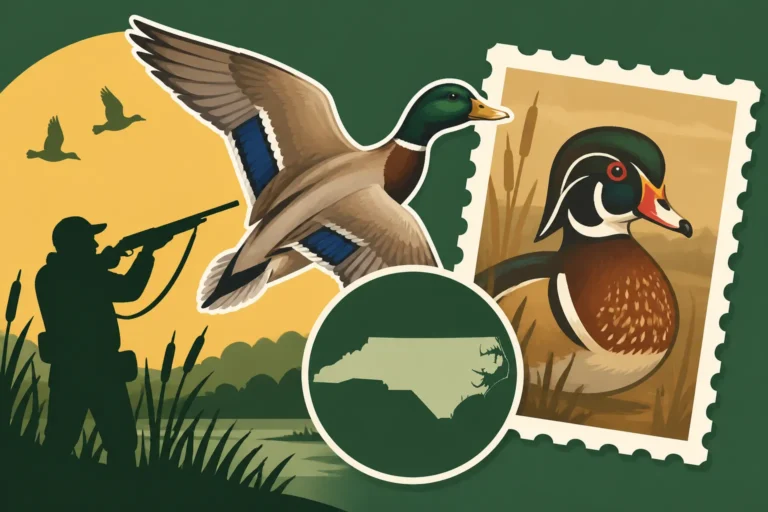
- North Carolina Migratory Bird Hunting Stamp: A state-specific stamp, often purchased with your license, that contributes funds directly to waterfowl conservation projects within North Carolina.
- Federal Duck Stamp: The famous "duck stamp" is a federal requirement for anyone 16 years of age or older hunting migratory waterfowl. Funds from its sale go directly to the conservation of wetland habitats across the United States. You can read more about this requirement at North Carolina Federal Duck Stamp Requirement.
Missing any one of these can lead to fines and penalties. While an all-encompassing platform like GoHunt can help you manage your hunting strategy, including identifying prime locations and understanding North Carolina Waterfowl Zones and Seasons, it’s up to you to ensure all these individual permits and stamps are correctly acquired and valid before you step into the marsh or a flooded timber hole.
Avoiding Common Mistakes
Beyond forgetting annual renewal or confusing HIP with duck stamps, here are a few other common errors to watch out for:
- Thinking HIP is only for ducks: As we covered, doves, woodcock, and snipe all require HIP. Don't get caught without it just because you're only targeting Mourning Doves in North Carolina.
- Assuming you don't need it if you didn't harvest birds last year: The survey asks about last year's harvest, but you need the certification for this year's hunting intentions. You'll still need to complete the survey even if you didn't hunt or harvest any migratory birds in the previous season.
- Not carrying proof: Always have your current, valid hunting license with your HIP certification clearly marked, whether it's a physical card or a digital version on your phone. Wildlife officers need to verify your compliance in the field. Knowing your North Carolina Duck and Goose Bag Limits is important, but so is having the correct paperwork to pursue them legally.
Stay organized, make checking your HIP certification part of your annual pre-season routine, and you'll be all set to enjoy North Carolina's fantastic migratory bird hunting opportunities.
Disclaimer
Please remember that hunting regulations can change. Always consult the most current North Carolina Inland Fishing, Hunting & Trapping Regulations Digest or the North Carolina Wildlife Resources Commission website for the latest and most accurate information before engaging in any hunting activities. This guide is for informational purposes only and should not be considered legal advice.