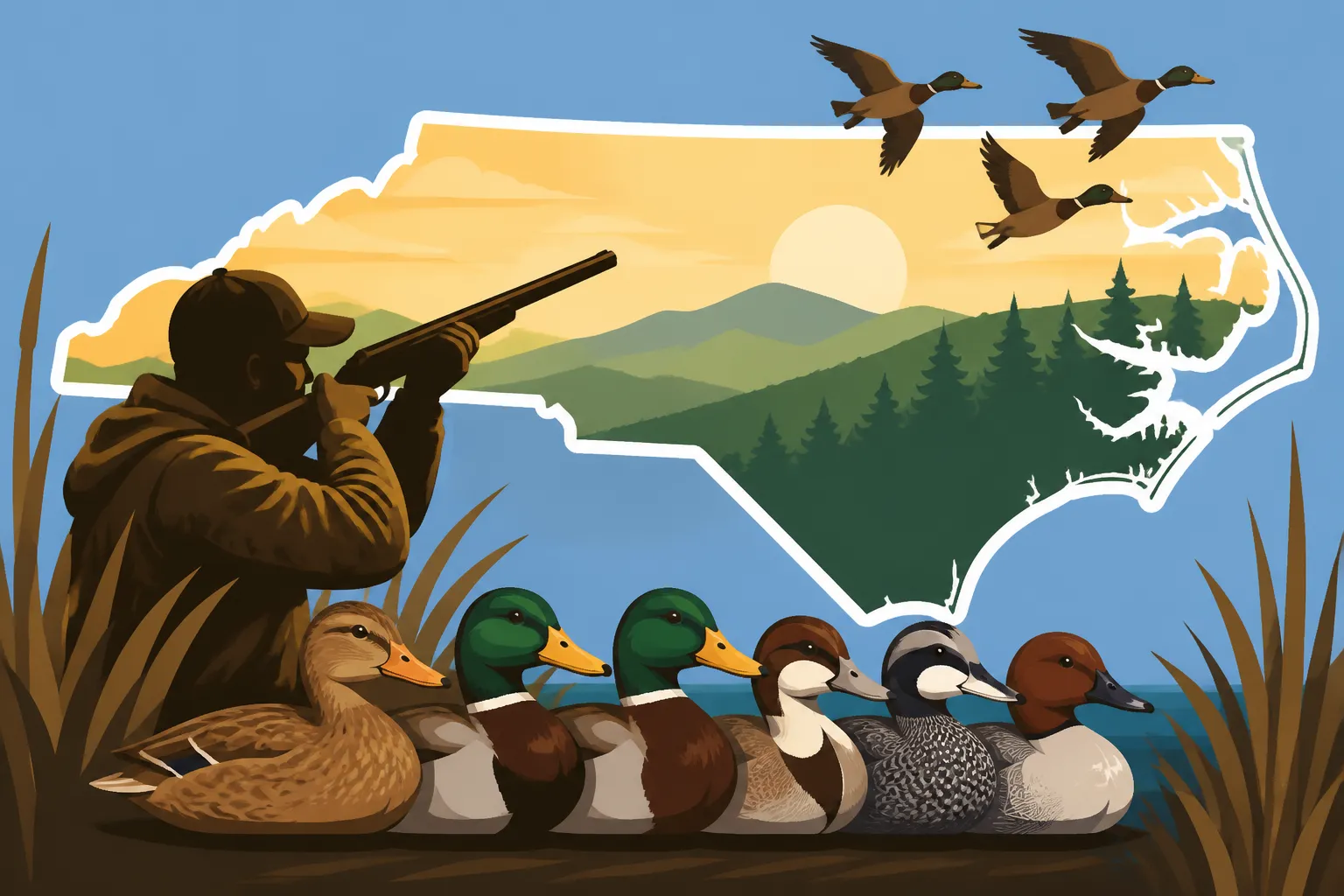
North Carolina Duck Daily Bag Limit
It's tough to keep up with all the twists and turns of hunting regulations here in North Carolina, especially when it comes to waterfowl. One moment you think you've got it all straight, and the next you're questioning if that last mallard was a hen or a drake, and what that means for your daily take. This guide is here to clear up the confusion around North Carolina's daily duck bag limits, breaking down the general rules and those tricky species-specific restrictions so you can hunt confidently and legally.
Understanding the Basics of North Carolina Duck Bag Limits
Hunting migratory waterfowl like ducks involves a fascinating blend of federal oversight and state-specific regulations. These rules aren't just arbitrary lines drawn in the sand; they're the result of extensive biological surveys, population assessments, and a deep commitment to ensuring healthy duck populations for generations to come. The U.S. Fish and Wildlife Service sets the overall framework, often in consultation with states along the major flyways, and North Carolina then tailors its specific seasons and bag limits within those federal guidelines. It’s a complex system designed to conserve, and it means hunters need to be diligent in understanding the rules.
The fundamental concept behind daily bag limits is straightforward: it's the maximum number of birds a single hunter can legally harvest in one calendar day. However, where it gets interesting – and often confusing – is that this overall daily limit almost always includes species-specific sub-limits. This means you might be allowed to shoot, say, six ducks total, but within those six, you might only be able to take two wood ducks or a single pintail. Keeping track of these nuanced rules is paramount for any ethical hunter. Many seasoned hunters rely on digital tools, like those found on the GoHunt platform, to quickly reference current regulations right from their phone while in the field. This can be a game-changer when you're trying to make a quick decision about what to harvest.
General Daily Duck Bag Limits
In North Carolina, the general daily duck bag limit is typically six ducks. This number represents the absolute maximum total number of ducks you can shoot in a single day, regardless of species. Think of it as your hard cap. No matter how many different types of ducks you encounter or how many various species you're allowed to harvest, you cannot exceed those six birds in your strap by the end of the day.
This overall limit acts as a foundational rule, but it's really just the first layer of understanding. For instance, if you shoot two mallards, two wood ducks, and two teal, you've hit your six-bird limit. But if you were to shoot three mallards, that might still put you within the overall six-duck limit, yet it could violate a species-specific sub-limit for mallards, particularly if you took too many hens. It’s crucial to remember that these species-specific rules always take precedence and are nested within the general daily total. It's not six ducks plus special ducks; it's six ducks, including those with special restrictions.
The Federal Framework and North Carolina's Role
The intricate dance of duck hunting regulations begins at the federal level, spearheaded by the U.S. Fish and Wildlife Service (USFWS). They oversee the Migratory Bird Treaty Act and establish season lengths, opening and closing dates, and framework bag limits for migratory birds, including ducks. These decisions are heavily influenced by extensive scientific data, including annual breeding duck population surveys, habitat conditions, and harvest rates across the continent. North Carolina, like other states, then develops its specific waterfowl regulations within these federal guidelines. We sit squarely in the Atlantic Flyway, a major migration corridor for millions of ducks, geese, and other waterfowl.
The USFWS, through its Adaptive Harvest Management program, categorizes duck populations and sets regulatory packages that states can choose from. For example, if pintail populations are struggling nationally, the federal framework might dictate a restrictive bag limit, like one pintail per day. North Carolina's Wildlife Resources Commission (NCWRC) then adopts this (or a more conservative rule) and incorporates it into the state’s annual regulations digest. This ensures that conservation efforts are coordinated across the entire flyway, recognizing that ducks don't respect state lines. Understanding this federal backbone helps explain why certain species have more restrictive limits than others, as it directly reflects the health of their continental populations. You can find more detail on these broader patterns in resources like North Carolina Waterfowl Zones and Seasons.
Navigating Species-Specific Restrictions Within the Daily Limit
Here’s where it gets a little more complex, and where many hunters find themselves scratching their heads in the field. While you have a general daily duck bag limit (typically six birds), the real challenge lies in the species-specific sub-limits. These restrictions mean that even if you haven't reached your overall six-duck limit, you might still be done shooting a particular species if you've hit its individual cap. It's absolutely critical to be able to identify your ducks in flight, not just to avoid shooting a protected species, but also to ensure you're adhering to these sub-limits. Many hunters find it useful to review duck identification guides before the season, or even use apps from providers like GoHunt to quickly bring up identification tips and rules.
The table below outlines some of the most common duck species in North Carolina and their typical daily bag limits. Remember, these are subject to change year-to-year based on population data and federal frameworks, so always double-check the current NCWRC regulations before heading out.
| Duck Species | Typical Daily Bag Limit (within 6-duck total) | Key Identification Tips for Hunters |
|---|---|---|
| Mallard | 4 (no more than 2 hens) | Green head (drake), orange bill, white neck ring, blue speculum with white borders. Hen is mottled brown. |
| Wood Duck | 2 | Crested head, iridescent colors (drake), white eye ring (hen), squealing call, quick, erratic flight. |
| Black Duck | 2 | Dark body, lighter head, purplish-blue speculum, yellowish-orange bill (drake), green bill (hen). |
| Canvasback | 2 | Long, sloping profile, reddish head/neck (drake), grayish body. |
| Redhead | 2 | Rounded head, reddish head (drake), gray body, blue-gray bill. |
| Pintail | 1 | Long, slender neck, distinct white stripe up the neck (drake), long "pin" tail. |
| Scaup (Bluebill) | 2 or 3 (variable) | Black head/chest, gray back (drake), white patch near bill (hen), often raft in large groups. |
| Mergansers | 5 (only 2 hooded) | Saw-toothed bill, long body. Hooded has distinct white fan crest. |
| Teal (Green/Blue/Cin) | 6 (combined total) | Small size, fast flight, usually early migrants. Green-wing has iridescent green speculum. Blue-wing has large blue patch on wing. |
Note: This table provides typical limits. Always consult current NCWRC regulations for precise, up-to-date information.
Common Species with Special Limits
Let's dive deeper into some of the species that often have more restrictive bag limits and why. Mallards, for instance, typically have a limit of four, but crucially, no more than two of those can be hens. This specific hen restriction is a direct response to their reproductive biology; hens are the breeding stock, and protecting them is vital for population stability. Missing the identification between a hen and a drake mallard in low light or fast flight is a common mistake that can lead to a violation.
Wood ducks, another popular species here in North Carolina, often have a limit of two per day. These beautiful birds prefer forested wetlands and swamps, and while their populations are generally healthy, their specialized habitat and relatively slower reproductive rate compared to some dabblers necessitate a more conservative limit. When you're Hunting Flooded Timber for Wood Ducks, recognizing their distinct flight pattern and squealing call is key.
Then there are the diving ducks like canvasbacks, redheads, and pintails. These species often have even tighter restrictions – sometimes only one or two birds per day – reflecting their specific population trends, which can fluctuate more dramatically or be more sensitive to hunting pressure. Pintails, with their elegant long necks and distinctive "pin" tail, frequently carry a one-bird limit, making them a highly prized and carefully considered bird to shoot. Knowing these specific limits by heart, or having a reliable reference like the NCWRC regulations at hand, is non-negotiable.
Identifying Ducks in Flight: A Critical Skill
Positive identification of ducks before you pull the trigger isn't just a good idea; it's a legal requirement and an ethical responsibility. Many of the species-specific bag limits hinge on your ability to discern one duck from another, and often, even gender. The hen mallard limit is a prime example of where misidentification can lead to an illegal harvest. Imagine a flock of birds coming into your spread at dawn, silhouetted against a gray sky. Is that a pintail? A hen mallard? Or perhaps a protected species like a mottled duck, which has similar coloration to a black duck but is often under stricter regulation?
Learning duck identification takes practice and experience. Pay attention to size, shape (especially head and neck profile), wing beat, flight speed, and unique markings. The speculum (the colored patch on the secondary flight feathers) is a crucial identifier, as is the color of the bill and feet. Many hunters spend hours studying field guides, watching educational videos, and participating in workshops to hone this skill. Carrying a compact field guide or having a regulation app on your phone can provide quick references in the field. When in doubt, it’s always best to err on the side of caution and not shoot. Remember, we want to ensure healthy populations for future seasons, and responsible hunting starts with identification. When you're out Hunting Currituck Sound Diving Ducks, recognizing their low, fast flight and often communal raft behavior is essential for making ethical decisions.
Special Considerations and Common Pitfalls for Duck Hunters
Beyond just the daily bag limit, there are several other critical regulations that North Carolina duck hunters must understand to ensure a legal and ethical hunt. It's not enough to simply count your birds; you also need to be aware of how many ducks you possess, how you're transporting them, and other environmental rules. The world of waterfowl hunting is governed by a patchwork of federal and state laws designed to protect the resource, and ignoring any of them can lead to serious consequences. Thankfully, resources from the NCWRC and even helpful apps like GoHunt can help clarify these nuanced rules, allowing you to focus more on the hunt itself.
Possession Limits: Don't Get Caught Off Guard
A common pitfall for many hunters, especially those on multi-day trips, is confusing the daily bag limit with the possession limit. The daily bag limit is what you can harvest in one day. The possession limit, however, dictates the maximum number of migratory game birds you can have in your possession at any given time, whether they're in your cooler, your freezer at home, in your vehicle, or at your hunting camp.
For most duck species in North Carolina, the possession limit is three times the daily bag limit. So, if the daily bag limit is six ducks, your possession limit would generally be 18 ducks. This means if you hunt on Saturday and harvest six ducks, and then hunt again on Sunday and harvest another six, you would still be within your daily limit for both days. However, you'd then possess 12 ducks. If you hunted a third day and harvested six more, bringing your total to 18 ducks, you would have reached your possession limit. You would not be able to legally harvest any more ducks until some of those 18 were consumed or legally transferred. It’s crucial to keep a mental (or actual) tally, particularly during extended hunts, and understand that birds consumed do not count toward your possession limit once eaten.
Duck Identification and "Party Hunting" Rules
We've talked about identifying ducks to adhere to species-specific daily limits, but this skill is also crucial in the context of "party hunting" – a common practice where groups of hunters share a blind. While hunting with friends and family is a cherished tradition, it’s vital to remember that each individual hunter is responsible for their own bag limit. You cannot combine your limits. For example, if you and a friend are hunting, and the daily limit is six ducks per person, you can't collectively shoot 12 ducks and then claim they belong to both of you if one person only shot two and the other shot ten. Each hunter must legally harvest and tag their own birds within their individual daily limits.
Furthermore, proper tagging is often required. When transporting birds that are not immediately consumed, particularly across state lines or away from the immediate hunting site, specific regulations often require that one fully feathered wing remain attached to each bird for identification purposes. This helps wildlife officers verify the species and ensure compliance with bag limits. Being sloppy with identification or attempting to skirt party hunting rules can result in fines and loss of hunting privileges, putting a real damper on what should be an enjoyable experience.
Staying Informed: Your Best Defense
Waterfowl regulations, while designed for conservation, are dynamic. Population trends change, habitat conditions shift, and scientific understanding evolves, leading to yearly adjustments in seasons and bag limits. The specific limits for scaup, for instance, have varied significantly over the years based on breeding surveys. To avoid any missteps, your absolute best defense is to stay informed.
The North Carolina Wildlife Resources Commission (NCWRC) is your primary and most authoritative source for current regulations. They publish an annual Migratory Bird Hunting Regulations digest, available both online on their website and often in print at license agents. It's a comprehensive document that details all seasons, limits, and special rules. Make it a ritual to review this digest thoroughly before each season, even if you think you know it by heart. Changes, even subtle ones, can occur. Additionally, platforms like GoHunt often integrate these regulations directly into their mapping and planning tools, providing a convenient way to access up-to-date information on your smartphone in the field. Local hunting clubs and experienced mentors can also be invaluable resources for clarifying tricky rules and sharing insights into local conditions and species. Ultimately, a well-informed hunter is a responsible and successful hunter. Don't forget that getting your North Carolina Migratory Bird Certification is another important step to ensure you're squared away for the season.
Disclaimer
The information provided in this guide is for general informational purposes only and is not intended as legal advice. Hunting regulations, including daily bag limits and species-specific rules, are subject to change. It is the responsibility of each hunter to consult the most current North Carolina Wildlife Resources Commission (NCWRC) regulations and federal migratory bird regulations before engaging in any hunting activities. Failure to do so may result in legal penalties.