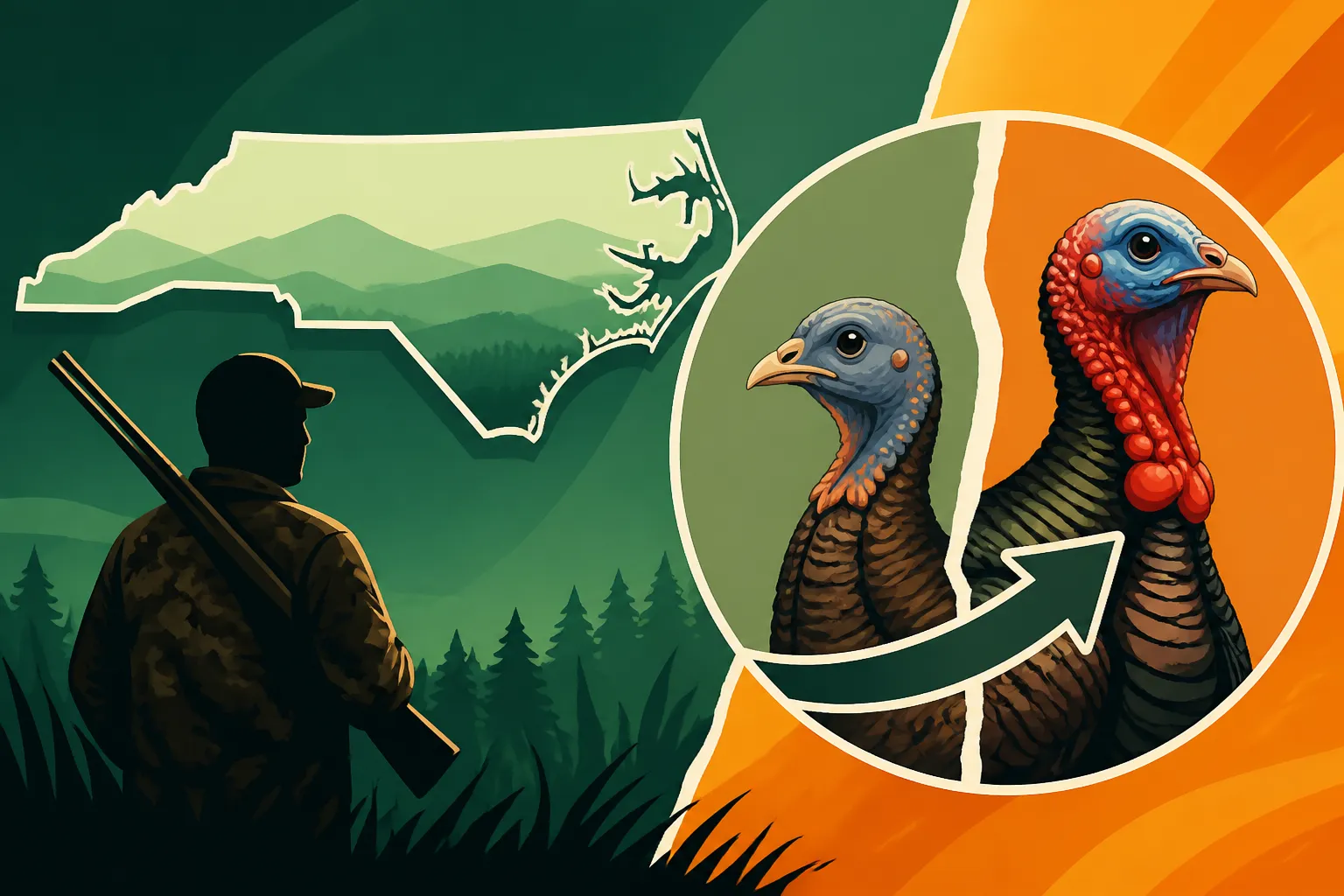
Why the Youth Turkey Age Definition Changed
Hunting regulations can sometimes feel like a moving target, especially when you're trying to keep up with the latest guidelines to ensure your family's hunting traditions continue smoothly. It's frustrating when you've finally got a handle on the rules, only for them to shift, leaving you scrambling to understand the implications. This guide is here to untangle the recent changes to North Carolina's youth turkey hunting age definition, delving into the critical "why" behind these adjustments and what they mean for introducing new generations to the exhilarating world of spring gobbler hunting.
Understanding North Carolina's Commitment to Youth Hunting
For anyone passionate about hunting, ensuring its future means nurturing the next generation of outdoors enthusiasts. North Carolina, like many states, recognizes that without new hunters, the traditions, conservation efforts, and even the funding models that support wildlife management could dwindle. This understanding forms the bedrock of many regulatory decisions, including those impacting youth seasons.
The Importance of Recruitment, Retention, and Reactivation (R3)
The buzzwords "Recruitment, Retention, and Reactivation," or R3, aren't just jargon thrown around by wildlife agencies; they represent a vital strategy for the longevity of hunting. It's a sobering reality that hunter numbers across the country have seen declines over recent decades. This isn't just about preserving a pastime; it's about the very future of conservation funding, which heavily relies on hunting license sales and excise taxes on hunting equipment. When agencies like the North Carolina Wildlife Resources Commission (NCWRC) adjust regulations, often it's with R3 goals squarely in mind.
Getting a young person into the woods for the first time is just the start. The real challenge, and where a lot of thought goes into policy, is keeping them engaged and active in hunting as they grow up. Life gets busy, other interests emerge, and if the barriers to entry or continued participation are too high, we risk losing them. This holistic view shapes everything from educational programs to the specifics of season dates and age limits. It's a recognition that for many kids, the spark needs time to grow into a flame, and that means providing consistent, accessible opportunities.
Historical Context of Youth Hunting Opportunities
The concept of a "youth hunting season" isn't new, but its implementation and specifics have evolved significantly over time. Decades ago, specialized seasons for young hunters were less common, with kids typically hunting during regular seasons alongside adults, adhering to the same rules. Over time, wildlife agencies began to see the benefit of dedicated opportunities. These special seasons were designed to provide a less pressured, more focused environment for new hunters, often preceding the general opener to give them first crack at game and increase their chances of success.
For North Carolina's wild turkeys, these youth-only weekends have been a cornerstone of spring hunting. They've traditionally allowed licensed young hunters, accompanied by a licensed adult mentor, to pursue gobblers before the statewide season opens. This setup reduces competition from adult hunters and allows mentors to focus solely on teaching safety, woodsmanship, and ethical hunting practices. The intent has always been clear: create positive, memorable experiences that will hook kids on hunting for life. Understanding this history helps us grasp why any change to these established rules is undertaken with careful consideration for its impact on this foundational program.
The Specifics of the Youth Turkey Age Definition Shift
Change, especially in long-standing traditions like hunting, often sparks conversation, and sometimes a bit of head-scratching. The recent adjustment to North Carolina's youth turkey age definition is no exception. It's a move that directly impacts who can participate in those special early spring weekends, and it's essential to understand exactly what changed and when.
What the Old Definition Entailed
For many years, North Carolina's youth turkey season was specifically designated for hunters under 16 years of age. This meant that if a young hunter was 15, they were good to go. The day they turned 16, however, they aged out of the special youth season privileges. This was a clear, if sometimes abrupt, cutoff for many families. Imagine a dedicated 15-year-old hunter who had participated in the youth weekend for years, eagerly anticipating one last chance before the main season. If their 16th birthday fell just before or during the youth season, they would suddenly find themselves ineligible, despite still being a high school student or deeply invested in hunting with their family.
This "under 16" rule often aligned with general state laws regarding minors and hunting, as well as driver's license eligibility, creating a somewhat natural progression. However, it also meant that a significant demographic of older teenagers – those 16 and 17 years old – were excluded from a program specifically designed to foster new hunter participation. While they could still hunt during the regular statewide season, they missed out on the unique, often less crowded, and more focused environment of the youth-only weekend, which is often crucial for building confidence and skill.
Unpacking the New Age Definition and When It Took Effect
The North Carolina Wildlife Resources Commission (NCWRC) made a significant change, adjusting the youth turkey hunting age definition to include those under 18 years of age. This revision, which typically went into effect recently, means that 16 and 17-year-olds who were previously ineligible can now participate in the special youth-only turkey season. This update essentially expands the opportunity for an additional two years of a young person's formative hunting life, recognizing that these older teenagers are still very much in a learning and development phase when it comes to hunting.
This change wasn't just a flick of a switch; it involved careful deliberation by the NCWRC, often following public input and internal assessments. For families, this is fantastic news. Now, a 17-year-old, perhaps just getting their driver's license or deep into high school, can still benefit from that focused, early-season experience with a mentor. The effective date of this change is crucial for planning. Hunters and families should always double-check the current North Carolina Spring Turkey Season Rules and the specific dates for the youth season each year. This expanded age range brings North Carolina more in line with what some other states offer, aiming to maximize participation.
To help visualize the change, here's a quick comparison:
| Feature | Old Youth Turkey Definition (Prior) | New Youth Turkey Definition (Current) |
|---|---|---|
| Eligible Age | Under 16 years old | Under 18 years old |
| 16-Year-Olds Eligible? | No | Yes |
| 17-Year-Olds Eligible? | No | Yes |
| Primary Goal | Introduce younger hunters | Expand participation to older teens |
| Impact on Mentorship | Mentorship for younger children | Mentorship for a broader age range |
This adjustment directly addresses a gap where many aspiring young hunters might have dropped out or found it harder to continue their hunting journey as they approached adulthood without the dedicated youth season opportunity.
Key Motivations Behind the Regulatory Change
Regulatory changes aren't made lightly. There's a lot of thought, research, and public input that goes into shifting something as fundamental as an age definition for a hunting season. For North Carolina, the move to broaden the youth turkey hunting age was driven by clear, strategic objectives aimed at the health and future of hunting in the state.
Expanding Access and Participation for Young Hunters
One of the most straightforward and compelling reasons for expanding the youth turkey age definition was simply to get more young people, particularly older teenagers, involved in hunting. The "under 16" rule, while well-intentioned, often created a hurdle for kids who might have developed an interest a little later in their teens, or for those whose schedules only permitted hunting during specific, dedicated windows. A 16 or 17-year-old might be more mature, capable of longer walks, handling larger firearms (where applicable), and generally possessing a greater capacity for the physical and mental demands of hunting. Yet, under the old rules, they missed out on the unique advantages of the youth season.
By extending eligibility to those under 18, the NCWRC created a wider funnel for participation. This acknowledges that the critical years for solidifying a lifelong passion for hunting often extend beyond the early teenage years. Many high school students, for example, are at an age where they're making choices about their extracurriculars and future interests. Offering them a dedicated, focused hunting opportunity, perhaps even before they've completed their hunter education (if participating under North Carolina Mentored Youth Hunting Rules), can be a powerful incentive. It ensures that North Carolina's hunting community remains vibrant and that more families have the chance to share these meaningful experiences together. When you can use resources like the GoHunt app to quickly check regulations and planning opportunities, it makes it even easier for these families to engage.
Aligning with Broader Conservation and Mentorship Goals
The expansion of the youth turkey age definition isn't just about numbers; it's deeply intertwined with broader conservation and mentorship objectives. The R3 initiative hinges on not just recruiting new hunters, but retaining them and eventually reactivating lapsed hunters. By keeping older teenagers within the "youth" bracket for turkey season, the state is investing in more years of guided, mentored hunting experiences. This extended mentorship period is crucial. A 17-year-old, benefiting from a dedicated mentor, is likely to develop a deeper understanding of wildlife ethics, conservation principles, and hunting skills than someone who is suddenly thrust into the general season with less direct guidance.
Furthermore, this alignment helps foster a stronger sense of community within the hunting world. Older teenagers, having experienced the mentorship program, are more likely to become mentors themselves down the line. This perpetuates the cycle of knowledge transfer and ethical behavior that is so vital to hunting's future. It also acknowledges that older youth are often capable of taking on more responsibility during a hunt, perhaps even assisting with tracking or field dressing, thereby deepening their connection to the entire process. This move helps solidify the future of North Carolina's Turkey Population Trends and ensures a healthy balance of harvest and conservation for years to come.
Practical Implications for Hunters and Families
Whenever regulations change, especially regarding age definitions for hunting seasons, it can feel like a new puzzle to solve. For North Carolina hunters and their families, the shift in the youth turkey age definition brings both new opportunities and the responsibility of understanding the updated guidelines to ensure a smooth, legal, and enjoyable experience in the spring woods.
How the Change Impacts Planning and Participation
The most immediate impact of the new "under 18" age definition is, of course, on who is now eligible for the North Carolina Youth Turkey Weekend. If you have a 16 or 17-year-old in your family who previously aged out of the special youth season, they are now back in! This means more teenagers can participate in an exclusive, often less crowded, early-season hunt. For many families, this is a huge win. It extends the period during which parents or adult mentors can introduce their children to turkey hunting in a dedicated setting, free from the full pressure of the statewide opener.
This expanded age range can also simplify planning for families with multiple children. Instead of having to juggle different season dates or eligibility requirements for teenagers just a year or two apart, it creates a more unified youth hunting experience. Imagine a family with a 14-year-old and a 17-year-old; both can now hunt the same youth weekend, maximizing family time afield. This change provides a longer window for building foundational skills, understanding turkey behavior, and making lasting memories, all before the young hunter potentially transitions to hunting independently as an adult. Hunting apps, like GoHunt, can be invaluable for quickly checking these updated regulations and planning your hunts with confidence.
Ensuring Compliance with New Rules and Mentorship Requirements
With the expanded age definition comes the crucial need for families and mentors to be fully aware of all accompanying rules. While the age range for youth turkey hunting has expanded, the core requirements for a safe and legal hunt remain paramount. Every youth hunter must still possess the appropriate North Carolina Resident Hunting License Options (or nonresident, if applicable) and any necessary endorsements, even if hunting during a youth-only season. Furthermore, hunter education requirements still apply, though mentored youth provisions often allow participation under the direct supervision of a licensed adult mentor.
The role of the mentor is critical, especially when you're dealing with older, more independent teenagers. The NCWRC specifies rules regarding how close a North Carolina mentor must stay to their youth hunter, ensuring immediate supervision and instruction. It's not enough to just drop them off; the mentor is responsible for the youth's safety, ethical conduct, and adherence to all regulations, including North Carolina Turkey Daily Bag Limit. Before heading into the field, always review the latest North Carolina Youth Turkey Weekend Rules on the NCWRC website or through their official app. Understanding these nuanced aspects ensures that the expanded opportunities lead to positive, responsible hunting experiences rather than inadvertent violations.
Looking Ahead: The Future of Youth Hunting in North Carolina
The decision to change the youth turkey age definition isn't just about the upcoming season; it's a forward-looking strategy. Wildlife agencies are constantly evaluating policies to ensure the long-term health of both wildlife populations and the traditions that support their conservation. This adjustment is a testament to North Carolina's commitment to securing a vibrant future for hunting.
Potential Long-Term Benefits for Hunter Recruitment
By extending the youth turkey season eligibility, North Carolina is making a long-term investment in hunter recruitment. The older teenage years are a critical developmental period. Providing dedicated, low-pressure hunting opportunities during this time increases the likelihood that these young people will develop a deep and lasting interest in hunting. It's during these formative experiences that kids often transition from merely "going along" to actively participating, taking ownership of their skills, and truly connecting with the outdoors.
More successful and positive youth hunting experiences today directly translate into more adult hunters tomorrow. As these now 16 and 17-year-olds eventually become independent hunters, they will purchase licenses, stamps, and equipment, contributing financially to conservation efforts. This sustained engagement ensures a stable funding base for the NCWRC, allowing them to continue vital wildlife management programs, habitat improvements, and educational initiatives. The ripple effect is clear: a minor change in age definition can have a profound impact on the future of hunting and conservation across the state. Furthermore, a deeper understanding of hunting practices, like Roost Hunting North Carolina Gobblers or Run-and-Gun Turkey Tactics on Public Land, comes with sustained exposure.
Monitoring the Impact and Future Adjustments
No regulatory change is set in stone forever, and wildlife agencies like the NCWRC continuously monitor the impact of their decisions. After implementing the expanded youth turkey age definition, biologists and enforcement officers will collect data and observe trends to assess its effectiveness. Key metrics might include participation rates in the youth season, harvest success rates among the newly eligible age groups, feedback from hunters and mentors, and overall license sales among young adults.
If the data suggests the change is successfully increasing participation and fostering hunter retention without negatively impacting turkey populations or creating unforeseen issues, the policy will likely remain. However, if unintended consequences arise, the NCWRC isn't afraid to make further adjustments. This iterative process of implementation, monitoring, and evaluation is a hallmark of responsible wildlife management. It means that North Carolina's hunting regulations are dynamic, adapting to the needs of both its wildlife and its hunting community, always striving for the best balance to ensure the rich tradition of hunting continues for generations to come. Even public input gathered through platforms like the GoHunt community or direct feedback channels to the NCWRC plays a role in these ongoing evaluations.
Disclaimer
Please remember that hunting regulations can change. Always consult the official North Carolina Wildlife Resources Commission (NCWRC) website or the current North Carolina Inland Fishing, Hunting, and Trapping Regulations Digest before participating in any hunting activity. This guide is for informational purposes only and does not supersede official regulations.