Setting Up a Dove Field Before Opening Day
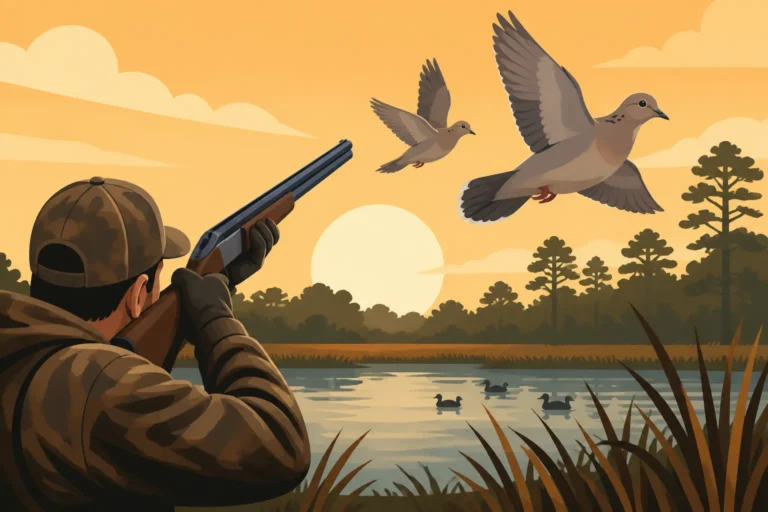
It’s a familiar scenario for many North Carolina dove hunters: you've got a passion for the sport, the shotgun is cleaned, and opening day is circled on the calendar. But then you show up to a field you painstakingly prepared, only to find the doves flying high and fast, completely ignoring your setup. That feeling of disappointment after all your hard work is a tough one. This guide is designed to help you avoid that frustration by meticulously detailing how to set up a dove field effectively, ensuring you create a magnet for birds long before the season's first shot.
Understanding Dove Biology and Habitat Needs
To truly create an irresistible dove field, you first have to step into the mind of a mourning dove. It’s far more than just scattering some seeds; it’s about grasping their daily rhythms, understanding what makes them feel secure, and what encourages them to settle in. A meticulously designed field doesn't just offer food; it caters to these fundamental instincts, transforming a simple plot of land into a dynamic dove haven. Neglecting these details is often why many hopeful hunters end up with an empty game bag.
Dove Feeding Habits and Preferred Food Sources
Mourning doves are primarily granivores, meaning their diet largely consists of seeds. They aren't particularly fussy about the type of seed, but they are incredibly particular about its accessibility. Their preference leans heavily towards small, readily available seeds found on open, relatively bare ground. This is a critical point: a field teeming with lush, tall weeds might contain a bounty of seeds, but if doves can't easily land and peck them up without obstruction, they'll quickly seek out more convenient options. Their gizzards are remarkably efficient at processing seeds, but that initial, unhindered access is non-negotiable.
Picture a recently harvested farmer's field—perhaps corn stubble with dropped kernels or a post-harvest wheat field. This is the epitome of prime dove habitat. The scattered grains on exposed earth perfectly match their foraging preferences. Across North Carolina, you'll see them frequenting fields of browntop millet, sunflowers, wheat, and even various clovers. The absolute key here is ease of access and visibility. Doves are notoriously wary birds, and they need an unobstructed view of their surroundings while feeding to detect potential threats. This inherent behavior directly informs how we should manage and manipulate our hunting fields. For those interested in the broader picture of these fascinating birds, the article Mourning Doves in North Carolina offers an excellent resource.
Essential Cover and Water Requirements
While doves enthusiastically forage in open spaces, they absolutely require adjacent cover for resting, roosting, and feeling safe from predators. A productive dove field should never be a completely barren expanse. The ideal setup includes a mosaic of open feeding zones interspersed with taller vegetation—think hedgerows, scattered mature trees, or the edges of a nearby woodline. These areas serve multiple vital functions: they offer sanctuary from hawks and other aerial predators, a quiet spot for doves to digest their meals, and convenient perching locations before they return to the feeding areas.
Access to water is another non-negotiable component for attracting and holding doves. They need to drink frequently, often several times throughout the day, particularly during the warmer periods leading up to and during the early season. A pond, a meandering creek, or even a well-maintained livestock watering trough located within a reasonable flight distance of your field can dramatically enhance its appeal. If natural water sources are scarce on your property, a strategically placed shallow pan or a small, excavated depression designed to hold rainwater can make an immense difference. Without these crucial elements—adequate cover and accessible water—doves might make fleeting visits for a quick bite but will rarely establish consistent patterns, making consistent hunting effort difficult and often frustrating.
Legal Considerations for Dove Field Baiting
This aspect of dove field management is where strict attention to detail becomes paramount, and getting it wrong can lead to serious consequences. North Carolina, like every other state, rigidly adheres to federal baiting regulations concerning migratory birds, which unequivocally include doves. The fundamental rule is straightforward: it is illegal to hunt doves over a "baited area." Defining a "baited area" is crucial; it refers to any location where salt, grain, or other forms of feed have been placed, scattered, or exposed to lure or attract birds. This prohibition isn't limited to overtly scattering corn; it extends to fields where grains have been broadcast in ways inconsistent with normal agriculture, or where natural vegetation has been manipulated in a manner that unnaturally concentrates seeds.
However, there are critical and completely legal exceptions. You are absolutely permitted to hunt over fields that have been prepared through normal agricultural practices. This means planting, cultivating, harvesting, and manipulating a crop in a way that aligns with typical farming operations for growing and gathering a crop. For example, a field of standing browntop millet can be mowed in strips to scatter its seeds on the ground, because mowing is a recognized, normal agricultural practice. Similarly, a field of wheat that has been commercially harvested is perfectly legal for dove hunting. The line becomes problematic when you start adding or introducing seeds beyond what would occur in a standard, legitimate farming operation. If there is ever any doubt, it is always best practice to consult the most current North Carolina migratory bird regulations or directly contact the NC Wildlife Resources Commission (NCWRC) for clarification. Misinterpreting these regulations, even accidentally, can result in substantial fines, confiscation of equipment, and the loss of your hunting privileges—a headache no ethical hunter wants to face.
Choosing the Right Crops and Planting Strategies
The cornerstone of any truly successful dove field lies in the thoughtful selection of your crops and the intelligent execution of your planting strategy. It’s important to recognize that there's no single magic bullet; different crops offer distinct advantages, and perhaps most importantly, impeccable timing is everything. A strategic approach to what you plant and when you put it in the ground will undoubtedly yield significant dividends when the highly anticipated opening day finally rolls around.
Top Crop Choices for North Carolina Doves
North Carolina's diverse climate and varied soil compositions offer an excellent range of choices for creating prime dove fields. Each crop comes with its own set of advantages and disadvantages, and in many cases, a well-planned mixture of crops proves to be the most effective and resilient strategy.
- Browntop Millet: This crop is widely regarded as the gold standard for dove fields. It's relatively inexpensive, boasts rapid growth, and produces an incredibly abundant yield of small, dark seeds that doves absolutely devour. It's exceptionally easy to broadcast, and its short maturity cycle (often as little as 60-70 days) makes it an ideal choice for planting in late spring or early summer, perfectly timing it for an early September season.
- Sunflowers: A classic and highly effective dove attractant, sunflowers are not only visually striking from the air, but they also provide a prolonged food source as their seeds gradually drop over time. The primary drawback is their longer maturation period (typically 90-120 days) and the fact that they often require more specialized planting equipment. They also tend to attract a wider variety of wildlife, which can be either a welcome bonus or a management challenge, depending on your specific goals.
- Wheat: Winter wheat, commonly planted as a cover crop or for commercial grain production, transforms into an outstanding early-season dove field once harvested. The scattered grains that remain after harvest provide a natural and highly palatable feast for doves. Similarly, spring wheat or oats can be planted and then appropriately manipulated prior to the season's start.
- Grain Sorghum (Milo): This particular crop is notably drought-tolerant and produces small, energy-dense seeds. It serves as an excellent alternative in regions where millet might struggle or if you're looking for a more robust plant that offers both food and some degree of cover.
- Dove Proso Millet: Similar in many respects to browntop millet, but often exhibiting a slightly longer maturity period, which can provide a bit more flexibility in your planting schedule and subsequent field manipulation.
- Clover: While not typically a primary dietary staple for doves, clover fields can attract a variety of insects, which doves will occasionally supplement their diet with. More importantly, clover provides excellent general habitat benefits. It's often incorporated into seed mixtures or utilized as a beneficial rotational crop to improve soil health and diversity.
Implementing a blended approach, such as planting alternating strips of browntop millet alongside sunflowers, frequently yields superior results, offering both an immediate, readily available food source and a sustained, longer-term attraction throughout the hunting season.
Planting Timelines and Rotation for Success
Precise timing of your planting is arguably the most critical factor for a successful dove field. For North Carolina's early September dove season, your chosen crops need to be fully mature and ready for manipulation (such as mowing or discing) approximately 2-4 weeks before opening day. This crucial window allows ample time for doves to discover the newly exposed seeds and, most importantly, to establish consistent feeding patterns within your field.
- Browntop Millet: For an early September season, plant this versatile crop from late May through early June. Given its rapid growth, count backward from your intended manipulation date to hit the sweet spot.
- Sunflowers: These require a longer growing period, so plan to plant them in April or early May to ensure they reach full maturity by late summer.
- Winter Wheat: Planted in the fall of the previous year, with harvest typically occurring in early summer. The remaining stubble and naturally dropped grain are perfectly primed for early September dove activity.
- Grain Sorghum: Plant in late May to July, similar to millet, but account for its slightly extended maturation period.
Implementing an annual crop rotation is beneficial for more than just soil health; it's a proven method for disrupting pest and disease cycles and can help prevent doves from becoming overly habituated to a single food source year after year. For example, if you cultivated millet in a particular field last year, consider switching to sunflowers or sorghum for the current season. Advanced tools and detailed regional agricultural data, often available through platforms like GoHunt, can assist you in visualizing historical planting trends and formulating effective future rotation plans.
Considerations for Smaller Plots or Budget Constraints
It’s a common reality that not every hunter has access to extensive acreage, and managing a budget is almost always a significant concern. However, there’s no need to be discouraged! Even a more modest plot, when managed with precision and insight, can become an incredibly effective dove hotspot. For smaller areas, concentrate your efforts intensely on one or two high-impact, easy-to-manage crops like browntop millet. It's an economically sound choice, straightforward to plant with minimal equipment (even a simple hand spreader can suffice), and delivers a rapid return on your effort.
If you’re operating under a tighter budget, actively seek out seed mixes specifically formulated for dove plots. These often provide a beneficial blend of attractants without requiring a substantial financial outlay. In some instances, simply managing existing native weeds to expose their seeds can prove surprisingly effective. For example, if you have a field with a healthy natural population of ragweed or smartweed, mowing strategic strips through these areas can create exceptional, and perfectly legal, feeding zones. The overarching principle is to concentrate the available food and meticulously create that open, easily accessible ground that doves inherently crave. Always remember, even with limited resources, a thoughtfully planned Setting Up a Dove Field Before Opening Day can be remarkably productive.
Field Preparation and Maintenance Leading Up to Opening Day
Once your selected crops are successfully established in the ground, the true art of transforming your cultivated patch into a veritable dove paradise begins. This critical phase transcends merely growing food; it’s fundamentally about ensuring that sustenance is readily accessible to the birds and, moreover, about cultivating an environment that actively encourages doves to linger and establish consistent patterns.
Mowing, Discing, and Staggered Harvest Techniques
This is arguably the most pivotal stage, the one that truly converts a standard crop field into a highly attractive dove hunting destination. Doves overwhelmingly prefer to feed on seeds that are scattered across relatively bare ground. Therefore, simply allowing your chosen crops to mature and stand untouched is insufficient; you must actively manipulate them to drop seeds and expose the underlying soil.
- Mowing: This is the most widely adopted and consistently effective technique. Approximately 2-4 weeks prior to opening day (or before the start of the first hunting split), begin mowing strategic strips or sections of your chosen crop. This action effectively scatters seeds onto the ground, rendering them highly visible and easily accessible to doves. Crucially, resist the temptation to mow the entire field at once! Instead, implement a staggered mowing schedule, perhaps a week or two apart. This approach ensures a continuous, fresh food source. As doves deplete one mowed section, you can then mow an adjacent strip, thereby sustaining their interest and keeping them in the area throughout the season. For crops like sunflowers, you might only mow strips, purposefully leaving some standing stalks intact to provide valuable cover and perching opportunities.
- Discing: A light discing pass after mowing can be beneficial for incorporating some of the scattered seeds into the shallow soil, which can help prevent them from being washed away by rain and might even encourage some germination. However, heavy discing should be avoided, as it can bury too many seeds, rendering them inaccessible to doves. The primary goal of discing, if used, is to create more areas of bare earth that doves can easily pick through.
- Staggered Harvest: If you are managing larger fields of traditional agricultural crops like commercial wheat or corn, consider implementing a staggered harvest schedule. Harvesting sections at different times creates an immediate, natural draw with the initial drop of grain, and subsequent harvests maintain the field’s appeal. This method is a highly natural and fully compliant way to provide a continuous food supply for doves. For more localized advice, particularly for the early season, consulting the article on Opening Weekend Tactics for the Eastern Zones can provide valuable insights.
Creating Flight Paths and Shooting Lanes
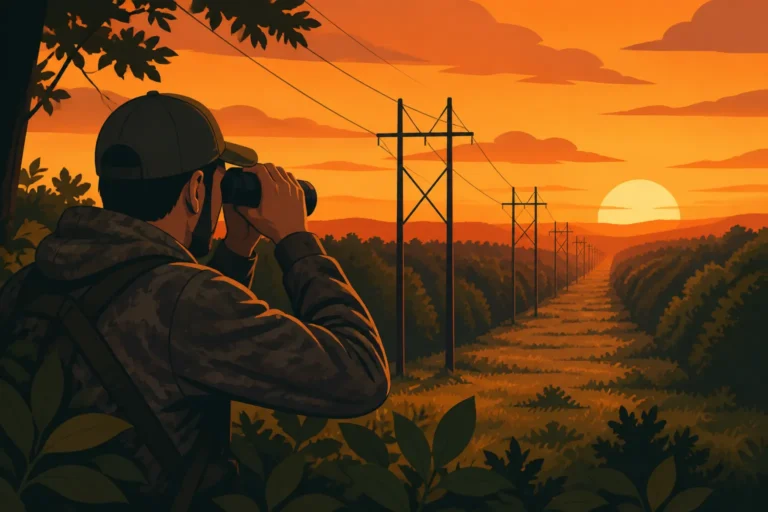
Doves are creatures of habit and efficiency, often establishing predictable flight patterns, especially if you give them compelling reasons to do so. Pay close attention to any natural funnels already present in your landscape, such as distinct treelines, utility power lines, or subtle changes in elevation that doves might naturally be using. You can significantly enhance these existing pathways by selectively clearing small sections of obstructing vegetation to create well-defined flyways that guide doves into and out of your primary feeding area.
Within the field itself, meticulous planning of your shooting lanes is paramount. While doves gravitate towards open ground, hunters require effective concealment. Therefore, plan the precise locations where hunters will be positioned and ensure that each spot offers clear, unobstructed shooting lanes, crucially without posing any risk to other hunters or adjacent property. This might involve creating discreet, natural blinds along the field edges or strategically within standing strips of crops. Always consider the sun's position throughout the day and the prevailing wind direction; these factors will significantly influence dove approach angles and contribute to hunter comfort and effectiveness. Creating these thoughtfully designed lanes not only helps to manage dove movement for better shots but also ensures a safe and more productive hunting experience. Utilizing advanced scouting tools, such as those integrated into the GoHunt platform, can be incredibly helpful for mapping these intricate flight paths and planning your setup.
Post-Planting Care and Weed Control
Once your dove crops are successfully planted, your work is far from over. Weeds are a perennial nuisance for any farmer and, by extension, any dove field manager. They relentlessly compete with your desired crops for vital nutrients and precious water, inevitably leading to a reduction in your overall seed yield. More critically for dove attraction, thick, rampant weed growth can effectively obscure the very seeds you’re trying to make available, rendering your field significantly less appealing to doves.
Effective weed control can encompass various strategies: this might include the judicious application of selective herbicides (ensuring they are safe for your specific crop and the surrounding environment), light cultivation between rows for row crops, or even meticulous hand-weeding in smaller, more manageable plots. The overarching objective is to maintain a relatively clean and open understory so that when your crops are eventually manipulated (mowed or disced), the scattered seeds are conspicuously visible against the bare ground. Regular, vigilant monitoring of your field for any aggressive weed outbreaks is absolutely essential. If weeds are allowed to get out of hand, you may be forced to mow earlier or more aggressively than planned, which could negatively impact the longevity and consistent availability of your food source throughout the hunting season. It’s a delicate, ongoing balance, but keeping those invasive weeds in check is fundamental to maximizing your dove field's potential.
Pre-Season Scouting and Final Touches
The final few weeks and, indeed, the last few days leading up to opening day are an intensive period dedicated to observation, fine-tuning, and making any necessary last-minute adjustments. You've invested significant effort into planting and maintaining your field; now, it's time to diligently observe how the doves are responding and implement any final tweaks. This phase is almost as crucial, if not equally so, as the initial planting itself.
Monitoring Dove Activity and Adjusting Strategy
Beginning a couple of weeks before the season's opener, commit to making regular, discreet visits to your field. These visits are most informative during the early morning and late afternoon hours, which are typically when doves exhibit their peak activity. Observe their flight patterns: how do they enter and exit the field? Where do they show a preference for feeding? Where do they go for water and secure cover? Are they consistently utilizing your mowed strips? Are they congregating in a particular corner of the field? Use a high-quality pair of binoculars and always maintain a respectful distance to avoid disturbing the birds and altering their natural patterns.
This detailed scouting intelligence is exceptionally valuable. If doves aren't consistently using a particular section of your field, consider mowing an additional strip or slightly adjusting your water source. If you notice them routinely flying over a specific treeline or power line, that immediately flags it as a prime location for a hidden shooter. Flexibility is paramount; never be afraid to modify your initial plans based on the undeniable evidence the birds themselves are providing. This critical intel is vital for ensuring a successful Working a Dove Field on Opening Day and will serve you far better than just knowing When North Carolina's Archery Season Opens if your focus is doves. Platforms like GoHunt can be excellent tools for logging your observations and tracking dove movement patterns over time.
Setting Up Blinds and Shooter Positions
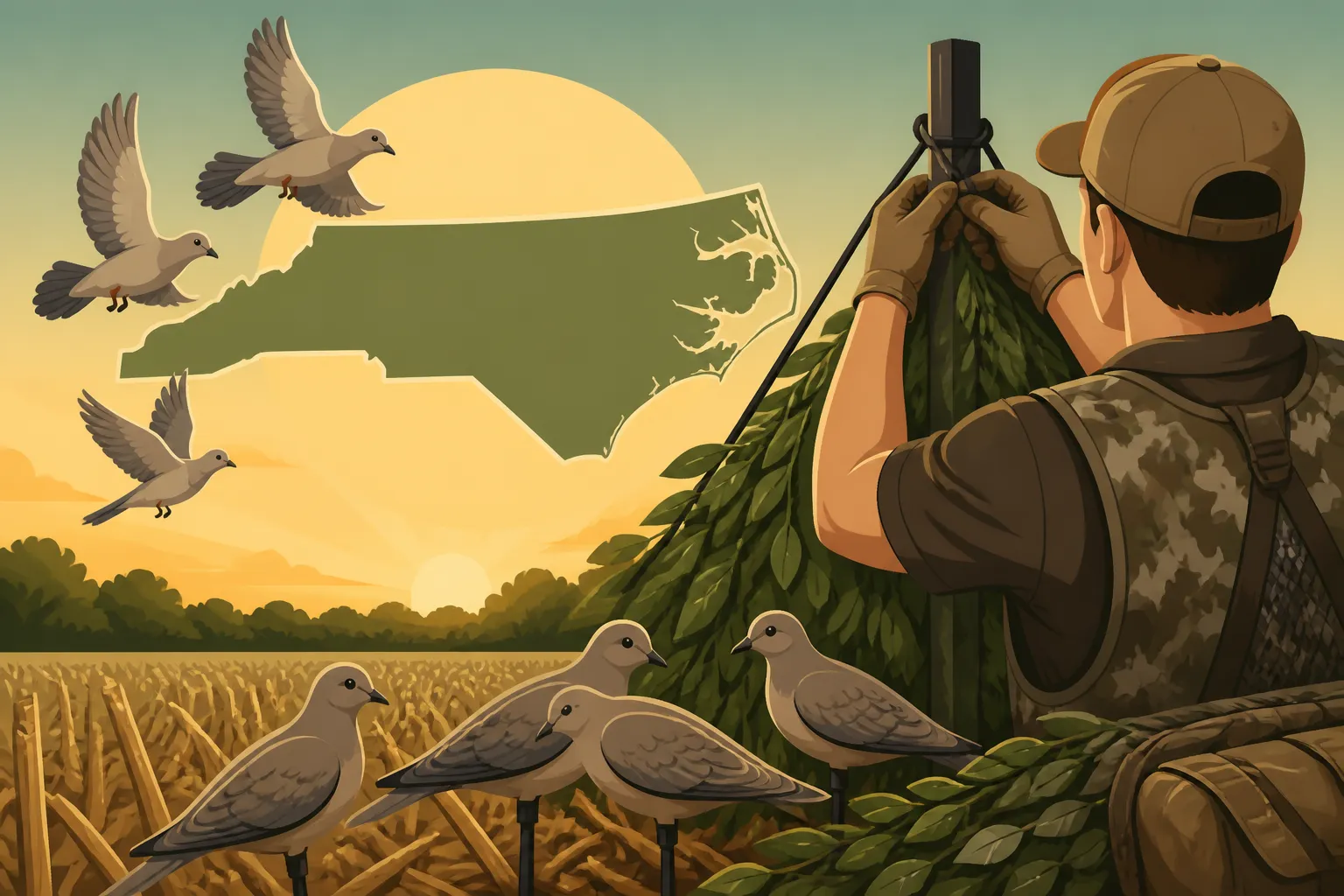
Once your pre-season scouting has clearly identified key feeding areas and preferred flight paths, the next step is to meticulously plan your hunter setups. Doves possess incredibly keen eyesight, making effective concealment an absolute necessity. Whenever possible, leverage natural cover. Look for existing hedgerows, dense clumps of weeds you purposefully left standing, or the natural edge of an adjacent woodline. For situations where natural cover is sparse, portable ground blinds or simple camouflage netting can be remarkably effective, especially if you take the time to brush them in thoroughly with local vegetation.
Strategically position your blinds to account for sun angles (you absolutely do not want the sun directly in your eyes during prime shooting periods) and the prevailing wind direction, as these factors will influence how doves approach the field. Carefully consider the number of hunters you anticipate and ensure they are spaced adequately to guarantee both safety and to prevent "sky-busting"—shooting at birds too high to be ethically harvested. A reliable guideline is to maintain at least 40-50 yards between individual shooters, as the dynamics are quite different from scenarios like Deer Drives With Three or Four Hunters. The ultimate goal is to create comfortable, well-concealed positions that allow hunters to acquire good, ethical shots at incoming doves.
Ensuring Safety and Legal Compliance
Safety must always remain the absolute highest priority on any hunting excursion. Before anyone steps foot into the field on opening day, conduct a thorough and clear safety briefing. Review shooting lanes, ensure every participant understands fundamental safe firearm handling procedures, and establish clear, consistent communication protocols. Every hunter in the party should be acutely aware of where other hunters are positioned and understand their designated arcs of fire. Furthermore, strongly emphasize the critical importance of never shooting at low-flying birds or at birds flying directly towards another hunter.
Beyond immediate safety, meticulously re-verify all pertinent legal requirements. Ensure that all hunters possess valid North Carolina hunting licenses, the necessary migratory bird permits (including HIP certification and a Federal Duck Stamp, which is required even for doves), and are fully aware of specific bag limits and legal shooting hours. It’s always a prudent measure to check the latest North Carolina Small Game Season Rules as regulations can sometimes undergo subtle changes from year to year. If you are hunting near property boundaries, clearly mark these lines to prevent any accidental trespassing. A truly successful hunt is measured not only by the birds harvested but, more importantly, by conducting the activity safely, ethically, and in full compliance with all applicable laws. For those planning to extend their dove hunting beyond the initial few weeks, understanding regulations for Hunting the Second Dove Split in October will be equally important, and having a field prepped for longevity will undoubtedly enhance your success.
Here's a quick reference table for common dove field crops in North Carolina:
| Crop | Planting Time (NC) | Maturity Time | Best Manipulation Method(s) | Notes |
|---|---|---|---|---|
| Browntop Millet | Late May – Early July | 60-70 days | Mowing, light discing | Fast growing, high seed production, cost-effective |
| Sunflowers | April – Early May | 90-120 days | Mowing strips, leaving stalks | Highly attractive, long-lasting, but longer growing season |
| Grain Sorghum | Late May – Early July | 80-100 days | Mowing, light discing | Drought tolerant, good feed, can provide cover |
| Winter Wheat | Fall prior | Harvested Early Summer | Stubble & dropped grain | Excellent after harvest, provides natural, legal feeding |
| Dove Proso Millet | Late May – Early July | 70-80 days | Mowing, light discing | Similar to Browntop, good alternative, good for successive plantings |
Disclaimer
The information provided in this guide is for general informational purposes only and does not constitute legal advice. Hunting regulations, license requirements, and season dates are subject to change. Always consult the official North Carolina Wildlife Resources Commission (NCWRC) regulations and federal migratory bird regulations before engaging in any hunting activities. It is the hunter's responsibility to know and follow all applicable laws.