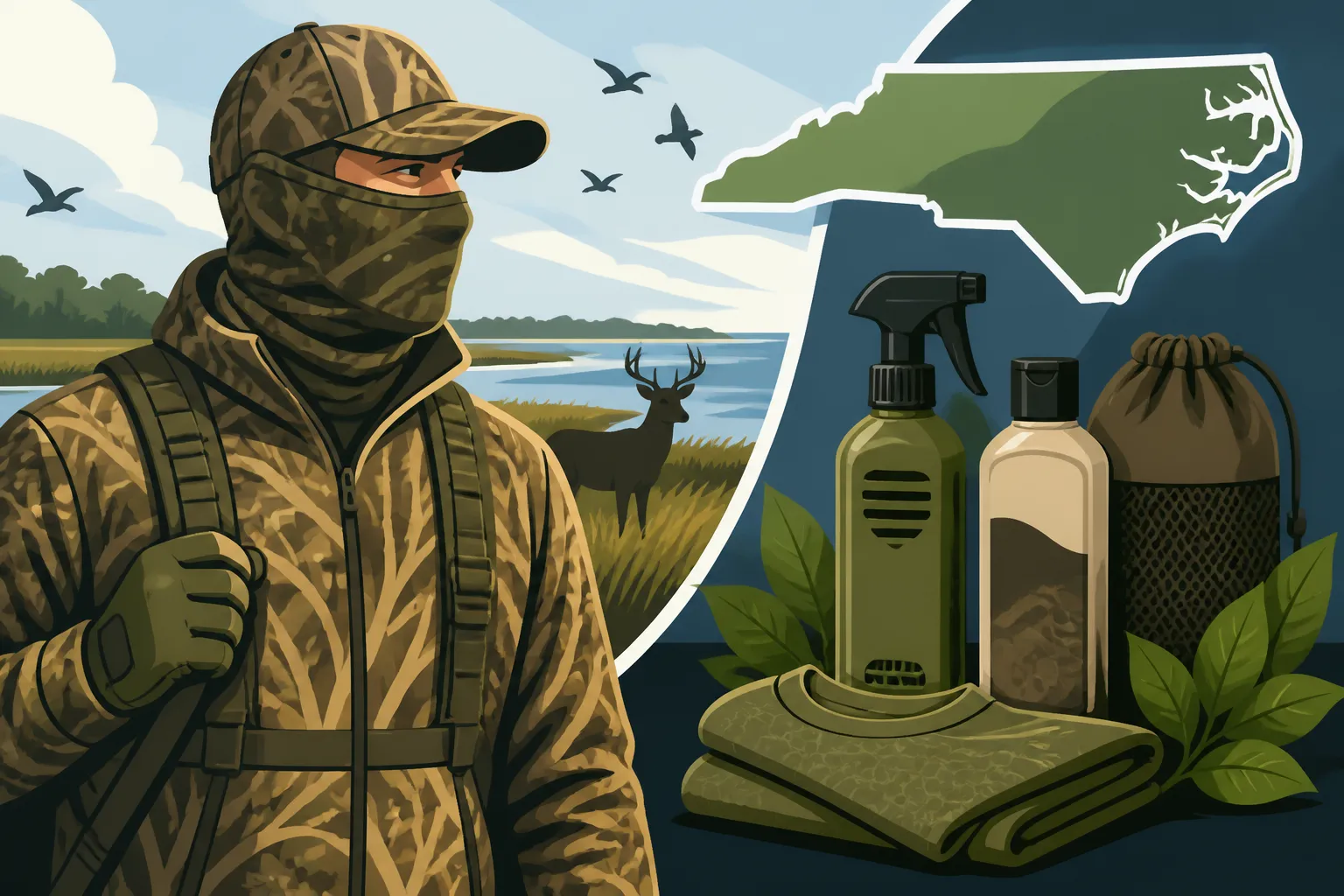
Scent Control Gear for Humid Coastal Hunts
Anyone who has spent a sweltering September morning tucked into a ground blind near a brackish creek or a misty November afternoon waiting in a stand overlooking a pocosin knows the frustration: North Carolina's coastal humidity is a hunter's worst enemy when it comes to scent control. You can shower, spray, and douse yourself in all the "scent killer" on the market, but within minutes of stepping outside, that sticky, heavy air seems to cling to every molecule of human odor, broadcasting your presence far and wide. This guide is dedicated to helping you tackle this unique challenge, offering practical advice and gear considerations specifically for beating the incredible scent-carrying power of a humid coastal hunt.
Why Humidity is Your Scent Control Nightmare
Let's be real, hunting in the North Carolina coastal plain, especially during the early archery season or even a mild gun season, means dealing with air that feels thick enough to chew. This isn't just uncomfortable; it's a huge problem for scent control. When the air is saturated with moisture, like it often is from the Outer Banks down to the Brunswick County marshes, it creates a perfect storm for scent dispersion.
First, your body works harder in humid heat, leading to increased sweat production. Even if you're trying to move slowly and deliberately, that muggy air quickly turns even a short walk into a sweat-drenched affair. Sweat, as we all know, is a major carrier of human scent. But it gets worse. Those tiny water molecules floating in the air actually act like microscopic taxis for your odor. Instead of your scent dissipating quickly into dry air, it hitches a ride on the humidity, hanging heavy and drifting further, carrying your unique "human signature" right into a deer's incredibly sensitive nose. It's like trying to hide a campfire smell on a foggy morning – the fog just holds it there. The dense, still air often found in swamps and low-lying coastal areas only exacerbates this, trapping and concentrating odors rather than allowing them to disperse.
The Coastal Scent Profile: What You're Up Against
Beyond your own personal odor, coastal hunting presents a unique blend of natural smells that can actually work against your scent control efforts. Animals in these areas are accustomed to certain natural smells – the salty tang of the marsh, the earthy decay of fallen leaves and cypress knees, the pungent aroma of pluff mud at low tide. Anything that doesn't fit into that natural symphony is going to stand out like a sore thumb to a deer or bear.
Think about it: a deer that lives its life meandering through tidal creeks and maritime forests has a baseline scent profile for its environment. The smell of the ocean, the specific flora, even the diet of other animals in the area – these are all familiar. When you introduce a foreign odor, whether it's your body odor, laundry detergent, or even the synthetic smell of new gear, it’s a glaring red flag. The coastal environment itself can hold these foreign scents longer too. The damp ground, the thick undergrowth, and the standing water all absorb and retain odors, creating a lingering trail that keen-nosed game animals can easily follow. When I'm looking at potential stand sites in a swampy area, I'll often consult my GoHunt app to check prevailing winds for that specific location, helping me plan my approach to minimize scent detection in these complex scent environments.
Essential Scent Control Gear for Humid Environments
Successfully managing your scent in North Carolina's humid coastal zones requires a strategic approach, blending specialized gear with smart tactics. While no product can make you truly "scent-invisible," the right tools can significantly reduce your footprint.
Moisture-Wicking and Scent-Adsorbing Clothing
The foundation of humid-weather scent control is managing sweat and the odor it produces. Traditional cotton is an absolute no-go; it absorbs moisture, holds it against your skin, and turns into a smelly, heavy mess.
- Base Layers: Invest in high-quality synthetic or merino wool base layers that actively wick moisture away from your skin. Synthetics like polyester or nylon blends are often quick-drying and can be treated with antimicrobial agents to inhibit odor-causing bacteria. Merino wool, while sometimes pricier, is naturally antimicrobial and continues to insulate even when damp, a huge plus for cooler mornings that turn into hot afternoons. Look for lightweight options designed for active use.
- Outer Layers: Your outer layers should also be quick-drying and breathable. Many brands offer clothing infused with activated carbon or zeolite, designed to absorb human odor. While the effectiveness of these materials can be debated, especially after repeated washes or exposure to air, they do offer an additional barrier. For coastal hunting, consider lighter options that won't add unnecessary bulk or heat, allowing your base layers to do their job of wicking sweat. Keep these garments in scent-proof bags until you reach your hunting location.
Scent-Proof Storage and Transport
What good is scent-free clothing if it picks up odors from your truck, your house, or your other gear on the way to the stand? Proper storage is crucial.
- Scent-Proof Bags: Invest in large, durable scent-proof bags or containers. These can range from simple heavy-duty plastic bags with good seals to specialized bags made with carbon-lined fabric. Before you leave the house, all your hunting clothing should be washed in scent-free detergent, completely dried, and immediately sealed in these bags. Don't open them until you're at your final changing spot, ideally near your hunting area.
- Storage Containers: Hard-sided plastic totes with airtight seals can also work well for larger items or multiple sets of clothing. Ensure they are thoroughly cleaned with scent-free soap before use. Some hunters even put a scent-adsorbing wafer or two inside their storage containers to help neutralize any residual odors.
Scent-Eliminating Sprays and Washes
These products aim to either eliminate existing odors or create a barrier against new ones.
- Laundry Detergents: Start with scent-free laundry detergent specifically designed for hunting clothes. Avoid anything with brighteners, dyes, or perfumes, as these will leave behind tell-tale chemical scents. Washing your clothes in untreated well water or rainwater can also be beneficial if you have access, as municipal water often contains chlorine.
- Field Sprays: Once dressed, a good scent-eliminating spray can be applied to your outer layers, boots, and even your backpack. These sprays typically contain enzymes or compounds designed to neutralize odor molecules. Pay particular attention to areas prone to sweating, like armpits and the small of your back. While they won't make you invisible, they can reduce the strength of your scent plume.
- Ozone Generators (Use with Caution): Some hunters use ozone generators in sealed totes with their clothing or even in their vehicles. Ozone is a powerful oxidizer that can neutralize odors. However, it's a controversial topic; prolonged exposure can damage certain materials, and there are health concerns for humans. If you choose this route, research it thoroughly and always follow manufacturer instructions, ensuring it's used in a well-ventilated area and not while you are present. For humid coastal conditions, where air circulation can be poor, the effectiveness of ozone in the field is also highly debatable.
Beyond the Gear: Field Tactics for Scent Management
Even with the best gear money can buy, your scent control efforts will crumble without solid field tactics, especially in North Carolina's challenging coastal environments. Gear is only one part of the equation; understanding how scent travels and how to minimize your impact is paramount.
Playing the Wind and Thermals
In coastal flatlands, wind is often your most critical factor. Unlike mountains where thermals dictate morning and evening air currents, coastal areas can have highly variable winds, influenced by local water bodies, tree lines, and even sea breezes.
- Constant Vigilance: Always be aware of the wind direction. Carry a small squeeze bottle of powder or a milkweed stem to constantly check and re-check the wind. Don't just check it once; check it every 15-20 minutes, or whenever you change position. A subtle shift can carry your scent directly to your target.
- Stand Placement: When selecting a stand site near a creek, swamp, or even a small depression, consider how the air might move. Often, cool morning air will "drain" into low-lying areas, carrying scent with it. As the day warms, thermals may reverse. Position yourself so that your scent blows away from expected deer travel routes. If you're hunting a funnel between two pocosins, understanding how the wind interacts with the thick cover is absolutely critical. Researching on mapping apps like GoHunt can help identify prevailing wind patterns for specific times of day and year in your chosen hunting area.
Strategic Entry and Exit Routes
The journey to and from your stand is where many hunters unknowingly contaminate their hunting area. Every step you take leaves a scent trail.
- Minimize Sweat: Plan your approach to be as easy as possible, especially during warmer times. Walk slowly, take breaks, and avoid carrying excessive gear that will make you overheat. If you can, park your vehicle a bit further away and take a less-traveled route. The less you sweat on the way in, the less scent you'll leave behind.
- Scent Trailing: Try to pick entry and exit routes that avoid bedding areas, feeding zones, or known travel corridors. If you must cross a main trail, do so quickly and efficiently, minimizing your time on it. Some hunters even wear dedicated "travel" boots that they switch out for their hunting boots once they're closer to their stand, leaving the "stinky" boots at the vehicle.
Personal Hygiene and Off-Hunt Scent Management
Scent control starts long before you ever step foot in the woods. What you do in your daily life can significantly impact your hunting success.
- Scent-Free Routine: Shower with scent-free soap and shampoo before every hunt. Use scent-free deodorant. Avoid colognes, perfumes, scented lotions, or strongly scented hair products.
- Tobacco and Food: Avoid smoking or chewing tobacco while hunting, or even immediately before. The smell clings to clothing and skin like nothing else. Similarly, don't eat strong-smelling foods (like onions, garlic, or highly spiced meals) right before a hunt. Your breath can carry these odors, and they can transfer to your hands and then to your gear.
- Vehicle Cleanliness: Your truck or car is a major source of contamination. Keep your hunting clothes in their sealed bags and consider using a car air freshener designed to neutralize odors, not just mask them with flowery scents. Wipe down your steering wheel and other contact points with scent-eliminating wipes.
Boots and Footwear
Your boots are a significant scent culprit, especially in the damp coastal terrain. Think of all the mud, decaying vegetation, and water they trek through.
- Rubber Boots: Rubber boots are almost essential for Hunting Coastal Plain Pocosin Swamps or other low-lying, damp areas. They don't absorb scent like leather or fabric boots do, and they're much easier to clean. Opt for tall rubber boots for walking through standing water or wet marsh grass. Rubber Boots for Swamp Walking is a resource many coastal hunters swear by.
- Cleaning: Thoroughly clean the exterior of your boots with scent-free soap and water after every hunt. Let them dry completely, and then store them in a dedicated scent-proof bag or container. Even the mud clinging to your boots can carry human scent, so diligent cleaning is key.
Here's a quick comparison of some common scent control methods for humid coastal hunting:
| Scent Control Method | How it Works | Pros for Humid Coastal Hunting | Cons |
|---|---|---|---|
| Scent-Free Washes | Removes odors from clothing | Essential first step, removes baseline human scent, no residue | Needs frequent re-washing, effectiveness fades with wear, requires dedicated laundry routine |
| Carbon-Lined Clothing | Adsorbs odor molecules into activated carbon | Can trap odors, some moisture-wicking properties | Effectiveness degrades over time, can get heavy when wet, requires specific "reactivation" methods |
| Field Sprays | Neutralizes or masks existing odors on contact | Quick application, good for last-minute touch-ups | Temporary, needs reapplication, doesn't eliminate all odors, can leave a chemical residue |
| Rubber Boots | Non-porous material prevents scent absorption | Impervious to water and mud, easy to clean, durable | Can be hot and less comfortable for long walks, less breathability |
| Scent-Proof Storage | Creates an airtight barrier for clean gear | Prevents cross-contamination, maintains "clean" scent | Requires discipline to use consistently, can be bulky, adds another step to getting ready |
| Ozone Generators | Oxidizes odor molecules in an enclosed space | Very effective at neutralizing odors in gear and vehicle | Expensive, potential health risks, can damage certain materials, limited field application |
No matter how much gear you have or how meticulous your routine, remember that deer, bears, and other game animals have an incredible sense of smell. Scent control is about reducing your footprint, not erasing it entirely. By combining smart gear choices, like quick-drying base layers and rubber boots, with diligent field tactics like playing the wind and thoughtful entry routes, you stand a much better chance of staying undetected in North Carolina's challenging humid coastal hunting environments. Don't forget that scouting your location with tools like GoHunt can help you plan for wind and thermals, giving you an edge. For other considerations on gear, check out Packs for a Day on Public Land or Boots for North Carolina Swamps and Ridges. You might also find tactics for specific environments in Reading a Tidal Creek for Deer Movement helpful.
Disclaimer
This article is for general informational purposes only and does not constitute professional advice. Laws, prices and regulations vary by location and change over time. Consult a qualified professional for guidance on your specific situation.