Game Bags for Warm September Days
Hunting in North Carolina during September presents a unique set of challenges, especially when it comes to meat care. That early archery or muzzleloader buck you've worked so hard for can quickly spoil if you're not prepared for the heat and humidity that often linger long into the fall. This guide is all about helping you understand why game bags are not just an accessory, but an absolute necessity for preserving your harvest on those warm September days, and how to use them effectively to ensure quality venison for your table.
Why September Heat Demands Proper Game Bags for North Carolina Hunters
Let's be real, stepping into the North Carolina woods in September often feels more like summer than fall. The air hangs heavy with humidity, the sun beats down, and while we're out there sweating, so is that deer you just put down. This isn't the crisp, cool air of a November rut hunt in the mountains; it's a race against time, bacteria, and insects, and without the right preparation, all your effort can literally go to waste.
The Urgency of Cooling and Airflow
The moment an animal is harvested, its internal temperature is still high, often around 100 degrees Fahrenheit or more. In cooler weather, this heat dissipates naturally, but in our warm September climate, it gets trapped, creating a perfect incubator for bacteria. Think about it: if you left a steak on the counter on a warm day, how long would it last? Not long. A whole deer carcass, insulated by hide and muscle, retains heat for hours. Proper game bags are designed to facilitate crucial airflow around the meat, allowing it to cool down as quickly as possible, even if the ambient temperature isn't ideal. This rapid cooling is your primary defense against spoilage.
Protecting Against Insects and Contaminants
Flies, gnats, yellow jackets – they're all out in force in September, and they're immediately drawn to a fresh kill. A single blowfly can lay hundreds of eggs, and within hours, those eggs can hatch into maggots, rendering portions of your hard-won venison inedible. Game bags act as a physical barrier, keeping these unwelcome guests off your meat. Beyond insects, game bags also protect against dust, dirt, leaves, and other debris that can contaminate the meat during field dressing and transport, especially when you're dragging a deer through thickets or loading it into a vehicle. It's about keeping things as clean as possible from the moment the animal hits the ground.
Avoiding the Mistakes of Plastic and Tarps
I've seen it happen too many times: a hunter gets a deer down in early season, field dresses it, and then wraps it in a plastic tarp or puts the quartered meat directly into a trash bag to get it out of the woods. While the intention might be to keep it clean, this is one of the worst things you can do in warm weather. Plastic acts like a giant insulator, trapping any remaining heat and moisture right against the meat. It suffocates the natural cooling process and creates a humid, anaerobic environment where bacteria thrive at an accelerated rate. You'll often find a slimy, smelly mess when you unwrap it later, a heartbreaking lesson learned the hard way. Game bags, unlike plastic, are breathable, allowing the meat to "sweat" and cool while keeping it covered.
Choosing the Right Game Bags for Your North Carolina Hunt
Not all game bags are created equal, and selecting the right ones for North Carolina's early season can make a huge difference in the outcome. You need something durable enough to withstand the rigors of the woods but breathable enough to do its job.
Material Matters: Cotton, Synthetic, or Hybrid?
When you're looking at game bags, you'll primarily find three types of materials, each with its own benefits:
- Traditional Cotton Bags: These are often the most affordable and have been used for generations. They're breathable and decent for short-term protection, but they can be heavy when wet, absorb blood, and are harder to clean thoroughly. While they do offer some airflow, their weave might not be as tight as synthetics, potentially allowing smaller insects or dust through. If you're going with cotton, make sure they're a tight weave.
- Synthetic Bags (e.g., Polyester, Nylon Blends): These are increasingly popular and often the preferred choice for warm weather. They are lightweight, highly breathable, and typically have a very tight weave that keeps out even the smallest gnats and flies. They are also much easier to wash and reuse, don't absorb blood as much, and dry quickly. Many synthetic bags are treated with food-grade repellents or mild anti-microbial agents, adding another layer of protection. Brands like T.A.G. Bags or Alaskan Game Bags are popular for their durable, breathable synthetic options.
- Hybrid or Specialty Bags: Some manufacturers combine materials or offer specialized features. For instance, some bags might have a heavier, reinforced bottom for dragging resistance, while the upper portion remains highly breathable. Others might come with built-in tie strings, or reflective strips for easier visibility if you're retrieving meat after dark. Consider these if you're looking for specific advantages that fit your hunting style.
Size and Quantity: What Do You Really Need?
The size of your game bags depends on how you plan to process your deer in the field. For a typical North Carolina whitetail, you have a few options:
- Whole Carcass Bag: If you're only field dressing (gutting) the deer and plan to transport it whole back to camp or your processor, you'll need one large bag that can completely enclose the animal. These are often used when you have a short drag or a quick recovery to a vehicle, and you want to keep the hide on for insulation during transport. However, keeping the hide on also traps heat, so this method is only recommended if you can get the deer into a cooler environment very quickly.
- Quarter Bags: This is often the best option for early season North Carolina hunts, especially if you're hunting solo or have a longer retrieve. After field dressing, you can quarter the deer in the field, separating each leg (front and back), the backstraps, and the tenderloins. This usually requires 4-5 individual game bags. Quartering significantly reduces the bulk and weight, making it easier to pack out the meat. More importantly, it exposes more surface area to the air, allowing for much faster cooling. This is the method I strongly recommend for those warm September hunts.
- Boned-Out Bags: For really tough retrieves, steep terrain in the mountains, or maximum cooling, you can bone out the meat in the field. This means removing all meat from the bone, which significantly reduces weight. You'll still need several smaller game bags for the boned-out muscle groups, often 6-8 bags. This method offers the quickest cooling due to increased surface area and reduced mass.
When planning, I always advise carrying at least 4-5 quality quarter-sized bags for a deer, plus a smaller bag for backstraps and tenderloins. It's better to have too many than not enough. If you’re using a planning tool like GoHunt, you can even mark potential quartering spots on your map, helping you visualize your extraction route and ensure you have the right gear for the job.
| Game Bag Type | Material Advantages | Best Use Case | Consideration in NC September Heat |
|---|---|---|---|
| Whole Carcass Bag | Simple, quick to deploy, covers entire animal. | Very short drags, immediate transport to cold storage/processor. | Not recommended unless extremely fast cooling is possible; traps heat. |
| Quarter Bags | Breathable, protective, good for packing out. | Field quartering, easier transport, significantly faster cooling. | Highly recommended for maximum airflow and cooling efficiency. |
| Boned-Out Bags | Lightest weight, maximum airflow, ultimate cooling. | Long, difficult retrieves (e.g., deep in Pisgah National Forest Hunting), immediate processing. | Excellent choice for critical cooling and ease of packing. |
| Synthetic Blends | Durable, lightweight, tight weave, easy to clean. | All field processing methods. | Superior for insect protection and breathability. |
| Cotton Bags | Affordable, traditional, decent breathability. | Budget-friendly option, but less durable and harder to clean. | Acceptable if tight weave, but synthetics are better for protection. |
Essential Tactics for Using Game Bags Effectively in Warm Weather
Having the right game bags is only half the battle. Knowing how to use them correctly in challenging conditions like North Carolina's September heat is crucial for successful meat preservation.
Speed and Cleanliness in the Field
The clock starts ticking the moment your animal is down. Your priority should be to field dress the animal as quickly and cleanly as possible. This means removing the entrails to allow the core body temperature to begin dropping immediately. Carry a good quality, sharp knife, like those often reviewed in outdoor publications, and perhaps a pair of latex gloves for hygiene. Once field dressed, if you're quartering, do so systematically. Separate the front shoulders, then the hindquarters, and finally the backstraps and tenderloins. Field Dressing Knives Worth Carrying are a crucial part of this process. The goal is to expose as much surface area of the meat to the air as possible. Wipe away any excess blood or dirt with a clean cloth or paper towels you brought along.
Proper Bagging and Air Circulation
Once the meat is quartered or boned out, immediately place each piece into its own game bag. Don't try to cram multiple quarters into one bag if they won't fit loosely. The key here is air circulation. Cinching the bags tight around the meat will negate the benefit of the breathable material. You want the bag to act like a loose "skin" around the meat, allowing air to pass over the surface. Tie the bags securely but not tightly. If you're leaving the hide on, use a whole carcass bag, but elevate the deer off the ground using logs or rocks to promote air circulation underneath. Never lay a deer directly on hot ground or a vehicle bed, even in a game bag; it will hinder cooling.
Getting the Meat Cooled Down – Fast!
This is where the race against time really intensifies. After bagging, you need to get that meat into a cooler environment as quickly as possible. This might mean:
- Packing it out to a vehicle with air conditioning: If you're fortunate enough to have a short drag, get those bagged quarters into your truck's cab with the AC blasting. This isn't ideal for long, but it buys you precious time.
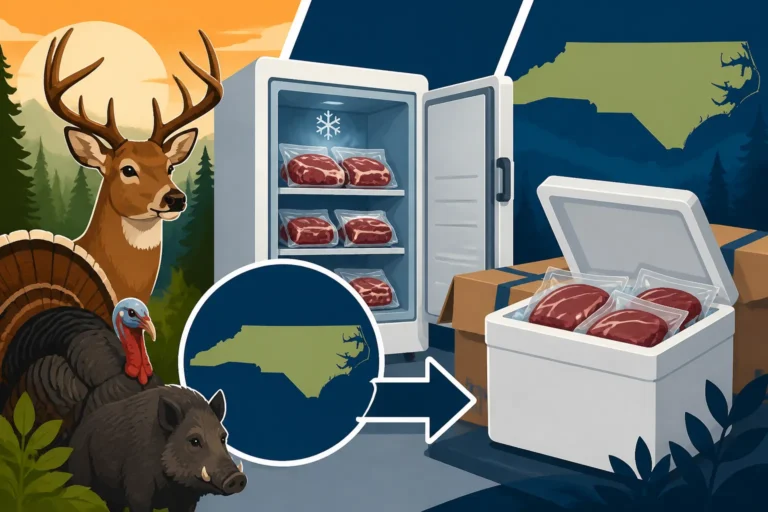
- Loading into pre-chilled coolers: Have coolers filled with ice, ready and waiting at your vehicle or camp. Layer the ice on the bottom, then place the bagged meat on top, ensuring there's plenty of contact with the ice. You can even use frozen water bottles or gel packs to supplement if you're worried about direct contact with melting ice.
- Submerging in an ice bath: For ultimate rapid cooling, once you get the bagged meat home or to camp, you can submerge the bagged quarters in a cooler filled with ice water. The water provides maximum surface area contact with the cold, drawing heat out very quickly. The game bags will keep the meat from getting waterlogged.
If you're facing a long pack out, especially in mountain terrain or through a Hunting a Funnel Between Two Pocosins in the Coastal Plain, consider making multiple trips with smaller loads. Every minute that meat spends in the heat increases the risk. A good hunting app or mapping tool like GoHunt can help you plan your extraction route to minimize travel time and maximize efficiency, which is absolutely vital in warm weather. You can map out the quickest, least strenuous path back to your vehicle or a pre-staged cooler.
Beyond the Bag: Maximizing Meat Care from Field to Cooler
While game bags are indispensable, they're part of a larger strategy to ensure your venison is top-notch. Thinking through the entire process, from the shot to the freezer, is what separates good meat from great.
Prompt Processing and Storage
Once you've got those bagged quarters into your coolers on ice, the job isn't over. The meat needs to be fully processed within a reasonable timeframe. Depending on how cold you can keep your cooler and how much ice you have, this usually means within 24-48 hours. If you're dropping it off at a processor, get it there immediately. If you're butchering it yourself, plan to do so as soon as the meat has adequately cooled. Many hunters will leave bagged quarters on ice for a day or two to allow for some aging, but this must be done with diligent ice management to keep temperatures consistently low. Regularly drain any melted water and replenish ice. Coolers for an Early Archery Kill are just as important as the bags themselves.
Field Care for Remote Hunts
For those deep woods hunts in places like Nantahala National Forest Hunting, where you might be miles from the nearest road, you'll need to be even more strategic. Quartering and boning out is almost always the best option. Carry a lightweight frame pack specifically designed for hauling meat. Some hunters even bring a small, lightweight tarp to lay the meat on during the boning process to keep it clean. You might need to cache water bottles to help cool yourself down, but definitely think about how you'll get that meat out efficiently. The more remote the hunt, the more critical your game bags and cooling strategy become.
Keeping Your Game Bags Ready for Next Time
Investing in good quality game bags means you'll want to take care of them. After each use, wash them thoroughly. Most synthetic bags can be tossed in a washing machine on a gentle cycle with a mild detergent (avoid strong bleaches or fabric softeners, as they can break down fibers or leave scents). Hang them to air dry completely to prevent mildew. Store them in a dry, scent-free place, ready for your next hunt. Having clean, functional game bags on hand ensures you're always prepared, especially for those unexpected early season opportunities. Proper maintenance not only extends their life but also prevents contamination of future harvests.
Remember, the goal is always to respect the animal and make the most of the harvest. Those warm September days in North Carolina don't have to ruin your venison, but they do require a little extra planning and the right gear.
Disclaimer
This article is for general informational purposes only and does not constitute professional advice. Laws, prices and regulations vary by location and change over time. Consult a qualified professional for guidance on your specific situation.