Deer Carts on Forest Roads
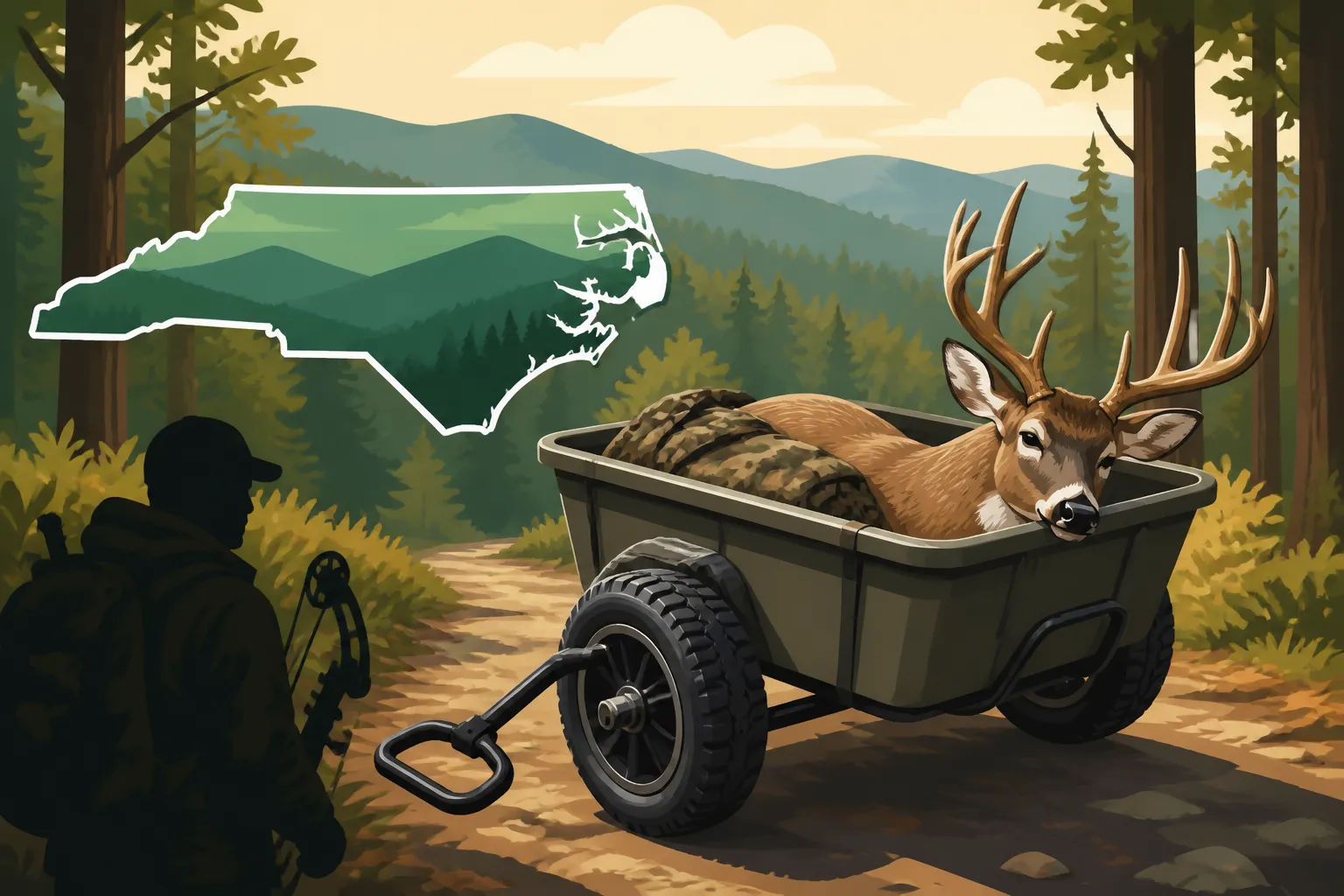
Successfully harvesting a deer in North Carolina is an incredible feeling, but the immediate joy often gives way to the daunting reality of getting your prize back to the truck. Many seasoned hunters know the sheer exhaustion of dragging a heavy deer through thick undergrowth, across creeks, and over hills, especially when you're miles deep on public land. This guide will explore how a well-chosen deer cart can transform that brutal recovery into a manageable task, specifically designed for navigating the diverse conditions of North Carolina's forest roads and trails.
Why Deer Carts Are Essential for North Carolina Hunters
North Carolina's hunting landscape is as varied as its geography, ranging from the rugged peaks of the Blue Ridge Mountains to the dense, swampy pocosins of the Coastal Plain. While some fortunate hunters might tag a deer close to an accessible path, more often than not, the animal goes down in a spot that feels impossibly far from any easy egress. This is where a deer cart becomes not just a convenience, but a critical piece of gear.
The Reality of North Carolina Terrain
Think about where you often find deer in North Carolina. In the mountains, you're dealing with steep inclines, rocky trails, and often uneven forest floors carpeted in leaf litter that can hide all sorts of ankle-twisting obstacles. Trying to drag a deer down a mountainside can be hazardous, both for you and for potentially damaging the meat. The Hunting the North Carolina Mountains experience often involves significant elevation changes.
Then you have the Piedmont, with its rolling hills, mixed hardwoods, and agricultural fields. While generally less extreme than the mountains, you still encounter ditches, muddy tractor paths, and unexpected rises. Finally, the Coastal Plain and Sandhills present their own challenges: sandy soil that saps your energy with every step, deep ruts from logging trucks, and sometimes standing water or thick, thorny briar patches that make dragging a deer an absolute nightmare. A cart helps lift the deer above these ground-level impediments, allowing you to cover ground much more efficiently and with less direct struggle against the elements.
Minimizing Physical Strain and Maximizing Efficiency
Let's be honest, hunting is physically demanding enough without adding an hour-long, full-body workout dragging a deer. Hauling an animal by hand can lead to strained backs, pulled muscles, and utter exhaustion, which not only makes the process miserable but also raises safety concerns, especially if you're hunting alone. A deer cart, effectively a specialized game dolly, leverages simple physics to distribute weight and reduce friction, allowing one or two hunters to transport a deer with significantly less effort.
Imagine a situation where you've just taken a deer on a chilly December morning. You've field-dressed it, as you should, but it's still a substantial weight. Instead of muscling it over downed logs and through thickets, a sturdy cart lets you roll it. This not only saves your back but also speeds up the extraction process. Time is often of the essence, especially if temperatures are rising, and getting your deer cooled down quickly is paramount for meat quality. The faster you can move it, the better. Plus, if you're concerned about how far you'll need to walk from your vehicle, a cart makes it feasible to venture further into prime areas without dreading the return trip. Understanding How Far to Walk From a Forest Road becomes less daunting with a cart.
Public Land Regulations and Access
North Carolina boasts a vast network of public hunting lands, including national forests and game lands, many of which have extensive systems of forest roads. However, these roads vary wildly in their accessibility. Some are well-maintained gravel roads, others are merely old logging paths that are overgrown or rarely graded. Many are gated to vehicular traffic, requiring you to hike in.
A good deer cart is designed to navigate these non-vehicular roads. While you can't drive your truck past a locked gate, you can push or pull a cart. It’s crucial to understand the Vehicle Rules on North Carolina Public Land for the specific game land or national forest you're hunting. Some areas might permit ATVs or UTVs during specific seasons for game retrieval, but a cart is almost universally allowed on foot-access-only roads and trails. This makes a deer cart an indispensable tool for accessing those less-pressured areas that often hold bigger, older deer that shy away from easily accessible spots. Always check local rules; a quick check of the NC Wildlife Resources Commission's "GoHunt" portal can often provide specifics on game land regulations, including access for game retrieval.
Choosing the Right Deer Cart for Your North Carolina Hunts
Selecting a deer cart isn't a one-size-fits-all decision. The best cart for you will depend on the type of terrain you most frequently hunt, the size of game you're after, and your personal preferences for durability and features.
Wheel Types and Terrain Suitability
The wheels are arguably the most critical component of a deer cart, as they dictate its performance across varying terrain.
- Pneumatic (Air-Filled) Tires: These are the most common type and for good reason. Pneumatic tires offer excellent shock absorption, allowing the cart to roll smoothly over rocks, roots, and uneven ground. They provide better traction in mud and soft soil and cushion the load, which can be beneficial for the deer's meat. They come in various sizes, with larger diameter wheels generally performing better over obstacles. The downside? They can go flat, so carrying a small repair kit or knowing how to patch a tube is a smart move. A cart with robust pneumatic tires, like those often found on high-quality utility carts, will handle the varied conditions from the gravel roads of the Uwharrie National Forest to the sandy tracks of the Sandhills Game Land with relative ease.
- Solid Rubber Tires: Less common but gaining traction, solid rubber tires eliminate the risk of flats. They are virtually maintenance-free and can be a good option for those who want ultimate reliability. However, they offer less cushioning, leading to a bumpier ride, and typically have less traction on soft or muddy ground. They can also be heavier. For hunters primarily sticking to well-maintained forest roads or short, firm trails, solid tires might be adequate, but for rugged off-road use, pneumatics usually win out.
- Spoke vs. Mag Wheels: This refers to the construction of the wheel itself. Spoke wheels, similar to bicycle wheels, are generally lighter but can be more prone to damage from side impacts or heavy loads if not well-maintained. Mag wheels (solid or composite) are heavier but incredibly durable and less likely to bend or break. For the rough and tumble nature of North Carolina hunting, especially if you anticipate heavy loads or rough trails, mag wheels often provide a more robust solution.
Frame Construction and Durability
The cart's frame needs to be sturdy enough to handle the weight of a mature North Carolina whitetail, which can easily exceed 150-200 pounds field-dressed, plus any additional gear you might strap on.
- Aluminum Frames: Known for being lightweight and rust-resistant, aluminum frames are great if you have to carry the cart for any distance before using it, or if you simply want to reduce the overall weight you're pushing. While strong, they can be more susceptible to bending or breaking under extreme stress compared to steel. However, modern aluminum alloys are very strong, and many high-quality carts utilize them effectively.
- Steel Frames: Steel offers superior strength and rigidity, making it incredibly durable and capable of handling heavier loads without flexing. The trade-off is weight; steel carts are noticeably heavier than their aluminum counterparts. They are also susceptible to rust if the paint or coating chips, so proper care is essential. For hunters who prioritize maximum hauling capacity and brute strength, especially when dealing with the possibility of larger deer or even bear cubs, a steel-framed cart is a solid choice. Always check the manufacturer's stated weight capacity; an extra-large buck taken during the North Carolina's Gun Deer Season by Zone could push some limits.
Key Features and Accessories
Beyond the basic frame and wheels, several features can significantly enhance a cart's utility and user experience.
- Foldability: Many carts are designed to fold flat for easy storage and transport in your truck or ATV. This is incredibly convenient, as it saves space and allows you to bring the cart along without it becoming a cumbersome obstacle. Look for quick-release pins or intuitive folding mechanisms.
- Securing Straps/Bungees: Integrated straps or attachment points for bungee cords are crucial for securing your deer to the cart. You don't want your prize slipping off halfway down a rocky trail. Some carts come with heavy-duty cam-buckle straps, which are often more reliable than bungee cords for larger, heavier loads.
- Brakes: While not universal, some higher-end carts feature hand brakes, which can be a lifesaver when navigating steep downhill sections, especially in the mountains. This prevents the cart from running away from you and helps maintain control.
- Handle Design: Ergonomic handles that are comfortable to grip, even with gloves on, are important. Some carts offer adjustable handle heights, which can be a real plus for hunters of different statures. A wide handle also provides better leverage and control.
- Gear Basket/Bag: Some carts include a small mesh basket or bag that attaches to the frame, allowing you to carry your pack, rifle, or other gear while the main platform is used for the deer. This can be a huge bonus, especially on a long haul where you're already loaded down. You'll still want your Packs for a Day on Public Land for the initial hunt, but consolidating gear for the trip out is great.
Strategies for Using a Deer Cart on North Carolina Forest Roads
Having the right deer cart is just the first step; knowing how to use it effectively on North Carolina's varied terrain will make all the difference.
Pre-Hunt Scouting and Route Planning
The work for using your deer cart actually begins before you even step foot in the woods with your weapon. Smart hunters know that scouting isn't just about finding deer sign; it's also about planning your extraction route. Before the season, or even the morning of your hunt, take some time to evaluate the forest roads and potential trails in your hunting area.
- Map Reconnaissance: Utilize mapping tools like the NC Wildlife Resources Commission's public access map or apps like "GoHunt." Look for old logging roads, utility line clearings, or fire breaks that might not be visible from the main access points. These often provide the easiest, most cart-friendly routes. Pay attention to contour lines for elevation changes. If you're going into an area like Pisgah National Forest, understanding the topography is paramount.
- Ground Truthing: Nothing beats boots on the ground. Walk those potential extraction routes. Note any major obstacles like deep washouts, excessively muddy sections, or fallen trees that would block your cart. If a road is too steep or too rocky for a cart, you'll want to know that before you're standing over a deer at last light. It's also a great time to familiarize yourself with public land boundaries using Finding North Carolina Property Lines to ensure you're always on legal ground.
- Exit Strategy: Always have a primary and secondary exit strategy. What if your planned route is unexpectedly blocked or becomes impassable after a heavy rain? Having an alternative can save you hours of frustration and effort. If you're in a zone that requires reporting your deer, like those detailed in North Carolina Deer Reporting Requirements, knowing your route out helps ensure a timely harvest check-in.
Loading and Securing Your Harvest
Proper loading is crucial for both ease of transport and the stability of your cart. A poorly loaded cart can tip, roll, or make your effort exponentially harder.
- Field Dressing First: Always field dress your deer before loading it onto the cart. This removes significant weight and allows the carcass to cool faster, which is vital for meat preservation, especially during warmer early seasons. If you're hunting in colder weather, you might want to review Field Dressing a Deer in Cold Weather tips before heading out.
- Head-First or Feet-First? For most carts, loading the deer head-first is often the most stable option, especially if the cart has a slightly wider end at the handle. This puts the heaviest part (shoulders/neck) closer to the main axle, distributing weight better. However, experiment to see what works best with your specific cart and the size of your deer.
- Centering the Weight: The key is to center the deer's weight over the cart's axle. If the weight is too far forward, it will push down on the handles and make it difficult to lift and maneuver. Too far back, and the cart will want to tip backward. Adjust the deer's position until you find that sweet spot where the cart feels balanced.
- Securing with Straps: Use robust straps – ideally cam-buckle straps – to firmly secure the deer to the cart's frame. Crisscross the straps to prevent shifting. Don't rely solely on bungees for the main load, as they can stretch and allow the deer to bounce or slide. Bungees are fine for securing extra gear, but for the deer, you want maximum stability. Run the straps tightly over the chest and hindquarters, ensuring the legs are tucked in and not dangling.
Navigating Different Road Conditions
North Carolina's forest roads can surprise you, even in a short distance. Be prepared for changes.
- Gravel Roads: These are generally the easiest. Push or pull your cart steadily. On slight inclines, you might need two people, or take frequent breaks if alone. If pulling, ensure your pulling harness is secure and comfortable.
- Muddy Sections: Mud is the bane of any hunter's extraction efforts. If you encounter deep mud, try to walk around the deepest parts, staying on higher ground if possible. If you must go through, keep the cart moving. Momentum is your friend. Large pneumatic tires excel here. Be mindful of ruts created by other vehicles; sometimes riding the edge of a rut is better than trying to push through the center.
- Inclines and Declines: This is where good brakes on a cart shine. On declines, let the cart lead you, controlling its speed with the brakes. If no brakes, brace yourself and take slow, deliberate steps. On inclines, it's often easiest to pull the cart, using your legs and core. If it's a very steep hill, you might have to unload some of your additional gear first or even break the deer down further if allowed and feasible. Taking breaks is essential to prevent overexertion.
- Obstacles: Fallen logs, large rocks, or roots require careful navigation. You might need to lift and pivot the cart over smaller obstacles. For larger ones, you may have to temporarily remove the deer, move the cart, and then reload, though this should be avoided if possible. A large diameter wheel helps roll over many smaller obstacles that would stop a smaller wheel. Remember, if you lose cell service, which often happens in remote parts of Nantahala National Forest Hunting, you want a solid plan.
Maintenance and Longevity of Your Deer Cart
A deer cart is an investment that, with proper care, can last you many hunting seasons. Neglecting it after a grueling hunt will significantly shorten its lifespan.
Post-Hunt Cleaning and Inspection
As soon as you get your deer unloaded, it's time to show your cart some love.
- Wash It Down: Deer blood, mud, and grime can be corrosive and attract pests. Use a hose and brush to thoroughly clean the entire cart. Pay special attention to the frame joints, axles, and wheel hubs where dirt can accumulate. A little dish soap can help cut through stubborn grease and blood.
- Dry Completely: After washing, make sure to dry the cart completely, especially if it has steel components. Air drying is usually sufficient, but a towel can speed up the process. This prevents rust formation.
- Inspect for Damage: Take a moment to inspect the frame for any bends, cracks, or loose bolts. Check the wheels for spokes that might be bent or broken, or mag wheels for cracks. Examine the tires for punctures or excessive wear. Look at the handle grips for tears and the securing straps for fraying. Addressing small issues immediately prevents them from becoming major problems later. If you find a compromised component, many manufacturers offer replacement parts.
Tire Care and Inflation
For pneumatic tires, proper inflation is key to performance and longevity.
- Check Pressure Regularly: Before each hunt, check the tire pressure. Under-inflated tires increase rolling resistance, make the cart harder to pull, and are more prone to flats from pinch flats (where the tube gets pinched between the rim and an obstacle). Over-inflated tires can reduce traction and make the ride bumpier. Your cart's wheels will typically have the recommended PSI printed on the sidewall.
- Patching and Repair: Carry a small bicycle tire repair kit or an air pump in your truck. Knowing how to patch a tube can save your hunt if you get a flat miles from your vehicle. Consider a small bottle of tire sealant for added protection against minor punctures.
- Valve Stems: Ensure the valve stems are in good condition and have their caps on to prevent dirt and moisture from entering and causing leaks.
Storage Tips to Prevent Wear and Tear
How you store your cart during the off-season or between hunts significantly impacts its condition.
- Clean and Dry: Always store your cart clean and dry. This cannot be emphasized enough.
- Indoor Storage: Whenever possible, store your cart indoors, in a garage, shed, or basement. This protects it from the elements – rain, sun, and extreme temperatures – which can degrade materials over time. UV rays can weaken plastic components and rubber tires, while moisture can lead to rust.
- Fold if Possible: If your cart folds, store it folded to save space. Hang it on a wall if you have the vertical space, keeping it off the floor and away from potential dampness.
- Elevate Off Ground: If storing on a concrete floor, it's a good idea to place the tires on a piece of wood or cardboard. Concrete can draw moisture from rubber over long periods, potentially leading to dry rot.
- Lubrication: Periodically apply a light lubricant, like silicone spray, to moving parts such as axle bearings and folding mechanisms. This helps prevent rust and ensures smooth operation when you need it most.
By investing in a quality deer cart and taking the time to properly maintain it, you'll be able to enjoy the challenge and reward of North Carolina deer hunting without dreading the physical toll of extraction. It’s an investment in your hunting comfort and success for years to come.
Disclaimer
This article is for general informational purposes only and does not constitute professional advice. Laws, prices and regulations vary by location and change over time. Consult a qualified professional for guidance on your specific situation.