Cut Vests and Gear for Hound Dogs
For those of us who hunt with dogs in North Carolina, whether it's chasing bears through dense pocosins, running down feral hogs in thick cut-overs, or pursuing rabbits through tangled fencerows, the safety and well-being of our canine partners are paramount. We send them into some of the toughest, most unforgiving terrain the Old North State has to offer, and it's absolutely heartbreaking to see them get injured. This guide is all about understanding the crucial role of cut vests and other essential gear to keep your hound dogs protected, visible, and traceable in the field, helping you minimize risks and maximize their safety during those intense hunts.
Why Cut Vests Are Essential for Your North Carolina Hound
Let's be real, North Carolina's woods are not always a gentle stroll in the park for our four-legged hunting companions. From the dense, thorny undergrowth of the coastal plain to the rocky, briar-choked slopes of the mountains, hounds face constant threats. A quality cut vest isn't just an accessory; it's a vital piece of personal protective equipment for your dog, much like your own blaze orange. It’s about giving them a fighting chance against the hazards they encounter every time they hit the track.
Protection from Boar and Predators
When your hounds are on the trail of a big boar, the excitement is palpable, but so is the danger. Feral hogs are notoriously tough and can inflict severe, often fatal, wounds with their tusks. A boar can spin and charge in an instant, and without protection, a dog's chest and belly are completely exposed. A good cut vest provides a crucial barrier, absorbing or deflecting the brunt of a tusker's strike. While no vest is 100% impenetrable, it significantly reduces the likelihood of a deep laceration or puncture, buying your dog precious time and potentially saving its life. Similarly, though less common, encounters with coyotes or even black bears can be dangerous for smaller hounds, and a vest offers an added layer of defense against bites or swipes.
Protection from Briars and Rough Terrain
Beyond the threat of game animals, simply navigating North Carolina's diverse habitats presents its own challenges. Imagine your dog crashing through a Rhododendron thicket in the mountains, scrambling over downed timber in a recent clear-cut, or plowing through a dense pocosin swamp choked with greenbrier. These environments can leave a dog’s hide shredded and bleeding, leading to infections, discomfort, and premature exhaustion. A robust cut vest acts like armor, shielding the sensitive underbelly and flanks from thorns, sharp sticks, and abrasive vegetation. This protection allows your dog to hunt harder and longer, reducing minor injuries that accumulate over a season and keeping them in top condition. It also means less time spent patching up cuts and scrapes after a long day in the field, letting you focus on the hunt itself.
Visibility and Identification
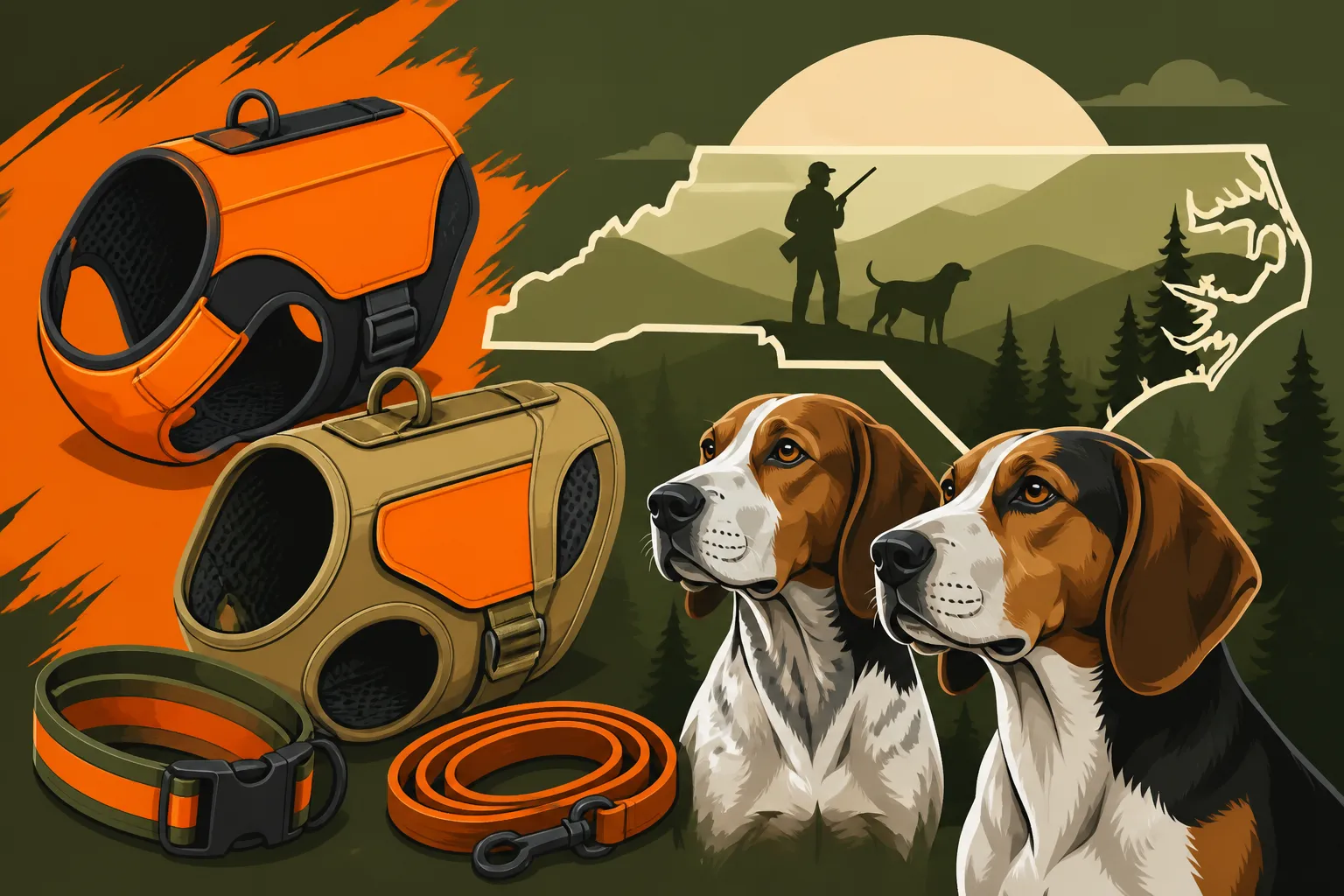
In the thick woods, especially on public lands where other hunters might be present, visibility is a huge concern. A brightly colored cut vest, often in blaze orange or yellow, makes your hound stand out against the natural backdrop. This is critical for preventing accidental shootings, as it allows other hunters to clearly identify your dog as a non-target animal. Many vests also incorporate reflective strips, which are invaluable when tracking dogs after dark, a common occurrence when a chase runs long. Furthermore, many vests have dedicated pockets or attachment points for owner identification, ensuring that if your dog gets separated from the pack and picked up by a well-meaning local, they can easily contact you. Hunting Pressure on North Carolina Public Land means we always need to be thinking about safety.
Types of Cut Vests and Their Features
The market for dog cut vests has grown considerably, offering a range of options designed to meet different needs and budgets. Understanding the materials and construction is key to choosing the right vest for your specific hunting style and the challenges your hounds face in North Carolina.
Materials: Kevlar, Cordura, and Layered Fabrics
When it comes to materials, durability and cut resistance are paramount. Many high-quality vests incorporate aramid fibers, most famously Kevlar, which is renowned for its strength-to-weight ratio and ability to resist punctures and lacerations. These vests are often lightweight but offer exceptional protection where it's needed most – typically across the chest and flanks. Another common material is Cordura, a highly durable nylon fabric known for its abrasion resistance. While not as cut-resistant as Kevlar, it's excellent for protecting against briars, snags, and general wear and tear, and it’s often used in conjunction with more protective layers or as the outer shell. Some of the most effective vests combine multiple layers of different materials, creating a composite barrier that can withstand significant abuse. For instance, an outer layer of heavy-duty Cordura might be backed by several layers of aramid or other proprietary anti-cut fabrics, often with a soft inner lining for comfort. When you're scouting areas with a tool like GoHunt, you can anticipate the type of cover your dogs will be working, which helps inform your material choice.
Designs: Full Chest, Partial, and High-Visibility
The design of the vest dictates how much of your dog's body is protected. Full chest vests, which cover a significant portion of the dog's rib cage and belly, are often preferred for hog hunting or in areas with extreme undergrowth. They offer maximum protection but can sometimes be warmer and slightly more restrictive. Partial vests, sometimes called "belly protectors," focus primarily on the underside, which is most vulnerable to tusks and low-lying obstacles. These can be lighter and offer more freedom of movement, ideal for faster dogs or less extreme conditions. Then there are vests that prioritize high visibility, with large swaths of blaze orange, yellow, or even blaze pink fabric, sometimes combined with reflective elements. These are excellent for general safety, especially when Running Hounds Where North Carolina Allows It on public or heavily trafficked private lands. The best design for you will depend heavily on the specific game you're pursuing and the type of terrain. For Hunting North Carolina's Year-Round Feral Hogs, full chest protection is often a non-negotiable.
Closure Types: Buckles, Velcro, and Zippers
How a vest secures to your dog is crucial for both fit and function. You want something that stays put, is easy to put on and take off, and won't chafe. Buckle systems are very common, offering secure and adjustable fit. They tend to be durable and hold up well to abuse, though they can sometimes accumulate mud or debris. Velcro closures provide quick on-and-off convenience and allow for a very custom, snug fit. However, heavy use in muddy or briar-filled environments can degrade Velcro's effectiveness over time, as it can get clogged with debris or lose its grip. Zippers are another option, often used in conjunction with buckles or Velcro for added security. They offer a very streamlined fit but can sometimes be tricky to operate with muddy hands or if the dog isn't completely cooperative. Many modern vests use a combination, such as a zipper for the main closure with a few adjustable buckles to fine-tune the fit, providing both security and ease of use.
Other Essential Gear for North Carolina Hound Dogs
While cut vests are critical, they are just one piece of the puzzle. Houndsmen in North Carolina rely on a suite of other tools and accessories to keep their dogs safe, track them effectively, and ensure a successful hunt.
GPS Tracking Systems
In the vast tracts of North Carolina's public lands, or even extensive private holdings, a dog can quickly disappear over a ridge or into a dense swamp. GPS tracking systems are arguably the most important piece of gear after the vest itself. These systems typically involve collars equipped with GPS transmitters that send signals to a handheld receiver or a smartphone app. Modern systems offer real-time tracking, showing your dog's exact location, speed, and even direction of travel. Many also have geofencing capabilities, alerting you if a dog ventures beyond a pre-defined area. This technology not only helps you find a dog that's run far but also allows you to monitor the chase, understand dog behavior, and anticipate where they might push game. When you consider the sheer size of areas like the Croatan National Forest or the challenges of Hunting Coastal Plain Pocosin Swamps, a reliable GPS system is not just a convenience; it's a necessity for safe recovery. Systems like those mentioned in GPS Collars for North Carolina Bear Hounds are indispensable.
Bells and Reflective Collars
Beyond electronic tracking, low-tech solutions still play a vital role. Bells attached to collars serve two main purposes: auditory tracking and signaling. When dogs are working through thick cover, you can often hear the distinct jingle of their bells long before you see them. This is especially helpful in heavy fog or at last light. It also helps you differentiate between your dogs and any wild animals they might be working. Reflective collars, often incorporated into or worn alongside GPS collars, enhance visibility, particularly in low-light conditions. These collars, especially those with reflective tape, can catch the beam of a flashlight or headlamp, making it much easier to spot a dog that’s near a road or in dense woods after dark. This added layer of visibility complements a brightly colored vest and is crucial for overall safety.
First Aid and Emergency Supplies
Every houndsman should carry a comprehensive first-aid kit specifically designed for dogs. Accidents happen, and being prepared to address common injuries quickly can make all the difference. Your kit should include items like antiseptic wipes, bandages, medical tape, sterile pads, tweezers (for thorns or ticks), a tourniquet, pain relief suitable for dogs (consult a vet for specifics), and any personal medications your dog might need. Consider adding a styptic powder to stop bleeding from minor cuts. It’s also wise to carry a sling or blanket to help move an injured dog out of difficult terrain. Having a plan for how to access veterinary care, especially when hunting in remote areas, is just as important as the supplies themselves. Knowing the fastest route to the nearest vet or having an emergency contact on hand could be a lifesaver.
Training Collars and E-Collars
While not protective gear in the same vein as cut vests, training collars, particularly e-collars (electronic collars), are essential tools for many houndsmen. These allow for remote communication with your dog, delivering various levels of stimulation or vibration to reinforce commands. They are invaluable for managing dogs during the hunt, calling them back if they get too far, stopping them from chasing unintended game, or preventing them from entering dangerous areas. Proper use of an e-collar requires training and a deep understanding of your dog’s temperament, but when used correctly, they can significantly enhance safety and control. They’re a critical part of ensuring your dogs remain responsive and disciplined in the chaos of a hunt, especially when you're working complex landscapes or near roads.
Choosing and Fitting the Right Gear for North Carolina's Terrain
Selecting the right gear for your hounds involves more than just picking something off the shelf; it requires careful consideration of your dog's size, your hunting style, and the specific North Carolina environment you'll be exploring. A poorly fitting vest or inadequate GPS system can hinder more than help.
Measuring Your Hound for a Proper Fit
A cut vest, or any collar, that doesn't fit properly can be a hazard itself. Too loose, and it can snag on brush, allow injuries, or even slip off. Too tight, and it can restrict movement, chafe, or impede breathing, leading to discomfort and reduced performance. Always measure your dog carefully according to the manufacturer's instructions. Typically, you'll need chest girth (around the widest part of the ribcage), neck circumference, and sometimes length from the base of the neck to the tail. Don't guess. Different brands might have slightly different sizing charts, so always double-check. A snug but not restrictive fit is what you're aiming for. The vest should allow full range of motion without shifting excessively during strenuous activity. Remember, your dogs are athletes, and their gear needs to be as well-fitted as yours. A good fit ensures the vest protects effectively while minimizing any potential discomfort or hindrance.
Considering Terrain and Target Game
North Carolina presents a huge variety of hunting environments, and your gear choices should reflect that. Are you chasing bears in the steep, rocky Appalachian Mountains, where durability against abrasion and punctures from sharp rocks is key? Or are you running hogs through dense, wet Hunting Coastal Bear Pocosins on the coast, where flotation, moisture resistance, and protection against thick, thorny vegetation are paramount? The type of game also matters. A vest designed for running rabbits through open fields might not offer enough protection against the tusks of a large boar. Consider the common obstacles, weather conditions, and specific threats in your hunting areas. If you're frequently hunting in water, a vest that retains less water and dries quickly might be preferred. For rough, briar-choked cover, a highly abrasion-resistant outer layer is critical. Use resources like GoHunt to visualize the terrain and vegetation in your target areas, helping you match the gear to the ground. Boots for North Carolina Swamps and Ridges is another prime example of tailoring gear to environment.
Maintenance and Care of Hound Gear
Just like your own hunting gear, your hound's equipment needs regular cleaning and inspection to ensure its longevity and effectiveness. After every hunt, especially in muddy or wet conditions, take the time to clean the vest and collars. Brush off debris, rinse off mud, and allow them to air dry thoroughly to prevent mildew and odors. Inspect for any tears, fraying, or damaged buckles/Velcro that might compromise its protective qualities or fit. GPS collars, bells, and e-collars also require attention; check battery levels, clean charging ports, and ensure all components are functioning correctly. Regular maintenance not only extends the life of your expensive gear but, more importantly, ensures that it will perform as intended when your dog needs it most out in the field. When your dogs are doing serious work, like during Bear Hunting North Carolina's Coast and Mountains, you can't afford gear failure.
Disclaimer
This article is for general informational purposes only and does not constitute professional advice. Laws, prices and regulations vary by location and change over time. Consult a qualified professional for guidance on your specific situation.