Muzzleloaders Under North Carolina Rules
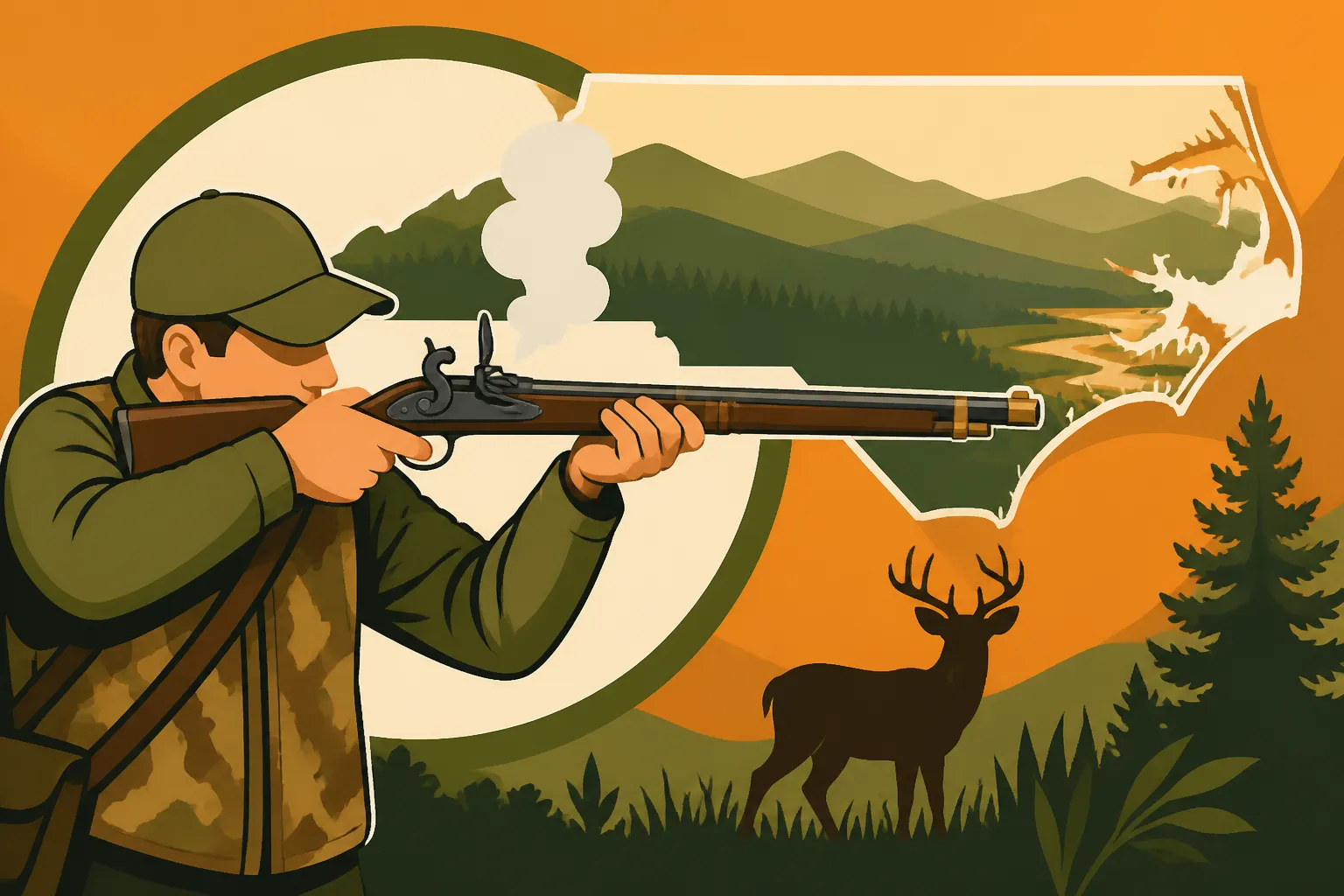
Muzzleloader season in North Carolina offers a truly special window into deer hunting, a bridge between the precision of modern firearms and the primal challenge of archery. But let's be real, navigating the rules and regulations for muzzleloaders here can feel like trying to hit a moving target sometimes, especially with all the nuances around what counts as a legal setup. This guide is here to untangle those complexities, helping you understand the specific equipment requirements, season dates, and general rules so you can enjoy your hunt without a worry.
The Unique Appeal of North Carolina's Muzzleloader Season
There's something deeply satisfying about hunting with a muzzleloader. It's a nod to history, a chance to slow down, and for many of us, it represents a quieter, more deliberate approach to deer hunting. In North Carolina, the muzzleloader season often falls during a prime time of year, offering opportunities when other methods might be restricted, or simply providing a different kind of challenge.
Why Muzzleloading is Different Here
Unlike regular gun season, where a modern centerfire rifle offers multiple quick shots and long-range capability, muzzleloaders demand a different mindset. You've got one shot, typically at a shorter range, and the loading process is an experience in itself. This inherent limitation forces you to be a more patient, more ethical hunter, really focusing on shot placement and knowing your equipment inside and out. It's a chance to connect with the land and the tradition of hunting in a way that sometimes gets lost in the rush of general gun season. Many hunters find the slower pace, the smell of burnt powder, and the satisfaction of a self-loaded projectile to be deeply rewarding. It’s also often a time when the woods are less crowded than during the peak gun opener, offering a more serene experience.
The Place of Muzzleloaders in the Deer Calendar
North Carolina's hunting calendar is carefully structured, and muzzleloader season has its own distinct slot. It typically comes after the statewide archery season but before the full-on gun season kicks into high gear across all zones. This timing is crucial because it means deer haven't been subjected to intense gun pressure yet. They might still be moving somewhat predictably, and the rut activity, while not always at its absolute peak, is certainly building or in full swing in many areas. This unique placement offers hunters a chance to be in the woods with a firearm-class weapon during a transitional period, often when foliage is falling and deer activity is increasing, giving you a unique advantage if you understand how to Hunting the North Carolina Rut by Zone. This period also generally has cooler temperatures, making for more comfortable hunting and better meat care.
Understanding Legal Muzzleloader Equipment
When it comes to muzzleloaders in North Carolina, not just any old black powder gun will do. The North Carolina Wildlife Resources Commission (NCWRC) has specific definitions and requirements that dictate what is considered a legal muzzleloader for deer hunting. It’s critical to understand these nuances to ensure you’re hunting legally and ethically.
Ignition Types and Barrel Requirements
The core of a legal muzzleloader lies in its ignition system and how it's loaded. In North Carolina, a legal muzzleloader is defined as a firearm that is loaded from the muzzle and uses black powder or an approved synthetic substitute, ignited by a percussion cap, flint, or primer. This means your inline rifle using 209 primers is good to go, as is a more traditional flintlock or cap-and-ball revolver, provided it meets other criteria. Crucially, the firearm must be incapable of being loaded from the breach. So, if you have a modern rifle that can be adapted to muzzleloading but also has a breech-loading option, it's generally not considered a legal muzzleloader for this specific season.
Regarding barrels, there aren't explicit rules on rifling versus smoothbore, but for deer hunting, a rifled barrel is almost universally preferred for accuracy. The important aspect is that it must be loaded from the muzzle. This distinction is what truly sets muzzleloader season apart from other firearm seasons, emphasizing a single, deliberate shot. Ensure your chosen muzzleloader is truly a one-shot, muzzle-loaded device to avoid any legal issues.
Projectile and Caliber Regulations
North Carolina also has clear guidelines for the projectiles you can use and the minimum caliber. For deer, a muzzleloading rifle must be at least .40 caliber. Smoothbore muzzleloaders (like a muzzleloading shotgun) must be at least 20-gauge and shoot a single projectile, like a slug. This caliber requirement ensures that hunters are using equipment capable of a humane kill on white-tailed deer. You can use patched round balls, conical bullets, or saboted projectiles, all of which are loaded down the muzzle.
One thing to remember is that you cannot use pre-loaded cartridges or anything that significantly speeds up the reloading process in a way that contradicts the spirit of muzzleloader hunting. The focus is on traditional or modern inline muzzleloaders where the powder, projectile, and primer are loaded separately through the barrel. Always double-check the latest NCWRC regulations, perhaps with a quick search on the GoHunt app for current details, to make sure your specific projectile and caliber combination is compliant. For instance, while a .50 caliber inline shooting a sabot might be common, ensure your chosen bullet type isn't considered outside the scope of muzzleloader projectiles.
Legal Sights and Scopes
This is an area where hunters often have questions, as rules can vary widely in different states. In North Carolina, during the muzzleloader season, you are generally allowed to use various types of sights, including open sights, peep sights, and telescopic sights (scopes). This flexibility is a huge advantage, especially for those hunting in the varied terrain of North Carolina, from the dense coastal pocosins to the wide-open Piedmont fields and the thick mountain timber.
This means you aren't restricted to traditional iron sights if you prefer the accuracy and low-light gathering capabilities of a scope. A low-power variable scope, like a 1-4x or 2-7x, is often an excellent choice for the typical ranges encountered with a muzzleloader. Some hunters even opt for a red dot sight for quick target acquisition in thick cover. The key is that the sight itself doesn't violate any other hunting regulations, such as those related to night hunting or electronic calls, which are separate categories of rules. For example, some jurisdictions might ban illuminated reticles, but in North Carolina, standard scopes are generally permitted for muzzleloader deer season.
North Carolina Muzzleloader Seasons and Zones
Understanding when and where you can hunt with a muzzleloader is just as crucial as knowing what equipment to use. North Carolina's deer season is divided into different zones, and the muzzleloader season dates vary accordingly, offering unique opportunities depending on your hunting location.
Navigating the Zone-Specific Dates
North Carolina is carved into several deer hunting zones: the Eastern, Central, and Western Zones, along with the special Northwestern Zone and the more recently defined CWD Management Areas. Each of these zones has its own specific opening and closing dates for muzzleloader season. This staggered approach is designed to manage deer populations effectively and provide diverse hunting opportunities across the state.
For instance, the Eastern Zone might have an earlier muzzleloader season compared to the Western Zone, which typically sees its seasons open later due to environmental factors and deer activity patterns. It’s absolutely essential to consult the most current North Carolina Inland Fishing, Hunting & Trapping Regulations Digest each year, as these dates can shift slightly. You don't want to show up on your favorite Hunting Coastal Plain Pocosin Swamps spot in the Eastern Zone only to find you're a week early or late for muzzleloader. These zone differences mean that a hunter might be able to experience muzzleloader hunting across different parts of the state at varying times, extending their season. Keeping a close eye on the calendar, possibly by setting up reminders on a hunting app or a dedicated calendar like those found on GoHunt, is key to not missing out.
| Zone | Typical Muzzleloader Season Window (Example) | Common Deer Activity | Hunting Pressure During Muzzleloader |
|---|---|---|---|
| Eastern Zone | Late September – Early October | Pre-rut / Early Rut | Moderate |
| Central Zone | Mid-October | Pre-rut / Early Rut | Moderate to High |
| Western Zone | Mid-November | Peak Rut | Moderate |
| Northwestern Zone | Mid-October | Pre-rut / Early Rut | Moderate |
Note: These are illustrative examples. Always check the current NCWRC regulations for exact dates.
Overlap with Other Seasons
The muzzleloader season often overlaps with other hunting opportunities, which can be both a blessing and a curse. In many areas, small game seasons might be open concurrently, and there might even be special archery opportunities that extend into the muzzleloader timeframe. This overlap means more options for hunters, but it also necessitates increased awareness of other hunters in the field and their chosen methods.
On public lands, especially, you might encounter archery hunters, squirrel hunters, or even people just enjoying the woods. It's crucial to practice extreme caution, wear your blaze orange (even if not strictly required for muzzleloader in all situations, it's always a good idea when other firearms are in play), and be aware of your surroundings. While the general gun season can be notoriously crowded on opening day, the muzzleloader season typically sees fewer hunters, but awareness is still paramount. Knowing the North Carolina Deer Season Structure Explained helps you anticipate what other activities might be going on around you.
Muzzleloader Hunting Tactics and Preparation
Muzzleloader hunting calls for a deliberate approach, where preparation and tactical execution are paramount. Since you typically have one shot, every aspect, from scouting to shot placement, becomes incredibly important.
Scouting for Muzzleloader Success
Effective scouting is the bedrock of any successful hunting trip, and it takes on an even greater significance for muzzleloader season. Because muzzleloaders generally have a shorter effective range compared to modern rifles, you need to get closer to your quarry. This means understanding deer movement patterns intimately: finding fresh sign, identifying primary food sources, bedding areas, and the travel corridors that connect them. I always recommend spending time in the woods leading up to the season, not just looking for tracks, but observing how wind and thermals affect deer movement in specific areas. Mapping tools, like those you find through GoHunt, can be invaluable here, allowing you to mark rub lines, scrape areas, and potential stand sites.
Focus on pinch points, funnels between different cover types, and transitional zones where deer might feel secure moving during daylight. If you're hunting public land, pay attention to areas off the beaten path where hunting pressure might be lower. Scouting North Carolina Public Land Before Season is not just a suggestion; it's a necessity. Look for those subtle indicators of deer activity – the fresh browse on a sapling, the shiny bark of a newly rubbed tree, or the soft dirt of a fresh scrape. These details are your clues to where to set up for that one, crucial shot.
Mastering Your Muzzleloader
Before you ever step foot in the woods, you need to be intimately familiar with your muzzleloader. This means more than just knowing how to load it; it means consistently practicing at the range until you can place your shots precisely and confidently within your effective hunting range. Muzzleloaders can be finicky – powder charges, bullet types, and even the brand of primer can all affect accuracy. Experiment with different combinations to find what shoots best out of your rifle.
Practice from various field positions – sitting, kneeling, and off a shooting stick – as you won't always have a perfect bench rest in the field. Also, get comfortable with the reloading process. While you might only get one shot at an animal, knowing you can quickly and efficiently reload if needed, even under pressure, can build confidence. Practice in varied weather conditions too, understanding how dampness or cold might affect powder ignition or handling. Make sure your firearm is sighted in for the distances you expect to shoot, perhaps zeroing at 75 or 100 yards, and knowing your holdovers or hold-unders for closer or slightly farther shots. Many hunters also take time to learn how to field clean their muzzleloader quickly, especially important after a shot, to prevent fouling.
Compliance and Post-Harvest Regulations
Bringing down a deer with a muzzleloader is a fantastic achievement, but the hunt isn't truly over until you've complied with all the necessary regulations regarding harvest reporting and carcass handling.
Reporting Your Muzzleloader Harvest
Just like with deer harvested by any other method, all deer taken during North Carolina's muzzleloader season must be reported to the NCWRC. This is a mandatory step that helps biologists monitor deer populations and ensures sustainable hunting opportunities for the future. You can typically report your harvest online through the NCWRC website, via a mobile app, or by calling a designated toll-free number. The reporting window is usually fairly tight, often by midnight on the day of the harvest, so don't delay.
Before you move the deer from the harvest site, make sure you understand the specific requirements, especially if you're in a Chronic Wasting Disease (CWD) Management Area. There might be specific rules about tagging the animal immediately after harvest. Having your license and tags readily accessible, and knowing how to Checking a North Carolina Deer Harvest Online, will make this process smooth. It’s also a good idea to have a pen or pencil and a small notebook or your phone ready to record the necessary information like species, sex, and county of harvest.
Carcass Handling and CWD Concerns
CWD is a serious concern for deer populations in North Carolina, and hunters play a vital role in monitoring and preventing its spread. If you hunt in a designated CWD Management Area, there might be mandatory testing requirements for your harvested deer, or restrictions on moving certain parts of the carcass out of the area. This is particularly relevant in counties identified as CWD zones.
Always familiarize yourself with the latest CWD regulations before heading into the field. You may need to take your deer to a specific drop-off point for sampling or be prohibited from transporting certain high-risk parts (like the brain and spinal column) across county lines. Understanding North Carolina's Chronic Wasting Disease Areas is not just about compliance; it's about protecting the future of our deer herd. Proper field dressing and handling also contribute to the quality of your venison, especially if you're forced to recover a deer from a challenging location like a Dragging a Deer Out of a Coastal Swamp. Be sure to have the necessary tools for field dressing, and if hunting in warmer weather, consider methods to cool the carcass quickly.
Safety and Best Practices for Muzzleloader Hunters
Safety should always be your top priority when hunting, and muzzleloaders come with their own unique considerations. Beyond general firearm safety, there are specific practices that can prevent accidents and ensure a smooth hunting experience.
Handling Black Powder and Primers
Black powder and its synthetic substitutes are powerful propellants that require careful handling. Always store your powder and primers separately in a cool, dry place, away from any heat sources or open flames. When loading in the field, use only the recommended charge weight for your specific firearm and projectile. Never exceed the maximum charge listed in your gun's manual. A common mistake is to try and "double charge" by pouring in a second measure of powder, which can lead to catastrophic failure. Use a powder measure, not volume scoop, for consistency.
Keep your powder dry! Moisture is the enemy of black powder. Many muzzleloader hunters carry their powder in sealed, waterproof containers, and use an appropriate capper or primer dispenser to keep ignition components dry and clean. A damp or fouled primer can lead to a misfire, which can be frustrating and potentially dangerous if not handled properly. After a misfire, always follow the manufacturer's guidelines for clearing the bore safely. This often involves waiting a minute or two to ensure there's no hangfire, then carefully removing the primer and attempting to re-prime.
Range and Shot Placement
With a muzzleloader, your ethical shooting range is generally much shorter than with a modern rifle. While a modern rifle might be effective at 200-300 yards or more, most muzzleloaders are best kept to 100-150 yards for deer, and often much closer in thick North Carolina cover. It's crucial to know your personal effective range and stick to it. If you can't confidently put a shot into a 6-inch circle at a given distance from a field-rested position, that's beyond your ethical range for hunting.
When you do take a shot, aim for the vitals – the heart and lungs. Due to the typically slower velocity and larger diameter of muzzleloader projectiles, shot placement is even more critical for a quick, humane kill. Avoid trying to take head or neck shots unless you are absolutely certain of your ability and the range. A double-lung shot will usually lead to a quick recovery, minimizing suffering. Always consider what's beyond your target, ensure a clear background, and be aware of your surroundings before pulling the trigger. Even if you've been Hunting a Green Field Planted for Deer, a clear shot is paramount.
Dressing for the Hunt: Blaze Orange and Visibility
North Carolina has specific blaze orange requirements for hunters using firearms, and these rules generally apply during muzzleloader season when it overlaps with other gun seasons, or anytime a firearm is being used for deer. Even if you're hunting in a situation where blaze orange isn't legally mandated (for instance, during an archery-only period that you happen to be in with your muzzleloader during its open season), it is always a smart and safe practice to wear it.
The requirement usually involves wearing a solid hunter orange hat or an outer garment visible from all sides. Check the current regulations for the precise square inch requirements. This bright color significantly increases your visibility to other hunters, dramatically reducing the risk of being mistaken for game. Even if you're the only one you know on your private land, a neighboring hunter could be present, or an accidental trespasser. Prioritizing visibility helps ensure everyone goes home safely at the end of the day.
Disclaimer
This article is for general informational purposes only and does not constitute professional advice. Laws, prices and regulations vary by location and change over time. Consult a qualified professional for guidance on your specific situation.