Hunting the Special Early CWD-Zone Season
The special early Chronic Wasting Disease (CWD) zone season in North Carolina can feel like a curveball thrown into your familiar hunting routine. For many of us, the traditional openers are ingrained, and the thought of navigating new regulations, especially concerning a serious deer disease, can be daunting and frankly, a bit unsettling. This guide is here to demystify the process, walking you through the ins and outs of this unique season so you can hunt confidently and responsibly in our state's CWD management areas.
Understanding North Carolina's CWD Zones and the Early Season
When CWD first reared its head in North Carolina, it was a gut punch for a lot of us hunters. Suddenly, a disease we'd only heard about in other states was right here, forcing us to rethink how and where we hunt. The North Carolina Wildlife Resources Commission (NCWRC) quickly established CWD Management Areas (CMAs) and, as part of their strategy, introduced a special early season. This isn't just another hunting opportunity; it's a critical management tool.
What Defines a CWD Management Area
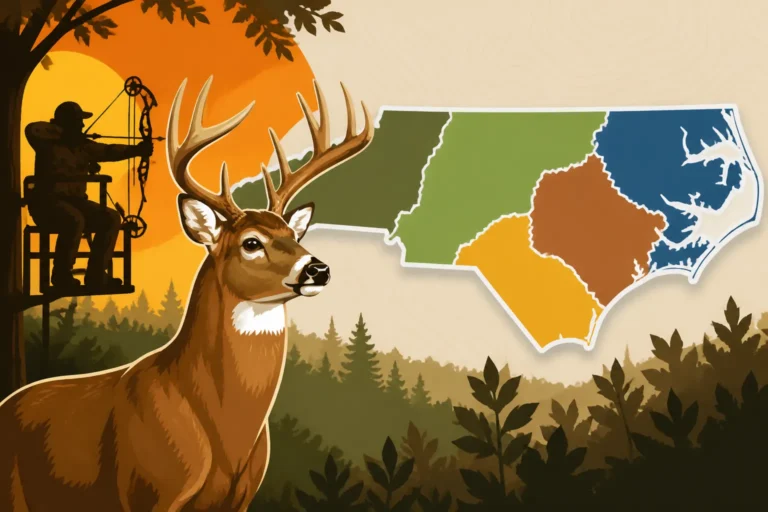
A CWD Management Area isn't just an arbitrary line on a map; it's a designated zone where CWD has been detected or where the risk of spread is deemed high. These areas typically encompass the county where a positive case was found, along with adjacent counties that are considered epidemiologically linked. For instance, the Yadkin Valley region, particularly counties like Surry, Yadkin, and Wilkes, quickly became central to North Carolina's CWD footprint after the initial detections. If you're wondering if your hunting grounds fall into one of these zones, the NCWRC website has up-to-date maps, or you can check resources like GoHunt, which often integrates land boundaries and special regulation overlays into their mapping tools. It's crucial to know this because hunting within these areas comes with a specific set of rules and responsibilities that differ significantly from those outside the CMAs.
The "Why" Behind the Special Early Season
You might ask, "Why an early season?" It's a fair question, and it speaks directly to the NCWRC's strategy for managing CWD. The primary goal of the early season is to allow for additional harvest of antlered deer before the traditional gun seasons begin and before the rut kicks into full swing. By targeting bucks earlier, especially those that might be older and more likely to carry or spread the disease through their wider movements during the breeding season, the NCWRC aims to reduce the overall deer population density and, in theory, slow the spread of CWD. This initiative is a proactive measure to gather more samples for testing and to help assess disease prevalence. It's not about making hunting easier or giving anyone an advantage; it's a calculated part of a larger wildlife health strategy. We as hunters play a vital role in this by participating and adhering to the guidelines. If you want to delve deeper into the rationale, you can read up on why the early season targets antlered deer only, which provides a comprehensive overview of the biological and management reasons.
Key Dates and Locations for the Early Season
The special early CWD-zone season generally takes place in late summer, often starting in August, ahead of the statewide archery season. This makes it one of the earliest deer hunting opportunities in North Carolina. The specific dates can vary slightly year to year and are always outlined clearly in the North Carolina Inland Fishing, Hunting & Trapping Regulations Digest. For instance, you might find the season opens around August 22nd in designated CWD counties. It’s absolutely essential to consult the most current regulations for the exact dates and the precise counties included in the CWD Management Areas. Don't rely on last year's memory; always double-check. The NCWRC's "When the New Special Early Season Runs" guide is an excellent resource for confirming these critical dates. This early timeframe means you'll be hunting in conditions that are much warmer than what most deer hunters are accustomed to, which impacts everything from deer behavior to meat care.
Targeting Deer During the Early Season
Hunting deer in late summer or very early fall, particularly antlered deer, presents a unique set of challenges and opportunities. Deer behavior is different, the environment is different, and therefore, your tactics need to adapt.
Behavior of Deer in Late Summer/Early Fall
In late summer and early fall, bucks are still often in their bachelor groups, enjoying the last vestiges of relatively easy living before the rigors of the rut. Their antlers are typically fully formed and hardened, and they might still be carrying some velvet at the very start of this early season, though for the most part, they'll be hard-horned. Food sources are abundant, with lush green growth, early mast crops, and agricultural fields providing plenty of nutrition. This means deer movement can be a bit more predictable, often revolving around these prime food sources during low light hours, but they're not yet driven by the hormonal urges of the rut. You'll often find them browsing in cooler, shaded areas during the day, seeking relief from the heat and insects. Understanding these patterns is key, as "hunting a funnel between two pocosins" or "setting up on a Piedmont field edge" might look different in August than it does in November.
Antlered Deer Focus: Tactics and Challenges
The specific focus on antlered deer during this early season means you're not just looking for any deer; you're looking for bucks. This requires precise identification, which can be tricky in thick summer foliage. The primary challenge is the heat. Deer are less active during the day, conserving energy. This means your best opportunities will be at dawn and dusk. Targeting water sources can be productive, as deer need to drink regularly in warm weather. Look for trails leading to secluded ponds, creeks, or even seeps. Early season bucks might also be more patternable, especially around agricultural fields like soybeans or corn. If you've done your summer scouting, you might have pinpointed specific entry routes through standing soybeans that bucks use consistently. The absence of heavy rut activity means rattling and grunting in North Carolina might not be as effective as it will be later in the year, so focus more on stealth and being in the right place at the right time.
Scouting and Pre-Season Prep in CWD Areas
Scouting is always important, but it takes on an even greater significance in CWD zones. Not only are you trying to locate deer, but you're also often dealing with public land that might see early pressure. Utilize mapping tools like those found on GoHunt or the NCWRC's own interactive maps to identify potential bedding areas, feeding zones, and travel corridors. Pay close attention to recent timber cuts or areas with new food plot plantings, as these can be magnets for deer. Since the season opens earlier, your scouting should ideally be completed in July or early August, well before opening day. Look for fresh sign: tracks, rubs, and scrapes, though scrapes will be limited before the rut truly kicks in. When scouting, also make a mental note of potential CWD sampling locations or drop-off points, as mandatory CWD testing inside a CWD surveillance area is often a requirement. This proactive approach ensures you're not scrambling for information after you've harvested a deer.
Legalities and Logistics of the Special Season
Hunting in a CWD zone adds several layers of responsibility beyond just obtaining your license and tags. It's critical to be fully aware of the specific regulations designed to prevent the spread of the disease.
Specific Rules for CWD Zone Hunting
The rules for hunting in a CWD Management Area are stringent and exist for a good reason: to protect North Carolina's deer herd. Beyond the special early season dates for antlered deer, there may be other differences compared to general statewide regulations. For instance, specific restrictions on baiting or feeding might be in place within CWD zones, even on private land, to prevent the congregation of deer which can facilitate disease transmission. Some counties might also have altered bag limits or antler point restrictions that apply specifically to the CWD zones. Always read the annual North Carolina Deer Season Structure Explained and the CWD-specific regulations from the NCWRC digest cover-to-cover. Ignoring these rules isn't just a violation; it puts the entire deer management effort at risk.
Mandatory CWD Testing and Carcass Restrictions
This is perhaps one of the most significant changes for hunters in CWD zones. If you harvest a deer within a CWD Management Area, mandatory testing for Chronic Wasting Disease is typically required. This usually involves taking the deer's head to an authorized CWD sampling location, often a check station, taxidermist, or designated drop-off cooler. The process is straightforward, but it's vital to comply. You'll receive information on how to get your test results.
Furthermore, there are strict rules regarding moving a deer carcass out of a CWD area. Generally, you can only move boned-out meat, cleaned skull plates, antlers, hides, and taxidermy-ready capes outside the CMA. This means if you kill a deer in, say, Surry County, and live in Mecklenburg County (which is not a CWD zone), you cannot simply transport the whole carcass home. This regulation is designed to prevent infected carcass parts from spreading prions to new areas. Planning for this means bringing adequate coolers and butchering tools for field dressing a deer in cold weather – or rather, warm weather for this early season – and boning out your harvest at the site, or being prepared to take it to a local processor within the CWD zone.
Here's a quick reference for CWD Zone Carcass Movement:
| Carcass Part | Allowed to Move OUT of CWD Zone? | Notes |
|---|---|---|
| Whole Carcass | No | Must be processed or broken down within the CWD zone. |
| Boned-Out Meat | Yes | Meat completely removed from spinal column and skull. |
| Clean Skull Plate | Yes | No brain matter, spinal tissue, or other nervous system tissue. |
| Antlers (cleaned) | Yes | May include a small amount of skull plate if cleaned properly. |
| Hides | Yes | No head or spinal column attached. |
| Taxidermy-Ready Cape | Yes | Must be free of brain and spinal cord tissue. |
| Spinal Column | No | Must remain within the CWD zone for proper disposal. |
| Brain Tissue | No | Must remain within the CWD zone for proper disposal. |
Always confirm the latest regulations with the NCWRC as rules can change.
Harvest Reporting and Disease Management
Like all deer harvests in North Carolina, deer taken during the early CWD-zone season must be reported. This is usually done through the NCWRC’s online harvest reporting system or their mobile app. For CWD-zone deer, this reporting is even more crucial as it links to the CWD testing data, helping biologists track disease prevalence and spread. Make sure you understand the North Carolina deer reporting deadline and submit your harvest information promptly. Every reported deer, every submitted sample, adds a piece to the puzzle, allowing wildlife managers to better understand and combat the spread of Chronic Wasting Disease Risk in North Carolina. It’s part of our commitment as ethical hunters to contribute to the health of the resource we cherish.
Gear and Tactics for Success
Hunting an early season in North Carolina's CWD zones means dealing with conditions that are often hot, humid, and buggy. Your gear choices and hunting strategies need to reflect this reality.
Choosing the Right Weaponry
The special early CWD-zone season generally falls within the statewide archery season or immediately preceding the gun season opener in those specific areas. This means you might be restricted to archery equipment (bows, crossbows) depending on the exact dates and local regulations. Always verify the rules for crossbows during North Carolina archery season if that's your preferred tool. If rifles are permitted, consider the conditions. A lighter, more maneuverable rifle like a .30-30 in thick pocosin cover might be more practical than a long-barreled magnum designed for wide-open spaces. Regardless of your weapon, ensure it's sighted in precisely for the relatively short shooting distances often encountered in North Carolina's dense woodlands. A good quality rifle scope with low-light performance can be a huge asset during those crucial dawn and dusk hours.
Effective Stand Placement for Early Season
Given the heat, deer activity will be concentrated during the cooler parts of the day. This makes stand placement around food and water sources paramount. Think about trails leading from shaded bedding areas to standing cornfields in farm country or a lush clover plot at first light. Focus on areas where thermals might pull your scent up and away from deer as they move. Early morning sits often benefit from stands overlooking bedding areas that lead to food, while evening sits are best positioned between bedding and feeding grounds. Using a ground blind on North Carolina public land can be very effective if you brush it in well, offering concealment and a bit of relief from the sun or sudden showers. Consider areas near water sources, especially during hot, dry spells, as deer will often frequent these.
Scent Control and Stealth in Warm Weather
Scent control is always important, but it's exponentially more critical when the temperatures are high and you're sweating. Deer have an incredible sense of smell, and the humid North Carolina air doesn't help disperse your human odor. Shower with scent-eliminating soap, wear clean hunting clothes (preferably lightweight, breathable synthetics designed for warm weather), and use scent sprays generously. Store your hunting clothes in airtight bags with natural elements like pine needles or earth. Minimizing your presence means not just scent control, but also moving quietly. The woods are typically louder in early fall with dry leaves, so take your time, lift your feet, and watch your step. The less human disturbance you create, the better your chances of encountering a wary early-season buck. GoHunt's forums often have great discussions on practical scent control tips for different conditions, which can be invaluable.
The Broader Impact of CWD on Hunting
CWD isn't just a regulatory inconvenience; it's a serious threat to the future of deer hunting. Understanding its broader implications helps us all be more responsible and effective in our efforts to contain it.
Understanding the Disease and its Spread
Chronic Wasting Disease is a neurological disease that affects cervids (deer, elk, moose). It's caused by abnormal proteins called prions, which can persist in the environment for years, making it incredibly difficult to eradicate. CWD can spread through direct contact between animals, but also indirectly through contaminated soil, plants, and even water sources. This environmental persistence is why carcass movement restrictions and proper disposal are so critical. While it's not known to transmit to humans, wildlife agencies recommend against consuming meat from CWD-positive animals. The more we know about how CWD reached the Yadkin Valley and how many deer have tested CWD-positive since testing began, the better equipped we are to understand and react to the ongoing challenge it presents.
Hunter's Role in CWD Mitigation
As hunters, we are on the front lines of CWD detection and mitigation. Our participation in the special early CWD-zone season, our adherence to carcass movement restrictions, and our willingness to submit samples for mandatory CWD testing are all crucial. By helping to manage deer populations, especially reducing the density of older bucks, we contribute directly to the NCWRC's efforts to control the disease. This also means being vigilant and reporting any deer that appear sick or exhibit CWD symptoms, such as emaciation, abnormal behavior, or excessive salivation. The health of North Carolina's White-Tailed Deer Across North Carolina depends heavily on our collective efforts and cooperation. Every ethical hunter takes pride in being a steward of the land and its wildlife, and CWD mitigation is now a significant part of that stewardship.
Future Outlook for Hunting in CWD Zones
The future of hunting in North Carolina's CWD zones is uncertain, but not without hope. The NCWRC, working with hunters, is continuously evaluating strategies to manage the disease. The special early season itself is an adaptation, and we may see further adjustments to seasons, bag limits, or hunting methods as new data emerges. It's possible that over time, these special regulations could become the "new normal" for hunting in affected areas. The key is ongoing research, diligent monitoring, and continued cooperation between wildlife agencies and the hunting community. While it adds complexity, embracing these changes is vital for preserving our hunting heritage and ensuring healthy deer populations for generations to come.
Disclaimer
Please note that hunting regulations, season dates, and CWD management protocols are subject to change. Always consult the official North Carolina Wildlife Resources Commission (NCWRC) website and the current annual Inland Fishing, Hunting & Trapping Regulations Digest before planning your hunt. This guide provides general information and should not be considered a substitute for official legal documentation.