Waterfowl Hunting Currituck Sound and the Coast
Navigating the unique challenges of waterfowl hunting on North Carolina's coast, especially the legendary Currituck Sound, can feel like an overwhelming task. From understanding the intricate tidal patterns to deciphering migratory bird movements and adhering to specific regulations, it's a world apart from timber hunting or field edge sits. This comprehensive guide is designed to cut through the confusion, equipping you with the knowledge to confidently approach these storied waters, understand the diverse species you'll encounter, master crucial techniques, and ultimately find success in North Carolina's incredible coastal waterfowl hunting opportunities.
Understanding North Carolina's Coastal Waterfowl Landscape
North Carolina's coast is a mosaic of habitats, from vast sounds to intricate marsh systems and managed impoundments, all playing a vital role in the Atlantic Flyway. This diversity means a rich variety of waterfowl, but it also demands hunters understand the unique characteristics of each area to plan effective strategies. It's not a one-size-fits-all approach when you're dealing with such a dynamic environment.
Currituck Sound: A Fabled Waterfowl Destination
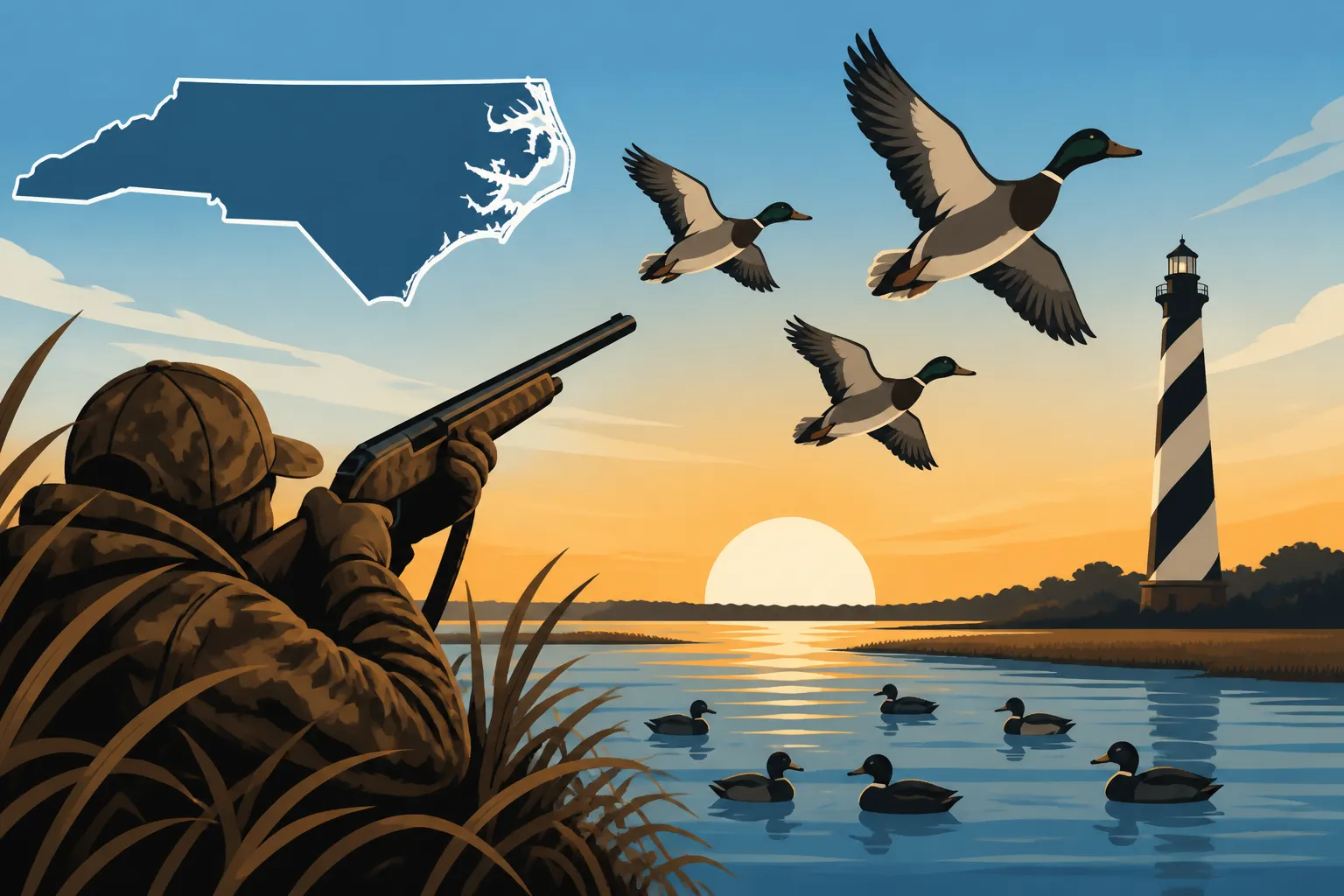
When you talk about North Carolina waterfowl, Currituck Sound inevitably comes up, and for good reason. This massive, shallow body of water, separated from the Atlantic Ocean by the Outer Banks, is historically one of the most important wintering grounds for ducks and geese on the East Coast. Its brackish waters, rich in submerged aquatic vegetation like eelgrass and widgeon grass, create an irresistible buffet for a multitude of species. For decades, hunters have dreamed of setting up on Currituck, but don't be fooled into thinking it's always easy. The sheer size of the sound can be intimidating, and finding those prime spots often requires local knowledge or extensive scouting. The hunting experience here is unlike almost anywhere else, blending history with challenging modern conditions.
What makes Currituck so special isn't just its size; it's the unique ecosystem. The fluctuating salinity, influenced by rainfall and limited ocean inlets, creates the perfect conditions for the aquatic vegetation that ducks absolutely crave. Mallards, pintails, wigeon, and even canvasbacks can be found feasting here. However, navigating the sound's shallow depths, especially with shifting sandbars and unpredictable weather, demands a robust boat and keen navigational skills. Many of the most productive areas are leased by private hunt clubs, but public access points and blinds do exist, though they often require significant effort and planning. Understanding the nuances of this vast waterbody is the first step toward a successful hunt.
Coastal Plain Impoundments and Rivers
Moving inland slightly from the immediate coastline, North Carolina's coastal plain is dotted with numerous impoundments and threaded by a network of slow-moving rivers and their associated swamps. These areas offer a different, but equally rewarding, waterfowl hunting experience. Impoundments, often managed by the state or private landowners, are specifically designed to attract and hold ducks, typically by planting waterfowl-friendly crops like millet or by manipulating water levels to create flooded timber. This controlled environment can be incredibly productive, especially for dabbling ducks like wood ducks, green-winged teal, and mallards.
Hunting these impoundments or river systems often involves different tactics than the open sound. Here, you might be focused on "jump-shooting" ducks along a winding creek or setting up in a permanent blind overlooking a managed field. The famous "green-tree reservoirs," where water levels are raised to flood oaks and other mast-producing trees, create magical hunting opportunities for wood ducks and mallards. These locations can be a bit more predictable than the vastness of the sound, but they still require careful scouting and an understanding of the birds' feeding and roosting patterns. Access might involve navigating dense bottomland hardwoods or even dragging a canoe through tight channels, adding another layer of adventure to the hunt.
Outer Banks Marshes and Tidal Creeks
Beyond Currituck Sound, the Outer Banks themselves, and the extensive marsh systems that line the eastern edge of the state, present yet another unique waterfowl hunting opportunity. These are often tidally influenced environments, where daily water level fluctuations dictate when and where ducks feed and rest. Think expansive Spartina grass marshes, salt pannes, and winding tidal creeks that snake their way through the landscape. This habitat is particularly attractive to a variety of species, including black ducks, gadwall, and even some sea ducks further out in the more saline bays.
Hunting these marshes demands a different skillset. It's often about navigating small skiffs or even push poling canoes through shallow water. Hunters might be Hunting the Outer Banks Marsh from layout blinds tucked into marsh grass, or building temporary blinds from natural vegetation. The tide is your constant companion and your biggest challenge; misjudge it, and you could be stranded or unable to reach your hunting spot. The tranquility of these remote marshes, broken only by the whistling of wings and the distant roar of the ocean, offers a truly wild hunting experience. This is where hunters can often find less pressure, but the trade-off is often more challenging access and navigation.
Key Waterfowl Species and Migration Patterns
To be successful on the North Carolina coast, you've got to know your birds. Not just what they look like in a field guide, but their habits, their preferred foods, and when they're likely to be in our state. The Atlantic Flyway is a superhighway for migratory birds, and North Carolina sits squarely on a prime stopover and wintering location. Understanding the ebb and flow of this migration is crucial for timing your hunts.
Dabblers vs. Divers: Knowing Your Target
One of the fundamental distinctions in waterfowl hunting is between dabbling ducks and diving ducks. They behave differently, feed differently, and often require different hunting strategies.
Dabbling Ducks: These are your "puddle ducks" – birds like mallards, wood ducks, green-winged teal, black ducks, pintails, gadwall, and wigeon. They typically feed in shallow water, tipping their bodies forward to "dabble" for vegetation, seeds, and invertebrates on the bottom, rarely submerging completely. You'll often find them in marshes, flooded timber, shallow impoundments, and the calmer sections of Currituck Sound. When they take flight, they spring directly up from the water. Because they feed in shallower water, they are often more susceptible to traditional decoy spreads and calling. They're drawn to flooded corn, millet, and natural aquatic vegetation. When considering Hunting Flooded Timber for Wood Ducks, for instance, you're almost exclusively targeting a dabbler.
Diving Ducks: As their name suggests, diving ducks get their food by diving underwater, often to considerable depths, to retrieve aquatic plants, mollusks, and fish. Species like canvasbacks, redheads, scaup (bluebills), ring-necked ducks, and buffleheads fall into this category. You'll primarily find divers in larger, deeper bodies of water, like the open expanses of Currituck Sound, large bays, and some deeper impoundments. They need a "runway" to take off, paddling along the water before becoming airborne. Hunting divers requires different decoy spreads, typically larger and more spread out to mimic a raft of feeding birds, and often in more open water. Hunting Currituck Sound Diving Ducks is a classic coastal experience, demanding specialized gear and tactics.
Tracking the Atlantic Flyway Migration
North Carolina's waterfowl hunting success is intimately tied to the broader North Carolina Waterfowl Migration Timing. The Atlantic Flyway is one of four major bird migration routes in North America, and it funnels millions of ducks and geese from their northern breeding grounds down to their wintering habitats, with North Carolina being a crucial stop. The timing of these migrations is heavily influenced by weather patterns to the north. Early cold fronts in states like Pennsylvania, New York, or Canada can push birds south quickly, leading to an influx of ducks and geese into North Carolina.
Generally, early season in North Carolina, typically in late September and October, sees a good push of early migrating teal (blue-winged and green-winged) and wood ducks. As November progresses, you start to see the arrival of more mallards, pintails, gadwall, and wigeon. December and January are usually prime time for the biggest concentrations of birds, including the arrival of divers like canvasbacks and redheads on the sounds. Snow geese also begin to arrive in massive numbers later in the season. Staying informed about weather patterns north of the state, and utilizing resources like the GoHunt app or other online migration trackers, can give you a significant advantage in planning your hunts. It's all about being there when the birds are.
Resident Goose Populations and Opportunities
While much of the focus is on migratory ducks and geese, it's important not to overlook North Carolina's robust resident Canada goose population. These are geese that do not migrate far, if at all, and they provide consistent hunting opportunities, particularly in agricultural areas and near larger bodies of water throughout the state, not just on the immediate coast. These birds have adapted incredibly well to human-modified landscapes, often feeding in cut cornfields, soybean fields, and even golf courses or urban ponds.
The hunting season for resident Canada geese often opens earlier than the main migratory season, providing a fantastic way to kick off your waterfowl season. These birds can be challenging to hunt as they often become wary of common patterns and blinds. Success typically comes from scouting their feeding and roosting locations, setting up realistic decoy spreads, and employing effective calling. Because they are year-round residents, their patterns can be more predictable than migratory birds, but they are also under consistent hunting pressure throughout the season. Don't underestimate the challenge or the reward of pursuing these big birds, especially as part of Early Goose Season Tactics in North Carolina.
Essential Gear for Coastal Waterfowling
Hunting North Carolina's coast isn't like sitting in a deer stand; it demands specialized gear to ensure safety, comfort, and success. The salty air, the cold water, the unpredictable weather – it all adds up to a unique set of requirements for your equipment. Skimping on the right gear here isn't just uncomfortable; it can be dangerous.
Boats, Blinds, and Decoys for Diverse Habitats
Your mode of transport and concealment are paramount in coastal waterfowl hunting.
Boats: Depending on where you hunt, your boat needs will vary wildly. For the vast, shallow expanses of Currituck Sound, a robust, shallow-draft boat with a reliable outboard is essential. Jon boats with mud motors or airboats are common choices, designed to navigate the skinny water and thick vegetation. If you're tackling deeper bays or crossing open water, a larger, more stable V-hull boat might be necessary. For tidal creeks and smaller impoundments, a canoe, kayak, or small skiff might be perfect, allowing you to access areas larger boats can't. Always prioritize reliability and safety; coastal waters can turn treacherous quickly. When navigating remote areas, having a map loaded on your phone with the GoHunt app can be a lifesaver, helping you identify channels and potential hazards.
Blinds: Again, variety is key. In open water settings like Currituck Sound, many hunters use specialized boat blinds that offer concealment while keeping them mobile. These blinds are often brushed in with natural vegetation from the area. For marsh hunting, a simple layout blind might be ideal, allowing you to disappear into the Spartina grass. On field edges near impoundments, a more permanent pit blind or a pop-up ground blind might be the ticket. For timber hunting, simply standing among the trees can provide enough cover, or a makeshift blind from fallen branches. When Layout Blind Hunting Coastal Plain Fields, ensure your blind is well-brushed and positioned for the wind.
Decoys: The right decoy spread is crucial for attracting birds. For dabblers, a mix of mallards, pintails, and teal in various postures (feeders, uprights, sleepers) often works well, placed in shallower water. Motion decoys, like spinning wing decoys, can add irresistible realism, especially for teal and mallards. For divers, you'll need larger numbers of canvasback, redhead, or bluebill decoys, often rigged on longlines to create a "raft" effect in open water. Confidence decoys, like geese or even coots, can make your spread look more natural. Always aim for realism and movement. Read up on Decoy Spreads for Currituck Sound Divers to truly understand the nuances.
Weather-Appropriate Clothing and Waders
The North Carolina coast, especially in winter, can be brutally cold, wet, and windy. Layering is not just recommended; it's absolutely critical for safety and comfort.
Base Layers: Start with moisture-wicking synthetic or merino wool base layers against your skin. These pull sweat away from your body, keeping you dry and preventing dangerous chilling. Avoid cotton at all costs, as it loses all insulating properties when wet.
Mid-Layers: Fleece or down jackets provide excellent insulation. Depending on the temperature, you might need one or two layers here. The goal is to trap warm air close to your body.
Outer Shell: Your outermost layer needs to be completely waterproof and windproof. A good quality duck hunting jacket and pants will be insulated, durable, and shed water effectively. Look for Gore-Tex or similar technologies. Remember, getting soaked in cold weather is a quick route to hypothermia.
Waders: Waders are non-negotiable for most coastal waterfowl hunting. Chest waders, made from neoprene or breathable Gore-Tex, will keep you dry and insulated in cold water. Choose a pair that fits well, allows for layering underneath, and has sturdy boots for walking through mud and uneven terrain. When selecting Waders for Sound-Side Marsh Hunting, consider durability against sharp marsh grass and comfortable boot fit for long walks. Always wear a belt with your waders for safety, as it helps prevent them from filling with water if you fall.
Shotguns, Ammunition, and Nontoxic Shot Rules
Your choice of firearm and ammunition is equally important, governed by both performance needs and strict regulations.
Shotguns: A reliable 12-gauge shotgun is the standard for waterfowl hunting, offering a wide range of load options. Many hunters prefer semi-automatics or pump-actions for their capacity and reliability in adverse conditions. Keep your shotgun clean and well-maintained, especially after exposure to saltwater, which is notoriously corrosive. Ensure it's capable of handling steel shot.
Ammunition: Federal law mandates the use of nontoxic shot for all waterfowl hunting. This means no lead shot. The most common nontoxic alternatives are steel, bismuth, and tungsten-iron. Steel shot is the most affordable but can be less dense than lead, requiring larger shot sizes for comparable performance. Bismuth and tungsten alloys are denser, offering better knockdown power and range, but come at a higher cost. Choose shot sizes appropriate for your target species (e.g., #2 or BB for large ducks and geese, #3 or #4 for smaller ducks and teal). Always check your choke tube compatibility with steel shot; some older chokes are not rated for it.
Regulations: It's critical to know Where Nontoxic Shot Is Required in North Carolina. This isn't just for waterfowl; it extends to some upland game birds and specific public lands too. The NCWRC website is your authoritative source for all current regulations, including minimum rifle caliber rules if you're ever considering other game. Always double-check before heading out.
| Waterfowl Type | Common Species | Preferred Habitat | Typical Decoy Spread | Recommended Shot Sizes (Nontoxic) |
|---|---|---|---|---|
| Dabblers | Mallard, Wood Duck, Teal, Pintail, Gadwall, Wigeon, Black Duck | Shallow marshes, flooded timber, impoundments, calmer sound edges | Small to medium groups (1-3 dozen) in feeding/resting postures, often with motion decoys | Steel #2, 3, 4; Bismuth #3, 4 |
| Divers | Canvasback, Redhead, Scaup, Ring-necked Duck, Bufflehead | Open water, deeper bays, large sounds, deeper impoundments | Large rafts (3-6 dozen+) in open water, often on longlines | Steel BB, 1, 2; Bismuth #1, 2 |
| Geese | Canada Goose, Snow Goose | Agricultural fields, large open water, short-grass pastures | Large field spreads (2-5 dozen+) of full-body or shell decoys, often with flags | Steel BB, BBB, T; Bismuth BB, 1 |
Mastering Hunting Tactics and Strategies
Having the right gear is only half the battle; knowing how to use it effectively, combined with an understanding of bird behavior and environmental factors, is what truly leads to success on the North Carolina coast. Coastal hunting presents unique challenges and opportunities that demand specific approaches.
Setting Up Decoy Spreads for Coastal Ducks
Decoy spreads are an art form, especially on the coast where the wide-open spaces and varied bird species call for thoughtful placement. The goal is always to create a natural, inviting scene that convinces wary waterfowl to commit to your spread.
Dabbler Spreads: For dabblers in shallow water, marshes, or flooded timber, you want to mimic a flock that is comfortable and feeding. A common setup is to create a "J-hook" or "U-shape" with your decoys, leaving an open landing zone in front of your blind. Place some decoys closer to the blind (feeders) and others further out. If targeting specific species like wood ducks in timber, a smaller, tighter spread of just wood duck decoys can be effective. Motion decoys, like jerk strings or spinning wing decoys, can add crucial realism, especially on calm days. Always consider the wind direction, as ducks will almost always land into the wind.
Diver Spreads: Hunting divers like canvasbacks or redheads on Currituck Sound requires a different approach. These birds often raft in large groups in open water, so your spread needs to reflect that. Longlines, where multiple decoys are clipped to a single mainline, are popular for diver hunting. You might deploy several of these lines, creating a large, V-shaped or U-shaped spread with a wide-open landing area downwind. Often, the more diver decoys, the better, to give the impression of a safe, large flock. Place a few "sentinel" decoys further out, indicating the safety of your spread. Think big, open, and inviting for these open-water specialists.
Confidence Decoys & Realism: Don't forget confidence decoys. A few Canada goose decoys, even if you're primarily duck hunting, can make your spread seem more natural and established. Coots can also act as confidence decoys for ducks. Always brush your blind in thoroughly, ensuring you blend seamlessly into the environment. Pay attention to how the natural light hits your decoys, and adjust their placement to avoid unnatural glare. Remember, ducks have incredible eyesight, and any unnatural element can flare them.
Calling Techniques for Different Waterfowl
Calling is another critical skill, but it's often overused or used incorrectly. The goal isn't to blast out calls constantly; it's to communicate, reassure, and guide birds into your spread.
Mallard Calling: The classic "quack" and greeting calls are essential for mallards. Learn to make a realistic comeback call (a series of excited quacks) when birds are flying past, and a contented feeding chuckle when they're working your spread. Don't overcall; if birds are locked up and headed your way, put the call down and get ready. For Grunt Calls in Mature North Carolina Timber, a simple quack or soft chuckle can be enough to get a response from a roosting bird.
Pintail Whistles & Wigeon Whistles: These are highly effective for their respective species. A soft, clear whistle can bring pintails right into the decoys. Wigeon often respond well to their characteristic "whee-woo" call. These calls are often underutilized but can be deadly.
Teal Peeps: Green-winged teal have a high-pitched peep, while blue-winged teal have a slightly softer, more nasal quack. Soft, rapid peeps can be very effective when teal are zipping by.
Goose Calling: For Canada geese, you'll need a short-reed goose call. Master the honk, cluck, and moan. A good series of clucks and moans, mimicking a contented flock on the ground, can pull geese from a long distance. Use excited honks to get their attention, then transition to more mellow, contented calls as they work closer. Remember, calling needs to sound like real birds. Practice is key.
Reading the Weather and Tides on the Coast
Coastal weather and tidal movements are arguably the most significant factors influencing waterfowl behavior and hunter success. Ignore them at your peril.
Wind: Wind dictates where birds fly, how they land, and how your decoys move. Ducks and geese always prefer to land into the wind. This means your blind needs to be positioned downwind of your decoy spread. A strong wind can also churn up open water, pushing birds to calmer, sheltered areas. Conversely, light winds or dead calm can make birds warier, as their flight isn't aided, and they can pick out details easier. A strong nor'easter might ground birds in sheltered areas, offering incredible hunting, while a prolonged calm spell might spread them out. The GoHunt app, or a good local weather app, can provide real-time wind forecasts, which is vital for planning your day.
Temperature: Extreme cold can freeze over smaller impoundments and shallow parts of the sound, forcing birds into larger, deeper, or moving water. A sudden cold snap often brings new birds down the flyway, especially if it's accompanied by snow and ice to the north. Warmer spells might make birds less active and less concentrated. Layering is key for hunting in varied temperatures, as mentioned in the gear section.
Tides: For marsh and tidal creek hunting, understanding the tide charts is non-negotiable. High tide might flood feeding areas, making them accessible to ducks, while low tide might expose mudflats, concentrating birds in deeper channels or forcing them to leave. Ducks often follow the receding tide, feeding on exposed invertebrates or plants. Misjudging the tide can leave you stranded or unable to access your hunting spot. Plan your entry and exit routes carefully, always checking the local tide tables for your specific hunting area.
Navigating Regulations and Access
North Carolina's waterfowl regulations can seem complex, with various licenses, stamps, and specific zone rules. Add to that the challenge of finding good hunting access, especially on public land, and it can deter new hunters. But with a bit of homework, it's entirely manageable.
Licenses, Stamps, and HIP Certification
Before you even think about stepping into a marsh or blind, you need to ensure you're fully licensed and compliant with both state and federal regulations.
North Carolina Hunting License: First and foremost, you'll need a valid North Carolina hunting license. This can be a resident or nonresident license, depending on your status. Many hunters opt for a comprehensive annual license, such as the Unified Hunting & Fishing License, which covers most basic hunting activities. You can purchase these through the NC Wildlife Resources Commission (NCWRC) website, by phone, or from authorized license agents. Remember, these licenses typically run on a license year from July 1 to June 30.
North Carolina Big Game Privilege: While waterfowl aren't considered "big game," a general hunting license is usually required, and some comprehensive packages include the "Big Game Privilege." Check the specific requirements for waterfowl on the NCWRC site.
North Carolina Migratory Bird Certification (HIP): This is a critical one for all migratory bird hunters in North Carolina. The Harvest Information Program (HIP) is a federal program that requires hunters of migratory birds (ducks, geese, doves, woodcock, snipe, coots) to register annually. It's free and helps wildlife agencies gather data on harvest numbers. You typically complete this when you buy your license or online. You'll need to know about North Carolina HIP Certification for Bird Hunters.
Federal Duck Stamp: This is a federal requirement for all waterfowl hunters aged 16 and older. The Federal Migratory Bird Hunting and Conservation Stamp, commonly known as the Duck Stamp, must be purchased annually. It's not just a permit; 98 cents of every dollar from stamp sales goes directly to conserve wetland habitats for ducks, geese, and other wildlife. You can buy it at most post offices, some sporting goods stores, or online. Always have it signed across the face and carry it with you. For details, refer to the requirements for a North Carolina Federal Duck Stamp Requirement.
North Carolina Waterfowl Privilege: North Carolina also requires a state-specific Waterfowl Privilege license for resident hunters. Nonresidents typically need a non-resident hunting license and the federal duck stamp. Always consult the most current North Carolina Inland Fishing, Hunting & Trapping Regulations Digest, as rules can change annually.
Public Land and Refuge Access Opportunities
Finding a place to hunt waterfowl in North Carolina can be challenging, but there are significant public land opportunities if you know where to look.
North Carolina Game Lands: The NCWRC manages an extensive system of Game Lands across the state, many of which offer waterfowl hunting opportunities. Some are specifically managed impoundments, while others are river bottoms or marshland. Access often requires a separate North Carolina Game Lands License Requirements in addition to your other licenses. Some Game Lands have specific rules, such as drawing for blinds or designated hunting days. Always check the individual Game Land regulations before planning your hunt. The NCWRC website and its interactive map tool are excellent resources for finding Game Lands near you and understanding their rules.
National Wildlife Refuges (NWRs): North Carolina is home to several National Wildlife Refuges, some of which offer incredible waterfowl hunting. However, NWRs operate under specific federal regulations, often requiring special permits, draw systems for blinds, and unique season dates or bag limits that differ from statewide rules. Famous refuges like Mattamuskeet, Pocosin Lakes, and Alligator River offer limited, highly sought-after hunting opportunities. You'll need to be diligent in applying for permits and understanding their individual rules. For example, specific information on Mattamuskeet National Wildlife Refuge Hunting Rules will be found directly on the refuge's website or through the USFWS.
Army Corps of Engineers Lands: Some lakes and rivers managed by the Army Corps of Engineers may offer waterfowl hunting. These areas also have their own set of rules and access points, so always check with the local Corps office.
Finding public access can be daunting, but using tools like the GoHunt app or other digital mapping resources can help you identify land boundaries, potential access points, and areas that might hold birds. Remember, heavily pressured public land birds can be very wary, so scouting and finding less-pressured areas are key.
Understanding North Carolina Waterfowl Zones and Seasons
North Carolina is divided into distinct waterfowl zones, each with its own specific season dates, which are crucial to understand for legal hunting.
Coastal Duck Zone: This zone encompasses the easternmost counties and waters, including Currituck Sound, the Outer Banks, and the coastal rivers and marshes. This is typically where hunters will find the earliest season dates and some of the best opportunities for migratory ducks. The specific opening and closing dates, as well as split seasons, are determined annually by the NCWRC in conjunction with federal guidelines. Knowing the North Carolina Coastal Duck Zone Rules is non-negotiable.
Peidmont and Mountain Zones: While this guide focuses on coastal hunting, it's worth noting that other zones exist for ducks further inland, primarily for dabblers in rivers, impoundments, and flooded timber. These zones typically have different season dates to reflect local migration patterns.
Goose Zones: Canada geese are often managed with different zones and season dates than ducks, with specific early seasons for resident birds. Snow geese also have their own unique seasons, often extending later into the winter, sometimes with liberal bag limits and special conservation seasons that allow for electronic calls and extended shooting hours.
Bag Limits: Each species of waterfowl has a specific daily bag limit and possession limit. These can change annually based on population assessments and flyway management plans. For example, you need to know the North Carolina Duck and Goose Bag Limits for your specific hunting day. Some species, like pintails, canvasbacks, and black ducks, often have lower bag limits due to conservation concerns. Always check the current regulations digest before each hunt. The NCWRC website is updated regularly and is the best source for the most current information. A quick check on a hunting app like GoHunt can also confirm current regulations in the field.
Safety on the Water and in the Field
Waterfowl hunting, especially on the coast, inherently carries risks. Cold water, unpredictable weather, and firearms demand a heightened sense of safety and preparedness. Prioritizing safety isn't just about following rules; it's about making it home at the end of the day.
Boating Safety in Coastal Waters
Coastal North Carolina waters can be beautiful, but they can also be unforgiving. Boating safety is paramount.
Life Jackets: Everyone in your boat should have an approved personal flotation device (PFD), and it's highly recommended that you wear it at all times, especially in cold weather. If you fall into frigid water, a PFD can be the difference between life and death. Modern inflatable PFDs are comfortable and don't impede shooting.
Navigation and Communication: Always carry a reliable GPS unit (or a smartphone with mapping apps like GoHunt loaded with offline maps) and a marine radio or fully charged cell phone. Coastal waters can be disorienting, especially in fog, rain, or before sunrise. Know your route, have backup navigation, and tell someone where you're going and when you expect to return. Many areas along the Outer Banks and Currituck Sound can have spotty cell service, so don't rely solely on your phone.
Weather Awareness: Check the marine weather forecast before you leave and pay attention to changing conditions throughout the day. High winds can quickly make open water unsafe for smaller boats. Be prepared to cancel or cut short a hunt if the weather turns.
Boat Maintenance: Ensure your boat is in top working order. Check your engine, fuel lines, battery, and lights. Carry essential safety gear: anchor, paddle, bailing device, whistle, fire extinguisher, and a first aid kit. Even a small hole in your Marsh Boats and Push Poles could quickly become a problem in cold water.
Hunter Safety and Ethics
Responsible hunter behavior extends beyond just the legal requirements; it encompasses ethics, respect for wildlife, and consideration for fellow hunters.
Firearms Safety: The four cardinal rules of firearms safety are non-negotiable:
- Treat every firearm as if it's loaded.
- Always point the muzzle in a safe direction.
- Be sure of your target and what is beyond it.
- Keep your finger off the trigger until you're ready to shoot.
In a blind, ensure your gun is unloaded until birds are committed, and only load with nontoxic shot. Never swing on a bird if another hunter is in your line of fire.
Blaze Orange/Pink Requirements: While not typically required when stationary in a blind for waterfowl, it's essential to know the North Carolina Blaze Orange Requirements for other hunting scenarios, especially when walking to and from your blind in areas where other hunters may be present or when hunting other game. Carrying an orange hat or vest to wear while retrieving downed birds or moving between spots is a smart practice.
Ethical Hunting: Only shoot at birds within your effective range. Wounding birds is unethical and can contribute to population decline. Make every effort to retrieve downed birds, even if it means getting wet or muddy. Respect private property, even if you're hunting adjacent public lands. If you're on public land, be mindful of other hunters and give them space. Don't crowd other blinds or boat setups.
Dealing with Cold Weather and Hypothermia
Hypothermia is a very real threat when waterfowl hunting in North Carolina's winter. It occurs when your body loses heat faster than it can produce it, leading to a dangerously low body temperature.
Layering is Key: As discussed in the gear section, proper layering is your best defense. Stay dry, stay warm. If you start to sweat during a strenuous activity like setting out decoys, remove a layer to prevent your base layers from becoming damp.
Stay Hydrated and Fueled: Dehydration can impair your body's ability to regulate temperature. Drink plenty of water (not just coffee or soda). Carry high-energy snacks like granola bars or nuts to keep your metabolism working and generating heat.
Recognizing Symptoms: Be aware of the signs of hypothermia in yourself and your hunting partners: shivering, confusion, slurred speech, clumsiness, and drowsiness. If someone exhibits these symptoms, get them out of the cold and wet immediately.
Emergency Preparedness: Carry a dry bag with extra layers, a small space blanket, and a fire starter (even if not permitted for use on all lands, it's an emergency tool). A thermos of hot coffee or soup can be a morale booster and a lifesaver. Never hunt alone without telling someone your plans and expected return time. The North Carolina coast is beautiful, but it demands respect for its power and its potential dangers.
Disclaimer
The information provided in this guide is for general informational purposes only and is not intended as legal advice. Hunting regulations and laws can change frequently. Always consult the official North Carolina Wildlife Resources Commission (NCWRC) website and their most current Inland Fishing, Hunting & Trapping Regulations Digest for the definitive and up-to-date rules and regulations before participating in any hunting activity. Failure to do so could result in fines or legal penalties.