Opening Weekend Crowds on North Carolina Public Land
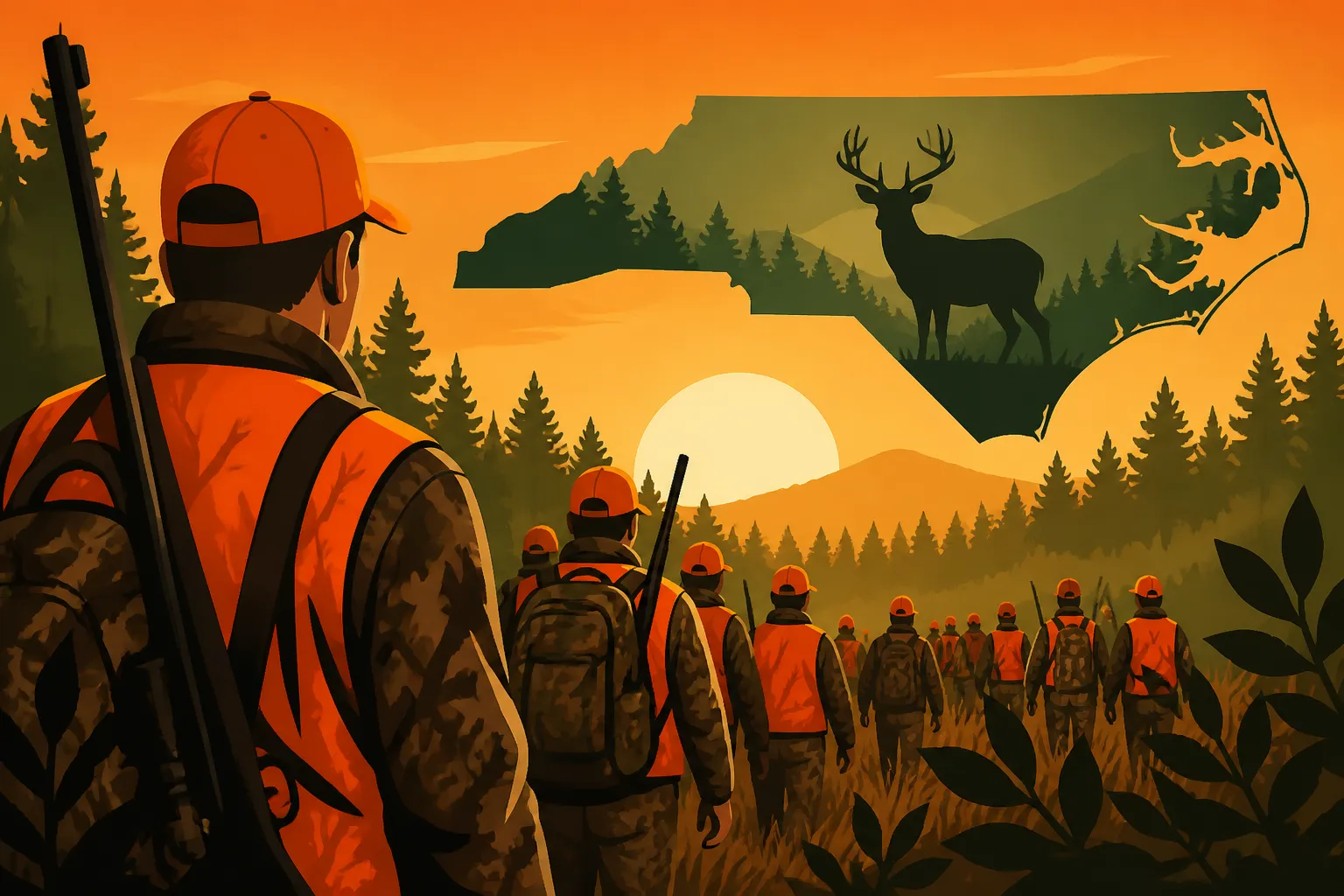
There's a special kind of excitement that buzzes through North Carolina on opening weekend of deer season, but let's be honest, it often comes with a hefty dose of frustration: crowds. Stepping onto public land only to find truck after truck lined up along the road, or hearing shots ringing out from every direction, can quickly deflate even the most eager hunter's spirits. This guide is here to help you navigate those busy times, offering real-world strategies to find pockets of solitude and increase your chances of success, even when everyone else has the same idea.
Understanding the "Why" Behind the Rush
Opening weekend isn't just another hunt; for many, it's an annual pilgrimage, a deeply ingrained tradition. And while some of us might grumble about the sheer volume of orange vests in the woods, it’s helpful to understand what draws so many people out all at once. Knowing the psychology behind the crowds can actually help you predict their movements and find your own quiet corner.
The Allure of Opening Day Tradition
For generations, opening day has been circled on calendars with anticipation usually reserved for major holidays. Families plan their fall around it, friends gather at hunting camps, and the aroma of breakfast sausage and coffee mixes with the crisp morning air. This isn't just about bagging a deer; it's about the shared experience, the stories told and retold, and the connection to a pastime passed down through time. You see folks from every walk of life, from seasoned veterans with decades in the woods to new hunters eager to learn the ropes. The sheer community aspect often overrides the desire for solitude, at least initially.
There's a palpable energy that comes with the first legal light of the season. Hunters have spent months scouting, preparing gear, and dreaming of that perfect shot. The mental build-up is immense, and opening day is the culmination of all that anticipation. It’s when the planning finally gives way to action, and for many, missing it simply isn't an option, regardless of how many other trucks are parked along the road. This deep-seated tradition means that many will be out there, rain or shine, making it crucial to have a plan for finding your own space.
Perceived "Best" Chance for Success
Another major driver for opening weekend crowds is the widespread belief that deer are "unpressured" and therefore more active or less wary during the initial days of the season. The logic is simple: if no one has been chasing them, they're more likely to follow their natural patterns, offering better opportunities. While there’s a kernel of truth to this – deer do get more cautious as the season progresses – the sheer volume of hunters on opening weekend can actually counteract this advantage. Deer quickly learn to adapt, often becoming nocturnal or seeking out the thickest cover available within hours of the season's start.
Hunters often feel a sense of urgency to be out there on day one, fearing that if they wait, all the "good" deer will be taken, or the remaining ones will be too spooky to approach. This creates a kind of self-fulfilling prophecy, where everyone rushes out, inadvertently increasing pressure and changing deer behavior across vast tracts of land almost immediately. The reality is, a less pressured deer mid-week or even later in the season, found in a secluded spot, can offer just as good – if not better – a chance than competing with dozens of others on opening Saturday.
Where the Crowds Congregate (and Where They Don't)
If you want to avoid the throngs of hunters on opening weekend, your first step is to understand where they’re most likely to gather. Think about accessibility, terrain, and previous hunting experiences. By recognizing these patterns, you can intentionally seek out less-traveled areas, giving yourself a much-needed edge.
High-Traffic Zones and Obvious Access Points
Most hunters, understandably, gravitate towards areas that are easy to reach. This means paved roads, well-maintained gravel roads that cut deep into game lands, and designated parking areas will almost always be packed. Any public land with clear, identifiable trails, logging roads, or even old forest service roads that allow vehicle access will see significant traffic. Think about that popular game land just outside of Raleigh or Charlotte – those spots will be crawling with hunters. Deer quickly learn to avoid these well-used corridors during daylight hours.
Beyond simple access, hunters also tend to flock to areas that look like prime deer habitat from a vehicle. A large clear-cut visible from the road, a field edge bordering public land, or a mature oak flat that's easy to walk into – these are all magnets for opening weekend pressure. If it’s easy to get to and looks "good," assume it will be scouted and hunted by many. This is where tools like onX Hunt become invaluable, allowing you to identify these obvious spots on a map and then deliberately look past them for more overlooked opportunities. You can use the satellite imagery to spot these natural funnels or food sources near easy access, knowing they’ll draw a crowd.
Overlooked Terrain and Remote Pockets
The key to escaping the crowds is often found in embracing discomfort and difficulty. Most hunters won't venture far from their vehicle, nor will they tackle particularly challenging terrain. This creates sanctuaries in places that are hard to access, steep, wet, or just plain thick. Think about those areas on your map that look like a sea of green, indicating dense, often impenetrable cover. These are the places deer will retreat to when pressure mounts.
In North Carolina, this could mean wading into a coastal plain pocosin swamp, complete with cypress knees, thick briars, and standing water. Or, in the mountains, it might involve tackling a grueling climb up a steep ridge, far from any established trail. Hunting a High Elevation Mountain Bench requires serious effort, but those benches often hold unpressured deer. Even smaller tracts of public land, often ignored because they seem "too small," can hold deer that have been pushed in from surrounding private land. The less inviting an area looks, the more likely it is to be overlooked by the majority, offering a surprising degree of solitude.
Strategies for Evading the Opening Weekend Rush
Okay, so we know why it's crowded and where it's crowded. Now, let's talk about how to actually get away from it all and put yourself in a better position for success. It often boils down to preparation, patience, and a willingness to work harder than the next guy.
Pre-Season Scouting and Digital Mapping
Your strategy for evading opening weekend crowds starts long before the season even begins, right from your couch. Digital mapping applications are your best friend here. Platforms like onX Hunt allow you to pore over satellite imagery, topographical maps, and public/private land boundaries from the comfort of your home. You can identify potential access points that aren't obvious, pinpoint thick cover, mark potential bedding areas, and trace out routes that take you deep into less-pressured zones. Look for pinch points, saddles, or creek bottoms that might funnel deer movement away from common hunter entry points. Scouting North Carolina Public Land Before Season is crucial, and digital maps make it incredibly efficient.
Once you've identified some promising areas on the map, it's time to put boots on the ground, even if it's just a hike without a weapon. Walk the routes you planned, paying attention to wind direction, thermals, and actual terrain challenges that might not be obvious on a flat map. Look for fresh sign: rubs, scrapes, tracks, and droppings. The goal is to find areas that show good deer activity but minimal human activity. This detailed pre-season work, especially Reading Aerial Photos for Piedmont Deer to identify obscure cover or overlooked habitat features, pays dividends when the woods are buzzing with other hunters.
Timing Your Entry and Exit
On opening weekend, everyone wants to be in their stand an hour before legal shooting light. And everyone wants to stay until the last possible minute. This creates a predictable pattern of movement that you can exploit. Instead of rushing in at dawn, consider a slightly later start. Deer that have been bumped by early-morning hunters might just be settling into their bedding areas around 8-9 AM. If you can slip in quietly a bit later, you might catch them moving from a pressured area into a more secure one.
Alternatively, consider an all-day sit, especially if the weather is cool. Most hunters will head back to camp or their truck around midday for lunch or a break. This mid-day lull can offer a surprisingly quiet window of opportunity as other hunters move out. Similarly, while many will hunt until dusk, a slow, patient still-hunt during the last few hours of daylight can be very effective as deer begin to move again, especially those that have been holed up all day. Knowing North Carolina Public Land Hunting Hours is important here, but understanding human patterns within those hours is even more vital.
Physical Exertion and Deeper Penetration
This is arguably the most effective strategy: walk further than everyone else. It's a simple truth that the vast majority of hunters on public land don't venture more than a quarter to half a mile from their vehicle. This creates a "hunting pressure donut," where the outer ring near roads is heavily hit, but the deeper core remains relatively untouched. If you're willing to put in the effort, packing a comfortable backpack and good boots, you can often find unpressured deer simply by going the extra mile (or two!). How Far to Walk From a Forest Road directly addresses this, and the answer is usually: further than you think you can.
Targeting areas that require significant physical exertion, like climbing steep mountainsides in the western part of the state, or slogging through dense, wet cover in the east, will naturally weed out a lot of competition. These are the places where mature bucks often seek refuge. Remember, a deer's primary defense against pressure is to move into the thickest, most inaccessible cover. If you're willing to follow them into that gnarly stuff, you stand a much better chance. This strategy ties directly into Finding Ground Others Walk Past, as the ground others walk past is often the ground others aren't willing to walk to.
Making the Most of Limited Space
Sometimes, no matter how hard you try, you're going to encounter other hunters on opening weekend. Instead of letting it ruin your hunt, adapt! Deer in pressured areas change their behavior, and by understanding these changes, you can still find success, even in less-than-ideal conditions. It's about thinking like a deer that's trying to survive.
Adapting Tactics to Pressure
When public lands fill up with hunters, deer don't just disappear; they become incredibly wary. Their movement patterns shift, often becoming more nocturnal, and they will utilize the thickest available cover for bedding and travel. This means your traditional stand over a food plot or a well-used trail might not be effective during daylight hours. Instead, focus on still-hunting through dense bedding areas, moving slowly and deliberately, pausing often to scan for movement. This is where patience truly becomes a virtue.
You might also consider focusing on smaller, isolated patches of cover, even if they seem insignificant. A small, overgrown thicket or a narrow strip of timber tucked between fields can become a temporary sanctuary for a deer trying to escape the commotion. Don't overlook these "non-traditional" spots. Deer under pressure will also use terrain to their advantage, sticking to creek bottoms, drainage ditches, or brushy fencerows to travel unseen. Being observant and adapting your method from sitting to a slow, deliberate stalk can make all the difference when Hunting Pressure on North Carolina Public Land is high.
Utilizing Natural Funnels and Bottlenecks
Even in heavily hunted areas, deer still have to move. They will use natural terrain features to their advantage, seeking paths of least resistance that also offer cover or a quick escape route. These are your natural funnels and bottlenecks. Think about a narrow strip of woods connecting two larger blocks of timber, a ditch line running across an open field, or a saddle on a ridge. Deer are almost certainly using these features to travel between bedding areas and whatever food or water sources remain active.
Setting up on a major funnel can be a high-reward strategy, especially as deer are bumped from other areas. They'll often default to these predictable travel corridors. For example, if there's a dense pocosin swamp, finding a narrow, dry finger of high ground that serves as an escape route or a natural crossing point could be golden. Hunting a Funnel Between Two Pocosins can be particularly effective because deer are forced into a more confined space, increasing your odds. This also applies to man-made features like old fence lines or the edges of dense pine plantations where deer will stick to the transition zone for cover and visibility. Your ability to read the landscape and predict these travel patterns will be key to intercepting deer that are actively trying to avoid hunters.
| Strategy Category | Common Opening Weekend Approach | Crowd-Wise Opening Weekend Approach |
|---|---|---|
| Access | Drive right to easy parking, hunt near roads | Park further out, hike obscure entry, use waterways |
| Timing | Dawn till 9 AM, then leave for lunch | Mid-morning entries, all-day sits, hunt late afternoon |
| Location Focus | Popular clear-cuts, field edges, easy timber | Remote pockets, thick swamps, steep ridges, small overlooked patches |
| Scouting | Basic map check, maybe a quick walk before season | Extensive digital mapping (onX Hunt), boots-on-the-ground, focus on minimal human sign |
| Hunting Style | Stationary stand hunting in obvious spots | Still-hunting, slow methodical movements, ground blinds in thick cover |
| Patience & Persistence | Quick shots, moving often if no immediate success | Long waits, adapting to deer movement, outlasting other hunters |
Disclaimer
This article is for general informational purposes only and does not constitute professional advice. Laws, prices and regulations vary by location and change over time. Consult a qualified professional for guidance on your specific situation.