Retrieving Game From Private Land in North Carolina
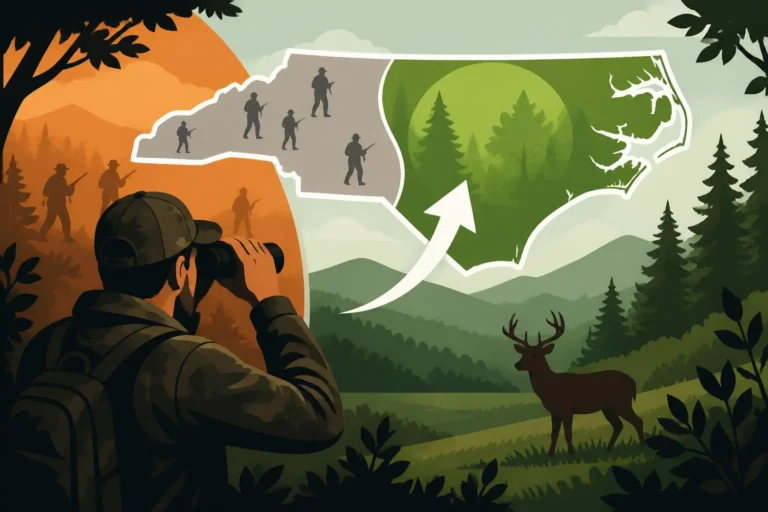
There’s nothing quite like the rush of a successful hunt in North Carolina, whether you’re perched high in a treestand overlooking a Piedmont field edge or navigating the dense thickets of a coastal pocosin. But that feeling can quickly turn to a gut-wrenching dread when you make a great shot, only to watch your deer, bear, or turkey sprint onto property you don't own. You know that animal is yours, but now it’s on someone else’s land, and suddenly, you’re faced with a tricky dilemma. This guide is all about navigating that common, frustrating, and often misunderstood situation: how to legally and ethically retrieve game that has crossed onto private property in North Carolina, ensuring you stay on the right side of the law and maintain good relationships with your neighbors.
Understanding North Carolina's Trespass Laws Regarding Game Retrieval
It's a moment every hunter hopes to avoid: you've made a good shot, perhaps on a fantastic buck you've been chasing all season, and you watch it run a short distance only to disappear over a fence line or into a thicket that clearly isn't part of your hunting ground. Your heart sinks. You know that animal is down or will be soon, but now it's on someone else's land. In North Carolina, the rules about retrieving game from private property are pretty clear, and they often clash with what many hunters wish they were.
The "Pursuit" Clause and Its Limitations
Many hunters have heard whispers or old tales about a "pursuit" clause in hunting law – the idea that if you wound an animal, you have a legal right to follow it onto private property to retrieve it. Let me tell you, as someone who's spent years in the woods and talking to game wardens, this is a dangerous misconception in North Carolina. There is no general "pursuit" clause in our state's laws that grants you automatic access to private land to recover game, wounded or otherwise.
What the law does allow, typically, is for you to recover game from public land or land where you already have permission to hunt. The moment that animal crosses a private property line where you don't have explicit permission, the situation changes dramatically. Imagine you're hunting on a small public game land tract, and a deer you shot crosses into a neighboring private soybean field. While your instinct is to immediately follow that blood trail, doing so without permission from the farmer who owns that field could land you in legal hot water. The law prioritizes property rights above your right to retrieve game you wounded. It's a tough pill to swallow, especially when you've invested so much time and effort, and you have an ethical obligation to recover the animal. But the law is unwavering here: private land is private, regardless of where your game falls.
The Critical Need for Permission
This brings us to the absolute golden rule of game retrieval in North Carolina: explicit permission is non-negotiable. You simply must obtain permission from the landowner before stepping foot on their property, even if it's just to pick up a deer that dropped 20 yards inside their fence line. This isn't just a courtesy; it's a legal requirement.
The consequences of not getting permission, even if your intentions are noble, can be severe. You could be charged with trespassing. If you're armed, it could escalate to armed trespassing. This can lead to fines, loss of hunting privileges, and even jail time in some cases. Imagine losing your hunting license and facing a criminal record, all because you followed a blood trail without asking first. It's simply not worth the risk. I've seen situations where hunters, frustrated and eager to recover their animal, made the mistake of pushing onto private land, only to find themselves facing an angry landowner and a stern game warden. North Carolina Wildlife Violation Penalties can be steep, and a trespassing charge is a quick way to learn that lesson the hard way. Always, always, make that call or knock on that door.
Posted Land and Other Property Markers
North Carolina has clear rules about what constitutes "posted" land, which means land that is clearly marked to prohibit entry. Generally, land is considered posted if there are signs conspicuously placed at intervals of 200 yards or less along the boundaries of the area. These signs must state "No Trespassing," "Private Property," or similar language. They also need to include the name of the owner, lessee, or agent of the owner. You can learn more about the specifics in North Carolina Posted Land Rules.
However, here's a crucial point: even if land isn't explicitly "posted" with official signs, it's still considered private property, and you still need permission to enter. Many landowners, especially those with smaller parcels or properties that aren't actively hunted, might not bother with formal posting. Ignorance of the property line is rarely a valid excuse in the eyes of the law. This is where modern technology really shines. Tools like onX Hunt or GoHunt have become invaluable for hunters. With their detailed satellite imagery and property line overlays, you can literally see where the public land ends and private land begins, often with landowner names right there on the map. Before you even step into the woods, especially when hunting near boundaries, it's smart to use these apps to understand who owns the adjacent land. This proactive scouting can save you a world of trouble and help you identify potential landowners to contact before you ever pull the trigger.
Strategies for Gaining Landowner Permission
So, you've got a deer down, or at least you believe it is, and it's on private land. The clock is ticking, and the pressure is on. This isn't the time to panic or act impulsively. How you approach the situation can make all the difference between recovering your animal and facing legal issues or leaving it behind.
Immediate Action: When the Shot Happens
The very first thing you should do after your game crosses onto private land is stop the hunt. Do not continue to pursue the animal onto the property without permission. Instead, focus on gathering crucial information from your current, legal position. Mark the spot where you last saw the animal on your side of the property line, or where you last found blood. Take note of any distinct landmarks – a fallen tree, a specific patch of briars, a unique rock – that can help you describe the animal's last known location. This is also a good time to pull out your onX Hunt app and pinpoint exactly where you believe the animal went onto the adjacent property and who owns that parcel.
Once you have this information, back out slowly and quietly. Resist the urge to press on, even if the trail looks hot. Your priority now shifts from hunting to diplomacy. The sooner you can contact the landowner, the better. Not only does it show respect for their property, but it also allows for quicker retrieval, which is vital, especially on warmer days, to preserve the meat.
Best Practices for Approaching Landowners
This is where your people skills come into play. A respectful, honest, and humble approach is far more likely to yield a positive outcome than an aggressive or demanding one.
- Be Prompt and Polite: As soon as you've marked the last sign, attempt to contact the landowner. This might mean knocking on their door, calling their listed number (if available through a service like onX Hunt), or asking a neighbor if they know how to reach them. When you make contact, introduce yourself clearly and explain the situation calmly. "Hello, my name is [Your Name], and I was hunting on [Public Land/Your Property] nearby. I believe I just shot a deer, and it ran onto your property right near [describe location]. Would it be possible for me to get your permission to track and retrieve it?"
- Provide Specifics: Landowners appreciate clear communication. Tell them exactly where you were hunting, where you believe the animal crossed, and where on their property you expect to find it. Offer to show them on a map if they are interested. Let them know how many people will be with you (ideally, just one or two) and that you will stick strictly to the retrieval path.
- Offer to Be Accompanied: Some landowners might be more comfortable if they or a representative accompanies you. Be agreeable to this if they offer. It builds trust and ensures you don't overstep any boundaries.
- Assure Minimal Impact: Emphasize that you will be respectful of their property. You won't be looking around, bringing dogs (unless specifically agreed upon), or making a ruckus. You're there for one purpose: to quickly and quietly recover your game. "I promise we'll go straight to the animal, get it out, and leave your property exactly as we found it. We won't disturb anything."
- Be Prepared for "No": This is the hardest part. The landowner has every legal right to refuse your request. If they say no, you must respect their decision, no matter how frustrating it is. Arguing or trying to convince them further will only sour relationships and could lead to legal trouble. It's a bitter pill, but sometimes, you have to let go. This ties directly into Do You Need Written Permission in North Carolina?, which, while not always legally required for verbal consent, certainly strengthens your position and clarifies terms with a landowner.
Building Relationships for Future Hunts
This current situation is immediate, but thinking long-term can save you headaches down the road. If you frequently hunt near certain private land boundaries, consider reaching out to those landowners before the season even begins. A proactive approach can turn a potential problem into a friendly arrangement.
Imagine stopping by a farmer's house a few weeks before bow season, introducing yourself, and simply saying, "Hey, I hunt the public land bordering your farm, and sometimes deer will cross over. I just wanted to introduce myself and ask if, in the unfortunate event that happens, I could have your permission to track an animal onto your property." This gesture of respect and foresight goes a long way.
You might even offer to help them out – lend a hand stacking firewood, offer to help them North Carolina Landowner Deer Permit Rules to manage deer if they have crop damage, or simply offer them some venison if you're successful. These small acts of kindness and community building can foster a positive relationship that makes future retrieval requests much smoother. Using tools like GoHunt, which can provide information about land ownership, can help you identify these critical adjacent landowners for pre-season outreach. Asking a North Carolina Farmer for Permission doesn't just apply to hunting their land, but also to merely crossing it.
| Action | Priority | Why It Matters | Key Considerations |
|---|---|---|---|
| Mark Last Sign | High | Pinpoints location; crucial for landowner discussion and blood trailing | Use GPS, physical markers; note time |
| Back Out | High | Prevents trespassing; allows for calm, legal approach | Do not pursue; secure your weapon if leaving the area to seek permission |
| Identify Landowner | High | Essential for obtaining permission; legal due diligence | Use mapping apps (onX Hunt, GoHunt); ask neighbors if needed |
| Make Contact | High | Legal necessity; shows respect; time-sensitive for meat preservation | Be polite, honest, specific; offer to be accompanied |
| Retrieve | Medium | Ethical obligation to recover game; preserves meat | If permission granted, move quickly, stick to path, minimize impact |
| Thank Landowner | High | Fosters goodwill; critical for future relations | Offer venison, a small gift, or simply heartfelt thanks |
What to Do If Permission Is Denied or Unobtainable
Despite your best efforts and most respectful approach, sometimes a landowner will simply say no, or you might not be able to reach them at all. This is an incredibly tough situation for any hunter, but understanding your options and limitations is crucial.
Respecting the Landowner's Decision
Let’s be brutally honest: if a landowner denies you permission to retrieve your game, you must respect their decision. Period. This is not a suggestion; it is a legal and ethical imperative. As frustrating as it is to leave a hard-earned animal, entering private property without consent is trespassing, and the consequences are simply not worth it.
I've been there myself, staring across a fence line at what I knew was a downed buck, the sun setting, and the landowner politely but firmly saying, "No, I don't allow anyone on my property." It feels like a punch to the gut. You feel the weight of the ethical obligation to recover the animal, but that obligation does not supersede the landowner's property rights. Pushing the issue, arguing, or, worst of all, sneaking onto the property anyway, will only exacerbate the situation. Not only will you face potential charges, but you'll also damage the reputation of hunters in general, making it harder for the next hunter facing a similar predicament. It’s a bitter pill to swallow, accepting that the animal you harvested might go to waste, but sometimes, it's the only legal and responsible choice you have.
Involving Law Enforcement or Wildlife Resources Commission (WRC)
There are limited circumstances where involving law enforcement or the North Carolina Wildlife Resources Commission (WRC) might be an option, but it's important to have realistic expectations about what they can and cannot do.
- When to Call Them: If you’ve made a genuine effort to contact the landowner and have been repeatedly unsuccessful, or if you suspect foul play (e.g., someone else has taken your animal from their property after you contacted them), you could reach out to your local WRC game warden or sheriff's office. Explain the situation clearly, detailing your efforts to gain permission and the animal's location.
- What They Can Do: A game warden might be willing to act as an intermediary, contacting the landowner on your behalf and explaining the situation. Sometimes, a landowner is more amenable to granting permission when approached by an official, or they might simply be more responsive to an official call than a call from an unknown hunter. However, it's critical to understand that neither law enforcement nor the WRC can force a private landowner to grant you access to their property. Their role is primarily to enforce hunting and trespassing laws, not to mediate private property disputes. They may offer to accompany you if permission is granted, or they might advise you on legal next steps if a dispute arises, but they cannot override a landowner's right to deny access.
Alternative Solutions and When to Let Go
In some instances, if you can't get permission, you might be able to use indirect methods to confirm the animal's fate or even retrieve it.
- Game Cameras (with permission): If you have a good relationship with the landowner, they might allow you to place a game camera near where you believe the animal went down to confirm if it’s there or if another animal has found it. This still requires permission, but it’s less intrusive than you walking the property.
- Accepting the Loss: This is the hardest part of hunting, but it's a reality. If you cannot get permission, and authorities cannot help, you may simply have to accept that you've lost the animal. It's a painful lesson, but it reinforces the importance of knowing your hunting boundaries, being highly selective with your shots, and building good relationships with neighboring landowners. When hunting small tracts or near urban edges, the risk of game crossing boundaries is higher, making precise shot placement and quick takedowns even more critical. Planning your hunts to account for potential animal movement into legal recovery zones is part of being a responsible hunter.
Practical Considerations During Retrieval
If you've managed to secure permission, congratulations! You've cleared a major hurdle. Now, the focus shifts to a respectful and efficient retrieval, ensuring you honor the trust the landowner has placed in you.
Tracking and Evidence Gathering
Before you even step onto their land, review the last known signs. If you had marked the last blood, confirm that spot on your mapping app. If you're going in with another person, make sure they understand the path you intend to take.
- Blood Trailing Best Practices: Once on the property, move slowly and deliberately. Look for every drop of blood, disturbed leaves, broken twigs, or scuff marks. Pay attention to the direction of travel. Take your time, even if it means slowing down. If the blood trail is sparse, expand your search pattern in ever-widening circles from the last confirmed sign. Having a good, bright flashlight, even in daylight, can help illuminate blood, especially in thick cover. For situations where the light fades, knowing how to approach Blood Trailing After Dark in North Carolina becomes essential, though you'll need the landowner's explicit permission for after-dark activity.
- Gathering Evidence: If you find the animal, take a moment to confirm it's yours and assess the shot. This helps you learn for future hunts. Document the location if it's far from the property line, so you can clearly explain to the landowner where you found it.
Respecting the Property While Retrieving
This is where you demonstrate your integrity as a hunter and solidify a positive relationship with the landowner.
- Stay on the Path: Your agreement was to retrieve the animal. Stick to that purpose. Do not wander around, look at other areas, or sightsee. Take the most direct path to the animal, and the most direct path back out. If you need to deviate slightly to navigate difficult terrain, inform the landowner if they are with you, or ensure it's a minimal detour.
- Mind the Surroundings: Be acutely aware of your surroundings. If there are gates, close them behind you. If there are crops, avoid walking through them; stick to the edges or field roads. Watch out for livestock, fences, and any equipment. Treat their property with more care than you would your own.
- No Unnecessary Disturbance: Keep noise to a minimum. Don't leave trash. If you're field dressing the animal, do so efficiently and away from any visible areas if possible. Carry out all parts of the animal and any associated waste. Remember, you are a guest, and your actions reflect not just on you, but on all hunters.
Equipment for a Successful Retrieval
Having the right gear makes the retrieval process smoother and more efficient, further minimizing your time on private land.
- Lights: A good headlamp or flashlight is essential, even in daylight, to follow a blood trail in shaded areas or if the retrieval extends into dusk.
- Game Cart or Sled: If the animal is large and the terrain allows, a game cart can make extraction much easier, especially if you have a long distance to cover or need to cross varied terrain. For denser woods or wet areas like a Dragging a Deer Out of a Coastal Swamp, a deer sled might be more practical than a wheeled cart.
- Knives and Field Dressing Gear: Have a sharp field dressing knife, gutting gloves, and perhaps a small bone saw if you plan to quarter the animal to make it lighter to carry out.
- Game Bags: If the weather is warm, having breathable game bags can protect the meat from flies and dirt during transport. Also, consider a cooler with ice, especially if it's an early season hunt. Check out Coolers and Game Bags for Early Archery for more tips.
- GPS/Mapping App: Your phone or a dedicated GPS unit loaded with onX Hunt is crucial for marking the animal's location, navigating directly to it, and ensuring you don't stray from the agreed-upon path.
By being prepared, respectful, and understanding of the law and landowner rights, you maximize your chances of a successful and conflict-free game retrieval, even when faced with the challenge of crossing property lines.
Disclaimer
This article is for general informational purposes only and does not constitute professional advice. Laws, prices and regulations vary by location and change over time. Consult a qualified professional for guidance on your specific situation.