Asking a North Carolina Farmer for Permission
Finding good hunting land in North Carolina can feel like an impossible puzzle, especially when public land is crowded or too far from home. Many of us dream of having a private farm to ourselves, but the thought of approaching a busy farmer and asking for access can be incredibly intimidating. This guide is here to demystify that process, offering a realistic, step-by-step approach to respectfully and effectively ask North Carolina landowners for permission to hunt their property.
Understanding the North Carolina Farmer's Perspective
Before you even think about knocking on a door, it's crucial to put yourself in a farmer's boots. These folks often work from sunup to sundown, dealing with the unpredictable nature of weather, markets, and machinery. Their land is not just a place; it's their livelihood, their home, and often, generations of their family's history. When a stranger shows up asking to hunt, it’s not just about deer; it’s about trust, responsibility, and the potential for disruption.
Many North Carolina landowners, especially those with prime hunting habitat like mature hardwoods or agricultural fields, get bombarded with requests. Some have had bad experiences in the past – gates left open, trash discarded, fences cut, or even property damaged. These incidents create a protective barrier, making them understandably wary of new hunters. Your job is to break down that barrier with respect and a clear demonstration of trustworthiness.
Why Farmers Might Be Hesitant
Farmers juggle a lot, and adding another variable, like hunters on their land, can feel like more trouble than it's worth. They might worry about liability if someone gets hurt on their property, even if you sign a waiver. There's also the very real concern about property damage – a careless hunter driving over a planted field, cutting fences to take a shortcut, or even shooting too close to livestock or buildings. These aren't just minor annoyances; they can hit a farmer right in the pocketbook.
Beyond the practical, there's the emotional aspect. Many farmers see their land as their sanctuary, and they don't want it overrun or disrespected. They might have kids or grandkids who hunt, or they might simply enjoy the peace and quiet. The thought of strangers traipsing through their woods or fields, especially if they’re loud or careless, can be a major deterrent. Over the years, I've heard countless stories from landowners about "that one guy" who ruined it for everyone, and those stories stick.
What Farmers Value in a Hunter
On the flip side, a good farmer will often appreciate a responsible, respectful hunter. What they value most is someone who understands and respects their property, their privacy, and their rules. They want hunters who are accountable and communicate clearly. If you can present yourself as someone who will enhance their property, rather than be a burden, you're already ahead of the game.
Often, farmers are struggling with issues like North Carolina's Year-Round Hog Rule on Private Land or rampant coyote populations impacting livestock or fawns. If you can subtly offer to help with these problems, you instantly become a valuable asset rather than just another person looking for a deer. Showing genuine interest in their farm, offering to lend a hand with chores, or simply proving you're a decent, trustworthy individual can go a long, long way. It's about building a relationship, not just getting a permit.
Preparing for Your Approach: Homework is Key
You wouldn't just walk into a job interview without doing your research, would you? The same principle applies here. Your preparation speaks volumes before you even say a word. Showing a farmer you've done your homework demonstrates respect for their time and property, and it helps you articulate exactly why you're interested in their land specifically. This isn't just about finding any patch of woods; it's about finding the right patch and showing you've thought about it.
It also gives you an edge by understanding the lay of the land, potential access points, and even what species might be present. Walking onto a farm blindly and just saying "Can I hunt?" is far less effective than saying "I noticed you have a creek bottom running through your property on the north side, and it looks like a natural travel corridor for deer moving between the standing corn and that thick pine block." That shows you're serious.
Researching Potential Properties and Landowners
First things first, get to know the land you're interested in. Modern mapping tools are your best friend here. Services like onX Hunt and GoHunt allow you to identify property boundaries, landowner names, and often, tax parcel information. You can zoom in on aerial imagery to spot food sources, cover, water, and potential travel routes. This reconnaissance can tell you if the property even holds deer, turkey, or whatever species you're after. Look for those tell-tale signs: agricultural fields, thickets, creek beds, or even older logging roads. You can learn a lot from Reading Aerial Photos for Piedmont Deer.
Once you have a landowner's name, a quick online search might reveal a phone number or a bit more about them. This isn't about being creepy; it's about being informed. Knowing if they run a specific type of farm (dairy, row crop, cattle) can help you tailor your approach. For example, a cattle farmer might be more concerned about hunters spooking livestock than a row crop farmer. This initial research helps you identify genuine opportunities and avoid wasting both your and the farmer's time on properties that clearly aren't a good fit.
Timing Your Visit and First Impressions
Timing is everything. Never approach a farmer during planting season, harvest season, or when they're frantically trying to get hay in before a storm. Their mind will be elsewhere, and you'll likely be seen as an interruption. Weekends, especially Sunday afternoons, can sometimes work, but weekdays during a lull (mid-morning or late afternoon, before dinner) are often better. The key is to catch them when they're not operating heavy machinery or wrestling with livestock.
Your appearance and demeanor are also critical for Knocking on Doors in Piedmont Farm Country. Dress neatly and respectfully – clean jeans and a collared shirt are usually appropriate. Avoid camo unless you’re already hunting or scouting, and even then, make sure it’s clean and not intimidating. Take off your hat when you introduce yourself. Speak clearly, be polite, and maintain eye contact. Remember, you are asking for a privilege, not demanding a right. A good first impression shows you're a responsible individual, not just someone looking for a quick buck.
Making the Ask: The Face-to-Face Conversation
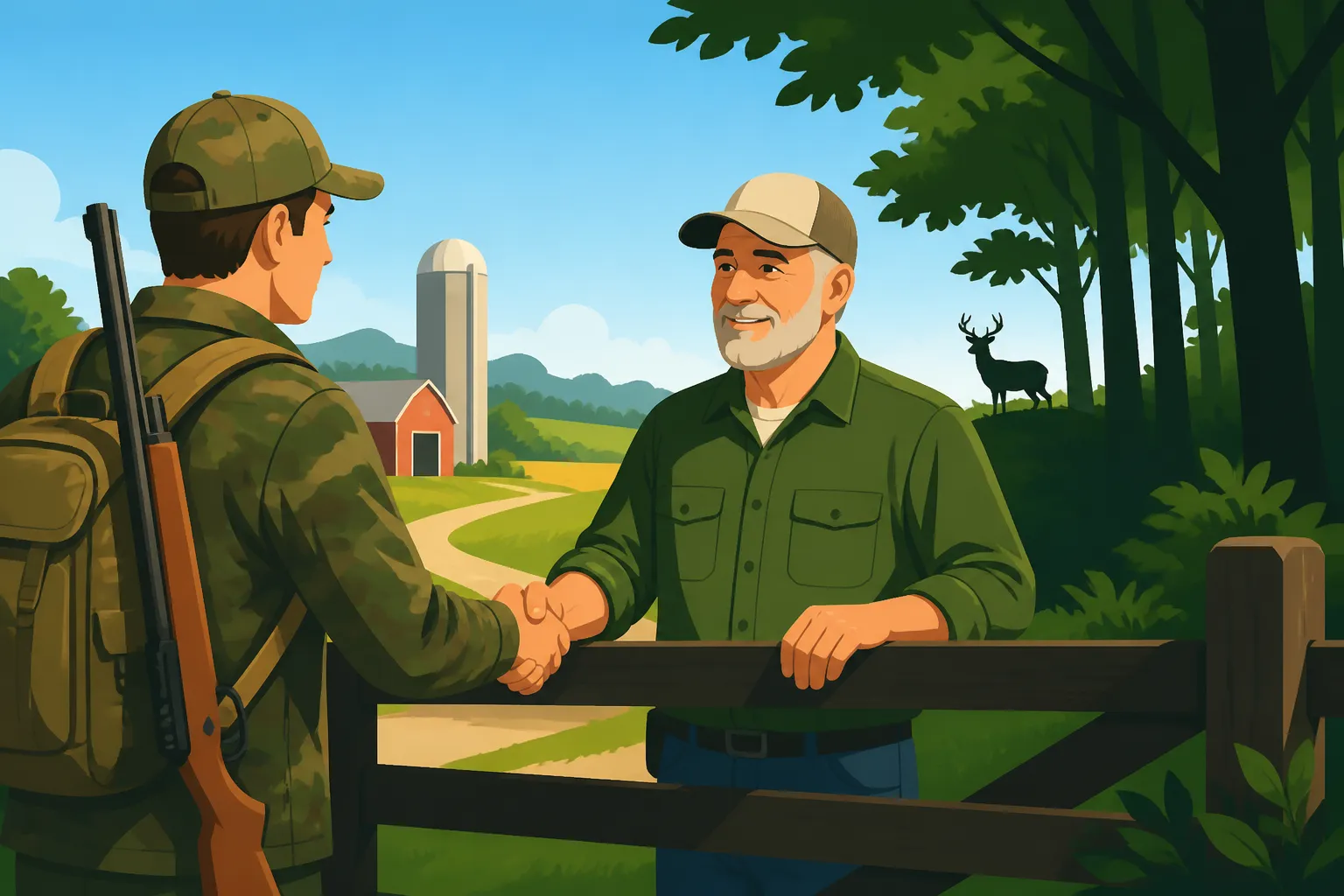
This is where the rubber meets the road. All your research and good intentions culminate in this conversation. It can feel nerve-wracking, but with the right approach, it becomes a respectful dialogue. Remember, you're not just asking for a place to hunt; you're offering to be a responsible, trustworthy presence on their land.
It’s often best to meet the farmer at their home or farm headquarters, rather than in a field. This shows respect for their personal space and allows for a more relaxed conversation. Bring a small notebook and a pen; it shows you're prepared to listen and record important information.
Crafting Your Opening and Building Rapport
Start by introducing yourself clearly, stating your full name and where you're from. Immediately follow with the reason for your visit: "Mr. Johnson, my name is [Your Name], and I live nearby in [Your Town]. I noticed your property has some beautiful woods and fields, and I was hoping to speak with you about the possibility of hunting deer and turkey this season." Be concise and to the point, but polite. Don't beat around the bush; farmers appreciate directness.
Then, pivot to building rapport. Mention something specific you observed about their property that you appreciate – "I admire how well-kept your fences are," or "Your corn crop looks fantastic this year." Show genuine interest in their farm. Emphasize your commitment to safety, respect for their property, and willingness to follow their rules, whatever they may be. If you've completed North Carolina Hunter Education Requirements, mention it. Highlight that you're a responsible hunter who leaves no trace and understands the importance of keeping gates closed and avoiding damage to crops or livestock.
Discussing Specifics and Setting Expectations
Once you've made your initial request and built a little rapport, be ready to discuss the specifics. What species are you interested in hunting? How often do you anticipate being there? What weapons will you use? Are you willing to hunt only specific parts of the property? This is where your prior research pays off. You can show you already know where specific deer trails might be or the best spot for Setting Up on a Piedmont Field Edge.
It's also a good time to bring up topics like North Carolina Trespass and Permission Law and the importance of having clear boundaries. You might ask if they require written permission, which is often a smart move to protect both parties. Do You Need Written Permission in North Carolina? is a question you'll want to address directly. Offer to sign any liability waivers or agreements they might have. This demonstrates you’re serious and understand the gravity of the privilege you're seeking. Don't be afraid to offer to help out around the farm in exchange for hunting access – clearing brush, mending fences, or assisting with other chores can be a huge bonus for a busy farmer.
Maintaining the Relationship: Long-Term Access
Getting permission once is a great start, but the real goal is to build a lasting relationship that provides consistent hunting access year after year. This requires ongoing effort, respect, and clear communication. Treat their land better than you would your own, and always remember it's a privilege, not a right.
A long-term relationship with a landowner means you become an extension of their eyes and ears on the property. You might notice something amiss, like a downed fence or suspicious activity, that you can report to them. This makes you an asset, not just a guest.
Follow-Up, Gratitude, and Being a Good Steward
After you get permission, a handwritten thank-you note is a classic, thoughtful gesture that goes a long way. Throughout the season, keep the lines of communication open. Let the farmer know when you plan to be on the property, and report any significant observations, like a large buck moving through or signs of disease in the deer herd. If you harvest an animal, offer them some of the meat – it’s a wonderful gesture of gratitude and can help strengthen your bond.
Always leave the property better than you found it. Pick up any trash you see, even if it's not yours. Close every gate you open, every time, without fail. Report any damage you accidentally cause, no matter how small, and offer to fix it. If you said you'd help with Deer Damage Permits for Farmers or North Carolina Hog Hunting Permit Requirements by targeting those animals, follow through. Be reliable, be respectful, and be a good steward of their land.
The Dos and Don'ts of Private Land Hunting
To keep that permission locked in for years to come, here’s a quick rundown of what to do and what to absolutely avoid:
| Do's | Don'ts |
|---|---|
| Do always inform the landowner when you'll be on the property. | Don't ever bring unapproved guests. This is a common way to lose permission. |
| Do stick to the agreed-upon areas and rules. | Don't leave trash, spent casings, or any litter. Pack it in, pack it out. |
| Do close all gates behind you, every single time. | Don't drive off designated roads or through fields, especially planted ones. |
| Do respect livestock, crops, and farm equipment. | Don't assume permission for one thing extends to another (e.g., deer hunting doesn't mean you can turkey hunt without asking). |
| Do offer to help with chores or report issues. | Don't shoot too close to buildings, livestock, or property lines. Know your backdrop. |
| Do share your success (e.g., offer venison, photos). | Don't overstay your welcome or become a nuisance. |
| Do be considerate of their family and privacy. | Don't take advantage of their generosity or push boundaries. |
| Do obtain written permission, even if not required by law. | Don't assume permission carries over year to year; politely ask again before each season. |
Remember, you're not just hunting a piece of land; you're representing all hunters to that landowner. Your actions reflect on the entire hunting community. By being an exemplary guest, you not only secure your own access but also help open doors for others in the future, proving that hunters can be trusted allies to North Carolina farmers.
Disclaimer
This article is for general informational purposes only and does not constitute professional advice. Laws, prices and regulations vary by location and change over time. Consult a qualified professional for guidance on your specific situation.