Which North Carolina State Parks Allow Hunting
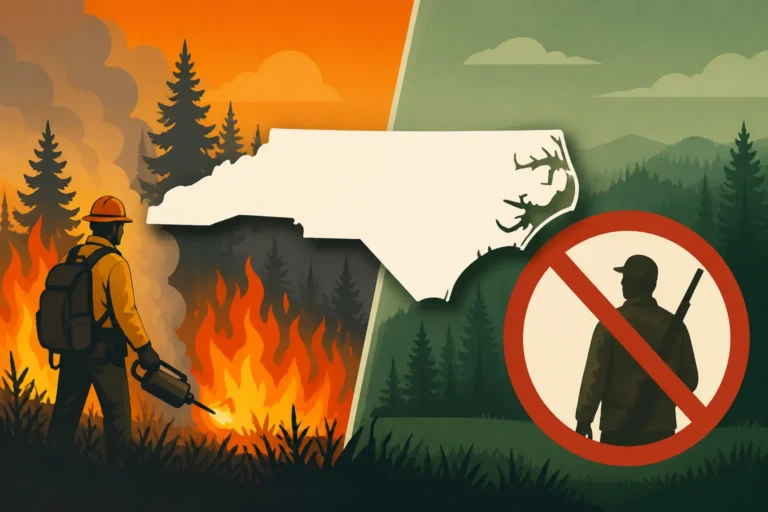
It’s a common misconception, one I hear all the time from folks new to hunting in our beautiful state: “Can I hunt in North Carolina State Parks?” Most people assume the answer is a flat no, that these pristine areas are reserved exclusively for hikers, birdwatchers, and picnickers. And for the vast majority of the land within North Carolina's State Parks, that assumption is correct. However, for those who dig a little deeper and understand the nuances of wildlife management, there are indeed limited, highly regulated hunting opportunities that exist within certain state park boundaries. This guide will cut through the confusion, explaining where these opportunities lie, why they're so restricted, and how you might actually get a chance to pursue game in these unique settings.
The General Rule: State Parks Are Often Off-Limits (But Not Always!)
Let's face it, when you think of a state park, you probably picture families strolling on paved paths, kids splashing in lakes, and hikers enjoying scenic overlooks. You rarely picture a hunter with a bow or rifle, and for good reason. The primary mission of most state parks is to provide recreational access and preserve natural beauty for a broad public, often focusing on non-consumptive activities. This creates a natural tension with hunting, which requires different considerations for safety and public perception.
Why the Perception Exists: Most State Parks Prioritize Passive Recreation
Imagine trying to set up a deer stand or conduct a deer drive in a park teeming with people out for a Sunday afternoon hike. It’s just not feasible, nor safe for anyone involved. State parks are designed to be accessible to everyone, and activities like camping, kayaking, and enjoying nature are paramount. When wildlife populations need to be managed, the general public might not immediately connect that need with traditional hunting methods in a family-friendly park. It can be a hard pill to swallow for some, and state agencies walk a fine line balancing diverse public interests. This focus on passive recreation means that hunting, even when justified for ecological reasons, is often the last option considered, and when it is, it's done under incredibly strict conditions.
The Exception to the Rule: Quota Hunts and Special Programs
While most state parks are indeed off-limits, it's not a blanket ban across all acreage. There are specific exceptions, and these usually come in the form of highly controlled, permit-only "quota hunts." These aren't the kind of hunts where you can just walk in with your license and a blaze orange vest. No, these are carefully orchestrated events, often limited to specific dates, sections of a park, and a handful of hunters, all designed with precise wildlife management objectives in mind. Think of them less as a typical hunting season and more as a surgical intervention to maintain a healthy ecosystem balance. It’s a way for wildlife managers to address specific issues, like an overpopulation of deer impacting forest regeneration, while still minimizing disruption to other park users.
North Carolina State Parks with Hunting Opportunities
Alright, let's get down to brass tacks: which state parks, or portions thereof, might actually offer you a chance to hunt? It's not a long list, and it's constantly subject to change, so always, always check the absolute latest regulations from the North Carolina Wildlife Resources Commission (NCWRC) website. They are the ultimate authority here.
Specific Parks and Their Hunt Types
When we talk about hunting in North Carolina State Parks, we're really talking about a handful of specific areas that participate in managed deer hunts, or sometimes other species, through a permit lottery system. These are rarely the entire park, but rather designated sections, often those bordering other public lands or with less public traffic.
For instance, you might find managed hunts in certain sections of Falls Lake State Recreation Area or Jordan Lake State Recreation Area. These popular spots, while known for boating and picnicking, contain significant forested acreage where deer populations can thrive. When deer numbers grow too high, it can impact the health of the forest understory, damage agricultural fields on adjacent private lands, and even increase deer-vehicle collisions on nearby roads. These hunts are a tool to keep the ecosystem in balance.
It's crucial to understand that these aren't "park-wide" hunts. Instead, wildlife biologists and park managers identify specific zones within the recreation area that are suitable for hunting, usually for white-tailed deer. These zones are carefully delineated to ensure maximum safety for all park users, with clear boundaries, access points, and often specific regulations regarding stands, weapons, and movement. Hunters often draw for specific hunt areas or blinds within these zones, further controlling the experience. It takes a lot of planning and coordination to make these safe and effective. You can learn more about general deer rules in North Carolina Deer Season Structure Explained.
How Quota Hunts Work in State Parks
If you're eyeing one of these rare state park hunting opportunities, be prepared for a competitive and structured process. These are almost exclusively "quota hunts," which means:
- Application Process: You'll need to apply through the NCWRC's online system during specific application windows. This isn't a walk-up affair. You're entering a lottery, and the odds can be long, but the prize is access to some truly unique hunting grounds. Check the North Carolina Quota Hunt Application Window on the NCWRC site for deadlines.
- Limited Spots and Draw System: Only a predetermined number of hunters are allowed during specific hunt periods. This ensures safety, minimizes pressure on the game, and allows for precise management. Successful applicants are chosen via a random draw. Don't be discouraged if you don't get drawn the first time; many experienced hunters apply year after year to get a chance at these special hunts.
- Specific Dates and Species: These hunts are highly time-specific, often just a few days or weekends within the broader hunting season. Deer are the primary target, but occasionally other species like turkey or bear might be included in very specific contexts, depending on the park's needs.
- Special Rules and Regulations: Expect additional rules beyond standard statewide regulations. This might include archery-only zones (even during general gun season), specific blaze orange requirements even for archery hunters, limitations on tree stands (often only ladder stands or ground blinds, with no screws or nails into trees), and strict check-in/check-out procedures. Understanding these unique rules is paramount. You'll definitely want to review North Carolina Blaze Orange Requirements before heading out.
Remember, the goal is often herd management first, and recreational opportunity second. This means bag limits might be focused on antlerless deer to control population growth, especially in areas with known overbrowsing issues.
Here's a simplified overview of typical state park hunting characteristics:
| Park Example (or Type of Area) | Primary Game | Typical Hunt Type | Key Restrictions & Notes |
|---|---|---|---|
| Falls Lake State Rec. Area | White-tailed Deer | Archery Quota Hunts | Specific, delineated zones; limited permits; advanced application. |
| Jordan Lake State Rec. Area | White-tailed Deer | Archery Quota Hunts | Sections often border game lands; high competition; permit required. |
| Other State Parks (rarely) | Deer, sometimes Turkey | Very limited/Special Mgmt. | Consult NCWRC directly; highly infrequent; specific ecological need. |
Understanding the Rationale Behind State Park Hunting Regulations
The strict regulations and limited access for hunting in state parks aren't arbitrary. They stem from a complex balance of conservation principles, public safety concerns, and the core mission of state parks. It's easy for hunters to feel excluded, but understanding the "why" behind the rules can help.
Balancing Conservation and Public Safety
North Carolina's State Parks are designed for broad public enjoyment, and that enjoyment often means high visitor traffic. A typical Saturday in October might see hundreds, even thousands, of people using trails, picnic areas, and waterways. Introducing uncontrolled hunting into such an environment would create immense safety hazards for non-hunters and could quickly lead to accidents.
Moreover, many state parks serve as important sanctuaries for non-game species and sensitive habitats. While deer management is crucial, it's done in a way that minimizes disturbance to other wildlife and the overall ecosystem. This means careful planning for hunt zones, timing, and hunter density. The safety of every park user—be they hunter, hiker, or birdwatcher—is the paramount concern. This is why you'll often see designated buffer zones where hunting is strictly prohibited, even in areas where a managed hunt is taking place. It's all about ensuring that everyone can enjoy these natural spaces without fear.
Wildlife Management Goals for Controlled Hunts
Despite popular belief, hunting isn't always about trophies or filling the freezer (though those are certainly perks!). In state parks, hunting is primarily a scientific tool used by wildlife biologists to achieve specific ecological goals.
- Deer Overpopulation and Habitat Damage: In many areas, especially near urban and suburban environments, deer populations can grow unchecked due to a lack of natural predators and abundant food sources. When deer numbers exceed the carrying capacity of the land, they can severely overbrowse vegetation, destroying the forest understory, impacting regeneration, and reducing habitat for other species. Controlled hunts help reduce these populations to healthier levels, allowing the ecosystem to recover.
- Disease Control: The specter of Chronic Wasting Disease (CWD) looms large in wildlife management. While North Carolina has robust monitoring programs in place (you can read more about North Carolina's Chronic Wasting Disease Areas), high deer densities can accelerate the spread of such diseases. Managed hunts can be a proactive measure to maintain herd health and reduce the risk of CWD outbreaks, especially in areas like those potentially near Mandatory Testing Inside a CWD Surveillance Area.
- Providing Unique, Controlled Hunting Experiences: While limited, these hunts do offer a unique opportunity. They allow hunters access to areas that are typically closed, often resulting in less pressured animals and a more secluded experience than some crowded public game lands. It’s a chance to hunt close to home for many, in areas that feel truly wild, even if they're near population centers.
Navigating the System: How to Find and Apply for State Park Hunts
So, you're convinced and want to try your hand at securing one of these elusive state park hunting permits. Excellent! It requires diligence and a bit of planning, but it's entirely doable if you know where to look.
Resources for Identifying Opportunities
The absolute, undeniable first stop for any hunter seeking state park opportunities in North Carolina is the official North Carolina Wildlife Resources Commission (NCWRC) website. This is your bible for all hunting regulations, season dates, and importantly, the portal for all special hunt applications.
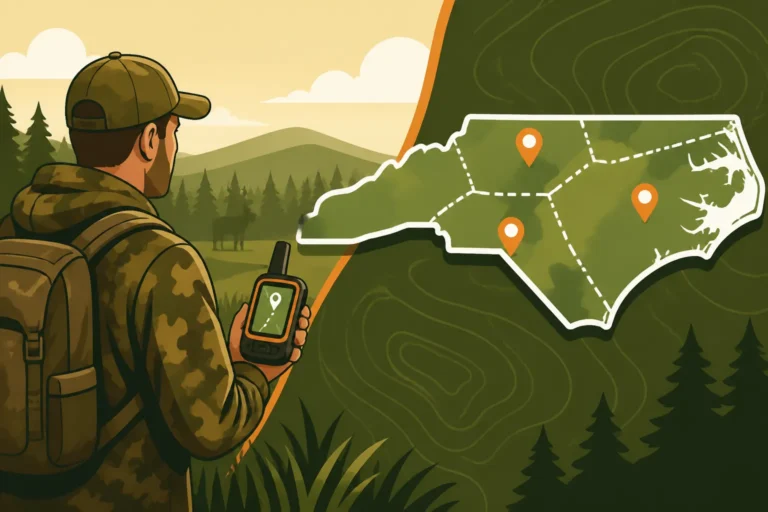
- NCWRC Website: Look for sections on "Permit Hunting Opportunities" or "Managed Hunts." Here, they will list specific state parks or recreation areas participating, the species available, the hunt dates, and all the nitty-gritty rules. They also have an interactive map tool that can be invaluable. You can learn more about Using the NC Wildlife Map Tool to help visualize boundaries.
- Official Park Websites: While the NCWRC manages the hunting aspect, the individual state park websites often provide useful context about the park's terrain, access points, and general visitor information that can help you plan if you're lucky enough to draw a permit.
- Mapping Tools (like onX Hunt and GoHunt): These digital mapping platforms are incredibly useful for visualizing land ownership and boundaries. While onX Hunt is fantastic for understanding property lines and identifying potential hunting zones within a larger area, remember it shows land ownership, not necessarily hunting status. You still need to verify the hunting status with the official NCWRC site for the precise rules and permitted activities. Similarly, GoHunt can be a great resource for scouting and understanding terrain, but always cross-reference its information with the official state regulations, especially for specific managed hunt requirements. These tools can help you visualize the hunt area after you know it's open for hunting, helping you plan your approach and understand the topography. You might use them to identify potential bedding areas, travel corridors, or ideal stand locations once you've secured a permit.
The Application Process and What to Expect
Once you've identified a state park hunt that interests you, here's what the application process generally looks like:
- Timeline for Applications: The NCWRC has specific application periods, usually in the late spring or early summer for most fall and winter hunts. Mark these dates on your calendar and don't miss them! It’s a hard deadline, and there’s no wiggle room.
- Permit Fees and Specific Requirements: There's usually a small, non-refundable application fee for each hunt you apply for. Additionally, you'll need a valid North Carolina hunting license with the appropriate big game privileges. Make sure your license is current! Details on this can be found in North Carolina Hunting Licenses and What They Cost.
- High Competition: Be realistic. Because these hunts offer unique access and are so limited, competition is often stiff. Don't be discouraged if you don't draw a permit on your first try. Many seasoned hunters apply annually for years before they get lucky. It's truly a lottery system. You might want to review North Carolina Quota Hunt Draw Odds to understand the statistical reality.
- Preparation is Key: If you do get drawn, you'll receive detailed information about your hunt. Read it thoroughly! It will cover everything from check-in times, designated parking, weapon restrictions (e.g., Crossbow Rules During North Carolina Archery Season), and what to do after you harvest an animal, including any specific reporting requirements or CWD testing protocols for that area. Often, there will be mandatory orientation meetings or briefings you need to attend.
Hunting in North Carolina State Parks is a unique opportunity, requiring dedication to the application process and a deep understanding of the regulations. But for those who put in the effort, it can offer an incredibly rewarding experience in some of the state's most beautiful and carefully managed landscapes.
Disclaimer
This article is for general informational purposes only and does not constitute professional advice. Laws, prices and regulations vary by location and change over time. Consult a qualified professional for guidance on your specific situation.