North Carolina’s Gun Deer Season by Zone
Navigating North Carolina's diverse deer hunting landscape can feel like trying to solve a puzzle, especially when you factor in the different gun deer seasons across the state's distinct zones. It’s frustrating to miss out on prime hunting days or find yourself unprepared for the terrain because you weren't fully aware of your specific zone's regulations. This comprehensive guide will break down North Carolina's gun deer season by zone, offering a clear roadmap to understanding regulations, anticipating deer behavior, and implementing effective strategies no matter where you hunt.
Understanding North Carolina's Deer Zones and Their Impact
North Carolina is a state of incredible topographic and ecological diversity, stretching from the sandy barrier islands and coastal plains to the rolling Piedmont and the rugged Appalachian Mountains. This vast range of environments means that deer populations, their behavior, and even the hunting pressure they experience can vary dramatically. To manage this complexity and ensure sustainable deer populations, the North Carolina Wildlife Resources Commission (NCWRC) has divided the state into specific deer hunting zones, each with its own set of rules and season dates.
The 'Why' Behind the Zones: Managing Diverse Habitats
The primary reason for segmenting North Carolina into distinct deer zones boils down to habitat, climate, and deer biology. Deer in the Eastern Coastal Plain, for instance, typically experience a longer growing season, different food sources, and often a milder winter compared to their counterparts in the chilly, high-elevation Western Mountains. These environmental differences influence breeding cycles (the rut), fawn rearing, and even the deer's overall health and size. A "one-size-fits-all" hunting season simply wouldn't be effective, nor would it be fair to hunters trying to align their efforts with peak deer activity in their local area. The zone system aims to optimize hunting opportunities while protecting the resource.
Moreover, managing hunter pressure is a significant factor. Opening all zones simultaneously could lead to overwhelming pressure on certain public lands or concentrated areas, impacting deer populations negatively and potentially creating less enjoyable hunting experiences. By staggering the season openings, the NCWRC can help distribute hunting effort throughout the fall and early winter, which benefits both the deer herd and the hunters. Understanding this underlying logic helps hunters appreciate the importance of knowing their zone inside and out, rather than just seeing it as another bureaucratic hurdle.
Overview of North Carolina's Four Gun Deer Zones
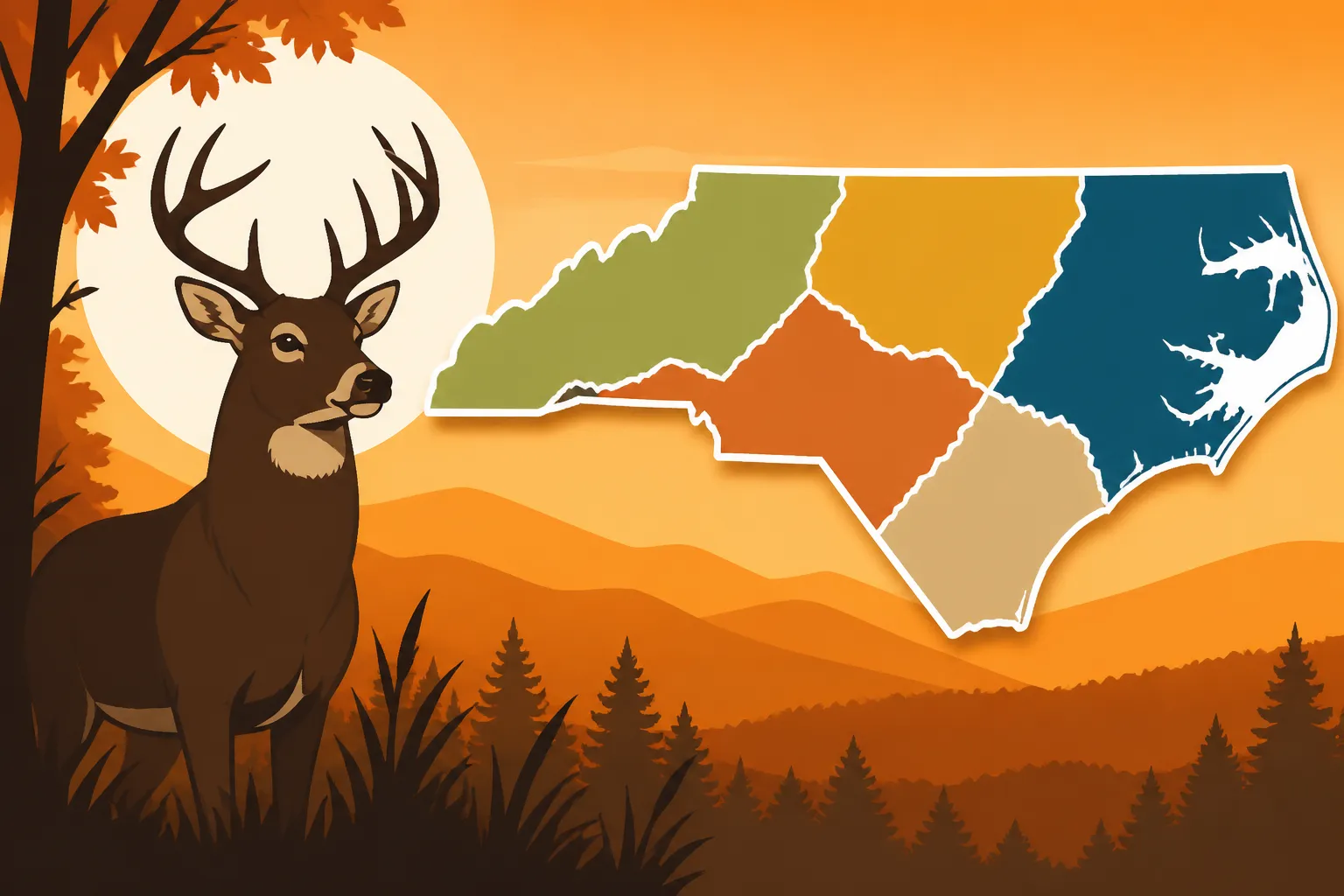
North Carolina officially delineates four distinct gun deer zones: the Eastern, Central, Northwestern, and Western Zones. Each zone represents a unique geographic region with specific characteristics that dictate its season structure. While the general deer season runs from mid-fall through January 1st across the state for archery, muzzleloader, and gun hunters, the specific opening dates for gun season vary significantly between these zones. This staggered approach is crucial for hunters to grasp, as a misinterpretation could lead to hunting out of season or missing the optimal time to be in the woods.
The Eastern and Central Zones generally cover the flatter, more agricultural and timber-rich regions, while the Northwestern and Western Zones encompass the foothills and mountainous terrain, respectively. This means everything from the density of deer to their typical travel patterns and even their diet can shift as you move across these zones. Knowing which of North Carolina's Four Gun Deer Zones you're in is the first and most critical step in planning a successful gun deer hunt. We’ll delve into each of these zones in detail, covering their unique aspects and what hunters can expect.
Hunting the Eastern Zone: Early Starts and Coastal Bounty
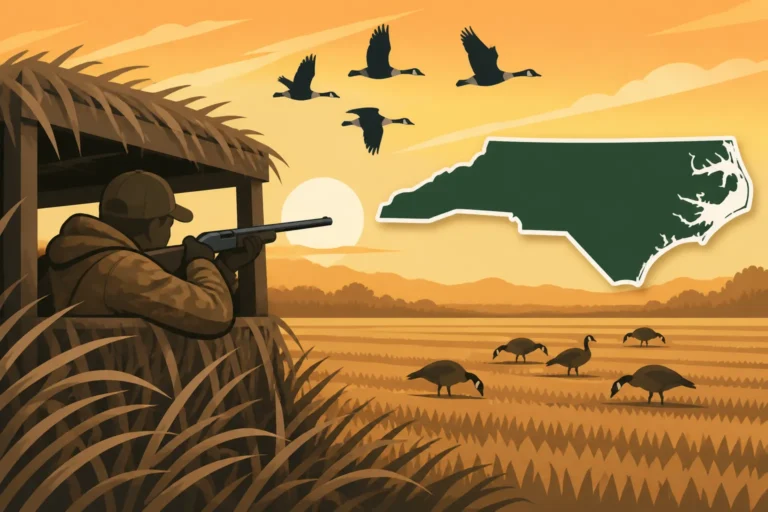
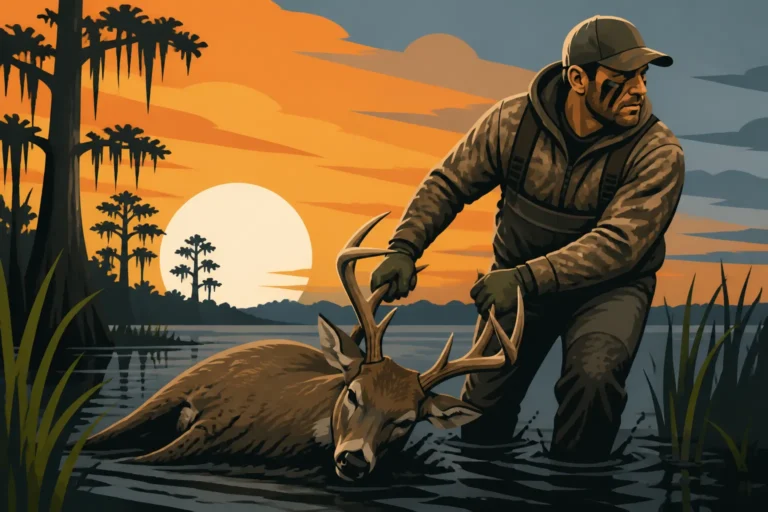
The Eastern Zone of North Carolina stretches across the vast Coastal Plain, a region characterized by flatlands, extensive agricultural fields, thick pocosins, and sprawling timber tracts. This area generally encompasses counties east of Interstate 95, extending all the way to the Outer Banks. It's often the first zone to kick off the gun deer season, offering hunters an earlier opportunity to pursue whitetails. The sheer amount of diverse habitat, from swampy river bottoms to managed pine plantations and open farmland, means deer have abundant food and cover, leading to healthy populations.
The early opening dates in the Eastern Zone can present both advantages and challenges. While it offers a chance to get into the woods sooner, hunters often contend with warmer temperatures and dense foliage, which can affect deer movement and visibility. Success in this zone often hinges on understanding the specific micro-habitats and adapting your hunting strategy to the conditions that prevail during the early weeks of the season.
Key Season Dates and Characteristics of the Eastern Zone
For the 2023-2024 season, North Carolina's Eastern Zone gun deer season typically opened in mid-October, specifically on October 14th, and runs through January 1st. This is often one of the longer gun seasons in the state, reflecting the generally robust deer populations and extensive habitat of the Coastal Plain. The consistent mild weather in the early parts of the season means deer are still very much in their regular patterns, heavily reliant on readily available food sources like acorns, persimmons, and agricultural crops.
Unlike the cooler mountain regions, the Eastern Zone rarely sees significant snowfall, meaning deer aren't often forced into concentrated winter feeding areas. Instead, they remain dispersed across the landscape, moving between dense cover and feeding grounds. Hunters should note that the rut in this region often occurs later than in the Piedmont or mountains, typically peaking from mid-November into December. This later rut means that early season hunting might focus more on food sources and travel corridors, while later season hunts can capitalize on increased deer activity during breeding.
Tactics for Hunting the Flatlands and Farmlands of the East
Hunting the Eastern Zone effectively requires strategies tailored to its unique terrain. With its predominantly flat landscape, long-range visibility is often limited by thick vegetation, whether it's pocosin swamps, dense clear-cuts, or mature timber. This often makes stand hunting over natural food sources or strategic funnels particularly productive. Setting up on the edges of agricultural fields, such as corn, soybeans, or peanuts, can be highly effective, especially during the morning and evening hours when deer transition from bedding areas to feeding. Scouting with trail cameras to pinpoint exact entry and exit routes becomes invaluable here.
Another common and effective tactic in the Eastern Zone, particularly on larger tracts of private land or game lands, is the deer drive. Because of the thick cover, deer can bed down in relatively small areas and be almost impossible to still-hunt or ambush from a stand. Deer drives with a few well-placed standers and a couple of drivers can push deer out of dense thickets, giving standers shot opportunities. For hunters targeting specific areas, understanding how to read aerial photos for Piedmont deer and identify bottlenecks between cover and food can be a game-changer. Using an app like GoHunt for mapping and identifying property lines is essential, especially when you're working a new piece of ground or navigating the vastness of game lands like Holly Shelter Game Land.
The Central Zone: A Mid-State Balance of Pressure and Opportunity
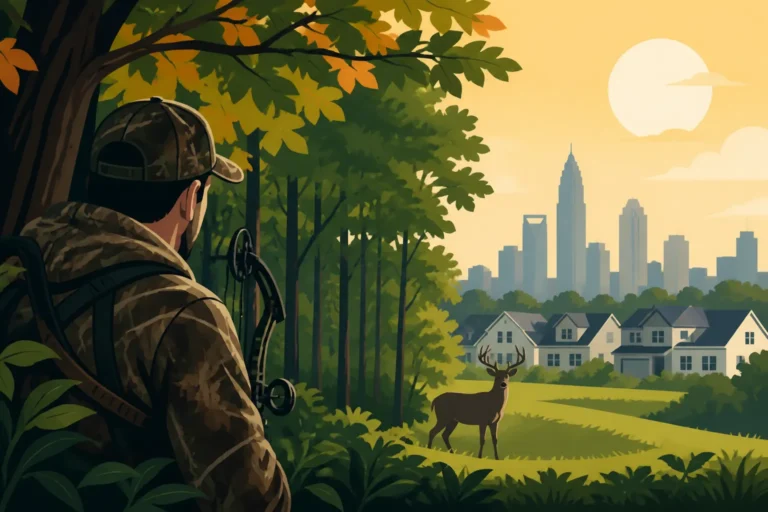
The Central Zone of North Carolina serves as a transition area, bridging the flat expanses of the east with the foothills of the west. This zone often encompasses the bustling Piedmont region, characterized by a mix of suburban development, rolling farmlands, mature hardwood forests, and pine plantations. Hunting here can feel like a balancing act; while deer populations are robust, they often face more consistent human pressure due to the higher population density of cities like Raleigh, Charlotte, and Greensboro. This means deer can be warier and more nocturnal, requiring nuanced hunting approaches.
The challenges in the Central Zone are real: limited access to large tracts of undisturbed land, fragmented habitats, and deer accustomed to human presence. However, these challenges also create unique opportunities. Deer in this zone are often masters of adapting, utilizing small woodlots, creek bottoms, and thick cover within surprisingly close proximity to human activity. Success often comes down to diligent scouting, understanding localized deer patterns, and being willing to hunt smaller, overlooked parcels.
Central Zone Season Length and Unique Challenges
Similar to the Eastern Zone, the Central Zone gun deer season for 2023-2024 also opened on October 14th and extends through January 1st. This aligns the start of the gun season for a significant portion of the state, simplifying initial season planning for many hunters. However, the nature of hunting within this timeframe differs due to the environment. The Central Zone's terrain is more varied, with gently rolling hills, numerous creeks and rivers, and a patchwork of agricultural fields, small woodlots, and burgeoning urban areas. This creates a different set of challenges compared to the more uniform habitats of the east.
Hunter pressure, especially on public lands and easily accessible private tracts, is often higher in the Central Zone. Deer quickly learn to avoid open areas during daylight hours, pushing their movements into dense cover or under the cloak of darkness. This means that hunters must be particularly strategic about their approach, focusing on less-pressured areas, understanding nocturnal movement, and using tactics that account for wary deer. The rut in the Central Zone typically peaks in mid-November, offering a fantastic window of increased deer activity for gun hunters, but leading up to that, consistent effort is key.
Adapting Hunting Strategies for Diverse Central Zone Landscapes
Successful hunting in the Central Zone often requires adaptability and a focus on overlooked areas. Rather than sprawling tracts, hunters here might find success targeting smaller woodlots near suburban Charlotte or working creek bottoms for late-season deer. Setting up on a Piedmont field edge during the early weeks can be productive, especially if you've identified a consistent food source like acorns or a late-season standing crop. For example, a small stand of oaks dropping acorns next to a thick honeysuckle patch could be a magnet for deer.
Still-hunting slowly through varied terrain, such as Uwharrie Piedmont hollows, can also be effective, especially during the rut when bucks are actively seeking does. Understanding wind and thermals on a Blue Ridge slope or even a smaller Piedmont rise is crucial, as is careful entry and exit to and from your stand site. Because of the fragmented nature of the habitat, deer often use natural funnels—like a narrow strip of timber connecting two larger woodlots or a hedgerow bordering a field—as travel corridors. Identifying these pinch points through diligent scouting, perhaps using detailed mapping software available on platforms like GoHunt, can be incredibly productive. For public land hunters, learning to find ground others walk past by venturing deeper or scouting tougher access points can yield big rewards.
Navigating the Northwestern Zone: Foothills and Transitional Territory
Moving further west, we encounter North Carolina's Northwestern Zone. This region serves as the bridge between the rolling Piedmont and the true mountains, encompassing the foothills and lower mountain ranges. The landscape here is a mix of steep ridges, deep valleys, extensive hardwood forests, and scattered agricultural pockets. It’s a distinct zone that presents its own set of characteristics, deer behavior, and, of course, a different gun season schedule.
The Northwestern Zone often sees a slightly later gun opener than the Eastern and Central Zones, reflecting the cooler climate and generally later rutting activity compared to the flatlands. Hunters in this region must contend with more challenging terrain, including significant elevation changes and thicker, more rugged cover, which necessitates different hunting strategies and physical preparation.
Northwestern Zone Season Structure and Opening Dates
For the 2023-2024 season, the Northwestern Zone gun deer season typically opens on October 28th and also concludes on January 1st. This later opening date reflects a slight shift in the deer's biological clock and the changing environmental conditions as one moves closer to the mountains. The season length, however, remains comparable to the Eastern and Central Zones, providing ample opportunity for hunters to fill their tags once the season kicks off.
During the early weeks of the Northwestern Zone gun season, hunters often experience cooler temperatures than the eastern parts of the state. Fall colors are usually at their peak, and the dropping temperatures can increase deer movement, especially as natural food sources like acorns become abundant. The rut in the Northwestern Zone typically begins to pick up in late October and peaks through mid-November, making the gun opener a fantastic time to be in the woods as bucks are becoming more active. Hunters should always consult the official NCWRC regulations for the most current dates, as they can shift slightly year to year.
Hunting the Mixed Terrain of the Northwest
Hunting the Northwestern Zone demands a blend of tactics suited for both the rolling hills of the Piedmont and the nascent mountains. Given the significant elevation changes, understanding wind and thermals on a Blue Ridge slope becomes paramount. Deer in this region often utilize benches and saddles along ridge-tops as travel corridors, especially during the rut. Scouting these areas for scrape lines along a logging road or fresh rub lines can indicate prime buck activity. Still-hunting slowly and deliberately through mature hardwood forests, pausing frequently to glass ahead, can be very effective as deer often move cautiously through the timber.
For hunters who prefer stand hunting, strategically placing treestands in Pisgah National Forest (or similar public lands in the Northwest) on known travel routes between bedding areas and feeding sites is crucial. Consider placing stands on creek bottoms or near natural funnels where deer are forced to congregate. The use of rattling and grunting in North Carolina is particularly effective during the rut in this zone, as bucks are more responsive to calls as they search for does. Don't underestimate the power of covering ground and moving with the deer rather than simply waiting for them, especially in the rugged, expansive public lands of the Northwest.
Conquering the Western Zone: Mountain Strategies and Latest Openings
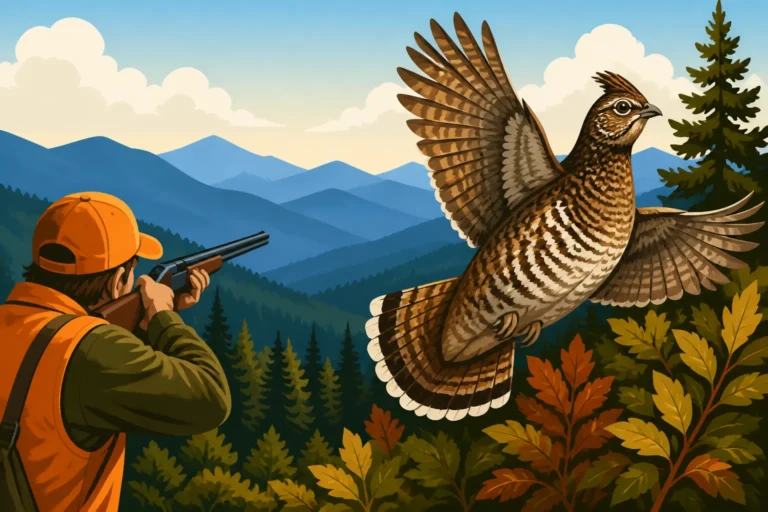
The Western Zone represents North Carolina's highest elevations and most rugged terrain, encompassing the Appalachian Mountains, including areas within the Pisgah and Nantahala National Forests. This is arguably the most physically demanding, yet incredibly rewarding, deer hunting in the state. Deer here are truly mountain animals, adapted to steep slopes, dense rhododendron thickets, and harsh winter conditions. The gun season in the Western Zone opens significantly later than in other parts of the state, a reflection of the climate and the unique biological rhythms of mountain deer.
Hunting the Western Zone is not for the faint of heart; it requires physical stamina, keen observational skills, and a deep understanding of how deer use vertical terrain. However, the reward can be a truly wild, fair-chase experience for mature mountain bucks that have learned to survive in challenging environments. This is a region where detailed scouting and an adaptive mindset are absolutely critical.
Understanding the Western Zone's Distinct Season Calendar
For the 2023-2024 season, the Western Zone gun deer season generally opens on November 18th and runs through January 1st. This makes it the latest gun season opener in North Carolina, giving mountain deer more time to develop and hunters a window when the deer are often concentrated on specific food sources ahead of winter. This later start also means hunters will often face colder temperatures, and potentially even snow, making proper gear and clothing essential.
The rut in the Western Zone tends to peak in mid-to-late November, aligning perfectly with the gun season opener. This timing means hunters can often encounter highly active bucks from day one of the season. However, understanding the challenges posed by severe weather, limited access, and vast wilderness areas is paramount. Hunters in the Western Zone must also be aware of specific regulations for areas like Pisgah National Forest, where certain firearm restrictions or additional permits might apply.
Mastering Mountain Terrain and Deer Movement for Success
Hunting the Western Zone means embracing the vertical. Deer here are masters of navigating steep slopes, using benches, saddles, and thick cover for bedding and travel. Still-hunting Nantahala Forest ridges or Scouting North Carolina Public Land Before Season by identifying key terrain features like high elevation mountain benches and logging roads are essential tactics. Deer will often bed on lee slopes that are out of the wind and offer southern exposure for warmth, especially in colder weather. Knowing where Nantahala Forest bucks bed can give you a significant advantage.
Glassing is another powerful tool in the mountains. From a high vantage point, patiently scanning distant slopes, clear-cuts, or open timber can reveal deer movement that would otherwise go unnoticed. When you spot deer, planning an approach that uses the wind and terrain to your advantage is crucial. For stand hunting, portable stands for public land mobility are often preferred due to the rugged terrain and the need to move your setup based on deer sign. Entry and exit routes that minimize disturbance are critical, especially when trying to approach a ridge-top saddle for rutting bucks. Hunters should also be prepared for the physical demands, carrying sufficient water, navigation tools (like an app such as GoHunt, which works offline), and emergency supplies for remote mountain ground.
Critical Regulations and Special Considerations for Gun Deer Hunters
Beyond understanding the zone-specific season dates and tactics, successful and responsible gun deer hunting in North Carolina requires a firm grasp of the state's broader regulations. These rules are in place to ensure hunter safety, manage the deer herd effectively, and protect against the spread of diseases. Overlooking any of these critical details can lead to fines, loss of hunting privileges, or even pose risks to yourself and others.
Staying informed about mandatory reporting, firearm restrictions, and rapidly evolving issues like Chronic Wasting Disease is part of being a diligent hunter. North Carolina's hunting laws are updated regularly, so it's always wise to check the latest NCWRC regulations digest before heading into the field each season.
North Carolina's Chronic Wasting Disease (CWD) Management Areas
One of the most pressing concerns for deer hunters in North Carolina is Chronic Wasting Disease (CWD). This neurological disease is always fatal to deer and elk and poses a significant threat to deer populations. North Carolina's first confirmed case of CWD was in Yadkin County in 2022, and since then, the NCWRC has established CWD Management Areas (CMAs) in response. Currently, areas like Surry, Wilkes, Yadkin, Stokes, Forsyth, Davie, and Iredell counties are part of the designated CMAs or CWD surveillance areas.
Hunters within these areas face specific regulations, which may include mandatory CWD testing for harvested deer, carcass movement restrictions, and a special early CWD-zone season targeting antlered deer. For example, hunters in a CWD Management Area are usually prohibited from moving certain deer carcass parts (like the brain, spinal cord, or lymph nodes) out of the area unless processed appropriately. It's imperative for hunters in or near these areas to know North Carolina's Chronic Wasting Disease Areas and understand North Carolina CWD Testing for Hunters requirements, as compliance is mandatory to help contain the disease's spread. Using resources like the NCWRC website or app to find a North Carolina CWD sampling location is crucial if you harvest a deer in one of these zones.
Firearm Legalities and Safety Rules for Gun Deer Hunting
North Carolina has specific rules regarding the types of firearms and ammunition that can be used for deer hunting. Generally, legal firearms for deer hunting include centerfire rifles, shotguns firing slugs or buckshot (in certain areas or for specific game), and certain handguns. There are also minimum rifle caliber rules; for example, centerfire rifles must be at least .22 caliber. While some states have "straight-wall cartridge" regulations, North Carolina broadly permits common rifle calibers like .270, .30-06, .308, and 6.5 Creedmoor for deer. It's essential to check the current regulations for any changes or specific restrictions that might apply to certain game lands or public hunting areas, particularly if considering non-traditional firearms or calibers.
Safety is paramount. North Carolina requires all hunters (with a few exemptions, such as those born before July 1, 1963) to complete a hunter education course. Blaze orange requirements are also in effect during gun seasons for deer, typically requiring an outer garment (hat, vest, or jacket) that is visible from all sides. The amount of blaze orange North Carolina requires is specific, usually 500 square inches above the waist, though blaze pink options under North Carolina law are also permitted. Always treat every firearm as if it's loaded, keep the muzzle pointed in a safe direction, keep your finger off the trigger until ready to shoot, and be sure of your target and what's beyond it. These fundamental rules are non-negotiable for safe and ethical hunting.
Elevating Your Deer Hunting Success Across All Zones
Regardless of whether you're chasing coastal bucks in the Eastern Zone or mountain giants in the Western Zone, certain principles of deer hunting transcend geographical boundaries. Success in North Carolina's gun deer season, like any hunting endeavor, isn't just about luck; it's the culmination of preparation, understanding deer behavior, and adapting to the conditions. These universal truths can significantly improve your odds, transforming a hopeful outing into a rewarding one.
The deer in North Carolina are resilient and intelligent, constantly adapting to their environment and hunting pressure. The most consistently successful hunters are those who are lifelong learners, constantly refining their skills and embracing new tools and information. Applying fundamental strategies and techniques, from pre-season scouting to post-harvest care, will serve you well across any of North Carolina's varied deer zones.
The Power of Pre-Season Scouting and Modern Tools
One of the single most impactful things a gun deer hunter can do is engage in thorough pre-season scouting. This isn't just a casual walk in the woods; it's an intentional effort to locate deer sign, identify travel corridors, bedding areas, and food sources before the season even begins. Scouting North Carolina Public Land Before Season involves studying aerial photos, topographic maps, and even using tools like GoHunt or the NC Wildlife App to mark potential spots, property lines, and access points. These digital mapping tools are invaluable for understanding terrain, finding funnels, and identifying key habitat features, especially when you're exploring new ground.
During your scouting trips, look for rubs, scrapes, tracks, and droppings. Identify primary food sources—are acorns dropping? Are persimmons ripe? What agricultural crops are standing nearby? Pay attention to pinch points where deer are funneled through small areas. Early season scouting allows you to set up trail cameras without disturbing the area during hunting season, giving you invaluable insights into deer movement patterns and specific buck activity. For public land hunters, it's also a chance to assess Hunting Pressure on North Carolina Public Land and potentially find areas that see fewer hunters by scouting in hard-to-reach places or those requiring a longer walk.
Reading the Land and Local Deer Sign Effectively
Once the season starts, your ability to read the land and interpret fresh deer sign will be critical. Deer movement can change rapidly due to weather, food availability, and hunting pressure. A fresh set of tracks leading to a new food source, a recently freshened scrape, or a newly torn-up rub could indicate a change in deer patterns. For example, after a poor acorn year, deer might shift their focus to other mast crops or agricultural fields, and your ability to spot this change and adjust your strategy will make all the difference.
Understanding local conditions also means paying attention to how wind and thermals affect deer movement, particularly in the rolling terrain of the Central and Northwestern Zones, and especially on the steep slopes of the Western Zone. Deer almost always try to use the wind to their advantage, meaning they will typically approach or move through an area with the wind in their face, allowing them to scent-check ahead. As hunters, we need to counter this by positioning ourselves downwind. Learning to read North Carolina mud for fresh deer movement or identifying browse lines in thickets can provide clues to where deer are spending their time. The more you learn to observe and interpret these subtle signs, the better equipped you'll be to put yourself in a position for success, regardless of the zone you're hunting.
| Deer Hunting Zone | Gun Season Opening Date (2023-2024 Example) | Typical Terrain Characteristics | Key Hunting Considerations |
|---|---|---|---|
| Eastern Zone | October 14th | Flat, agricultural, pine plantations, pocosins, river bottoms | Early season warmth, later rut, stand hunting over food, deer drives, thick cover |
| Central Zone | October 14th | Rolling hills, mixed hardwoods, agriculture, suburban interfaces | Higher pressure, fragmented habitat, mid-November rut peak, adapt to smaller tracts, funnels |
| Northwestern Zone | October 28th | Foothills, steep ridges, hardwood forests, mixed agriculture | Cooler weather, mid-November rut peak, elevation changes, still-hunting, ridge-tops, saddles |
| Western Zone | November 18th | Appalachian Mountains, rugged, dense forests, high elevation | Latest opener, coldest weather, late November rut, physically demanding, glassing, remote access |
Disclaimer
The information provided in this guide is for general informational purposes only and is based on typical North Carolina hunting regulations. Hunting seasons, bag limits, and specific rules, especially those pertaining to Chronic Wasting Disease (CWD) Management Areas, can change annually. It is the responsibility of every hunter to consult the most current North Carolina Wildlife Resources Commission (NCWRC) regulations digest before hunting. Always prioritize safety, ethical hunting practices, and respect for wildlife and private property.