Finding Access Near Raleigh
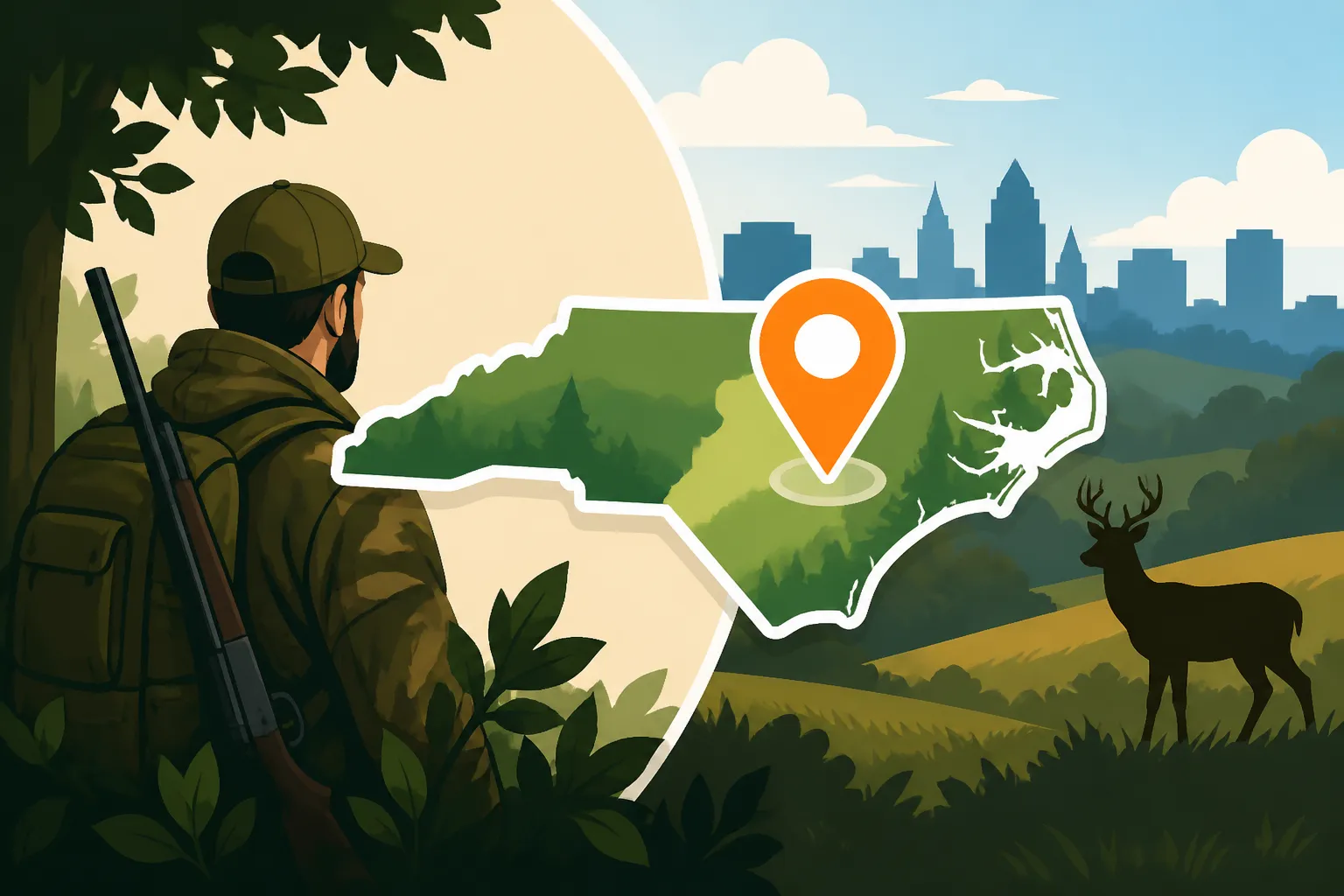
For those of us living in the Raleigh area, the idea of slipping into the woods for a hunt can sometimes feel like a distant dream. With the city’s growth, it often seems like every promising patch of timber or field is now a new housing development or a busy road. This guide is here to cut through that frustration, offering realistic strategies and insights into finding viable hunting access within a reasonable drive of North Carolina’s capital, from public lands to private opportunities.
The Challenge of Hunting Near a Major City
Let's be honest, living near a bustling metropolis like Raleigh offers a lot of conveniences, but easy access to untouched hunting grounds isn't always one of them. The urban footprint expands seemingly overnight, pushing wildlife habitat further out and making it tougher to find that quiet, secluded spot. It's a universal struggle for city-dwelling hunters, and Raleigh is no exception.
The Reality of Urban Sprawl and Pressure
The growth around Raleigh, fueled by new residents and businesses, means that land once considered rural is now prime real estate. This relentless development has a direct impact on hunting opportunities. Not only does it reduce available habitat, but it also concentrates hunters into smaller, accessible areas. You might find what looks like a promising chunk of public land on a map, only to arrive opening morning and discover that half of Wake County had the same idea. This increased pressure can make deer more nocturnal, turkeys warier, and overall success harder to come by, especially on weekends or during peak season. It requires a different approach, a willingness to work harder, and perhaps to embrace hunting tactics that are less conventional.
Navigating this reality means understanding that your expectations might need to adjust. The vast, empty wilderness hunts you see on TV might not be what you find within an hour of the Beltline. Instead, you'll often be looking for pockets of cover, overlooked corners, or properties where the deer are used to some level of human activity. It's not impossible to find good hunting, but it does mean being strategic and sometimes venturing a little further than you initially hoped.
Defining "Near Raleigh": Realistic Drive Times
When we talk about hunting "near Raleigh," what does that actually mean? For most folks, a "local" spot might be a 30-minute drive. For hunting, especially if you're looking for public land, you're often talking about an hour to two-hour drive, sometimes even more for truly expansive tracts. It's crucial to set realistic expectations for travel time, especially if you're planning a morning hunt before work or a quick afternoon sit.
Consider your personal tolerance for driving. An hour's drive might be acceptable for a regular afternoon hunt, but two hours might push it into a full-day commitment or even an overnight trip. The trade-off is often between convenience and opportunity. Closer spots tend to be smaller and more pressured, while those further out often offer more acreage, diverse habitat, and potentially fewer hunters, though the drive itself consumes valuable time. It's important to factor in fuel costs, wear and tear on your vehicle, and the sheer time commitment before you pack up your gear. Sometimes, an extra 30 minutes in the car can make all the difference in finding a less disturbed piece of ground.
Exploring North Carolina Game Lands Accessible from Raleigh
North Carolina's Game Lands system is a lifesaver for many public land hunters, and thankfully, several valuable tracts are within striking distance of Raleigh. These managed areas offer diverse habitats, from mature hardwoods to sprawling pocosin swamps, providing opportunities for deer, turkey, small game, and even waterfowl, depending on the specific location.
Notable Game Lands East of Raleigh
Heading east from Raleigh, you'll find several Game Lands that offer diverse hunting experiences. Just a short drive away are popular spots like the Butner-Falls of Neuse Game Land and the Jordan Lake Game Land. These areas, while close to urban centers, still hold significant populations of deer and turkey. However, their accessibility also means they can experience heavy hunting pressure, especially during opening weeks. You’ll need to put in extra effort scouting to find those hidden pockets of cover that other hunters overlook. For example, Scouting North Carolina Public Land Before Season is absolutely essential here.
Further east, as you get closer to the coastal plain, you'll encounter Game Lands like Holly Shelter and Croatan National Forest, which, while technically national forest land, are managed under the Game Lands system. These offer a different kind of challenge with their thick pocosins and wetland areas, which can be fantastic for deer and bear, but also incredibly tough to navigate. Hunting these areas often requires specialized gear like rubber boots or waders, and a keen sense of direction. It’s a different world out there, but one that can yield great rewards if you're willing to embrace the terrain. Hunting Croatan Forest Pocosin Edges can offer some unique opportunities for patient hunters.
Game Lands South and West of Raleigh
Venturing south and west of Raleigh also opens up more Game Land options. Areas around Fayetteville, such as Fort Liberty (formerly Fort Bragg), often offer public hunting opportunities through a permit system, though access can be restricted by military operations, so always check their specific rules. These lands often feature a mix of pine forests and bottomland hardwoods, supporting strong deer populations. The key here is always checking the specific land management rules and special permits, as they can differ significantly from general Game Lands.
Heading further west, towards the Piedmont, you'll find other Game Lands like Caswell Game Land and Uwharrie National Forest. While Uwharrie is a national forest, it operates under North Carolina's Game Lands regulations for hunting. It's a bit of a longer drive, but offers rolling hills, mature hardwoods, and plenty of terrain to explore. It's a fantastic option if you're looking for a more immersive hunting experience with varied topography. These areas can be excellent for both deer and turkey, but again, the larger the tract and the more remote the access, often the less pressure you'll experience. Always carry a reliable mapping app like onX Hunt to navigate these larger, more complex public tracts.
Understanding Game Land Regulations and Permits
Hunting on North Carolina Game Lands isn't as simple as just showing up. There's a specific set of rules and often, additional permits beyond your standard hunting license. First and foremost, you need a North Carolina hunting license, including the appropriate North Carolina Resident Big Game Privilege Cost if you're after deer, bear, or turkey. Beyond that, a "Game Lands Privilege License" is almost universally required for hunting on these tracts. This is a small annual fee that helps fund the management of these vital public hunting areas.
Many Game Lands also have specific regulations regarding hunting methods, open seasons, and even hunter access. Some areas might be archery-only, others may restrict certain types of firearms, and some might have sign-in/sign-out procedures or quota hunt requirements for specific species or times of year. It’s absolutely critical to consult the most current North Carolina Inland Fishing, Hunting & Trapping Regulations Digest and the specific Game Land map and rules for the area you plan to hunt. The NC Wildlife Resources Commission website and their "Go Outdoors North Carolina" app are excellent resources for this. Before you even leave the driveway, use resources like Using the NC Wildlife Map Tool to understand the boundaries and any specific rules for your chosen destination. Neglecting to do so can lead to citations, or worse, losing your hunting privileges.
| Game Land Type | Distance from Raleigh (Approx.) | Primary Game Species | Expected Pressure | Key Considerations |
|---|---|---|---|---|
| Butner-Falls of Neuse | 30-45 minutes | Deer, Turkey, Small Game, Waterfowl | High | Close to urban areas, extensive scouting needed. |
| Jordan Lake | 45-60 minutes | Deer, Turkey, Small Game, Waterfowl | High | Very accessible, water-based hunting opportunities. |
| Uwharrie NF (Game Land) | 1.5 – 2 hours | Deer, Turkey, Bear, Small Game | Moderate | Hilly terrain, good for those seeking more challenge. |
| Croatan NF (Game Land) | 2 – 2.5 hours | Deer, Bear, Small Game, Waterfowl | Moderate | Coastal plain, pocosin swamps, rugged, wet conditions. |
| Holly Shelter | 2 – 2.5 hours | Deer, Bear, Small Game | Moderate to High | Very thick cover, requires specific tactics. |
National Forests: A Bit Further, But Worth the Drive
While Game Lands offer closer options, North Carolina's National Forests represent truly expansive tracts of public land. These areas offer a different kind of hunting experience, often with more rugged terrain and fewer amenities, but also with the potential for more solitude and less pressure if you're willing to hike.
Uwharrie National Forest: The Closest Option
For Raleigh-area hunters seeking a National Forest experience, Uwharrie National Forest is typically the most accessible, located about an hour and a half to two hours west of the city. This forest offers a unique landscape of rolling hills, mature oak-hickory forests, and numerous creek bottoms, a classic Piedmont environment. It's a fantastic place to hunt deer and turkey, and even offers a limited bear season in certain areas. Because it's a National Forest, the scale of the land is much larger than many Game Lands, allowing for true immersion in the woods.
Hunting Uwharrie requires a good understanding of topography and how deer move through varied terrain. You'll find plenty of opportunities for still-hunting or setting up treestands on saddles and ridges. While it still sees pressure, especially on opening weekends, the sheer size of the forest means you can often find unpressured pockets if you're willing to put in the miles. Apps like onX Hunt are invaluable here for navigating the endless ridges and drainages and locating good access points. For more specific tactics, you might find tips in Hunting Uwharrie Piedmont Hollows particularly useful.
Croatan National Forest: Coastal Plain Gem
If you head southeast from Raleigh for about two to two and a half hours, you'll reach the unique landscapes of the Croatan National Forest. Unlike the rolling hills of Uwharrie, the Croatan is a coastal plain forest, characterized by vast expanses of pocosin swamps, longleaf pine savannas, and bottomland hardwoods. This forest is a gem for hunters seeking a challenging but rewarding experience, particularly for deer and bear. The terrain is often wet and dense, making access difficult but also concentrating game in certain areas.
Hunting the Croatan often means donning rubber boots or waders and being prepared for tough conditions. Deer drives can be very effective here, as the thick cover makes traditional stand hunting challenging in many spots. The Croatan is also renowned for its black bear population, and hunting these formidable animals in their dense habitat is an experience in itself. While the difficulty of access often deters casual hunters, those willing to put in the effort can find some truly wild hunting. Hunting Coastal Bears in Thick Pocosin Cover is a prime example of the kind of unique opportunities this area offers.
Pisgah and Nantahala: Day Trip or Weekend Adventure?
The majestic Pisgah National Forest and Nantahala National Forest are further afield, generally requiring a three to four-hour drive west from Raleigh into the Appalachian Mountains. While perhaps not "near Raleigh" for a casual afternoon hunt, these vast wilderness areas are absolutely worth considering for a long weekend trip or a dedicated hunting excursion. They offer a completely different kind of hunting experience, characterized by steep slopes, high elevations, and pristine mountain habitats.
These forests are home to robust populations of deer, black bear, and wild turkey, and even offer a limited grouse season in certain high-elevation areas. Hunting here demands physical fitness, excellent navigation skills, and a deep understanding of mountain thermals and animal movement. You’ll be dealing with significant elevation changes and remote areas, so careful planning and preparation are crucial. While a day trip might be a push, many hunters from the Triangle area plan overnight camping trips or rent cabins to fully immerse themselves in these incredible landscapes. For those willing to make the trek, the reward is often a truly wild and unforgettable hunt. Consider how you'd approach Still-Hunting Nantahala Forest Ridges or Treestand Setups in Pisgah National Forest if you plan to explore these options.
Understanding Private Land Opportunities Around Raleigh
While public lands are a fantastic resource, securing access to private land can often provide a less pressured, higher-quality hunting experience. Around Raleigh, this can feel like a tall order with all the development, but opportunities do exist if you know where and how to look.
The Art of "Knocking on Doors"
Asking for permission to hunt on private land is a time-honored tradition that, while sometimes intimidating, can still be successful, even near a growing city like Raleigh. The key is respect, preparation, and persistence. Start by identifying smaller, overlooked parcels of land that might still be zoned agricultural or rural, perhaps along creek bottoms or near existing developments that haven't been touched yet. Use mapping tools like onX Hunt or GoHunt to identify landowners and property boundaries without trespassing. This allows you to research who owns the land before you even approach them.
When you do approach a landowner, dress neatly, be polite, and have a clear, concise request. Explain who you are, what you're hoping to hunt, and that you understand the importance of safety and respect for their property. Offer to help with chores, keep an eye on their property, or share some of your harvest. Many landowners, especially those living near urban areas, might appreciate someone keeping tabs on their land or helping to manage nuisance wildlife. Focus on building a relationship, not just getting a one-time permit. Remember, a "no" today isn't necessarily a "no" forever. For more guidance on this crucial step, read Getting Private Land Permission in North Carolina.
Hunting Leases and Clubs in the Piedmont
For those who prefer a more structured private land experience, hunting leases and clubs are prevalent throughout the Piedmont region surrounding Raleigh. While these options come with a cost, they often provide exclusive access to well-managed properties, which can translate into better hunting success and fewer encounters with other hunters. Hunting clubs typically involve a membership fee and adherence to club rules, often with shared responsibilities for land maintenance and stand placement.
Hunting leases involve renting hunting rights to a specific parcel of land, either individually or with a small group of friends. These properties can range from small woodlots to vast tracts of timber and farmland. While finding a lease near Raleigh might be challenging due to demand and cost, venturing an hour or two out into counties like Granville, Franklin, Nash, or Johnston can yield more options. Look for online forums, local hunting stores, or word-of-mouth referrals to find available leases or club openings. Be sure to get all agreements in writing, clearly outlining terms, permitted activities, and liability.
Deer Damage Permits: A Unique Opportunity
A lesser-known but potentially valuable avenue for private land hunting around Raleigh involves deer damage permits. As urban areas expand and deer populations thrive in suburban environments, conflicts between deer and landowners (especially farmers or those with large gardens) become more common. When deer are causing significant damage to crops, timber, or landscaping, landowners can apply to the North Carolina Wildlife Resources Commission (NCWRC) for a depredation permit. These permits often allow for additional deer to be harvested outside of regular seasons or bag limits, specifically to mitigate damage.
This presents a unique opportunity for hunters. If you can establish a relationship with a farmer or landowner experiencing deer damage, you might be granted permission to help them reduce the local deer population under one of these permits. This benefits both the landowner and provides you with hunting access. It's a win-win scenario, but it requires proactive networking and a willingness to operate under specific, often strict, conditions outlined by the NCWRC. It's important to understand the nuances of North Carolina Deer Damage Permits for Farmers if you pursue this path.
Leveraging Technology for Hunting Access
In today’s hunting world, technology isn't just a convenience; it's often a necessity, especially when trying to find hunting access near a bustling area like Raleigh. Gone are the days of relying solely on paper maps and word-of-mouth. Modern tools can save you time, improve your scouting, and keep you safe.
Mapping Apps as Your Best Friend
Perhaps the most critical tool for any hunter, particularly those seeking access near urban areas, is a robust mapping application. Brands like onX Hunt and GoHunt have revolutionized how hunters scout and navigate. These apps provide invaluable layers of information that static paper maps simply can't offer. You can toggle between aerial imagery, topographic maps, and satellite views, helping you identify potential pinch points, food sources, bedding areas, and overlooked cover.
The true power, however, lies in their property ownership layers. With onX Hunt, for instance, you can zoom in on any parcel of land, see the property lines clearly, and often identify the landowner's name and contact information. This is absolutely transformative for "knocking on doors" or sending permission requests, allowing you to be incredibly precise and respectful of property boundaries. You can drop waypoints for potential stand locations, mark sign you've found, and even track your movements. Knowing exactly where you are in relation to property lines is not just good practice, it's essential for avoiding accidental trespassing, which is critical when Finding North Carolina Property Lines in mixed ownership landscapes.
NC Wildlife App and Online Resources
Beyond commercial mapping apps, the North Carolina Wildlife Resources Commission (NCWRC) offers its own suite of extremely helpful online resources and even a dedicated mobile app. The "Go Outdoors North Carolina" website is your go-to hub for purchasing licenses, reporting harvests, and most importantly, accessing the latest hunting regulations and Game Land maps. Their interactive Game Land maps can show you boundaries, parking areas, and specific rules for each tract, often updated more frequently than printed guides.
The NCWRC's mobile app, which often integrates with the "Go Outdoors" system, allows you to carry your license digitally, report harvests directly from the field, and access regulations on the go. While it might not offer the advanced mapping capabilities of a dedicated hunting app like GoHunt, it's an indispensable tool for staying legal and informed about statewide and local regulations. Combining these official resources with detailed mapping apps creates a powerful digital toolkit that significantly enhances your ability to find and successfully hunt accessible areas near Raleigh. When using these digital tools, always download maps for offline use, as cell service can be spotty in some of North Carolina's more remote Game Lands and National Forests.
What to Consider When Planning Your Raleigh-Area Hunt
Finding the land is only half the battle. To have a successful and enjoyable hunting experience near Raleigh, you need to think through your approach, your gear, and your overall strategy. The unique challenges of hunting close to urban centers often require different tactics.
Scouting and E-Scouting from Afar
Because hunting access near Raleigh can be competitive, effective scouting is paramount. E-scouting from home is your first line of defense. Utilize Google Earth, onX Hunt, or other satellite imagery tools to identify potential access points, dense cover, water sources, and natural funnels. Look for areas away from easy road access, as these often see less pressure. Identify topographical features like saddles, ridge lines, and creek crossings that deer might use. This pre-season digital reconnaissance can save you countless hours of unproductive walking in the woods.
Once you have some promising spots identified, it’s time for boots-on-the-ground scouting. Visit the areas during the off-season or outside of hunting hours. Look for deer trails, rubs, scrapes, and bedding areas. Pay attention to natural food sources like acorns or persimmons. In areas with high pressure, deer often become more nocturnal or stick to the thickest cover. Finding these overlooked sanctuaries is key. Remember, Scouting North Carolina Public Land Before Season is crucial for success, especially in areas that see a lot of foot traffic.
Minimizing Pressure on Public Land
Public land near Raleigh, as we've discussed, often sees significant hunting pressure. To improve your odds, you need strategies to minimize encountering other hunters or to hunt areas where others aren't willing to go. This often means walking further, deeper into Game Lands or National Forests, away from common parking areas and easy trails. Most hunters don't venture more than a quarter or half-mile from their vehicle, so pushing deeper can often lead you to less disturbed animals.
Consider hunting during weekdays instead of weekends, or during less popular times like mid-day. The weather can also be your friend; a cold, rainy day will deter many hunters, leaving the woods more open for those willing to brave the elements. Look for natural barriers like thick swamps, steep hills, or dense briar patches that make access difficult. While these areas are tough to hunt, they often hold deer and turkey that have learned to avoid human activity. Sometimes, finding ground others walk past is the secret to success. Understanding Hunting Pressure on North Carolina Public Land is vital for developing these advanced strategies.
Gear Considerations for Diverse Terrain
The varied landscapes around Raleigh, from rolling Piedmont hills to coastal plain swamps and mountainous fringes, mean your gear needs to be versatile. If you're hunting the eastern Game Lands or the Croatan, waterproof boots – preferably tall rubber boots or even waders – are non-negotiable. You'll likely be wading through water or traversing muddy, wet terrain. In Uwharrie or the mountain areas, comfortable, supportive hiking boots with good ankle support are essential for navigating steep, uneven ground.
Beyond footwear, consider your clothing system. Layering is key for North Carolina's unpredictable weather, which can range from chilly mornings to warm afternoons, even in fall. A good rain suit is a must, as afternoon thunderstorms or persistent drizzles can roll in quickly. For public land hunting, especially in dense cover, carrying a reliable pack with essentials like water, snacks, a first-aid kit, a headlamp, and a fully charged phone (with downloaded maps!) is crucial. Your setup for Boots for North Carolina Swamps and Ridges will be very different from what you'd wear on a Hanging a Stand on a Pisgah Ridge, so plan accordingly. Don't forget your blaze orange; North Carolina has strict North Carolina Blaze Orange Requirements for hunters during certain seasons, even on private land.
Disclaimer
This article is for general informational purposes only and does not constitute professional advice. Laws, prices and regulations vary by location and change over time. Consult a qualified professional for guidance on your specific situation.