Running a Trapline in Rural North Carolina
North Carolina trapping regulations, required licenses, legal setbacks, and trap restrictions for rural wildlife management.
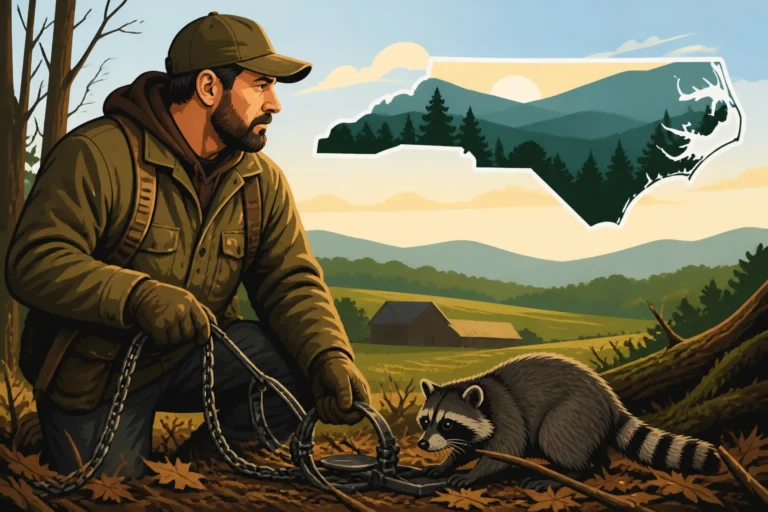
North Carolina trapping regulations, required licenses, legal setbacks, and trap restrictions for rural wildlife management.
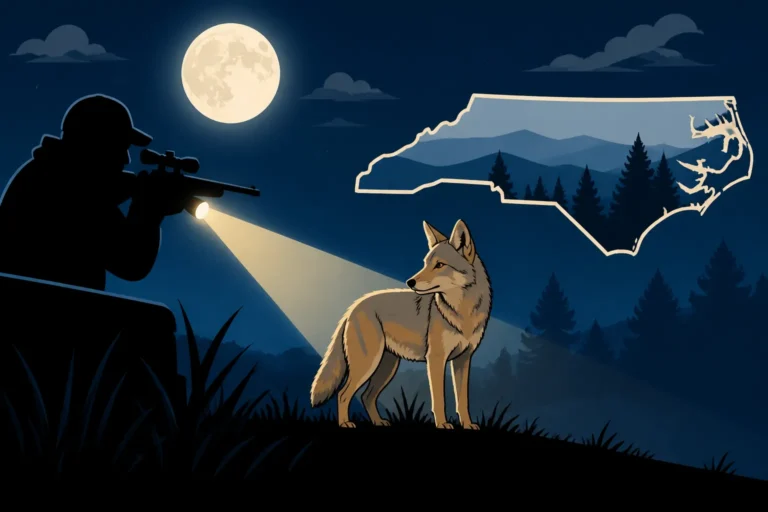
North Carolina coyote night hunting regulations allow private land shooting year-round using artificial lights and legal firearms.
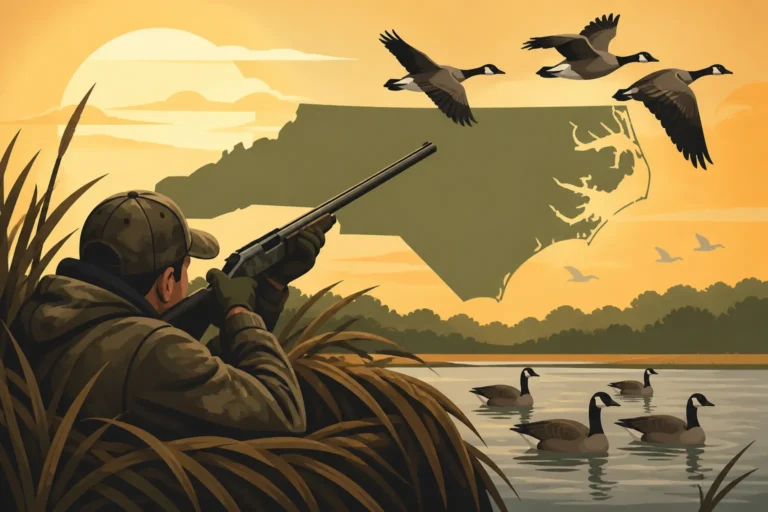
Early goose season tactics in North Carolina explain how to hunt local resident Canada geese using specific field strategies.
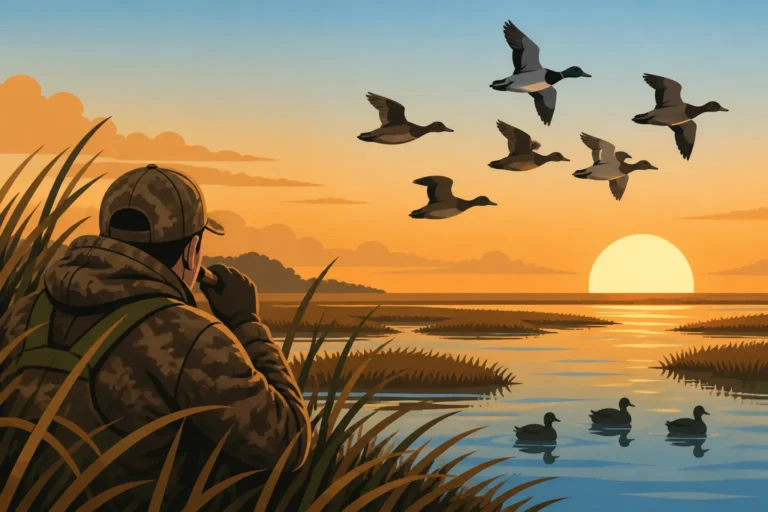
North Carolina sound-side marsh waterfowl hunting requires tracking tides, winds, and food sources to predict bird flight patterns.
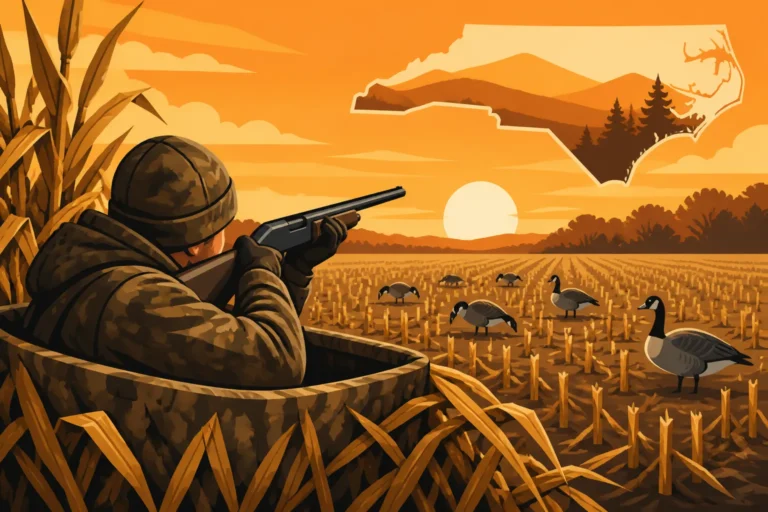
Layout blind hunting in North Carolina cut cornfields explains scouting methods, blind concealment techniques, and waterfowl behaviors.
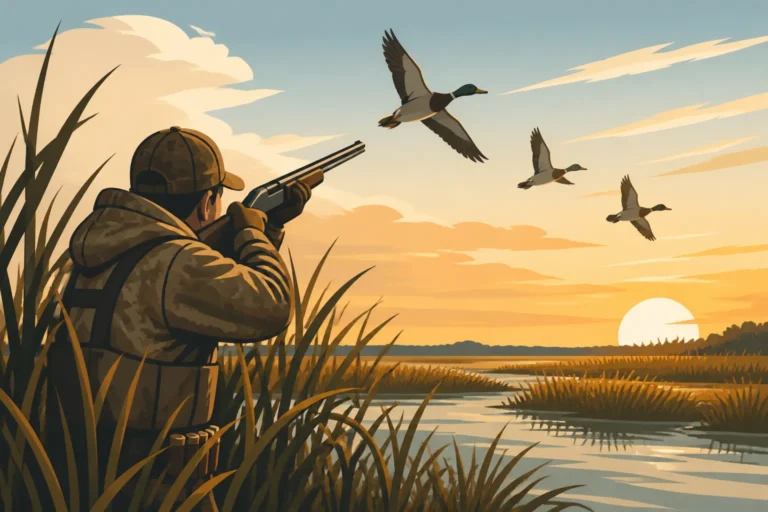
Outer Banks marsh duck hunting requires navigating unpredictable tides, dynamic estuarine ecosystems, and specialized gear.
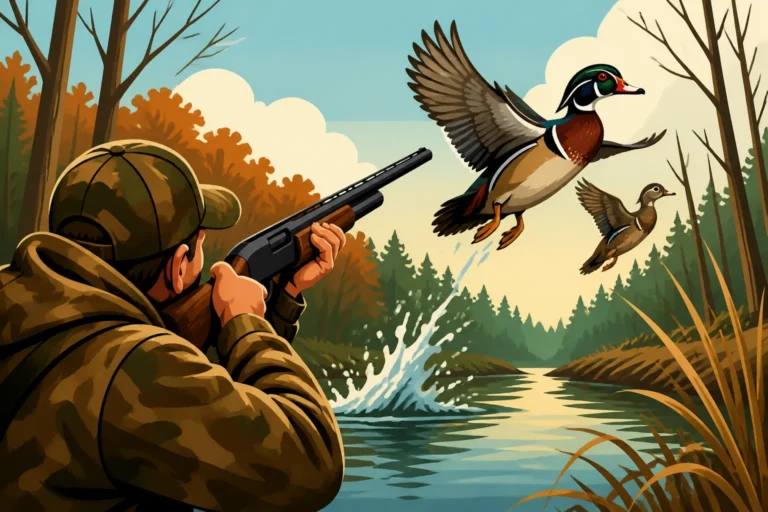
Jump-shooting wood ducks along North Carolina creeks requires understanding bird behavior and finding prime slow-moving timber habitats.
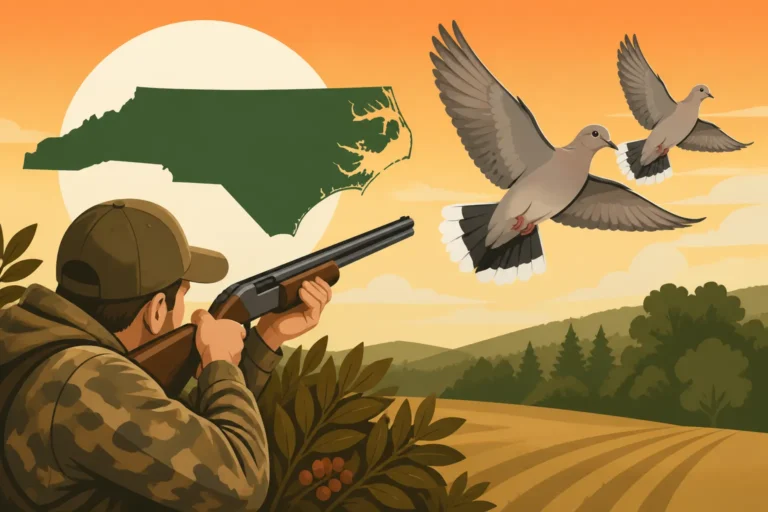
North Carolina second split dove hunting strategies, changing bird populations, weather impacts, and October regulations.
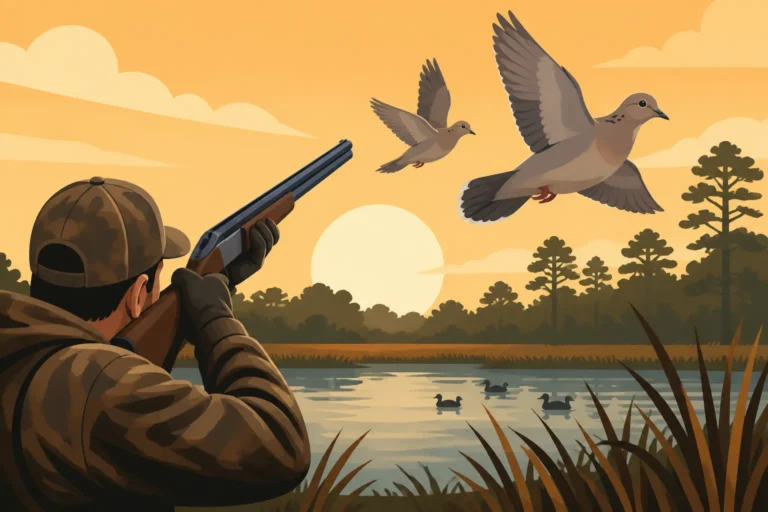
Pass-shooting mourning doves over North Carolina water holes provides consistent action when traditional field hunts fail.
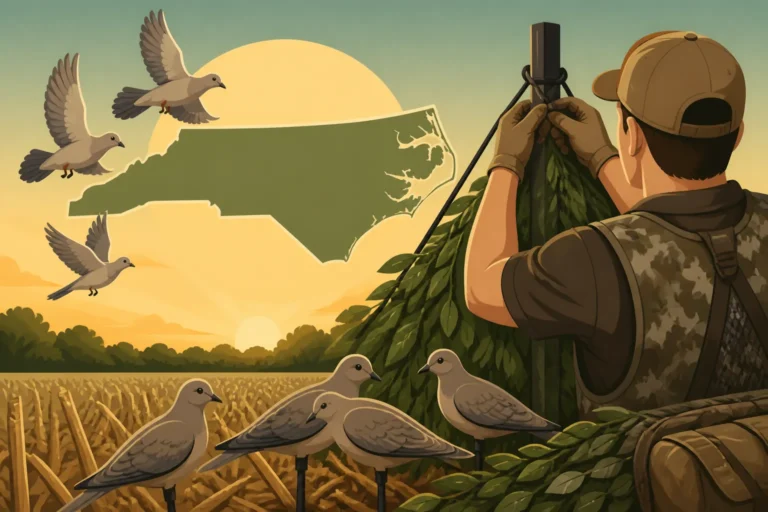
North Carolina dove field setup requires managing open feeding zones, adjacent cover, and accessible water to attract birds.