Montgomery County Uwharrie Access
Finding quality public hunting land in North Carolina can often feel like searching for a needle in a haystack, especially when you're specifically eyeing a well-known area like Uwharrie National Forest. Many hunters get frustrated trying to decipher maps, understand regulations, and figure out where to even start, particularly when trying to pinpoint access within a specific county. This guide is here to cut through that confusion, focusing directly on how to navigate and make the most of your hunting opportunities in the Uwharrie National Forest, specifically within Montgomery County.
Understanding the Uwharrie National Forest Landscape in Montgomery County
The Uwharrie National Forest, nestled predominantly within Montgomery County, is a gem for North Carolina hunters, but it comes with its own unique set of characteristics and challenges. Unlike the vast, rugged expanses of the western mountains or the flat, swampy pocosins of the coast, Uwharrie offers a blend of rolling hills, mature hardwood forests, and dense pine thickets. It's truly a microcosm of the Piedmont region, with steep draws and winding creek bottoms that can make for surprisingly challenging terrain.
Many folks come to Uwharrie expecting easy hunting, given its central location, but quickly realize it demands a different kind of strategy. The elevation changes aren't extreme by mountain standards, but they are constant, meaning you'll be doing a lot more climbing than you might expect for a Piedmont forest. The dense undergrowth in many areas, particularly where timber has been recently harvested or prescribed burns have been conducted, can create incredible bedding cover for deer and excellent escape routes for turkeys, but it also makes visibility a real premium. It's a place where you'll earn every step, and definitely every animal.
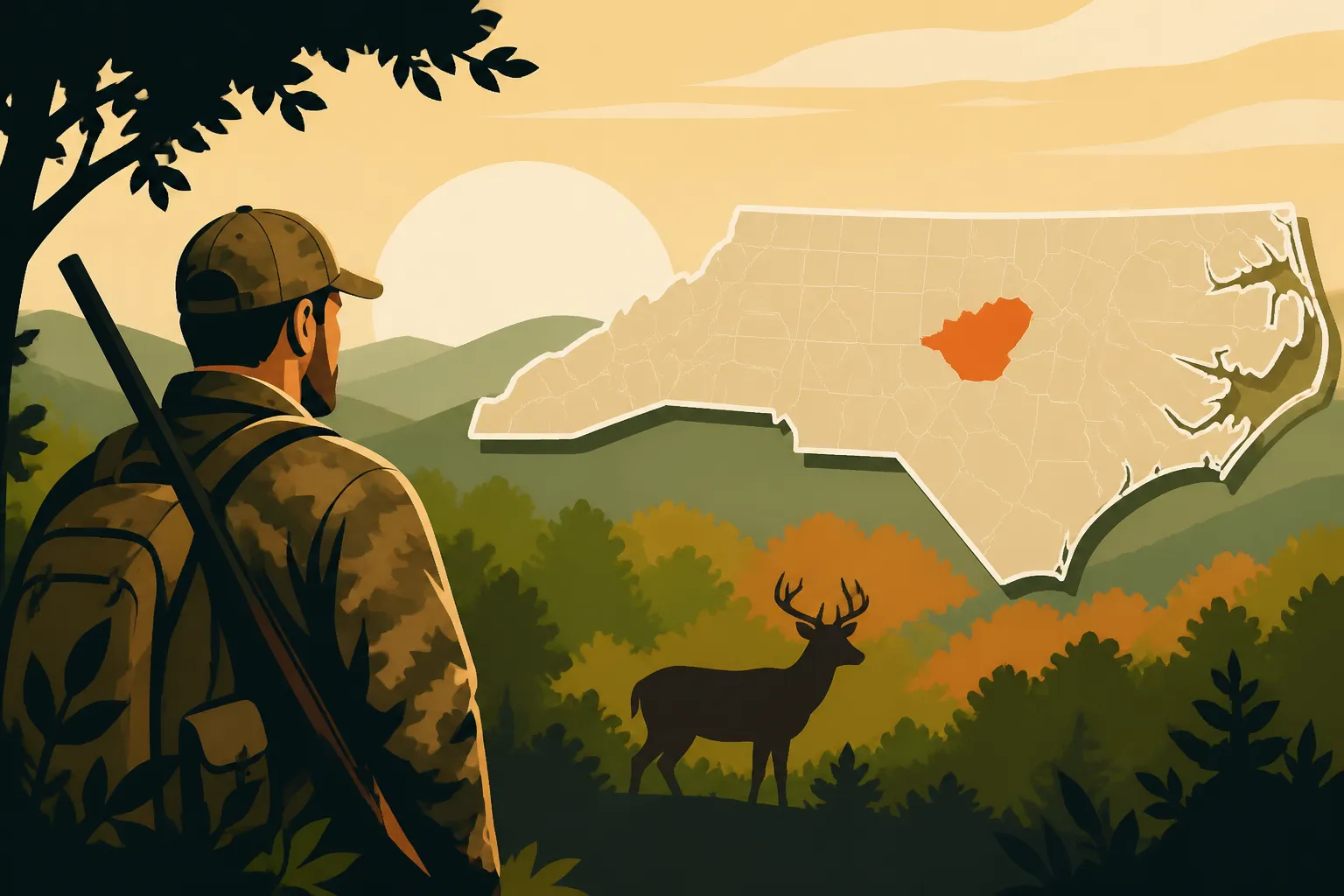
Montgomery County hosts a significant portion of the Uwharrie National Forest, meaning that much of the public land access you'll find for this forest will be within its borders. This is a blessing and a curse. It's a blessing because it consolidates your focus and makes it easier to plan, but it can be a curse because that focused access often means more hunting pressure, especially on opening day or during the peak of the rut. Understanding this landscape – its topography, its vegetation, and the impact of other hunters – is your first step toward success. The deer here aren't pushovers; they're smart, wary, and intimately familiar with their territory.
Navigating Access Points and Regulations for Uwharrie Hunting
Getting onto the Uwharrie National Forest in Montgomery County isn't always as simple as pulling off a main highway. Many access points are along less-traveled gravel roads, some of which might not be marked clearly. This is where pre-season scouting and good mapping tools really shine. You're looking for designated parking areas, often small pull-offs or gravel lots, that provide access to the extensive network of old logging roads, hiking trails, and game trails that permeate the forest. Sometimes, you'll find access points that are nothing more than a faint path leading into the woods from a less-used road.
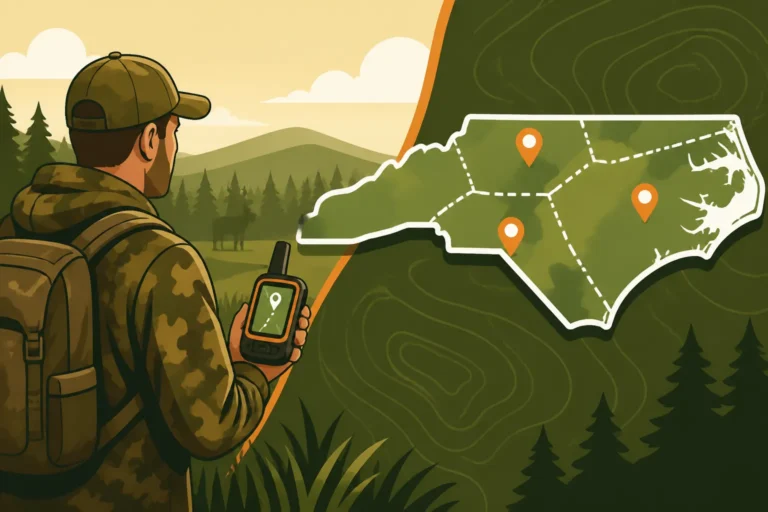
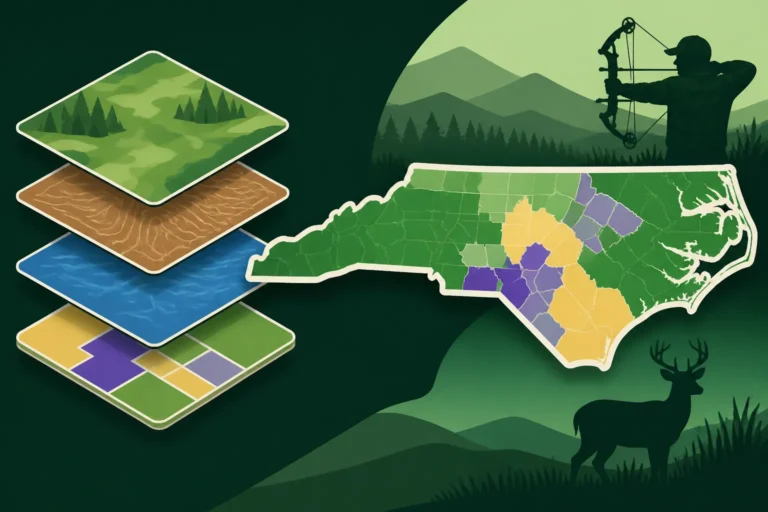
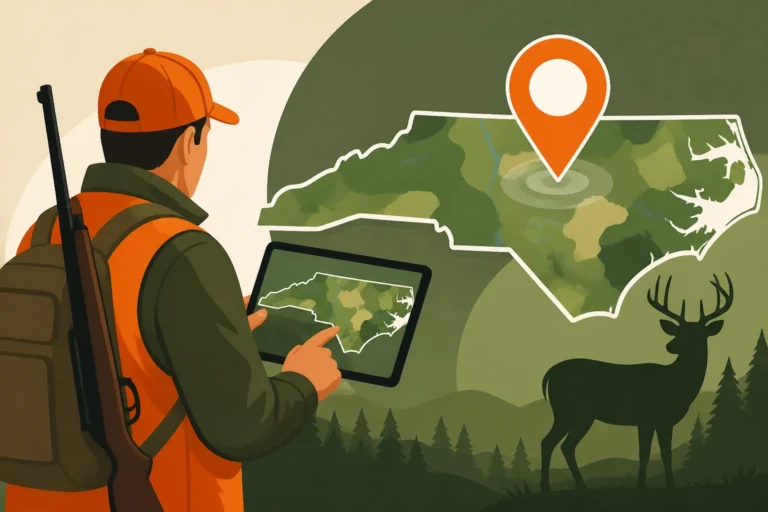
When you're trying to locate these spots, digital mapping applications like onX Hunt are invaluable. They can overlay public land boundaries, clearly showing the Uwharrie National Forest lines, and even mark potential parking areas or gates. It's an absolute game-changer for finding those tucked-away corners that might see less pressure. You can zoom in, identify topographic features like saddles or creek crossings, and plan your entry and exit routes long before you ever step foot in the woods. This is also where you'd confirm if you're on designated Game Lands, which often require a specific North Carolina Game Lands License Requirements in addition to your standard hunting license. Always double-check the latest regulations for specific areas, as rules can vary even within the National Forest depending on whether it's part of a designated Game Land unit or a special hunt area.
Regulations within the Uwharrie are generally consistent with North Carolina statewide rules, but there are some nuances for national forest land. For instance, while permanent treestands are usually prohibited on public land, portable stands and climbing sticks are generally allowed, provided they are removed after each hunt or within a specific timeframe (often 10 days). Camping is permitted in many areas, which can be a huge advantage for multi-day hunts, but always check for specific regulations regarding campfires and leave no trace principles. ATV use is typically restricted to designated trails, if permitted at all, so be prepared to do a lot of walking or use mountain bikes for deeper access. Remember, obeying these rules isn't just about legality; it's about respecting the resource and ensuring everyone has a chance to enjoy it. You can find comprehensive details about these rules by consulting the official North Carolina Wildlife Resources Commission (NCWRC) website or their annual regulations digest.
| Access Type | Description | Common Game Species | Key Considerations |
|---|---|---|---|
| Main Roadside Pull-offs | Small gravel areas directly off paved or well-maintained dirt roads. Easily found. | Deer, Turkey, Small Game | High pressure, convenient, often leads to well-worn trails. Early mornings are crucial. |
| Gated Forest Service Roads | Designated gates, sometimes locked, limiting vehicle access. Often requires walking or biking in. | Deer, Turkey, Bear | Lower pressure further in, excellent for deep scouting. Check for seasonal access changes. |
| Unmarked Trailheads | Faint paths leading into the woods from less-traveled county roads or old logging paths. | Deer, Turkey | Requires detailed map study (e.g., onX Hunt) to find. Can offer solitude if you're willing to bushwhack. |
| Remote Backcountry | Areas far from roads, often reached via long hikes or navigating dense cover. | Deer, Turkey, Bear, Hogs | Lowest pressure, but demands significant physical exertion and navigational skills. Pack light, pack smart. |
Strategies for Hunting Success in Uwharrie's Rolling Hills
Hunting the Uwharrie National Forest, particularly within Montgomery County, requires a well-thought-out approach. This isn't a place for casual hunting; it's for those willing to put in the effort and adapt to the terrain. Deer here are often spread out, and their patterns are dictated by the varied mast crops, water sources, and bedding cover found across the rolling hills and hollows. Turkeys will often roost in the mature hardwoods along creek bottoms or on high ridges, then fly down to feed in more open areas or along field edges.
Deer Hunting Tactics:
The key to deer hunting in Uwharrie is understanding elevation and cover. Deer will use those rolling hills to their advantage, often bedding on benches just below a ridge top, where they can watch their backtrail and scent the wind. Focus your efforts on saddles, draws, and creek bottoms that act as natural funnels for deer movement, especially during the rut. Hunting Uwharrie's Rolling Piedmont Hollows can give you an edge by understanding how deer use these specific terrain features. Scrape lines along old logging roads or trails can be excellent indicators of buck activity. Look for areas with diverse habitat, where mature hardwoods meet dense pine thickets or where clear-cuts are regenerating; these edges are often prime spots. During the early season, food sources like acorns, persimmons, and muscadines are critical. As the season progresses, deer will key in on whatever remaining browse is available.
Turkey Hunting Tactics:
Spring turkey hunting in Uwharrie can be both exhilarating and frustrating. The gobblers here are notoriously cagey, often pressured from years of hunting. Roosting birds the evening before can be incredibly effective. Find a high point, listen for fly-up calls, and then plan your approach for first light. Set up quietly well before dawn, aiming to be within 100-150 yards of the roost tree, and let the morning unfold. Locator calls like owl or crow calls can help pinpoint a gobbler's location without having to use turkey calls too early. Once you hear a bird, move in, set up with good back cover, and be patient. Don't be afraid to Run-and-Gun Turkey Tactics on Public Land if the birds are moving, but always prioritize safety and avoid bumping birds off the roost. Decoys can be effective, but sometimes less is more with pressured Uwharrie gobblers; a single hen decoy might be all you need.
Scouting is Paramount:
You simply cannot overstate the importance of scouting in Uwharrie. This isn't a place where you can just show up opening morning and expect to find animals. Scouting North Carolina Public Land Before Season is crucial. Use your mapping apps like onX Hunt or GoHunt to identify potential travel corridors, water sources, and bedding areas. Look for pinch points created by terrain or vegetation. Then, put boots on the ground. Walk those creek bottoms, climb those ridges, and identify fresh sign like rubs, scrapes, and tracks. Pay attention to mast crops – knowing where the acorns are dropping can be the single most important factor in locating deer in the fall. During the off-season, you'll find shed antlers, old rubs, and other sign that tells a story of the previous season's activity. Remember, the more time you spend in the woods before the season, the better your chances of connecting when the season opens.
Making the Most of Your Uwharrie Experience
Beyond the actual hunt, the Uwharrie National Forest offers a rich outdoor experience. The sheer act of being out there, navigating the woods, and observing nature is a reward in itself. But for hunters, it's about strategy, persistence, and respecting the land and your fellow outdoorsmen.
Dealing with Pressure:
It's no secret that public lands, especially those as accessible as Uwharrie, can see significant hunting pressure. Don't let this deter you. Instead, use it as part of your strategy. Most hunters stick to the easy-to-reach areas, close to roads and designated trails. If you're willing to walk further, deeper into the forest, you significantly increase your chances of finding undisturbed game. Look for areas that require a bit more effort to access, perhaps crossing a creek or climbing a steep incline. Finding Ground That Sees Fewer Hunters often comes down to simply going where others aren't willing to go. Consider hunting mid-week if your schedule allows, as weekend pressure can be intense.
Safety First:
No matter how experienced you are, safety should always be your top priority. Uwharrie's terrain can be deceptive, and it's easy to get disoriented, especially as dusk falls. Always carry a compass and a reliable GPS device (your phone with a hunting app like onX Hunt is great, but a dedicated GPS can be a lifesaver if your phone dies). Tell someone where you're going and when you expect to return. Wear appropriate North Carolina Blaze Orange Requirements during gun seasons, even if it's not strictly mandated for your specific hunt type, as it greatly increases your visibility to other hunters. Be mindful of potential encounters with other users of the forest, including hikers, mountain bikers, and horseback riders.
Leave No Trace:
As hunters, we are stewards of the land. Practice leave no trace principles: pack out everything you pack in, and perhaps even a little more. This includes spent shell casings, food wrappers, and anything else that doesn't belong. Respect the forest regulations regarding tree stands and blinds. If you're successful, field dress your animal away from trails and water sources, and dispose of offal properly. Leaving the forest better than you found it ensures that future generations of hunters and outdoors enthusiasts can continue to enjoy the bounty of Uwharrie National Forest in Montgomery County.
Disclaimer
This article is for general informational purposes only and does not constitute professional advice. Laws, prices and regulations vary by location and change over time. Consult a qualified professional for guidance on your specific situation.