North Carolina Captive Cervid Oversight
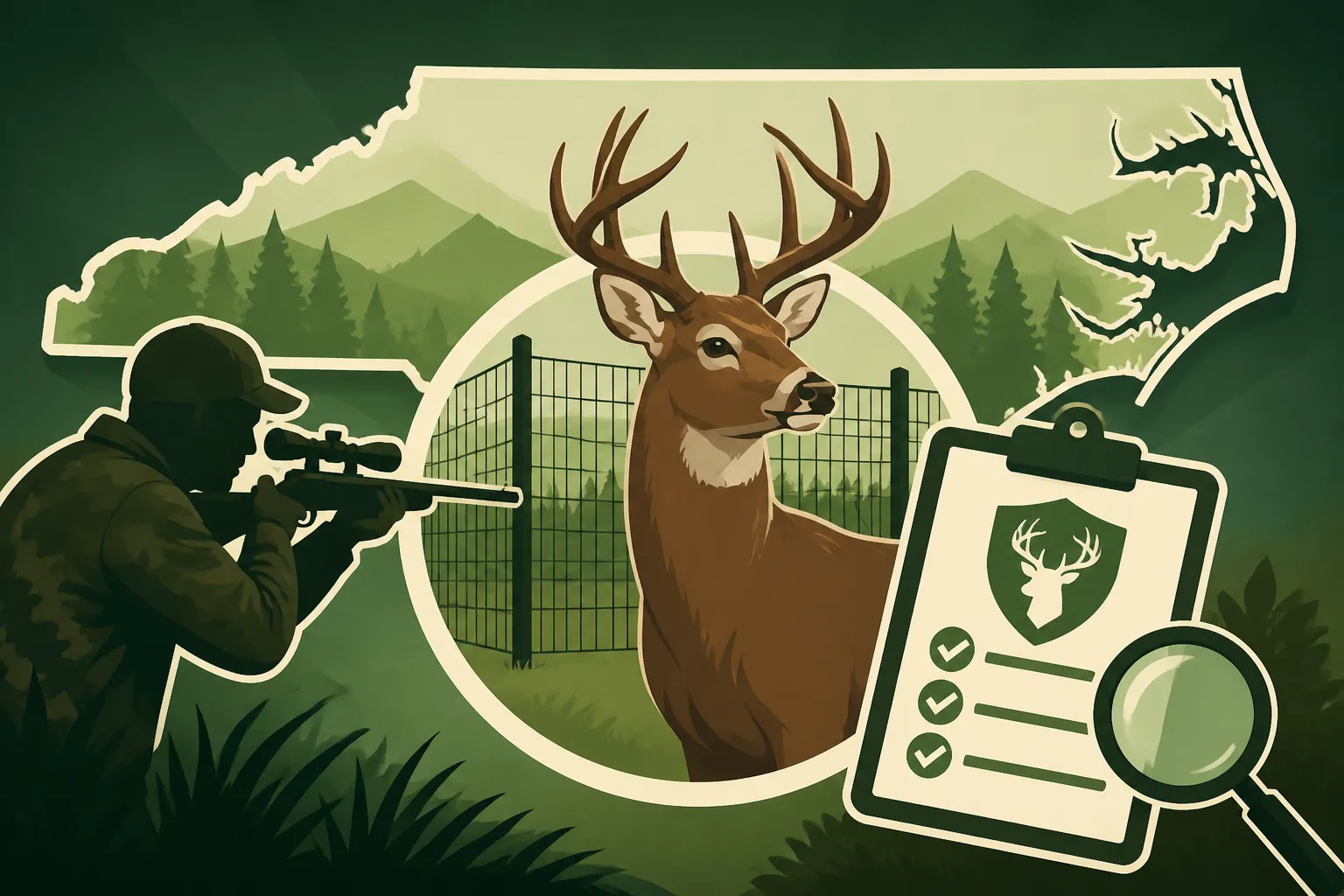
It's easy to assume that deer, elk, and other cervids exist solely in the wild, roaming free across our state's beautiful landscapes. But the reality is, a significant number of these animals are also raised in captivity here in North Carolina, for a variety of purposes. This practice, while offering economic benefits and opportunities, also introduces unique challenges and, critically, risks – especially concerning disease transmission to our wild deer herds. This guide will walk you through the robust oversight measures in place to regulate these captive cervid facilities, ensuring the health and safety of both captive animals and the broader North Carolina ecosystem.
Understanding Captive Cervid Operations in North Carolina
When we talk about "captive cervids," we're not just talking about a few deer behind a fence in someone's backyard. These are often sophisticated operations, and they serve a range of purposes that might surprise you. Understanding why these facilities exist helps shed light on why they need such stringent oversight.
Diverse Purposes of Cervid Facilities
Imagine a pristine property in the Piedmont, where majestic elk graze in carefully managed pastures, or a deer farm where bucks grow impressive antlers destined for hunting preserves or breeding programs. These are just a couple of examples. Many operations focus on breeding specific genetics for antler growth, aiming to produce trophy-class deer or elk that can be sold to other captive facilities or used to stock smaller, controlled hunting preserves. Others might raise cervids primarily for venison production, offering a lean, healthy meat source to consumers. You also find captive cervids in educational exhibits, such as zoos, nature centers, or even drive-through parks, where the public can learn about these animals up close. Each of these purposes brings its own set of management practices, facility requirements, and, importantly, potential risks. From a farmer looking to diversify their income to a wildlife enthusiast hoping to contribute to superior genetics, the motivations are varied, but the core need for careful management remains constant.
The Growing Need for Regulation
While these operations offer many benefits, they also present a unique set of challenges to North Carolina's natural resources. The primary concern is always the potential for disease transmission to our wild deer populations. If a captive animal escapes, or if wild deer come into contact with captive deer at fence lines, diseases can jump species with devastating consequences. We've seen how quickly diseases like Chronic Wasting Disease (CWD) can decimate wild herds in other states, and North Carolina is working hard to prevent widespread outbreaks here. Beyond disease, there's also the risk of genetic pollution if non-native cervids or those bred for specific traits (like unnaturally large antlers) escape and breed with native wild deer. Public concern for wildlife welfare and the integrity of our natural ecosystems has steadily increased, especially as news of CWD spreads. This growing awareness, coupled with the expansion of captive cervid facilities, has driven the need for comprehensive and strictly enforced regulations to protect our state's incredible wild deer and elk heritage.
The Agencies Guarding North Carolina's Cervids
Navigating the world of wildlife and agriculture in North Carolina means dealing with a few key players. When it comes to captive cervids, it's not just one agency calling all the shots; it's a collaborative effort, which, while sometimes feeling complex, ultimately provides a stronger safety net.
Dual Oversight by NCWRC and NCDA&CS
In North Carolina, the regulation of captive cervids falls under a dual oversight system, primarily involving the North Carolina Wildlife Resources Commission (NCWRC) and the North Carolina Department of Agriculture and Consumer Services (NCDA&CS). This might sound like a lot of cooks in the kitchen, but it’s actually a very intentional and effective approach. The NCWRC is the primary agency responsible for the management and conservation of all wildlife resources in the state. Their interest in captive cervids stems from the direct impact these operations can have on wild deer and elk populations – particularly concerning disease, genetics, and potential escapes. They focus on permitting the possession of cervids and preventing their negative impacts on wild resources. On the other hand, the NCDA&CS steps in because many captive cervid operations are agricultural endeavors, akin to livestock farming. Their purview includes animal health, disease control within agricultural settings, and the general welfare of farmed animals. This dual agency approach means that facilities are scrutinized from both a wildlife conservation and an animal health perspective, ensuring a more comprehensive protective strategy. For instance, while the NCWRC might dictate fencing standards to prevent wild deer interaction, the NCDA&CS would mandate specific health testing protocols. It’s a delicate balance, but it’s designed to cover all bases and ensure a holistic approach to managing these unique animals. When you're trying to understand the nuances of how these agencies work together, it's clear why having a reliable resource for information is so important, whether you're researching North Carolina Deer Season Structure Explained or the specifics of cervid farms.
Key Regulatory Frameworks and Statutes
The framework governing captive cervids in North Carolina is built upon specific state statutes and administrative codes. These aren't just suggestions; they are legally binding rules designed to minimize risks. Operators must obtain permits from the NCWRC to possess cervids, and these permits come with a long list of conditions. For example, there are detailed requirements for enclosure construction, ensuring that fences are robust enough to prevent escapes of captive animals and ingress of wild ones. Think high fences, often with overhangs or buried sections, far more substantial than your typical farm fence.
Beyond physical infrastructure, there are strict rules around animal identification, usually involving ear tags or microchips, so every animal can be traced. This is absolutely critical for disease surveillance. Operators also have reporting obligations, needing to inform the agencies about births, deaths, sales, or escapes. The North Carolina Deer Farm Regulations specifically address many of these concerns, providing a roadmap for operators and a legal basis for enforcement. These regulations are not static; they are regularly reviewed and updated based on scientific advancements and emerging threats, such as new understandings of CWD transmission or changes in regional disease prevalence. Much like a hunter might use a robust mapping and data platform to scout new areas or track regulations, such as GoHunt, captive cervid operators have to stay incredibly current on these complex and evolving legal requirements to remain compliant.
Disease Prevention and Management in Captive Herds
Perhaps the most critical aspect of captive cervid oversight is disease management, especially with the looming threat of Chronic Wasting Disease (CWD). The goal is simple, but the execution is incredibly complex: prevent diseases present in captive populations from spilling over into wild deer, and vice versa.
Chronic Wasting Disease Protocols
Chronic Wasting Disease is a transmissible neurological disease affecting cervids, always fatal, and with no known cure or vaccine. It's caused by prions, abnormal proteins that can persist in the environment for years, making containment incredibly challenging. North Carolina has a multi-pronged strategy to address CWD in captive cervids, focusing heavily on prevention and rapid detection. Firstly, there are mandatory CWD testing protocols. Any captive cervid that dies, regardless of the cause, must be tested for CWD. This post-mortem surveillance is vital for early detection within a herd. Secondly, facilities often participate in a CWD Herd Certification Program (HCP), which is a voluntary program managed by the NCDA&CS in cooperation with USDA. This program involves regular inspections, animal identification, extensive record-keeping, and strict testing over several years to achieve certified CWD-free status.
This certification is crucial for interstate movement of animals. Without it, you’re essentially unable to legally transport cervids across state lines. Furthermore, there are stringent carcass movement restrictions, particularly for any deer harvested or that dies within or near a CWD management area. You can learn more about North Carolina CWD Testing for Hunters to see how these measures also apply to the wild herd, emphasizing the integrated approach to managing this threat. The diligence required from captive cervid operators is immense, as a single CWD positive animal could lead to depopulation of an entire herd, significant financial loss, and severe restrictions on surrounding areas.
Biosecurity Measures and Health Certifications
Beyond CWD, facilities must adhere to a host of other biosecurity measures designed to prevent the introduction and spread of various diseases. This includes robust fencing requirements not just to prevent escapes, but also to minimize nose-to-nose contact between captive and wild cervids. Imagine trying to build a fence strong enough to keep a determined wild buck out while also securing a large elk! These fences are an enormous investment and a constant maintenance task.
Regular veterinary oversight is mandatory. Each facility must have a relationship with a licensed veterinarian who provides ongoing health management, administers vaccinations, and helps develop herd health plans. Any unusual illnesses or mortalities must be reported immediately. Additionally, North Carolina has strict import and export rules for cervids, often requiring specific health certificates, lengthy quarantine periods, and testing for diseases like tuberculosis and brucellosis before animals can enter or leave the state. These measures act as critical checkpoints, preventing diseased animals from moving into new areas. The importance of these certifications cannot be overstated; they are the foundation of healthy captive populations and a firewall against disease spread to our wild resources.
Here’s a quick overview of some key disease prevention aspects:
| Feature | Description | Primary Agency |
|---|---|---|
| Mandatory CWD Testing | All deceased captive cervids must be tested. | NCDA&CS |
| Herd Certification | Voluntary program for CWD-free status, involves inspections and testing. | NCDA&CS |
| Fencing Standards | High-security enclosures to prevent escape/ingress of wild cervids. | NCWRC |
| Animal Identification | Ear tags or microchips required for all captive cervids for traceability. | NCDA&CS |
| Veterinary Oversight | Required ongoing health management and reporting by a licensed vet. | NCDA&CS |
| Import/Export Rules | Strict health certificates, quarantine, and testing for movement of animals. | NCDA&CS |
Licensing, Inspections, and Compliance for Operators
Running a captive cervid facility isn't something you can just decide to do one day. It involves a rigorous application process, ongoing inspections, and a commitment to strict compliance. It’s a lot more involved than simply getting your North Carolina Hunting Licenses and What They Cost for a deer season.
The Application and Permitting Process
Starting a captive cervid facility in North Carolina is a multi-step process that requires significant planning and investment before you even acquire your first animal. First and foremost, a prospective operator must apply for a permit from the NCWRC to possess cervids. This isn't a rubber-stamp process; it's a deep dive into your proposed operation. The application typically requires detailed blueprints of the facility, outlining fence designs, pen layouts, and biosecurity protocols. You'll need to specify the species and number of cervids you intend to keep, and provide proof that you have the financial resources to maintain the facility and the animals properly.
Once the application is submitted, a thorough site inspection is conducted by both NCWRC and NCDA&CS personnel. They'll assess the proposed location for its suitability, inspect fence lines, check water sources, and ensure that all proposed infrastructure meets the stringent regulatory standards. They're looking for potential escape routes, areas where wild deer could interact with captive ones, and any biosecurity vulnerabilities. This initial phase is all about demonstrating that you are serious, capable, and committed to operating a secure and healthy facility, safeguarding North Carolina's vital wild deer populations from disease and genetic contamination, especially in areas like North Carolina's Chronic Wasting Disease Areas.
Ongoing Compliance and Enforcement
Getting the permit is just the beginning. Operating a captive cervid facility means a commitment to ongoing compliance that lasts as long as the operation is in business. This includes regular, often unannounced, inspections by wildlife enforcement officers and agricultural veterinarians. They’ll check fence integrity, verify animal identification, review health records, and ensure that all reporting requirements (births, deaths, movements, escapes) are being met.
Record-keeping is paramount. Operators must maintain meticulous records of every animal, including its origin, health history, and any movements. This data is critical for disease traceability, especially in the event of an outbreak like CWD, which we have been actively monitoring, as highlighted in "How CWD Reached the Yadkin Valley." Failure to comply with any of these regulations can lead to serious consequences. This isn't a system that takes violations lightly. Sanctions can range from warnings and fines for minor infractions to the revocation of permits, seizure of animals, and even criminal charges for severe or repeated violations. The goal is to enforce responsible stewardship, and the penalties reflect the high stakes involved in protecting our state's wild cervid populations. Much like hunters meticulously plan their seasons using tools such as GoHunt to avoid regulatory pitfalls, captive cervid operators must meticulously adhere to a detailed regulatory framework year-round.
Disclaimer
The information provided in this guide is for general educational purposes only and should not be considered legal advice. Regulations regarding hunting, wildlife, and captive cervids in North Carolina are subject to change. Always consult the most current regulations published by the North Carolina Wildlife Resources Commission and the North Carolina Department of Agriculture and Consumer Services, or seek legal counsel, before making decisions related to these topics.