North Carolina Coastal Duck Zone Opening Dates
Trying to pin down the exact opening dates for duck season in North Carolina's sprawling Coastal Duck Zone can feel like navigating a maze, especially with all the different species, split seasons, and regulatory nuances. It's easy to get confused and miss out on prime hunting opportunities, but don't worry—this guide is here to untangle it all, giving you a clear roadmap for when and where to chase waterfowl along our beautiful coast.
Understanding North Carolina's Waterfowl Zones
North Carolina is a true waterfowl hunter's paradise, but with that blessing comes the challenge of understanding its diverse landscapes and the corresponding hunting zones. It’s not a one-size-fits-all approach; the state is divided into three distinct waterfowl zones – the Mountains, Piedmont, and Coastal – each with its own set of season dates designed to align with the migratory patterns and local populations of ducks and geese. For those of us who live for the sound of whistling wings over tidal marshes or flooded timber, knowing these zones intimately is the first step to a successful season. The coastal zone, in particular, attracts a phenomenal diversity of migratory birds, from fast-flying teal to hardy diving ducks, making it a highly anticipated region for many hunters.
Defining the Coastal Duck Zone Boundaries
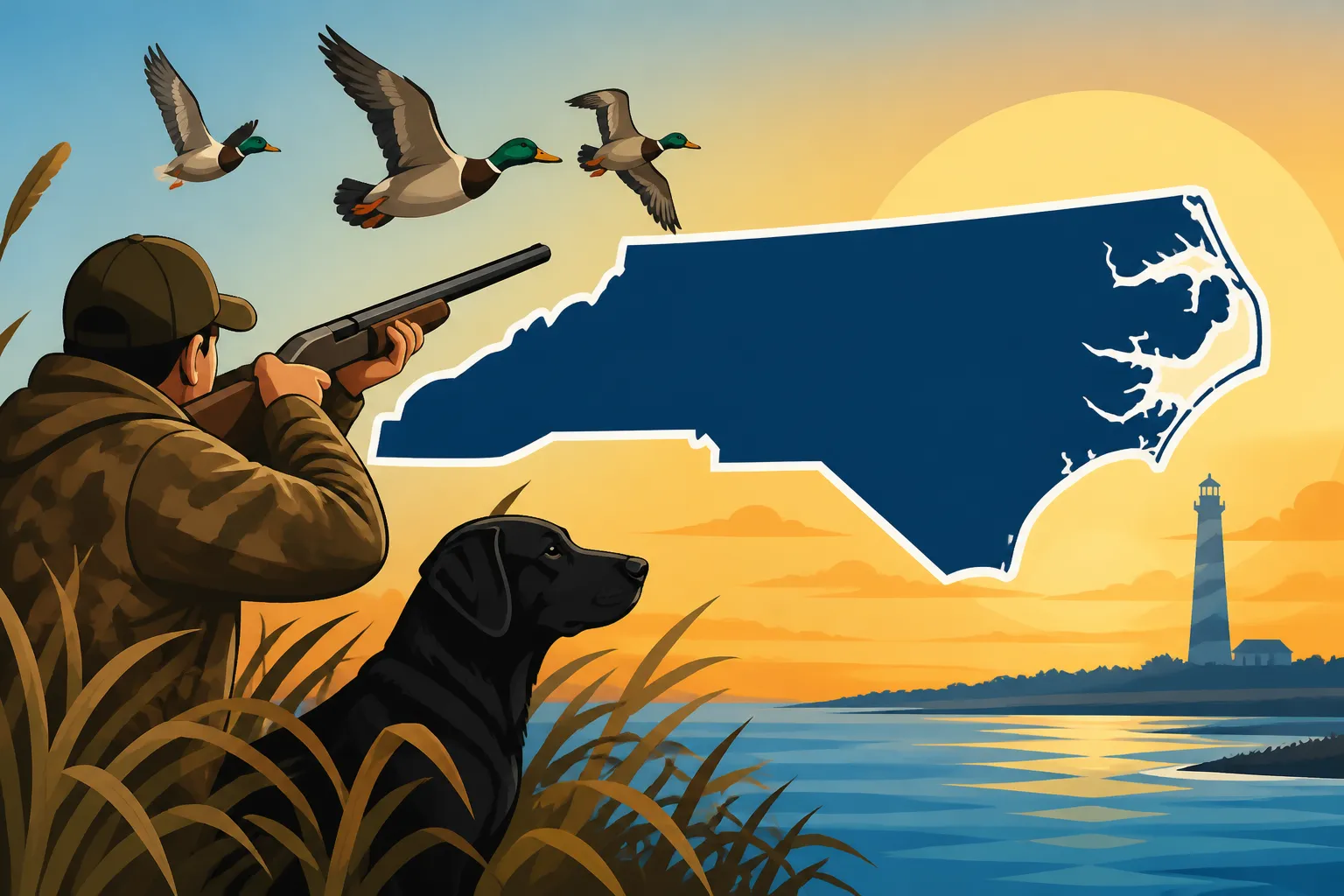
The North Carolina Coastal Duck Zone encompasses a vast and varied landscape, from the Outer Banks barrier islands to the expansive sounds and nutrient-rich estuaries that define our eastern shores. To be precise, this zone includes all of that iconic land and water east of U.S. Highway 17. Think of places like Currituck Sound, Pamlico Sound, the sprawling pocosins of the mainland, and the tidal rivers that snake their way to the ocean. This boundary isn't just a line on a map; it represents a significant ecological division, separating the coastal habitats from the more inland Piedmont and Mountain regions. This vast area offers an incredible array of hunting opportunities, whether you're hiding in a marsh blind, pushing through flooded timber, or layout blind hunting coastal plain fields. It's a waterfowl haven, but understanding its exact geographical limits is crucial for staying legal and safe.
Why Zone Lines Matter for Waterfowl Hunters
For us waterfowlers, these zone lines aren't merely administrative boundaries; they dictate our entire season. Imagine spending weeks scouting a perfect marsh, setting up your decoys, and then realizing you're technically in the wrong zone for the dates you planned – it's a frustrating scenario many have faced. The North Carolina Wildlife Resources Commission (NCWRC) sets these zones and their specific dates based on extensive biological data, migratory bird surveys, and an understanding of when different species are most prevalent in certain areas. This means that birds might be in season in the Coastal Zone while still protected in the Piedmont or Mountains. Misinterpreting these lines can lead to missed hunts, or worse, legal trouble. Always double-check your location against the official map, especially if you hunt near the U.S. Highway 17 corridor, where a difference of a few hundred yards could put you in a different season structure entirely. Tools like the NC Wildlife App can be incredibly helpful for scouting North Carolina public land before season and confirming your location.
Diving Deep into Coastal Duck Season Opening Dates
Now, let's get down to brass tacks: those all-important opening dates for the Coastal Duck Zone. Unlike deer season, which can feel a bit more straightforward with its various gun zones split the calendar, waterfowl seasons are often broken into "splits" or segments, designed to coincide with different waves of migration throughout the fall and winter. This means you might have an early opportunity for certain species, followed by a break, and then a longer, more traditional season. Keeping track of these can be tricky, but it’s essential for planning your time off and ensuring your gear is ready.
Early Season Opportunities: Teal and Other Migratory Birds
The first whisper of waterfowl season along the North Carolina coast often begins with the early teal season. This special hunt, usually in September, is a high-octane affair, targeting the swift-flying blue-winged and green-winged teal that stage in our coastal impoundments and marshes before continuing their southward migration. It's a short, intense season, often lasting only a week or two, but it provides an exciting jumpstart to the waterfowl calendar. If you’ve ever tried to pass-shoot a teal, you know it takes quick reflexes! Beyond teal, hunters also look forward to early opportunities for Canada Geese in specific areas, which might also have a more liberal bag limit before the main duck season kicks in. These early seasons are often less pressured, offering a fantastic chance to knock the rust off your calling and shooting skills before the full migration arrives.
General Duck Season Splits for the Coastal Zone
The core of the Coastal Duck Zone season is typically divided into two main segments or "splits." While exact dates can shift slightly year to year based on federal frameworks and NCWRC decisions, you generally see an initial segment in late November/early December, followed by a mid-season closure, and then a longer second segment that often runs from mid-December through late January. This split season approach is designed to maximize opportunities during peak migration periods while also providing a break that can help reduce hunting pressure on local birds.
Here's a general overview of what you might expect, though always confirm with the current year's NCWRC regulations:
| Species/Season Segment | Typical Opening Date (Coastal Zone) | Typical Closing Date (Coastal Zone) | Key Notes |
|---|---|---|---|
| Early Teal Season | Mid-September | Late September | Short, high-energy hunt for blue-winged and green-winged teal. |
| First Duck Split | Mid-to-Late November | Early December | Often coincides with the initial push of northern birds. |
| Second Duck Split | Mid-to-Late December | Late January | Longer segment, targets main migration, includes divers. |
| Canada Goose Season | Varies (often similar to duck splits) | Varies (often similar to duck splits) | Specific limits and zones may apply for resident populations. |
| Light Goose Season | Mid-November | March (Conservation Order) | Extended season for Snow, Ross's, and Blue Geese. |
| Brant | Similar to Second Duck Split | Similar to Second Duck Split | Specific bag limits apply. |
Disclaimer: This table provides typical dates. Always consult the current year's North Carolina Inland Fishing, Hunting & Trapping Regulations Digest for official and exact dates. Dates are subject to change annually based on federal guidelines and state biological assessments.
During the later, longer split, this is when you'll find hunters braving the colder weather for a shot at a wider variety of species. You might be targeting big greenhead mallards in flooded timber, or heading out onto the open water of the sounds for diving ducks like redheads, canvasbacks, and buffleheads. Understanding these nuanced segments is key to successful North Carolina Waterfowl hunting, especially when planning multi-species trips.
Special Considerations for Geese and Sea Ducks
While ducks often take center stage, North Carolina's Coastal Zone also offers fantastic opportunities for goose hunting. Canada geese follow similar split seasons to ducks, though specific regulations and bag limits can sometimes differ, especially regarding resident versus migratory populations. Light geese—which include snow, Ross's, and blue geese—have a much more extended season, often stretching from November through March. This "Conservation Order" season allows for more liberal methods and bag limits to help manage their overpopulation, which can have significant impacts on their arctic breeding grounds.
Then there are sea ducks. For those who enjoy a truly robust challenge, the coastal waters off North Carolina host scoters, long-tailed ducks (formerly oldsquaws), and eiders. These birds typically follow the same general season framework as regular ducks but often require specialized tactics, larger boats, and an entirely different kind of grit. Hunting the Outer Banks and Sound Country for these species is a unique experience. While not for the faint of heart, the reward of a fully plumed black scoter or a sleek long-tailed duck is unmatched. Always review the specific regulations for sea ducks, as bag limits can be quite restrictive.
Essential Regulations Beyond Just Dates
Knowing when the season opens is just one piece of the puzzle. To be a truly responsible and effective waterfowl hunter in North Carolina's Coastal Zone, you need to be intimately familiar with a host of other regulations. These aren't just bureaucratic hurdles; they're in place to ensure the sustainability of our waterfowl populations and the safety of all hunters. Ignoring them can result in hefty fines, loss of hunting privileges, and a black eye for the hunting community as a whole.
Licensing and Federal Requirements for Coastal Hunters
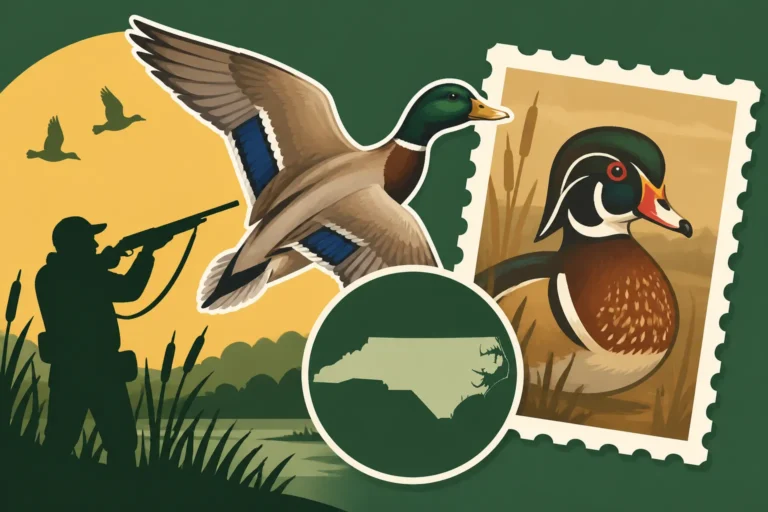
Before you even think about stepping into a blind or launching your boat, you absolutely need the right licenses and stamps. For migratory bird hunting in North Carolina, this goes beyond just your basic hunting license. You'll need a valid North Carolina Resident Hunting License Options or North Carolina Nonresident Hunting License Options, of course. But crucially, all migratory bird hunters 16 years of age and older must also possess a valid Federal Duck Stamp. This stamp is a critical piece of conservation, with 98 cents of every dollar directly funding the acquisition or lease of wetland habitat for waterfowl. It's a small investment that makes a massive impact.
In addition to the Federal Duck Stamp, you'll need the North Carolina Migratory Bird Certification. This certification is free but mandatory and helps the NCWRC gather vital harvest data, which contributes to national waterfowl management efforts. You can often add this to your license when buying it on the NC Wildlife Portal or through a local license agent. Don't overlook these seemingly small details; they are foundational to ethical and legal waterfowl hunting.
Daily Bag Limits and Species Restrictions
Once you're licensed and stamped, understanding daily bag limits and species restrictions is paramount. It's not enough to simply know you can shoot "ducks"; you need to know how many of each species you can take. For example, the North Carolina Duck Daily Bag Limit might be a total of six ducks, but that total is often composed of specific limitations for certain species. You might only be allowed two mallards (with specific restrictions on hens), one pintail, one canvasback, or two redheads, regardless of whether you’ve reached your overall six-duck limit. These species-specific limits are put in place by federal and state agencies to protect populations that are more vulnerable or less numerous.
It’s your responsibility as a hunter to correctly identify the birds before you shoot. This can be challenging in low light or fast-paced action, but it's a skill every dedicated waterfowler must develop. Penalties for exceeding bag limits or shooting protected species can be severe. This is where spending time studying waterfowl identification guides, observing birds through binoculars, and even using tools like GoHunt's species identification features can make a real difference.
Non-Toxic Shot and Other Equipment Rules
The use of non-toxic shot is a non-negotiable rule for all waterfowl hunting throughout the United States, including here in North Carolina's Coastal Zone. This regulation has been in effect for decades and is critical for protecting waterfowl and other wildlife from lead poisoning, which can occur when birds ingest spent lead shot. You absolutely cannot use lead shot for ducks, geese, brant, or coots. Common non-toxic alternatives include steel, bismuth, and tungsten-based shot. Ensure your shotgun is patterned correctly with your chosen non-toxic loads for optimal performance. You can find more details in our guide on Waterfowl Loads for Sound-Side Divers.
Beyond shot type, there are other equipment rules. For instance, your shotgun must be plugged to hold a maximum of three shells (one in the chamber, two in the magazine). There are also restrictions on baiting and the use of electronic calls for migratory birds, though light geese under the Conservation Order may have different rules. Always review the current regulations digest thoroughly, as rules can change. Understanding nuances like North Carolina Federal Duck Stamp Requirement and North Carolina Migratory Bird Certification are essential components of ethical and legal hunting.
Planning Your Hunt and Maximizing Success
The North Carolina Coastal Duck Zone is renowned for its diverse waterfowl hunting, from the expansive open waters of Currituck Sound to the intricate network of tidal creeks and impoundments. Simply knowing the opening dates isn't enough; true success comes from meticulous planning, scouting, and adapting to the dynamic environment. Our coastal region presents unique challenges and rewards that differ significantly from hunting in the mountains or Piedmont.
Scouting and Weather Considerations for Coastal Ducks
Scouting is paramount for any successful hunt, but it takes on an even greater importance in the vastness of the Coastal Zone. Aerial photos and mapping apps like those found on GoHunt are invaluable for identifying potential hotspots like productive marsh edges, secluded impoundments, or flooded agricultural fields. Look for areas with current bird activity – flight patterns, feeding ducks, or even just fresh droppings can tell you a lot. Don't be afraid to put in the legwork (or boat time) before the season opens. Our guide on Reading a Sound-Side Marsh for a Morning Flight offers some great tips.
Weather is perhaps the single biggest factor influencing coastal waterfowl hunting. Cold fronts push new birds south, strong winds can impact flight patterns and dictate where birds will seek shelter, and fog can make for challenging navigation but sometimes excellent close-range shooting. Tides are also a massive consideration in coastal marshes and estuaries. A rising tide might push ducks into shallower feeding areas, while a falling tide can expose mudflats. Always check the marine forecast and local tide charts before heading out. Unexpected severe weather can turn a hunt dangerous quickly, especially on large bodies of water like Pamlico Sound.
Public Access Points and Managed Areas
North Carolina offers an impressive amount of public land for waterfowl hunting within the Coastal Zone, but access can sometimes be challenging. State-managed Game Lands, National Wildlife Refuges, and even some State Parks offer opportunities, though many require specific permits or are part of quota hunt draws. Places like Mattamuskeet National Wildlife Refuge, for example, are renowned but operate on a draw system for blind locations, so you'll need to plan well in advance. Our comprehensive guide on Public Hunting Land in North Carolina provides a great overview.
Many successful coastal hunters also leverage accessible waters from boat ramps, hunting small pockets of marsh or open water. However, be prepared for company, especially on opening day. Learning to use a layout blind hunting coastal plain fields or perfecting your decoy spreads for Currituck Sound diving ducks can give you an edge in more crowded public areas. Always be mindful of other hunters, respect property lines, and follow all regulations regarding vehicle rules on North Carolina public land and North Carolina Public Land Hunting Hours to ensure a safe and enjoyable experience for everyone.
Disclaimer
Please remember that hunting regulations, season dates, and licensing requirements are subject to change. While every effort has been made to provide accurate and up-to-date information in this guide, it is essential to always consult the official North Carolina Inland Fishing, Hunting & Trapping Regulations Digest published by the North Carolina Wildlife Resources Commission (NCWRC) for the current year. This guide is for informational purposes only and should not be considered a substitute for official regulatory documents.